In recent Swedish elections on September 13, centre-left parties narrowly won with 49.5% of the vote compared to the centre-right’s 48.8%, securing a slight majority in Parliament. The election results show that while far-right nationalists previously gained support by focusing on crime and migration issues, this time voters prioritized healthcare and education, leading to a comeback for Sweden's centre-left. Jeffrey Gettleman and Christina Anderson report from Stockholm on how this outcome contrasts with the trend of rising far-right influence in Europe, highlighting Sweden’s unique shift back towards left-leaning policies despite high voter turnout at 85%.
Written locally by qwen2.5:14b on 2026-09-21,
using this article's own text rather than the other coverage of the
same event (that is the story summary below).
Story summary
On September 13, 2026, Sweden held a closely contested general election with over 8 million registered voters out of a population of about 10.6 million, voting to decide the country's next government. The main battle was between Prime Minister Ulf Kristersson’s center-right coalition and the opposition led by Magdalena Andersson from the Social Democrats. Initial results showed a narrow lead for the left-wing bloc, but with counting ongoing until Wednesday to include late-arriving votes, the final outcome remained uncertain.
If the center-right wins, it could bring the Sweden Democrats into government for the first time, raising concerns about potential policy shifts and impacts on civil liberties. The opposition, however, holds a slim lead as of Monday morning with approximately 20,000 vote advantage over the incumbent coalition in preliminary counts.
With each side needing to make significant concessions to form a majority, Sweden may face prolonged negotiations similar to or even longer than its previous record of 37 days after the 2022 election. Political analysts suggest this could lead to weeks of talks and potentially a snap election if consensus is not reached quickly on forming a new government.
Written for “Sweden Election Results” on 2026-10-05,
grounded in this article and the 23 other(s) covering the same event.
Sweden swings back left, bucking a far right march in Europe
Jeffrey Gettleman and Christina Anderson
AI generated
asserted
Sweden → swing → Europe
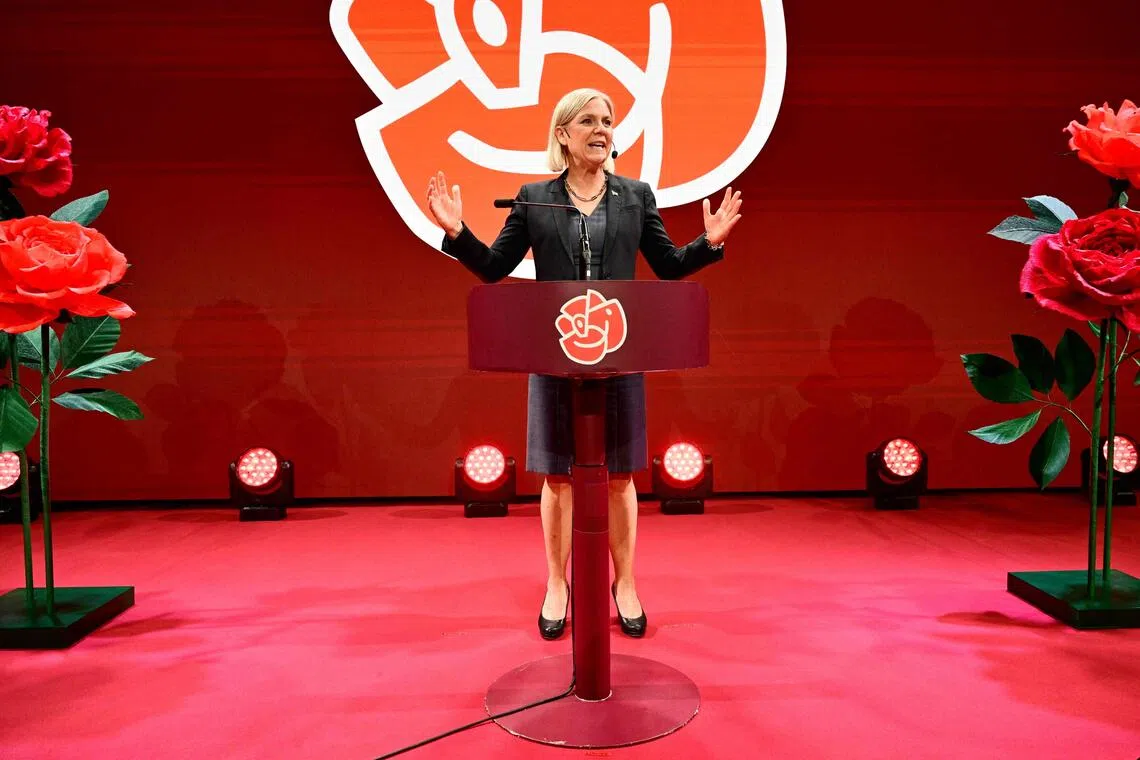
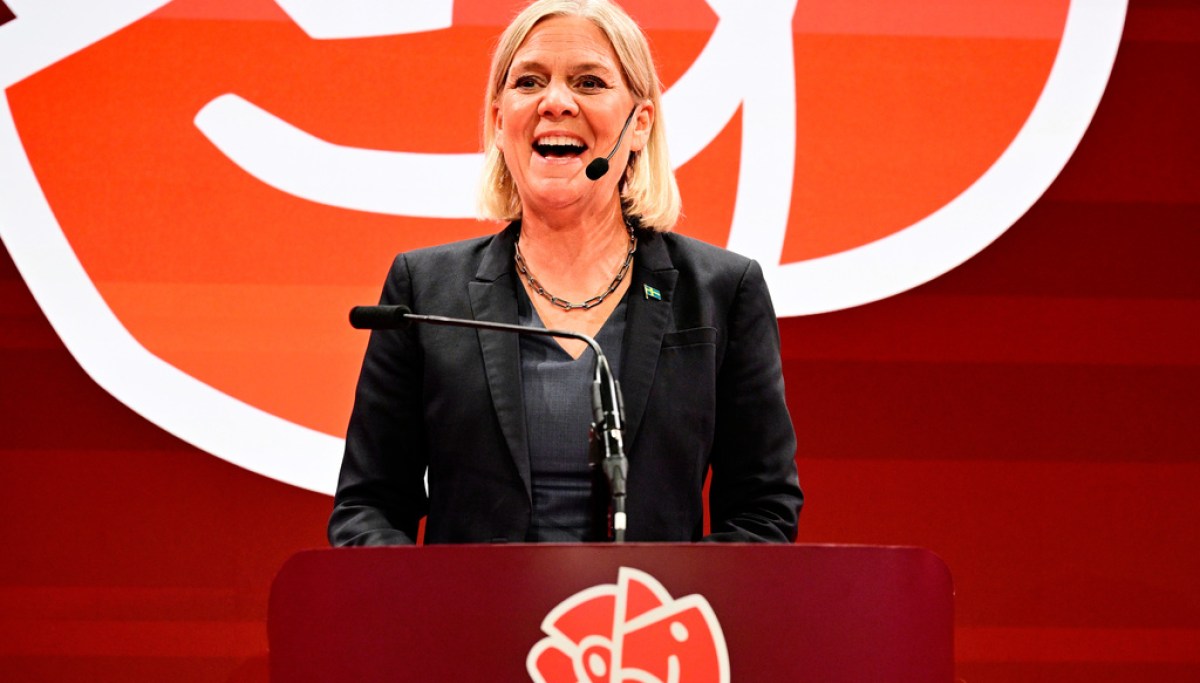
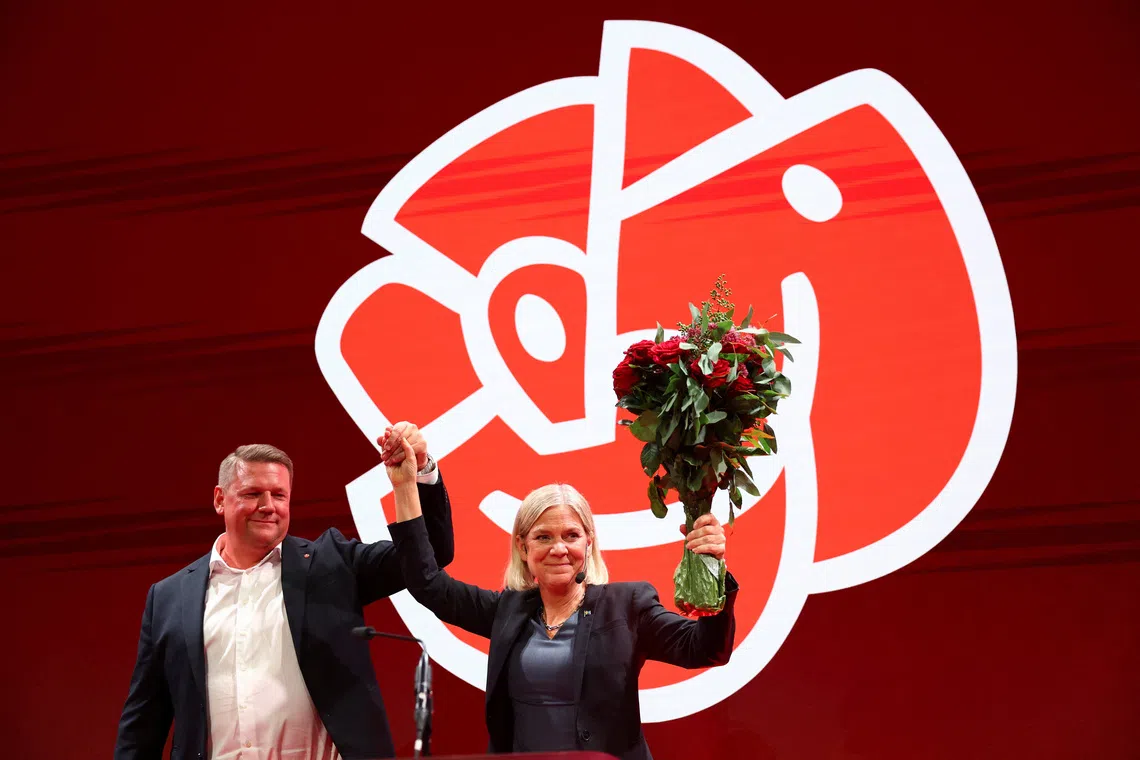
Sweden’s centre-left political parties squeaked to victory in elections this week, according to results released on Sept 17, making the country one of the first in Europe to tap the brakes on the far right’s seemingly steady march towards power.
uncertain
country → squeak → power
Voters cast their ballots on Sept 13, but the contest was so tight that it took days to count the last stray votes before a conclusion could be reached.
uncertain
conclusion → cast → votes
The next prime minister is likely to be Magdalena Andersson, leader of Sweden’s stalwart centre-left party, the Social Democrats, though experts predicted that there could be weeks of sticky negotiations before the next government is announced.
uncertain
government → predict → negotiations
As in other parts of Europe, Swedish nationalists had made big gains in recent elections by railing against migration and blaming migrants for crime.
asserted
nationalists → make → crime
This election showed that in Sweden at least, the far right, which was essential to the outgoing centre-right coalition’s hold on power, had become a victim of its own success.
asserted
which → show → success
Experts said the country had cracked down so decisively on crime and migration that it essentially took those issues off the table.
asserted
it → say → table
“The general sense is crime is now under control; migration is now under control,” said Lisa Pelling, the director of a progressive research group in Stockholm.
asserted
Pelling → say → Stockholm
The consequence, she said, is that “people want something else from the government”.
asserted
people → say → government
Polls before the election showed that voters were prioritising healthcare and education, issues that tend to favour the left.
asserted
that → show → left
According to the election results, the centre-left won 49.5 per cent of the vote, compared with 48.8 per cent for the centre-right.
uncertain
left → accord → right
That gives them a slight edge in Parliament: 176 seats to 173.
asserted
That → give → 173
Andersson, a familiar face, was chosen as Sweden’s first female prime minister a few years ago and served as finance minister before that, when her Social Democratic Party dominated Swedish politics.
asserted
Party → choose → politics
If she can hash out a government in the coming weeks, it is likely to embrace many of the positions the party had pushed before, including what it called a “feminist foreign policy” that prioritised reproductive freedom and got into tangles with Saudi Arabia over its treatment of women.
asserted
that → hash → women
But forming a government will not be easy.
asserted
forming → form → government
It includes a formerly communist party and a pro-business one influenced by farmers.
asserted
It → include → farmers
Parts of the coalition have already voiced doubts about working with each other.
asserted
Parts → voice → other
And Andersson’s Social Democrats are coming into this as a weakened force, having earned just 28 per cent of the vote, one of their worst performances ever.
asserted
Democrats → come → performances
Social democratic parties across Europe have lost ground to right-wing parties that present themselves as the new protectors of the working class, said Ann-Cathrine Jungar, a political scientist at Sodertorn University in Sweden.
“What is noteworthy about this election is that socioeconomic issues were their home turf, and yet they were unable even to maintain their support,” she said of the Social Democrats.
asserted
she → lose → Democrats
Part of the explanation, Jungar said, may be that centre-left politicians have themselves moved towards tougher positions on immigration and crime, driven by the far-right Sweden Democrats, the biggest loser in this election.
uncertain
politicians → say → election
The Sweden Democrats have tried hard to distance themselves from their neo-Nazi roots.
asserted
Democrats → try → roots
But in this election, they went from being the second-most popular party to the third, going from 20.5 per cent of the vote in the last election to 17.5 per cent this time.
asserted
they → go → cent
It was the party’s first significant erosion of support since it roared onto the scene in the late 1980s, which could raise questions about its future.
uncertain
which → roar → future
Jonas Hinnfors, a political scientist at Gothenburg University, said Swedish society was growing uncomfortable with the extreme positions the far right has been advocating on migration, such as deporting large groups of lawful migrants, including teenagers.
asserted
right → say → teenagers
That is too extreme for most Swedes, Hinnfors said, and many people in Sweden have come to appreciate how important migration is for their labour market.
asserted
migration → say → market
“There is a kind of developing consensus that immigrants are needed,” he said.
asserted
he → be → consensus
He does not expect the far right to evaporate.
asserted
right → expect → ?
But he said this election was “a big blow to them”.
asserted
election → say → them
 The Aporia