The Guardian
· collected 2026-09-17 · by Miranda Bryant Nordic correspondent
Ulf Kristersson resigned as Sweden’s prime minister after his centre-right coalition lost to the centre-left opposition bloc in Sunday’s election. The opposition, led by Social Democrats leader Magdalena Andersson, secured a narrow majority with 176 seats, beating the ruling coalition's 173 seats. This shift ends four years of Kristersson's leadership and sets the stage for Andersson to form a new government focused on addressing issues like climate change, education, healthcare, elderly care, and immigration policy. The election also marks the first time since its founding that the far-right Sweden Democrats lost support in a general election.
Written locally by qwen2.5:14b on 2026-09-20,
using this article's own text rather than the other coverage of the
same event (that is the story summary below).
Story summary
On September 13, 2026, Sweden held a closely contested general election with over 8 million registered voters out of a population of about 10.6 million, voting to decide the country's next government. The main battle was between Prime Minister Ulf Kristersson’s center-right coalition and the opposition led by Magdalena Andersson from the Social Democrats. Initial results showed a narrow lead for the left-wing bloc, but with counting ongoing until Wednesday to include late-arriving votes, the final outcome remained uncertain.
If the center-right wins, it could bring the Sweden Democrats into government for the first time, raising concerns about potential policy shifts and impacts on civil liberties. The opposition, however, holds a slim lead as of Monday morning with approximately 20,000 vote advantage over the incumbent coalition in preliminary counts.
With each side needing to make significant concessions to form a majority, Sweden may face prolonged negotiations similar to or even longer than its previous record of 37 days after the 2022 election. Political analysts suggest this could lead to weeks of talks and potentially a snap election if consensus is not reached quickly on forming a new government.
Written for “Sweden Election Results” on 2026-10-05,
grounded in this article and the 23 other(s) covering the same event.
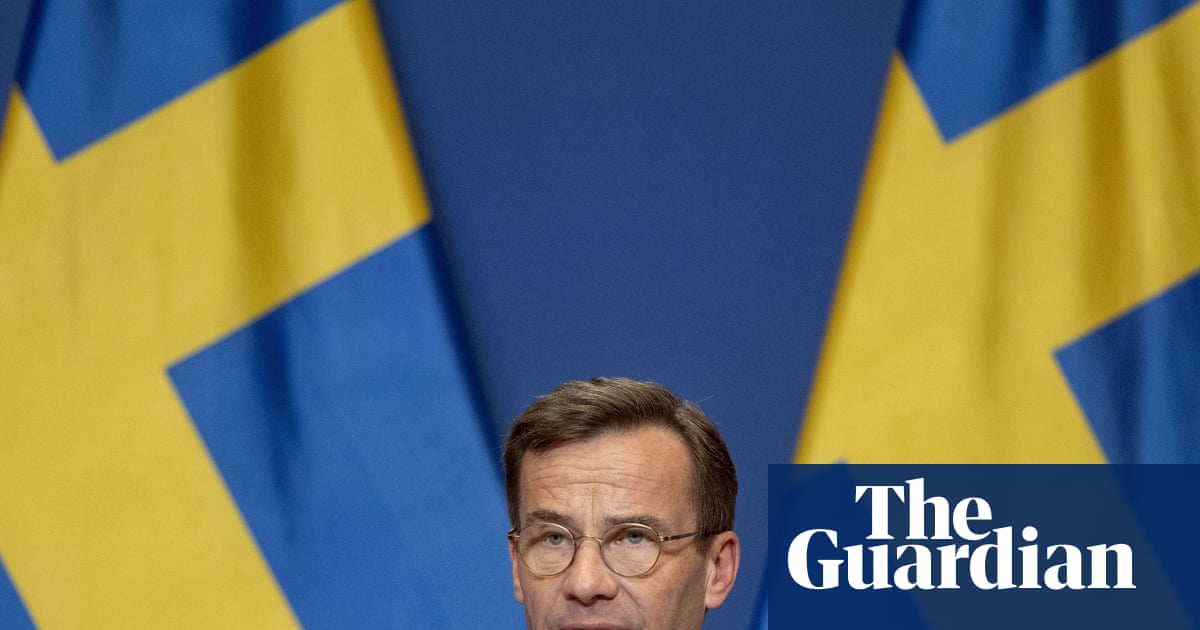
Sweden’s centre-right prime minister, Ulf Kristersson, has stood down, clearing the way for Magdalena Andersson, the Social Democrats leader, to attempt to form a government.
asserted
Andersson → stand → government
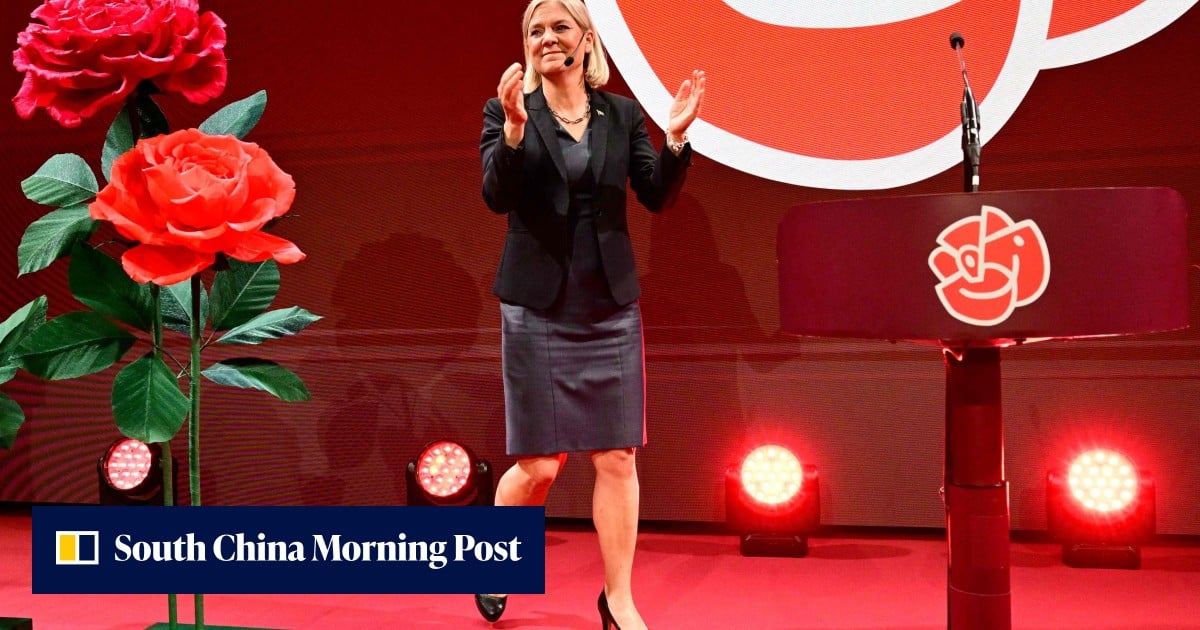
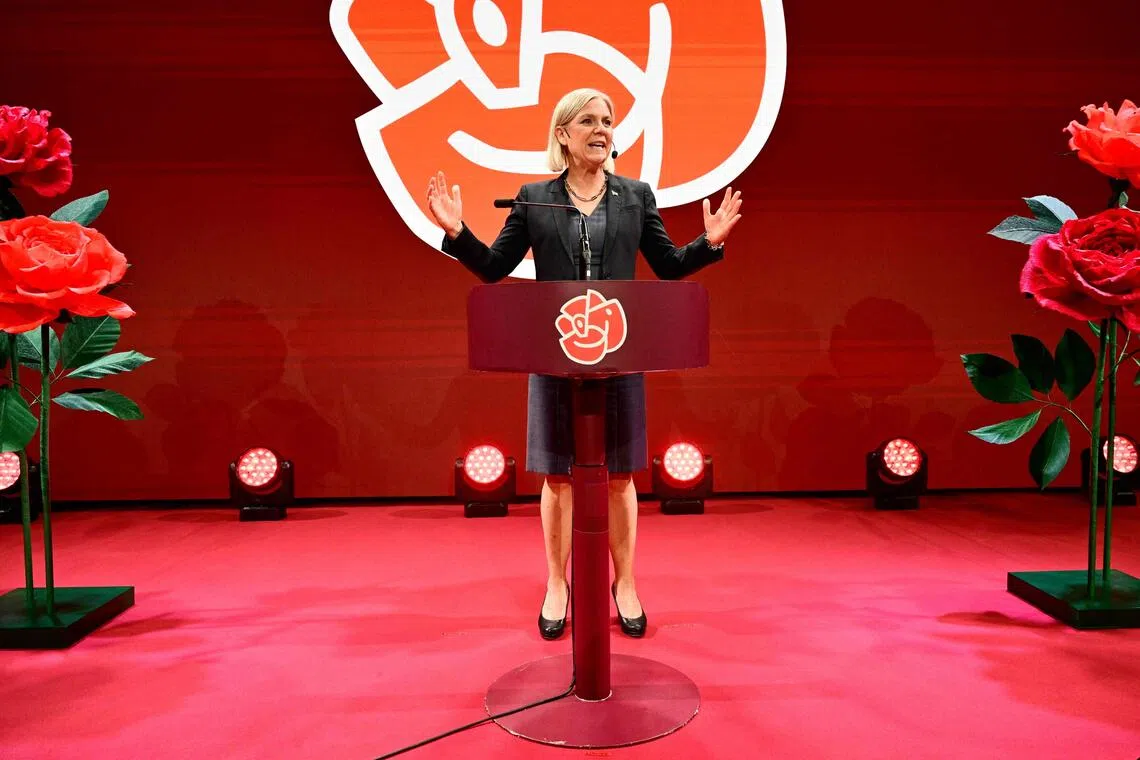
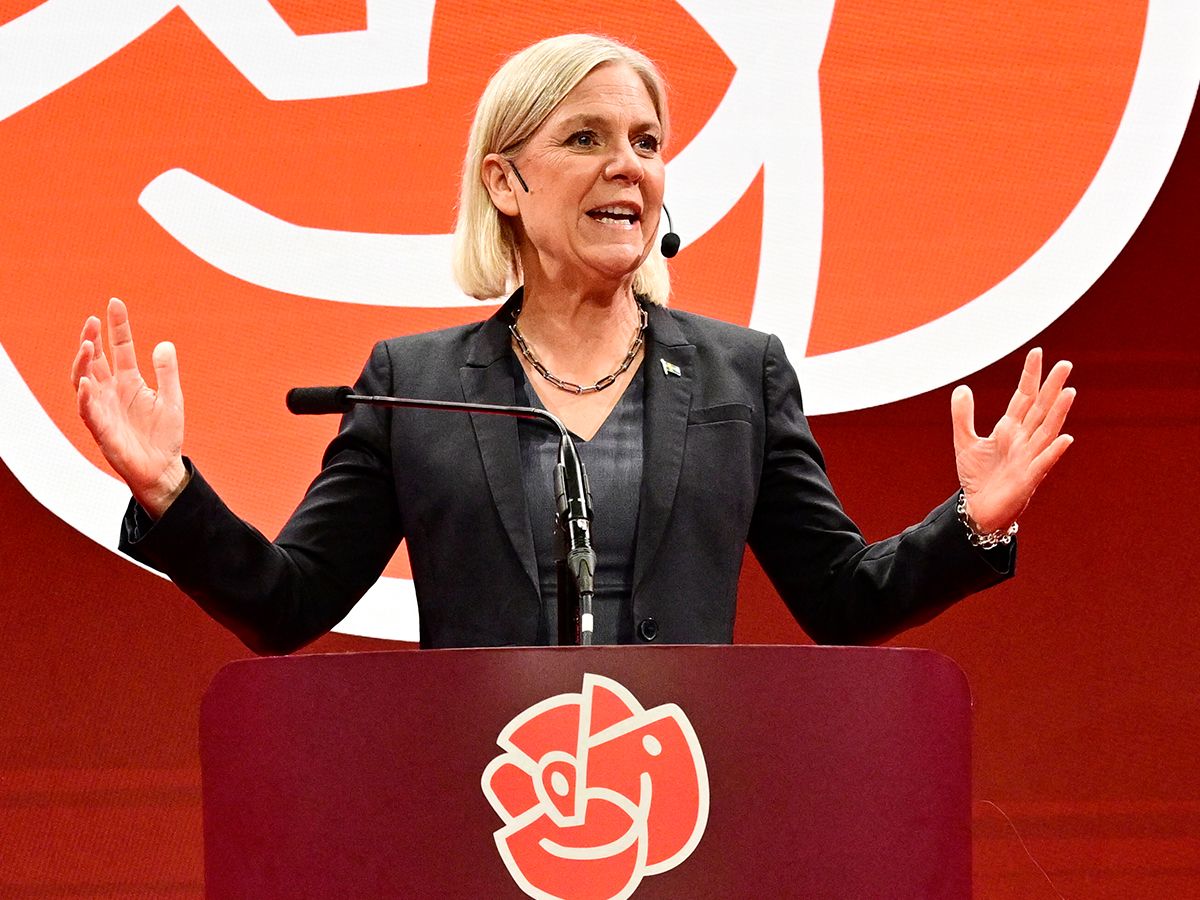
In a victory speech on Thursday, Andersson said the Swedish people had “voted for a new direction for our country, voted for unity and against division”.
asserted
people → say → division
She added: “The Swedish people have voted to take Sweden forward and I will realise the new direction that you have voted for.”
Among the priorities she named were the climate crisis, schools, healthcare, elderly care and immigration policy.
asserted
crisis → add → priorities
Andersson spoke as the preliminary count for Sunday’s election was finally completed, with 176 seats for the left-leaning opposition parties – a narrow three-seat majority over the right-leaning ruling Tidö coalition supported by the far-right Sweden Democrats (SD).
asserted
count → speak → Democrats
Earlier on Thursday, Andersson, who was Kristersson’s predecessor as prime minister, sent an invitation to the other left-leaning parties – Left, Centre and Green – for initial coalition talks.
asserted
who → send → talks
Soon after, Kristersson, the Moderates leader, announced his resignation after four years as prime minister.
asserted
Kristersson → announce → minister
Before the election, some had feared that the vote would mark a turning point for the far right after Kristersson promised key ministerial posts for the SD if his coalition took power.
asserted
coalition → fear → power
Instead, the SD lost support for the first time in a general election since its foundation, falling from Sweden’s second biggest party to third.
asserted
SD → lose → third
In his resignation letter, Kristersson wrote: “Now it is the speaker who will lead the next steps towards forming a new government.
asserted
who → write → government
In order for that work to begin immediately, I hereby request to be relieved of my duties as prime minister.”
asserted
I → begin → minister
The speaker, Andreas Norlén, will now start working on proposals for a new prime minister after talks with representatives of each of the parties.
asserted
speaker → start → parties
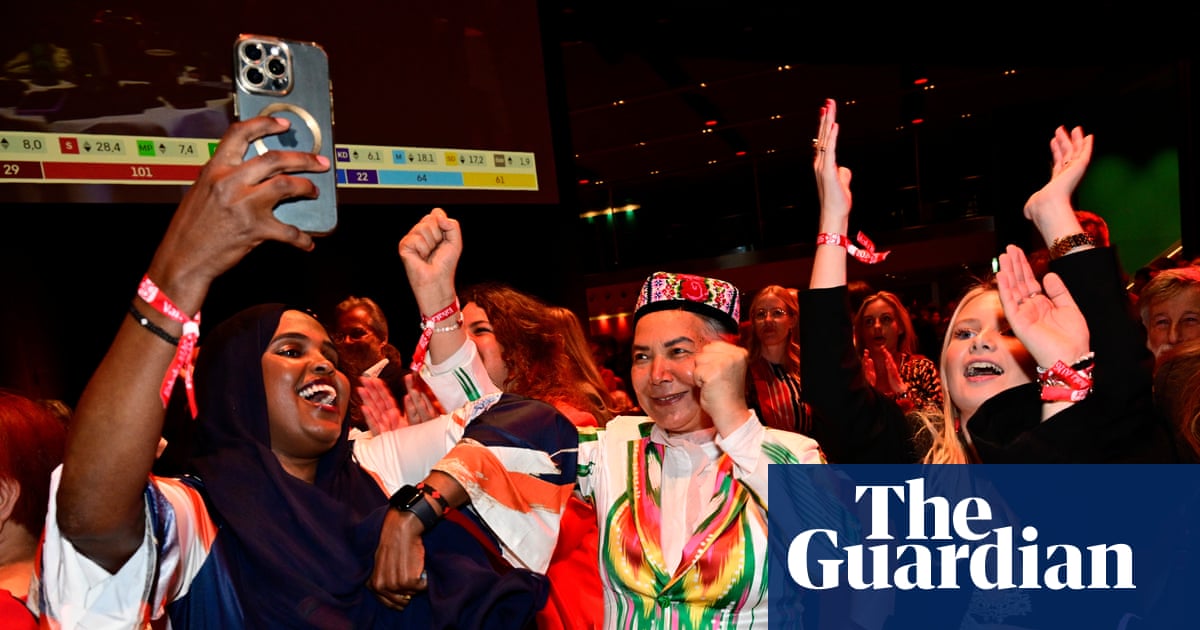
Four celebration cakes decorated with red roses were brought into the Social Democrats’ headquarters amid cheers from inside.
asserted
cakes → decorate → inside
The result will be a considerable relief among Social Democrats, who remain Sweden’s biggest party but received record low support.
asserted
who → remain → support
However, the result marks only the beginning for Andersson of what is expected to be weeks of complicated coalition talks.
asserted
what → mark → talks
One of the trickiest negotiations is expected to be between the Centre and Left parties.
asserted
One → expect → parties
The Centre party has ruled out being in government with the Left, while the Left has demanded a place in government in return for its cooperation.
asserted
Left → rule → cooperation
Other difficult areas are expected to be the Left’s support for a billionaire tax, the Green party’s opposition to nuclear energy and differences of opinion on taxation.
asserted
areas → expect → taxation
The Greens, Social Democrats and the Left are all in favour of tax increases, but the Centre party wants to cut taxes.
asserted
party → want → taxes
Nooshi Dadgostar, the leader of the Left party, said: “The Swedish people have voted away Tidö and given us a clear mandate for change.”
asserted
people → say → change
She added: “This is one of the proudest days of my life.”
asserted
This → add → life
Elisabeth Thand Ringqvist, the Centre party leader, thanked Kristersson for his work as prime minister but said Sweden was now “entering a new political phase”.
asserted
Sweden → thank → phase
She added: “The Centre party will be a constructive force for Sweden to have a functioning government, with policies anchored in the middle.”
asserted
Sweden → add → middle
Andersson, who was prime minister between November 2021 and October 2022, is understood to be reaching out to all the opposition parties, with the exception of the SD.
asserted
who → understand → SD
The Liberals and the Christian Democrats have ruled out working with the left, but in his resignation letter Kristersson appeared to leave the door open.
asserted
Kristersson → rule → door
However, given Swedish tradition, it is extremely unlikely the Moderates and the Social Democrats would form a coalition.
asserted
Moderates → give → coalition
Kristersson wrote that the election had left a “complicated situation” for building a government and called for “constructive openness” from all parties to find a way to form a stable government.
asserted
election → write → government
In the nervous days since the election, the Social Democrats are understood to have been using the time to prepare for coalition negotiations, where they are understood to be seeking broad cooperation with one or multiple parties.
asserted
they → understand → parties
Minority-run governments are common within Swedish politics and it is commonplace for governments to form agreements outside of coalitions.
asserted
governments → form → coalitions
In the last government, the SD were not officially in government, but they held considerable sway over the budget and policies.
asserted
they → hold → budget
The Social Democrats are understood to be planning to prioritise making changes to the immigration, integration and climate policies of the last government.
asserted
Democrats → understand → government
But with their policies having moved to the right in recent years, particularly on immigration and crime, much of the legacy of the previous government is likely to remain.
asserted
much → move → government
 The Aporia