That is 0 articles you have read today.
The Aporia is free and carries no advertising, so readers are the only
thing paying for it. If you are getting this much out of it, a small
donation is what keeps it independent.
Daily limit reached
You have read 0 articles today.
That is more than the 15 a day The Aporia gives away,
and well past what it can carry on nothing. Your allowance resets at
midnight.
There is no advertising here and nothing about you is sold, so readers
are the only thing paying for it. If the site is worth this much of
your day, it is worth a few dollars.
Everything else stays open: the
maps, the
directory and
search do
not count against this, and neither does re-opening something you have
already read today.
Ulf Kristersson, Sweden's Prime Minister, resigned on Thursday following his right-wing bloc's narrow defeat in the country’s general election. Preliminary results showed a difference of about 50,000 votes between the two major political blocs, with the centre-left opposition expected to secure 176 seats out of 349 in Sweden's parliament. Kristersson had promised cabinet positions to the anti-immigration Sweden Democrats if he won the election but instead faced an unexpected loss that could lead to a protracted period of coalition negotiations for the new government.
Written locally by qwen2.5:14b on 2026-09-17,
using this article's own text rather than the other coverage of the
same event (that is the story summary below).
Story summary
On September 13, 2026, Swedish voters went to the polls in a closely contested election to decide whether the current right-wing coalition, led by Prime Minister Ulf Kristersson, would remain in power or if the center-left opposition, led by Magdalena Andersson of the Social Democrats, would regain control. With nearly 10.6 million people eligible to vote and over eight million registered, the election results were too close to call initially. The right-wing bloc held a slight advantage early on but lost ground as counting continued; preliminary reports showed the left-leaning opposition leading by three seats in the 349-seat parliament. This narrow margin could prolong the formation of a new government, with both sides needing to make significant concessions for coalition support. Notably, the anti-immigration Sweden Democrats, polling at around 19%, were poised to gain cabinet positions if the right-wing bloc maintained its lead, a shift that has raised concerns about civil liberties and integration policies in Sweden. The election reflects growing anti-immigrant sentiment across Europe, mirroring trends seen in other nations like France. Formal negotiations for coalition-building are set to begin as early as September 29th, with potential long-term political uncertainty if no majority can be secured quickly.
Written for “Swedish Election Results Unclear Poli…” on 2026-09-17,
grounded in this article and the 18 other(s) covering the same event.
Why this leaning score
The article's own words the score was based on. Each is quoted
verbatim and was checked against the article text before being
stored, so you can find it in the original.
Leaning score +0.35 for article 15915 (high confidence, 2 verified quotes) · logged 2026-09-17
Claims extracted
15
claim-shaped sentences
Uncertain
13%
2 of 15 hedged
Leaning
Leans right
of the writing, not the subject
Correction & hedging signals
95.5
corrections and hedging in what we collected;
not a measure of accuracy
Outlets on this story
19
Politics
Narrative spread
1
articles carrying this framing
- Published
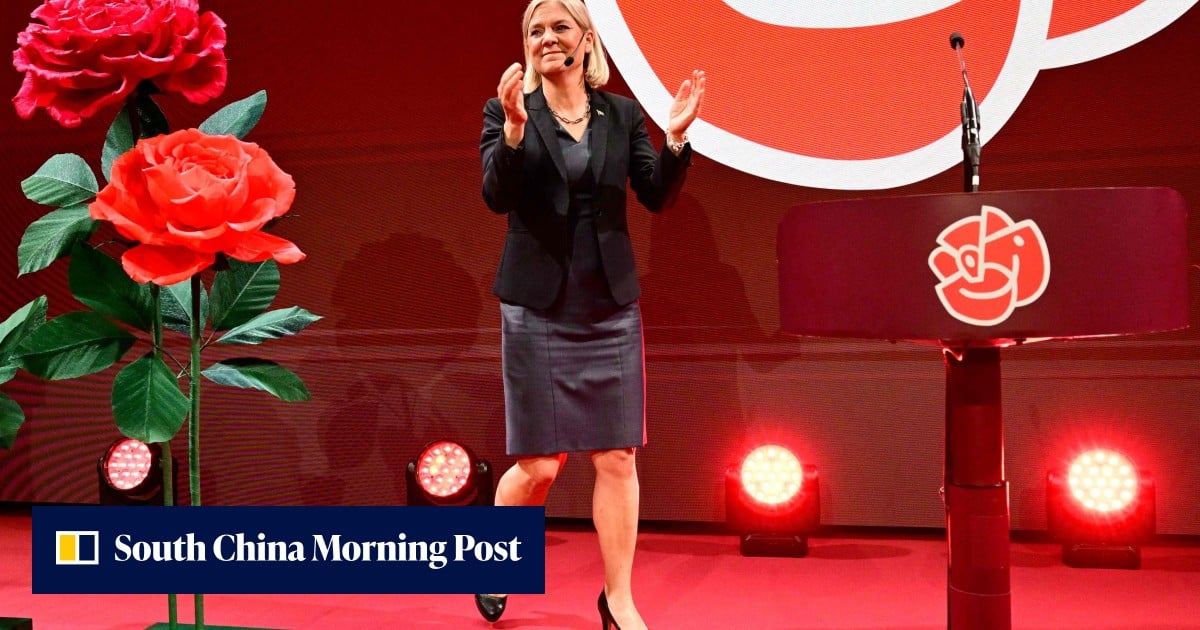
Sweden's Prime Minister Ulf Kristersson has resigned after his ruling right-wing bloc was narrowly defeated by the centre-left opposition in the country's general election.
asserted
bloc → publish → election
He made the announcement in a post on X on Thursday afternoon, after preliminary votes from Sunday's election showed about 50,000 votes separated the two blocs in the country of about 10 million people.
asserted
votes → make → people
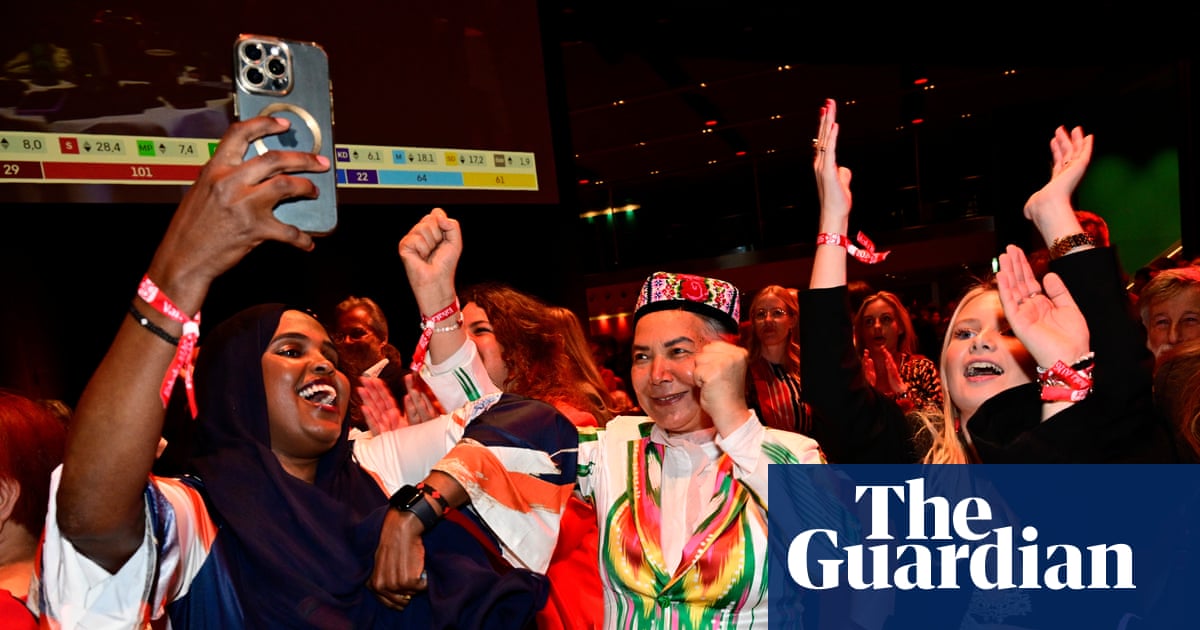
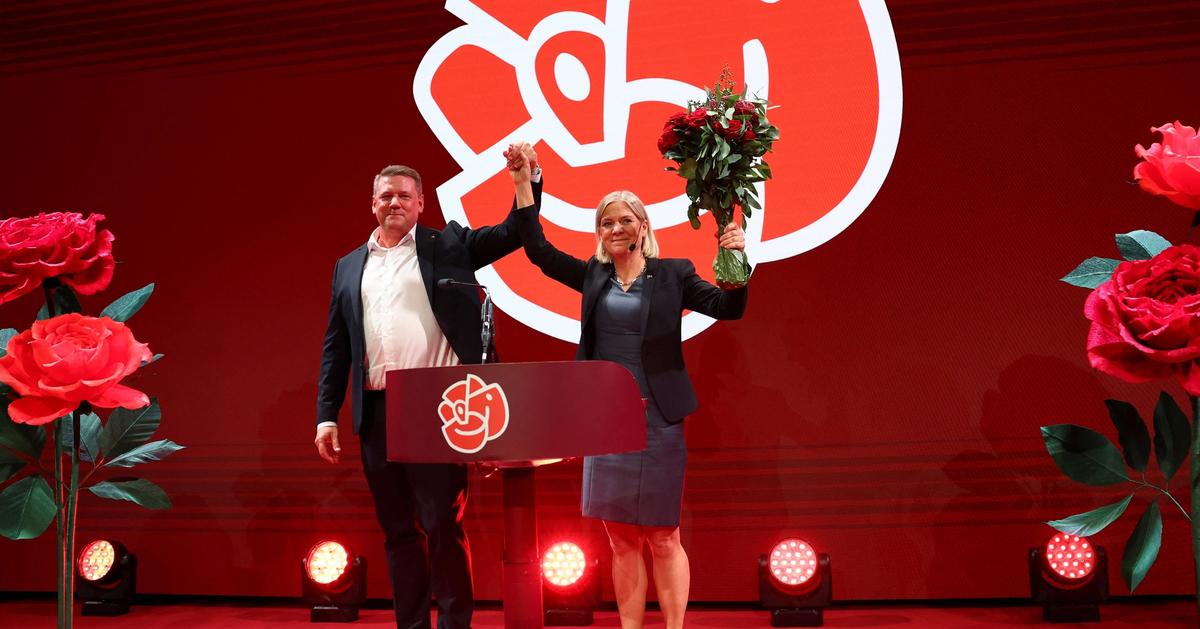
Opposition parties led by Magdalena Andersson of the Social Democrats look set to win 176 seats in the 349-seat Riksdag, Sweden's parliament.
asserted
parties → lead → Riksdag
Kristersson, a conservative, had been supported in government by the anti-immigration hard-right Sweden Democrats (SD), and had promised them cabinet jobs if he won the election.
asserted
he → support → election
His right-wing bloc looks set to win 173 seats in the Riksdag, according to data from the Swedish Election Authority.
uncertain
bloc → set → Authority
The results will be subject to formal certification in the coming days and are expected to finalised this weekend.
asserted
results → come → days
In Sweden, there are two major political blocs - with four parties on the right and four on the left, so Swedes are used to coalition and minority governments.
asserted
Swedes → be → governments
Andersson has initiated talks with the other opposition parties - The Left Party, The Centre Party and The Green Party - about forming a government.
asserted
Andersson → initiate → government
But discussions could drag on due to major differences between the parties on issues such as taxes.
uncertain
discussions → drag → taxes
After the 2022 election in Sweden, it took 37 days to form a government, while in 2018 it took 134 days.
asserted
it → take → days
The right-wing bloc is formed of Kristersson's Moderates, as well as the SD, the Christian Democrats and the Liberals.
asserted
bloc → form → Moderates
The SD had offered outside support to the current centre-right coalition, which had overseen a dramatic tightening of migration policy.
asserted
which → offer → policy
Kristersson had promised to bring them into government if he remained at the helm.
asserted
he → promise → helm
But in a surprise upset for the party, it lost support for the first time since entering parliament in 2010 - down three percentage points on 2022.
asserted
it → lose → 2022
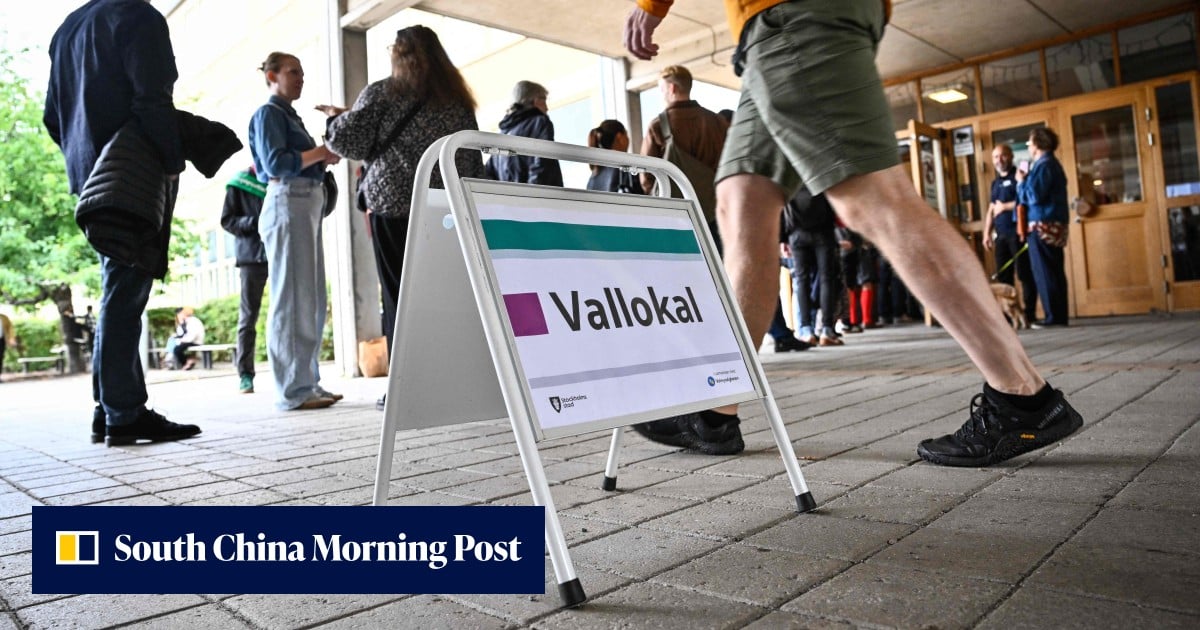
A preliminary vote count started after voting closed on Sunday evening and continued into this week.
On Wednesday, election committees began counting early votes that were submitted late, as well as votes from abroad that did not arrive before election day.
asserted
that → start → day
 The Aporia