Sweden's general election is extremely close, with the left-leaning bloc projected to win 176 seats in a 349-seat parliament, compared to the ruling right-wing coalition’s 173 seats. The results are based on around 94% of votes counted, with six percent still pending. Key parties include Magdalena Andersson's Social Democrats and Ulf Kristersson’s Moderates, while the Sweden Democrats, who have been pivotal in steering migration policy, show a slight dip in support. Official final results won't be available until Wednesday when remaining postal and overseas votes are counted.
Written by the local model on 2026-09-16,
using this article's own text rather than the other coverage of the
same event (that is the story summary below).
Story summary
On September 13, 2026, Sweden held national elections with over 8 million registered voters choosing representatives for the 349-seat parliament. Prime Minister Ulf Kristersson of the conservative bloc and opposition leader Magdalena Andersson of the Social Democrats were the main contenders. Preliminary results indicated a narrow lead for the left-wing coalition, but with significant uncertainty as late votes remained uncounted. The election was seen as pivotal due to the potential inclusion of the far-right Sweden Democrats in government if the current ruling bloc won, which could alter Sweden's traditionally liberal stance on immigration and civil liberties. With the outcome uncertain, Sweden faces a protracted period of political negotiation before a new government can be formed, potentially leading to further elections if no stable coalition emerges.
Written for “Sweden Election Results” on 2026-09-17,
grounded in this article and the 13 other(s) covering the same event.
Sweden’s left-leaning bloc has crept ahead of the ruling right-wing coalition in a neck-and-neck general election.
asserted
bloc → lean → election
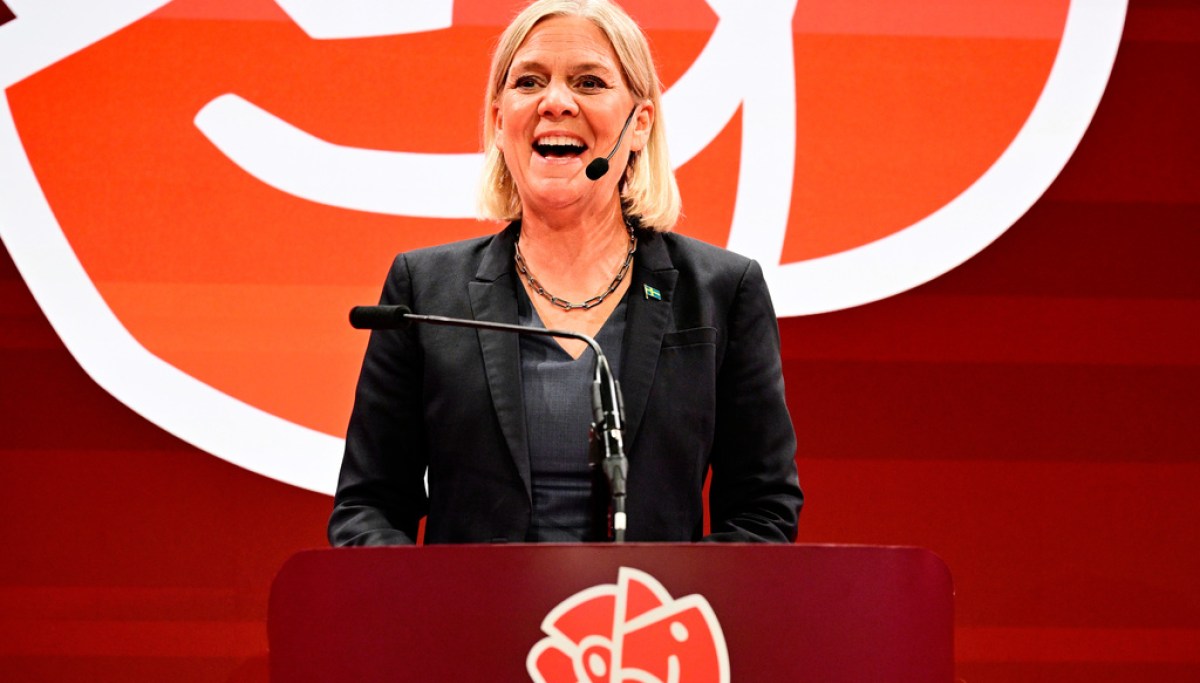
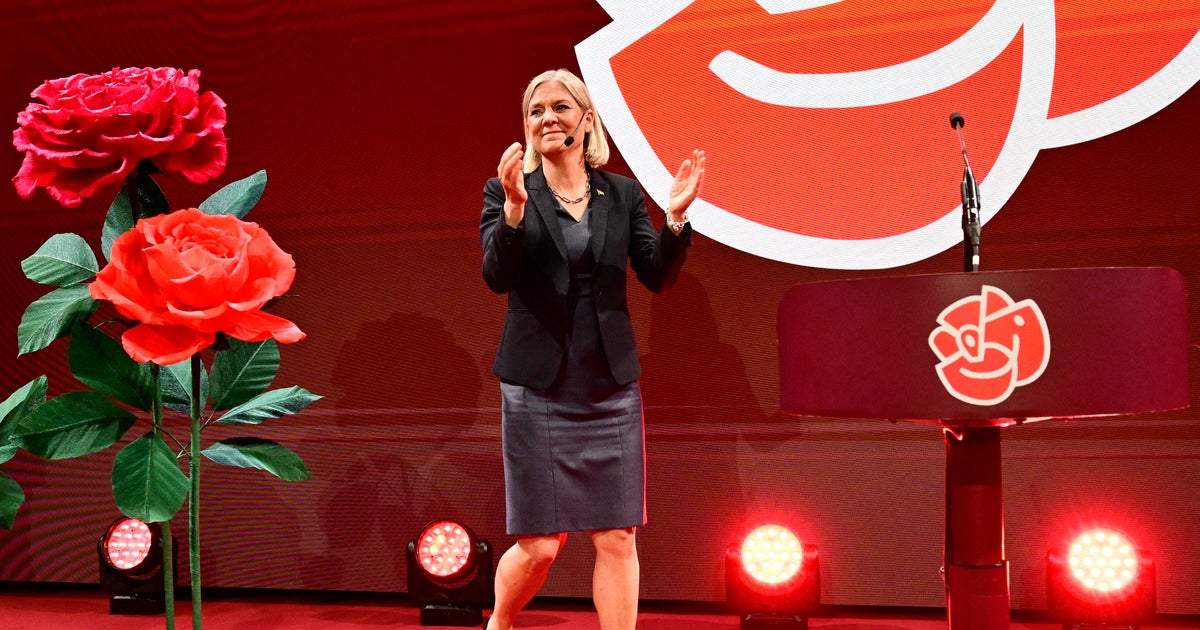
Led by former prime minister Magdalena Andersson of the centre-left Social Democratic Party, the left bloc, including the Left Party, Centre Party, and Green Party, is projected to win 176 seats in the 349-seat parliament.
asserted
bloc → lead → parliament
But around six per cent of the vote is yet to be counted, as incumbent prime minister Ulf Kristersson – leading a right-wing grouping of the Christian Democrats, Liberal Party, and the hard-right Sweden Democrats – looks to turn the result around.
asserted
Kristersson → count → result
His governing bloc trails with a projected 173 seats, separated by roughly 20,000 votes, with the results expected to be finalised on Wednesday, the election authority said.
asserted
authority → govern → Wednesday
Election maps paint a clear picture of success for the centre left Social Democrats and centre-right Moderates in densely populated and inner-city areas, while the Sweden Democrats, a party with neo-Nazi roots, typically won in more rural areas.
asserted
Democrats → paint → areas
The map, from Swedish public broadcaster SVT, presents the Social Democrats as red, the Sweden Democrats as yellow and the Moderates as light blue.
asserted
map → present → blue
It shows that the capital of Stockholm and major cities including Gothenburg and Malmo lean heavily towards the Social Democrats and the Moderates.
asserted
capital → show → Democrats
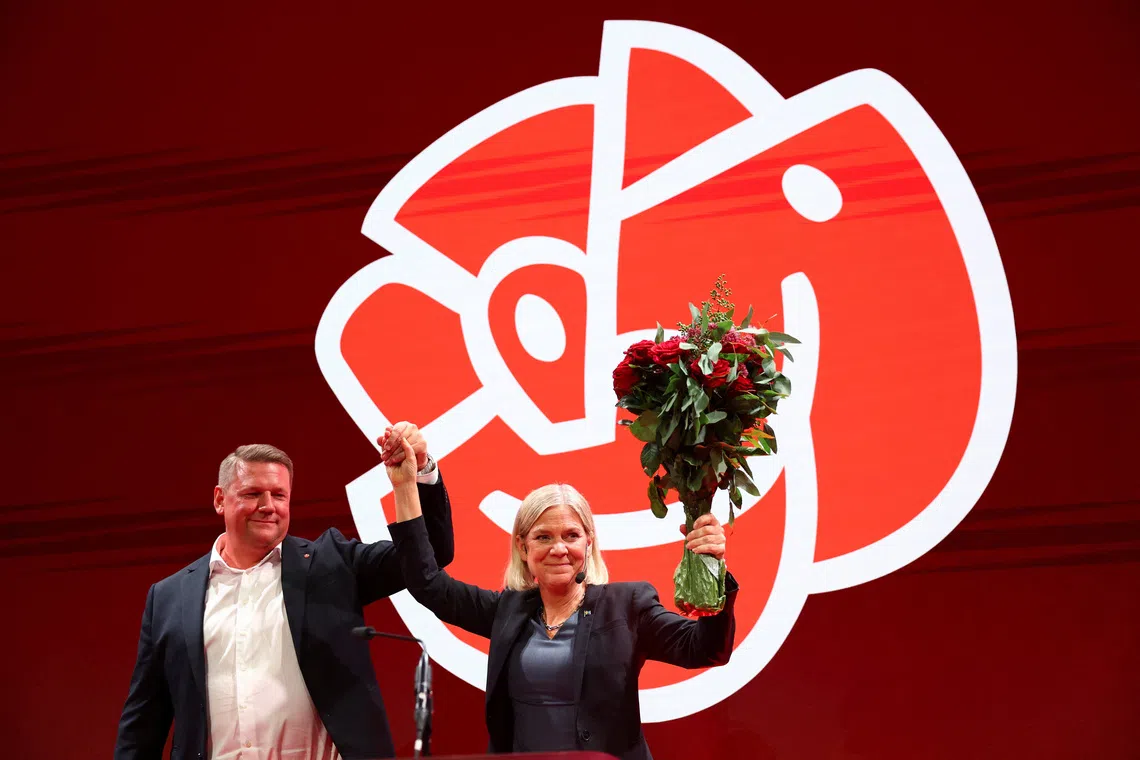
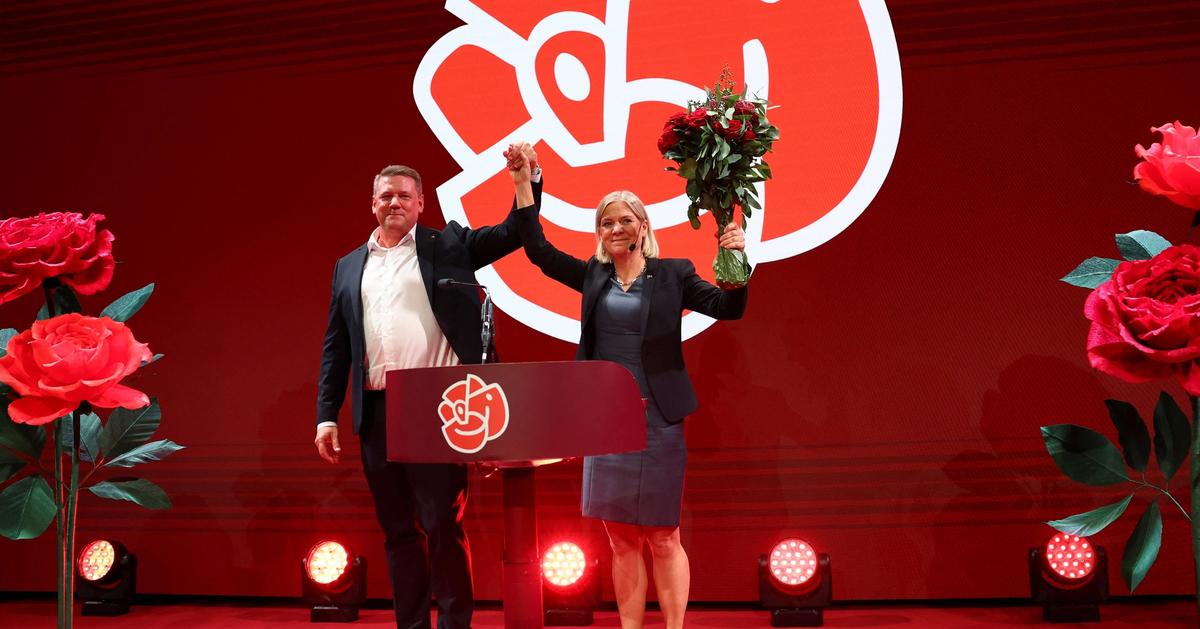
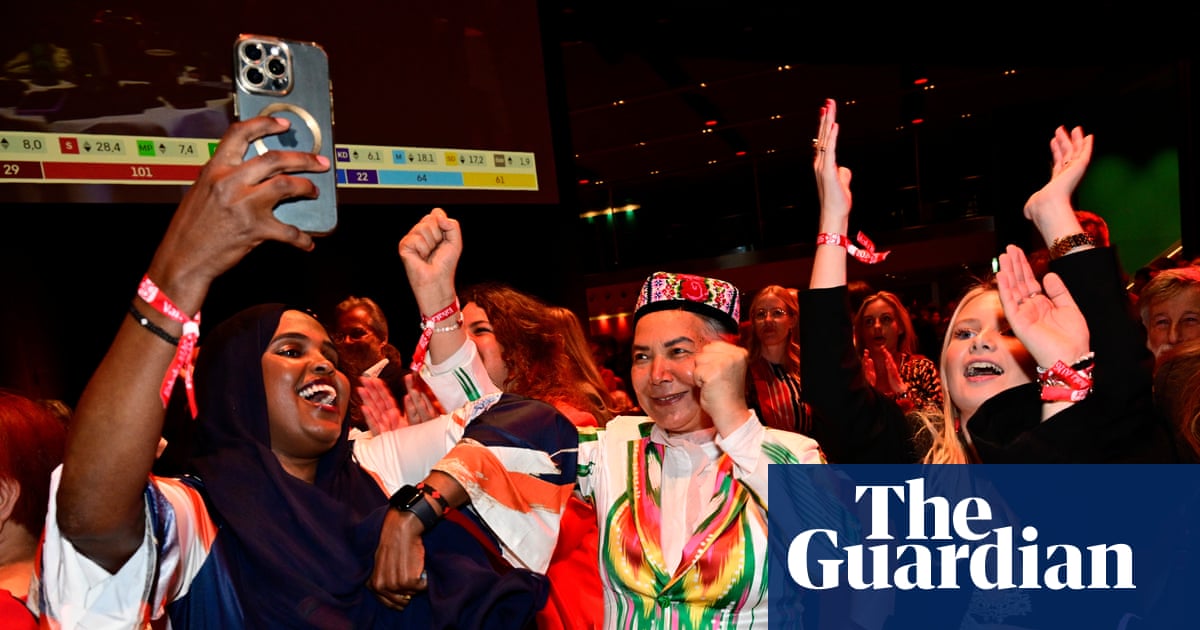
Exit polls from public broadcaster SVT had initially shown the left-wing parties ahead by several percentage points, prompting jubilation at the Social Democrats’ election night gathering in Stockholm, though the mood shifted to quiet waiting as the preliminary results proved to be closer.
asserted
results → show → waiting
The projected victory for the left bloc was driven mainly by losses for the far-right Sweden Democrats party, which had helped steer the once-liberal nation towards some of Europe’s strictest migration rules.
But final results are not expected before Wednesday, when local election boards count postal votes that arrived too late for polling day, along with ballots cast from abroad.
asserted
that → project → ballots
Sweden elects its parliament through a proportional representation system, with parties needing at least 4 per cent of the vote to win seats.
asserted
parties → elect → seats
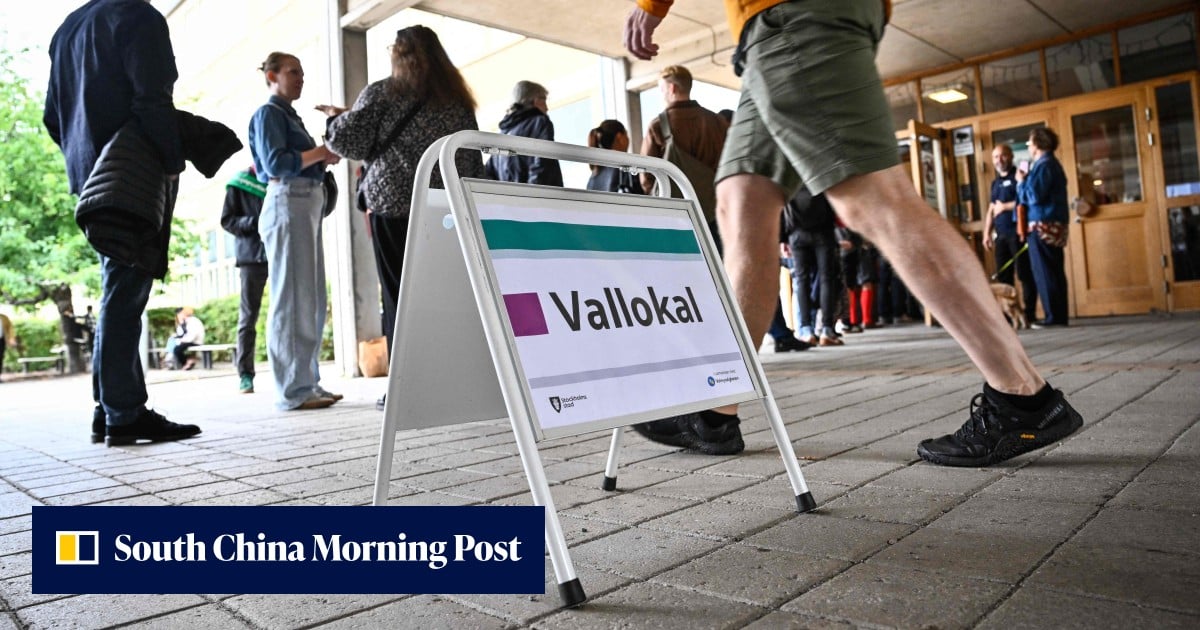
More than 8 million of the country's roughly 10.6 million people were eligible to vote.
asserted
million → vote → people
The country’s political landscape is split between two four-party blocs, on the left and the right, meaning the outcome hinges less on any single party’s result and more on which side can assemble a majority.
asserted
side → split → majority
Both the Social Democrats (28.1 per cent) and the Sweden Democrats (17.6 per cent), who had been the largest two parties after the 2022 elections, have seen small downswings of 2.3 per cent and 3 per cent respectively.
asserted
who → see → cent
The Moderates, led by Mr Kristersson, have enjoyed a 0.8 per cent uptick and are the second largest party in the preliminary results, 2.3 points above the Sweden Democrats.
asserted
Moderates → lead → Democrats
In total, preliminary results have the left bloc vote at 49.5 per cent, while the right bloc sits at 49.1 per cent.
asserted
bloc → have → cent
Speaking early on Monday, Mr Kristersson said the outcome remained genuinely uncertain, though he pointed to what he described as a broader ideological majority in parliament.
asserted
he → speak → parliament
“There is a very clear non-socialist majority, or non-left-leaning economic majority in the Swedish parliament,” he said.
asserted
he → be → parliament
“When we have the final result, it’s a good idea to look at possible combinations.
asserted
it → have → combinations
I will actually take note of that and at least figure out whether there are any possibilities.”
asserted
I → take → that
No major media outlet had called the result.
asserted
outlet → call → result
Ms Andersson urged her own supporters to wait for the final count.
asserted
Andersson → urge → count
“We must wait for the final election result,” she said.
asserted
she → wait → result
“Right now we are leading, but we have to wait for the final result.”
asserted
we → lead → result
 The Aporia