The Guardian
· collected 2026-09-16 · by Katherine Butler, associate editor, Europe
Europe’s focus turned nervously to Sweden on Sunday, after an explosive election in Germany just a week earlier placed a far-right party, officially classed as “extremist”, on the brink of power in a German state for the first time since the Nazi era.
asserted
election → turn → era
A party with neo-Nazi roots has been pulling the government’s strings in Sweden for the last four years – would the country’s general election put the far right formally in government?
asserted
election → pull → government
Or would enough Swedes opt for a gear change, having seen the Sweden Democrats’ hardline (some would say poisonous) agenda in action?
asserted
agenda → opt → action
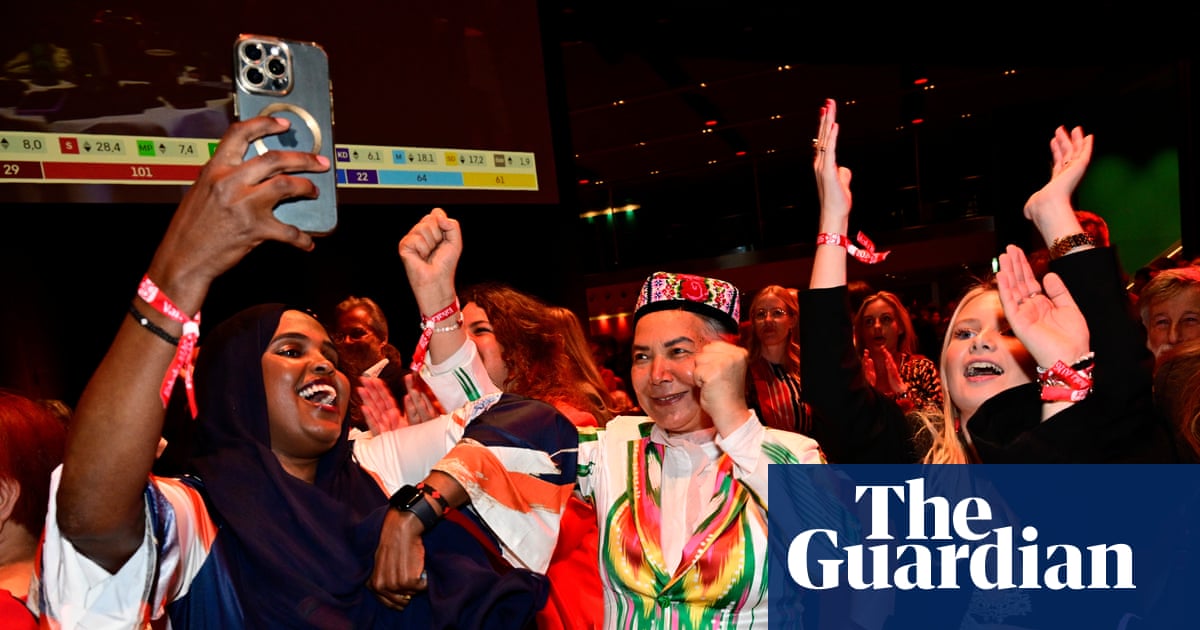
Votes were still being counted on Wednesday but it was immediately clear that the far-right Sweden Democrats had suffered a setback; their first loss of support among voters since it entered parliament for the first time 16 years ago.
asserted
it → count → time
The party slipped from being the country’s second biggest party to its third.
asserted
party → slip → third
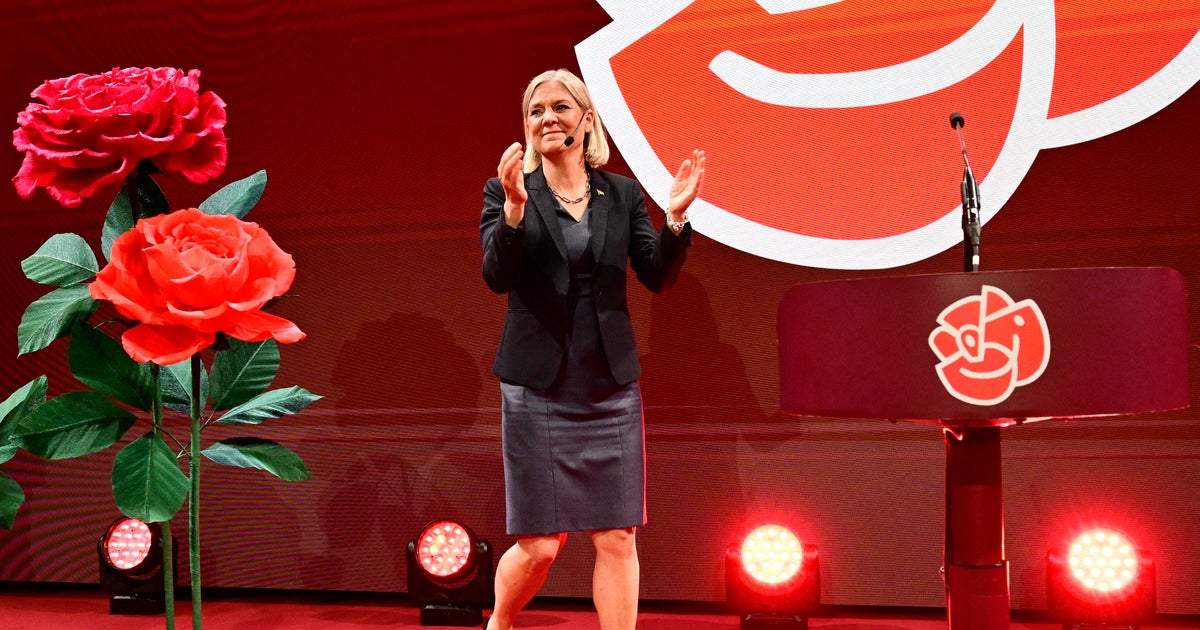
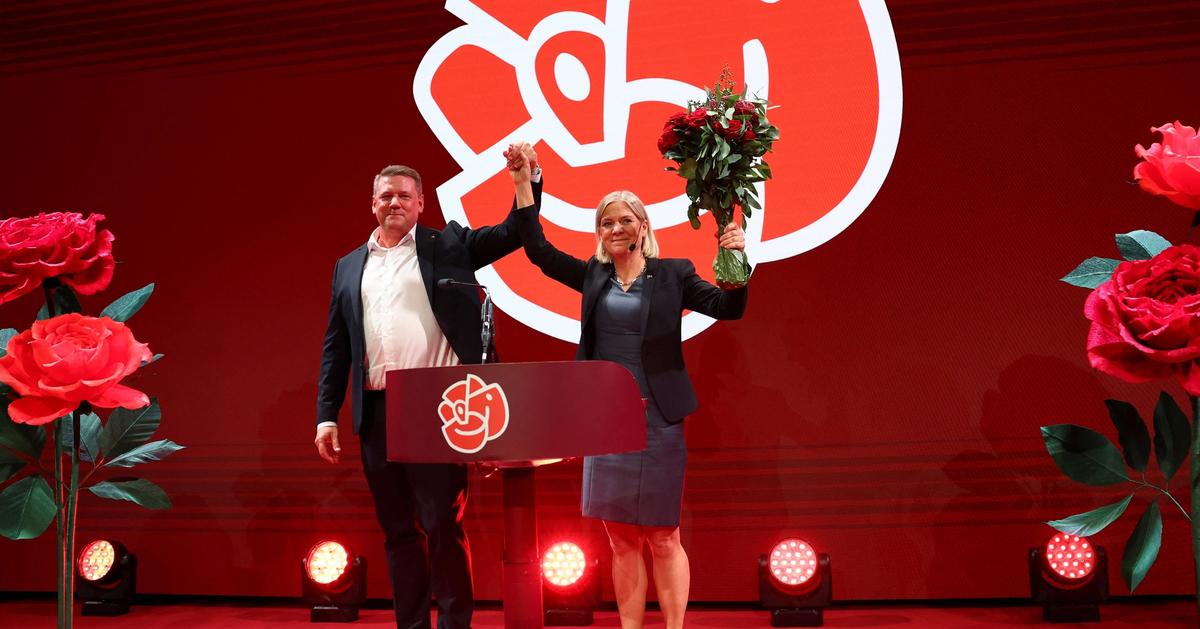
The centre-left Social Democrats appear poised for a return to power, although it could take months for their leader, Magdalena Andersson, to form a coalition.
uncertain
leader → appear → coalition
Strong results for the left and green parties gave her left bloc a wafer-thin, three-seat majority.
asserted
results → give → majority
Have Swedes reached the limits of a taboo-busting experiment with populist, nationalist rightwing prescriptions?
asserted
Swedes → reach → prescriptions
And is there a message for mainstream leaders across Europe, many of whom seem fatalistic about a continental far-right surge?
asserted
many → seem → surge
France goes to the polls in April while governments in Italy, Spain and Poland, all face their electorates later next year.
asserted
governments → go → electorates
The Dutch political scientist Cas Mudde says elections in one country are a poor guide to what will happen in another.
asserted
what → say → another
Specific local factors in Sweden, including a scandal, may have dented the far right’s support.
uncertain
factors → include → support
For Mudde, the scale of the AfD’s win in Saxony Anhalt, however, was “a black day for Europe” – and with far-right ideas gaining ground across the continent, he warned mainstream politicians that “today’s key fight is for democracy, rather than for party or power”.
asserted
fight → gain → party
This is where Sweden offers a cautionary tale.
asserted
Sweden → offer → tale
Its political establishment had “fully normalised” the far-right party, Mudde said.
asserted
Mudde → normalise → party
“Its nativism is now shared by all the major parties, albeit in lighter form, from the Moderates on the right to the Social Democrats on the left.
asserted
nativism → share → left
But the decline in the far right’s support, for now, he thinks, “at the very least creates space for mainstream parties to focus on issues other than immigration”.
asserted
parties → think → immigration
Electoral rankings go up and down, she said, and the party’s influence will endure.
asserted
influence → go → ?
More important now is how the mainstream parties respond.
asserted
parties → respond → ?
“We focus a lot on the extreme and radical right parties, but the key to their influence is what the other parties do.
asserted
parties → focus → what
Why have Sweden’s mainstream parties adopted the far right’s policies?
asserted
parties → adopt → policies
The Social Democrats have co-
asserted
Democrats → co → ?
opted their ideas, even though they are counter to the country’s needs.
asserted
they → opt → needs
In Sweden, we need competent, talented people who want to come and live here, we need labour for health and social care.
asserted
we → need → health
Yet nationalism seems to be the prevailing ideology now.
asserted
nationalism → seem → ?
In a widely read Guardian essay headlined How Sweden lost its soul – and stopped being Sweden, published before the vote, Martin Gelin documented his country’s transformation after 2022.
asserted
Gelin → read → 2022
Rightwing parties that year signed a Faustian pact with the Sweden Democrats, buying its support for a minority rightwing government.
asserted
parties → sign → government
The far right was given a direct hand in shaping policy.
asserted
right → give → policy
“A new Sweden has emerged, cruel and cold for migrants”, wrote Gelin, with xenophobic and ethno-nationalist ideas “now comfortably embedded in the political mainstream”.
asserted
ideas → emerge → mainstream
Most shockingly, Andersson’s Social Democrats, modelling themselves on their hardline Danish counterparts, had bought into the far right’s framings on crime and immigration.
asserted
Democrats → model → crime
Will Sweden’s Social Democrats now learn from their worst performance in more than 100 years, and embrace an agenda that does not involve deporting toddlers to Iran, people with dementia to the UK, or locking up 14-year-olds?
asserted
that → learn → olds
“When it comes to linking crime and immigration, this is the new normal,” she said.
asserted
she → come → crime
“The Social Democrats will not pursue policies that are more liberal.”
asserted
that → pursue → policies
Yet the political centre in Sweden could articulate a clear alternative to the far right, Mudde says.
uncertain
Mudde → articulate → right
The Left and the Greens did significantly better among young voters in this week’s election.
asserted
Left → do → election
“This reflects a development we see across Europe, namely that young people prefer outspokenly leftwing parties over centre-left parties.
asserted
people → reflect → parties
the Sweden Democrats have “deradicalised” in selective ways, to broaden their appeal, Jungar told me.
asserted
Jungar → deradicalise → me
By contrast, what was striking in Germany, was how the AfD doubled its score to 44% of the vote, on what Constanze Stelzenmuller in the FT called “a programme of stunning malevolence”.
asserted
Stelzenmuller → strike → malevolence
Two further regional elections this Sunday in Berlin and Mecklenburg-Western Pomerania will be closely watched, including by the AfD’s American backers such as Elon Musk.
asserted
elections → watch → Musk
Mecklenburg-Western Pomerania has economic and demographic conditions comparable to Saxony Anhalt.
asserted
Pomerania → have → Anhalt
…and 9 more, not listed.
 The Aporia