The Aporia
The Aporia
The Aporia

On September 13, 2026, Swedish voters went to the polls in a closely contested election to decide whether the current right-wing coalition, led by Prime Minister Ulf Kristersson, would remain in power or if the center-left opposition, led by Magdalena Andersson of the Social Democrats, would regain control. With nearly 10.6 million people eligible to vote and over eight million registered, the election results were too close to call initially. The right-wing bloc held a slight advantage early on but lost ground as counting continued; preliminary reports showed the left-leaning opposition leading by three seats in the 349-seat parliament. This narrow margin could prolong the formation of a new government, with both sides needing to make significant concessions for coalition support. Notably, the anti-immigration Sweden Democrats, polling at around 19%, were poised to gain cabinet positions if the right-wing bloc maintained its lead, a shift that has raised concerns about civil liberties and integration policies in Sweden. The election reflects growing anti-immigrant sentiment across Europe, mirroring trends seen in other nations like France. Formal negotiations for coalition-building are set to begin as early as September 29th, with potential long-term political uncertainty if no majority can be secured quickly.
ruling right-wing bloc secured 173 seats in Sunday's vote for parliament, while centre-left opposition parties won 176 seats
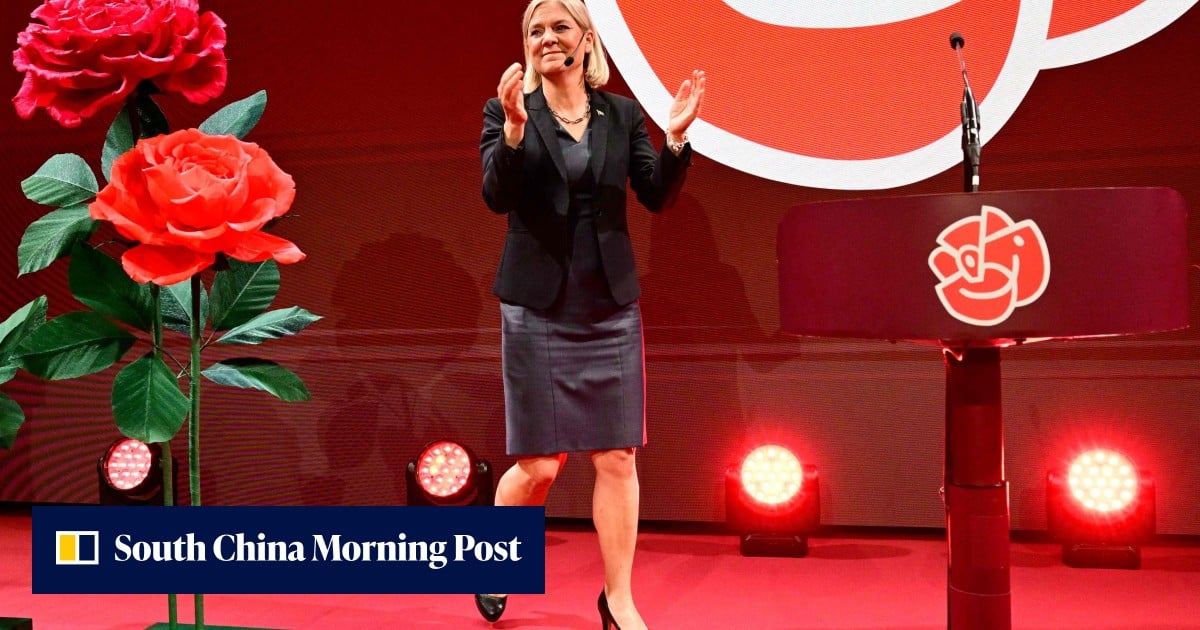
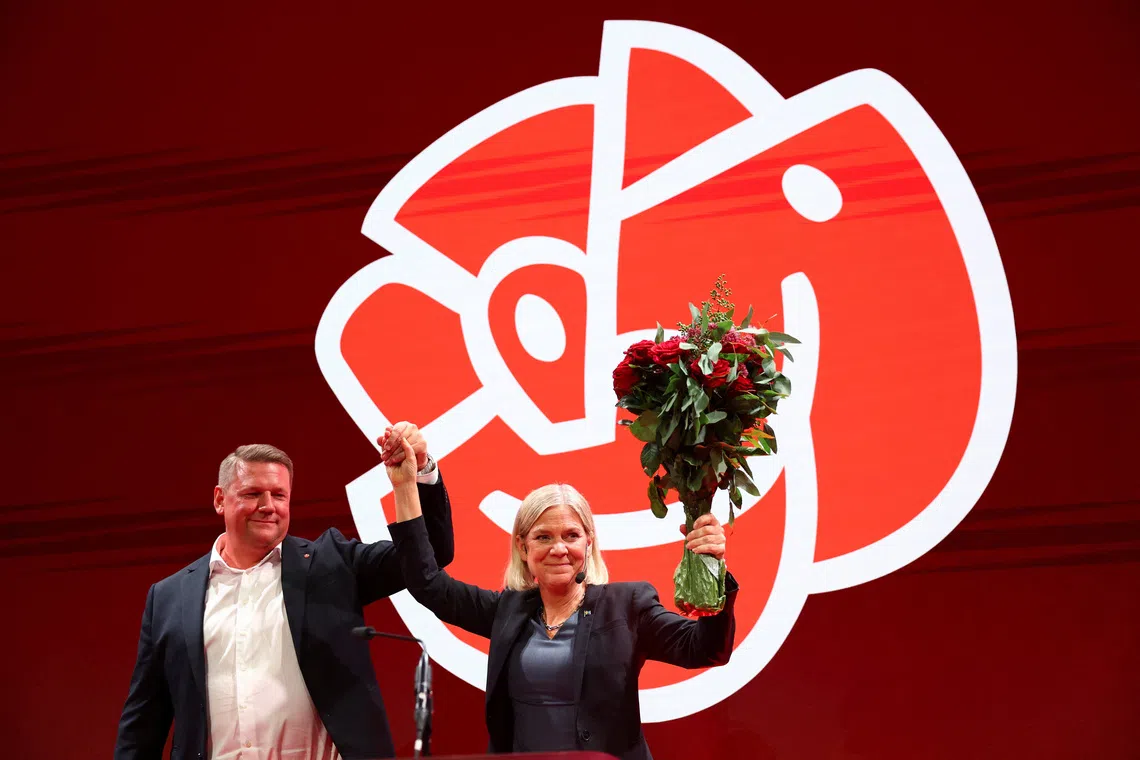
Social Democratic Party leader Magdalena Andersson expected to make a comeback as prime minister after four years in opposition