Photo via TIME

Both Democrats and Republicans Are Increasingly Worried About AI's Environmental Impact

Read the original at TIME ↗
Cite

Shah, S. (2026, September 16). Both Democrats and Republicans Are Increasingly Worried About AI's Environmental Impact. TIME. https://time.com/article/2026/09/16/majority-americans-worried-ai-environment-impact/

Dated when The Aporia collected the article, usually within hours of publication. Check the original for its exact date and byline.

TIME · collected 2026-09-16 · by Simmone Shah

Quick Summary

A new poll from The Associated Press-NORC Center for Public Affairs Research and the Energy Policy Institute at the University of Chicago shows that 53% of Americans are “extremely” or “very” concerned about the environmental impacts of artificial intelligence, up from 41% last year. This concern is consistent across party lines: 65% of Democrats, 42% of Republicans, and 49% of Independents expressed significant worry. The growth in data centers, crucial for AI operations, has raised concerns over electricity consumption and water usage; these facilities could account for up to 11.8% of U.S. electricity use by 2030 according to a Lawrence Berkeley National Laboratory report.
Written by AI on 2026-09-17, from this article's own text only (the story summary below draws on all the coverage).

AI analysis

Story summary

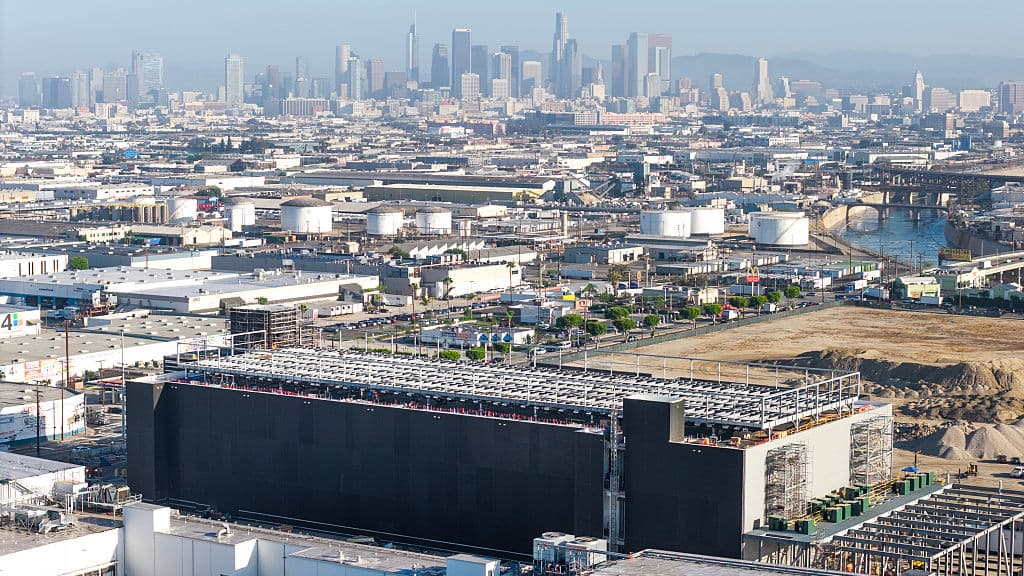
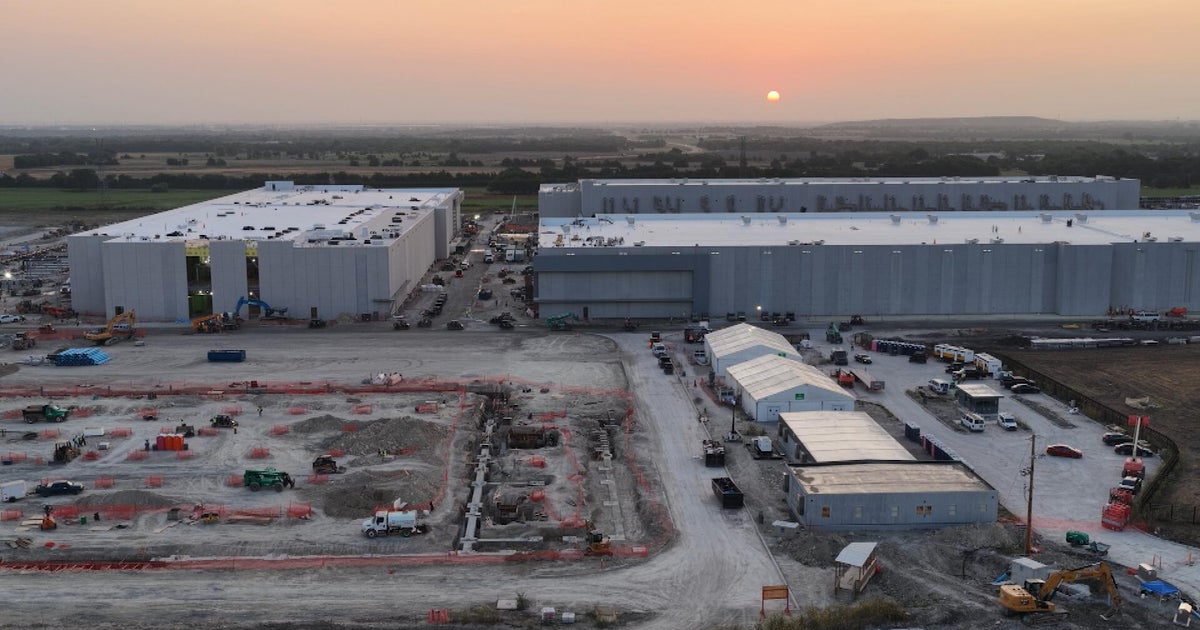
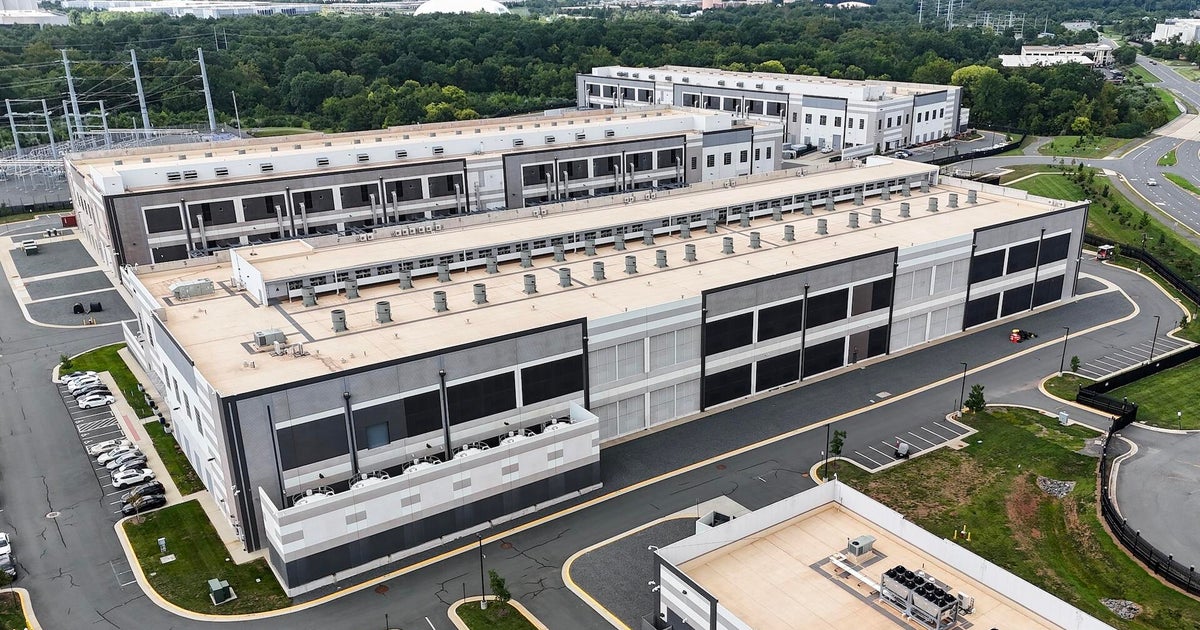
A recent poll from The Associated Press-NORC Center for Public Affairs Research and the Energy Policy Institute at the University of Chicago shows increasing American concern over AI's environmental impact, with 53% of Americans "extremely" or "very" concerned, up from 41% last year. This worry is prevalent across political affiliations: 65% of Democrats, 42% of Republicans, and 49% of Independents express significant concern this year. The growth in data centers—1,287 currently operational in the U.S., with over 2,000 planned—is driving these concerns, particularly as many new developments are slated for rural areas in the South and Midwest. Virginia and Texas lead in existing data center numbers but face challenges related to energy consumption and environmental impact.

Written for “AI Environmental Concerns” on 2026-11-01, grounded in this article and the 0 other(s) covering the same event.

Story

📰 AI Environmental Concerns
Environment · 1 article(s) covering the same event.

Compared with similar articles

This article reads unscored and hedges 19% of its claims. Each row says how that neighbour differs.
CBS News
⚖️ Leans left Hedges 3 of 120 claims Outlet record 66/100
“The articles discuss related topics but do not describe the same specific incident or occurrence.”
Semafor
⚖️ Leans right Hedges 3 of 13 claims Outlet record 60/100
“The articles discuss different aspects of AI concerns and do not describe the same specific incident.”
Semafor
Hedges 0 of 18 claims Outlet record 60/100
“Article A discusses a chipmaker CEO's opinion on data center energy waste, while Article B reports on a poll about Americans' growing concern over AI's environmental impact. These are different events covering distinct aspects of the topic.”
Semafor
⚖️ Leans right Hedges 0 of 4 claims Outlet record 60/100
“The articles discuss different aspects of AI regulation and its environmental impact over time, not a single specific incident.”
Reason
⚖️ Leans right Hedges 14 of 41 claims Outlet record 67/100
“The articles discuss related themes but describe different events: one focuses on potential seasteading solutions for data centers, while the other reports on a poll about American concern over AI's environmental impact.”
The Bulwark
⚖️ Leans left Hedges 8 of 99 claims
“The articles discuss different aspects of AI concerns; one focuses on political reactions and a specific assembly, while the other reports on environmental impact concerns based on a poll.”
CBS News
Hedges 0 of 3 claims Outlet record 66/100
“The articles discuss different aspects of AI and data centers; one focuses on political debate over regulations, while the other covers public concern regarding environmental impacts.”
Semafor
⚖️ Leans right Hedges 1 of 3 claims Outlet record 60/100
“The articles discuss different aspects of AI concerns; one focuses on Trump's stance against regulation and another on public concern regarding environmental impacts.”
Washington Examiner
⚖️ Leans strongly left Hedges 2 of 44 claims Outlet record 70/100
“The articles discuss different aspects of AI concerns in politics and public opinion, not the same specific event.”
Fox News
⚖️ Leans left Hedges 3 of 23 claims Outlet record 69/100
“The articles discuss different aspects of data center expansion and its impact but do not describe the same specific incident.”
How this article was measured signals, leaning charts, publisher record, byline, topics and claims

Signals How these are calculated →

Claims extracted
31
sentences that state something as happening or true
Uncertain
19%
6 of 31 hedged ("reportedly", "may", "according to")
Leaning
not political
takes no side on a contested political question
Publisher signals
59/100
TIME's corrections and hedging, across everything collected from it. Not a measure of accuracy.
Outlets on this story
1
Environment
Same framing elsewhere
1
articles that frame the event the way this one does
Analyzed 2026-09-17 · how these are computed

How this is being covered How these are calculated →

Article leaning vs. publisher reliability
Source leaning vs. consistency

Publisher

TIME · 783 article(s) · 2 correction(s) detected
Running correction rate · 2 correction(s)

Who wrote this

Simmone Shah
12 article(s) here · 1 carrying a prediction
🔮 When confronted with a rotting, deflating carved pumpkin, your first instinct might be to beeline to the trash as quickly as possible.
🔮 With Democrats being significantly more likely to view climate action as a priority, many in the climate movement are hopeful that if the Democrats take back some leadership in Congress, as it could prove essential in helping to prevent further rollbacks.
🔮 Combined, all of the world’s private jets emit more in 2 seconds than someone in the world’s poorest 50%, those annually making an average of $1,500, would emit in a year.
🔮 Doing so would provide a greater chance at avoiding the worst impacts of climate change.
🔮 The researchers warn that the rate of global warming appears to have accelerated, from about 0.05°C per decade between 1880 and 1970 to roughly 0.36°C per decade between 2010 and 2024—and the 2°C threshold meant to limit planetary damage could be reached before 2050 they warn.
🔮 Currently a strong Category 2 hurricane, Isaias could reach Category 3 before making landfall sometime in the next two days.
🔮 Trump was responding to being asked why many thought the war in Iran would be over in four to six weeks.
🔮 The storm could stall near the coast between New Jersey and Long Island, prolonging strong winds, rain, and coastal flooding in the area—leaving northern New Jersey, New York City, Long Island, and southern New England facing some of the storm's strongest winds, heaviest rain, and coastal flooding.
2026-09-25 · assertive framing · How Does Climate Change Impact Nor'easters?
🔮 About 6 in 10 Americans said they would support limiting the number of new data centers that can be built—including most Democrats and Republicans—the survey found.
🔮 The weather event is expected to impact global temperatures and rainfall, and could increase the risk of extreme weather events in some parts of the world.
Also by Simmone Shah
Nothing else under this byline is closely related to this article, so these are simply their most recent.
All 12 articles by Simmone Shah →

Topics

Americans Democrats Independents Republicans U.S.

Subjects

Americans NORP · 7× Republicans NORP · 7× U.S. GPE · 6× Democrats NORP · 5× Independents NORP · 3× Center for Public Affairs Research ORG · 1× Clearview GPE · 1× The Associated Press ORG · 1× the Energy Policy Institute ORG · 1× the University of Chicago ORG · 1×

Narrative

More Democrats, Republicans, and Independents said they are “extremely or very” worried about the environmental impacts compared to last year—with 65% of Democrats, 42% of Republicans, and 49% of Independents reporting their concern this year.
framing: assertive · carried by 1 article(s) · first seen 2026-09-17
🔮 About 6 in 10 Americans said they would support limiting the number of new data centers that can be built—including most Democrats and Republicans—the survey found.

Claims (31 extracted, 6 hedged)

As data centers break ground in communities across the country, Americans are growing more concerned about the environmental impacts. asserted
Americans → break → impacts
That’s according to a new poll from The Associated Press-NORC Center for Public Affairs Research and the Energy Policy Institute at the University of Chicago, which found that about half (53%) of Americans are “extremely” or “very” concerned about AI’s environmental impacts. uncertain
half → accord → impacts
The concern is shared across all party affiliations. asserted
concern → share → affiliations
More Democrats, Republicans, and Independents said they are “extremely or very” worried about the environmental impacts compared to last year—with 65% of Democrats, 42% of Republicans, and 49% of Independents reporting their concern this year. asserted
% → say → concern
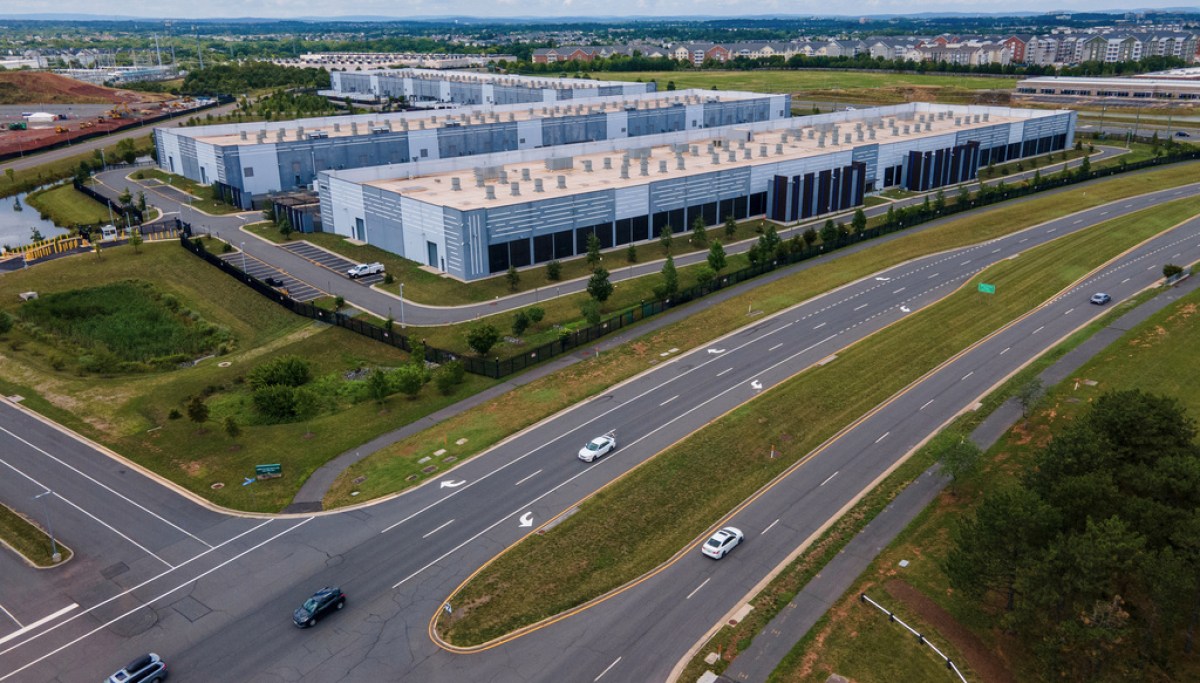
Virginia and Texas currently have the most data centers in operation, but many new developments are planned in rural areas in the South and Midwest. asserted
developments → have → South
The growth is driven by the rise in hyperscale data centers, which are larger, more powerful, and often used to train and run large-scale AI models. asserted
which → drive → models
Despite the boom, Americans seem to be increasingly supportive of measures to regulate growth. asserted
Americans → seem → growth
About 6 in 10 Americans said they would support limiting the number of new data centers that can be built—including most Democrats and Republicans—the survey found. asserted
survey → say → Democrats
Democrats seem to be the most concerned by the environmental impacts of data center growth. asserted
Democrats → seem → growth
About two-thirds say they are “extremely” or “very” concerned about how AI will affect the environment, the poll found, compared to about half in 2025. asserted
poll → say → 2025
Republicans, on the other hand, are more likely to see the benefits of data centers. asserted
Republicans → see → centers
Yet about 3 in 10 Republicans still believe the centers are “not very” or “not at all” beneficial for improved infrastructure and job creation. asserted
centers → believe → infrastructure
A majority (60%) of Americans are “extremely” or “very” concerned about the impact of data centers on electricity prices or the water supply in the communities where they are built, according to the new poll. uncertain
they → build → poll
A U.N. report published in June estimated that the water used by AI is expected to greatly expand in the coming years—equaling the needs of 1.3 billion people by 2030 and threatening natural resources for billions around the world. asserted
water → publish → world
In the U.S. alone, data centers could account for 11.8% of electricity consumption by 2030, according to a 2024 report from the Lawrence Berkeley National Laboratory Report. uncertain
centers → account → Report
The poll found that Americans are more worried about the environmental impact of AI than other industries with a substantial environmental footprint like the meat industry or air travel. asserted
Americans → find → industry
About two-thirds of U.S. adults are in favor of requiring data centers to use clean energy sources, like wind or solar, to supply their electricity needs. asserted
thirds → require → needs
Roughly 8 in 10 Democrats support this, along with 56% of Republicans. asserted
Democrats → support → Republicans
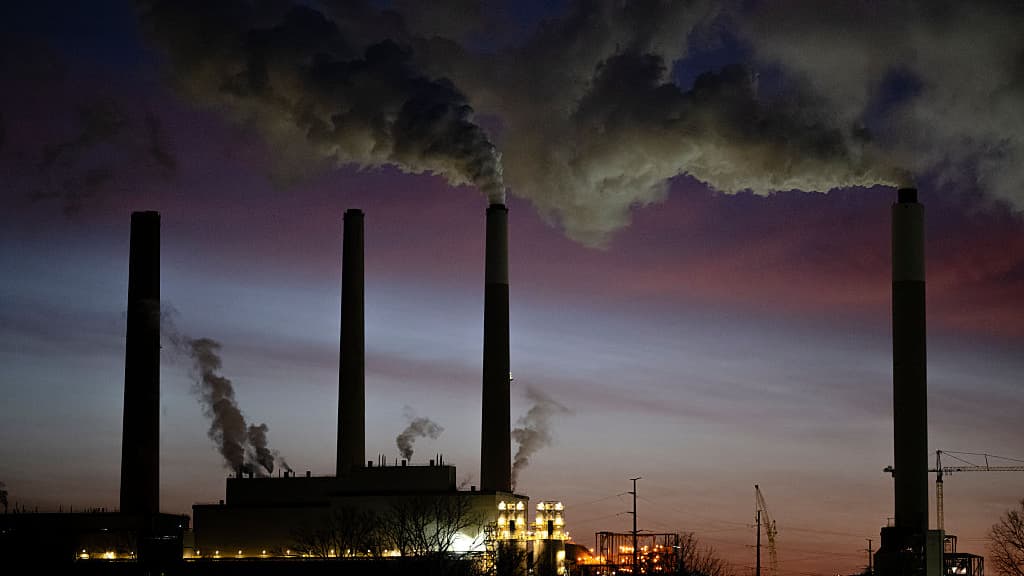
But in the absence of clean energy alternatives, U.S. data centers are projected to consume more natural gas than most countries by 2035, according to a new report from BloombergNEF. uncertain
centers → project → BloombergNEF
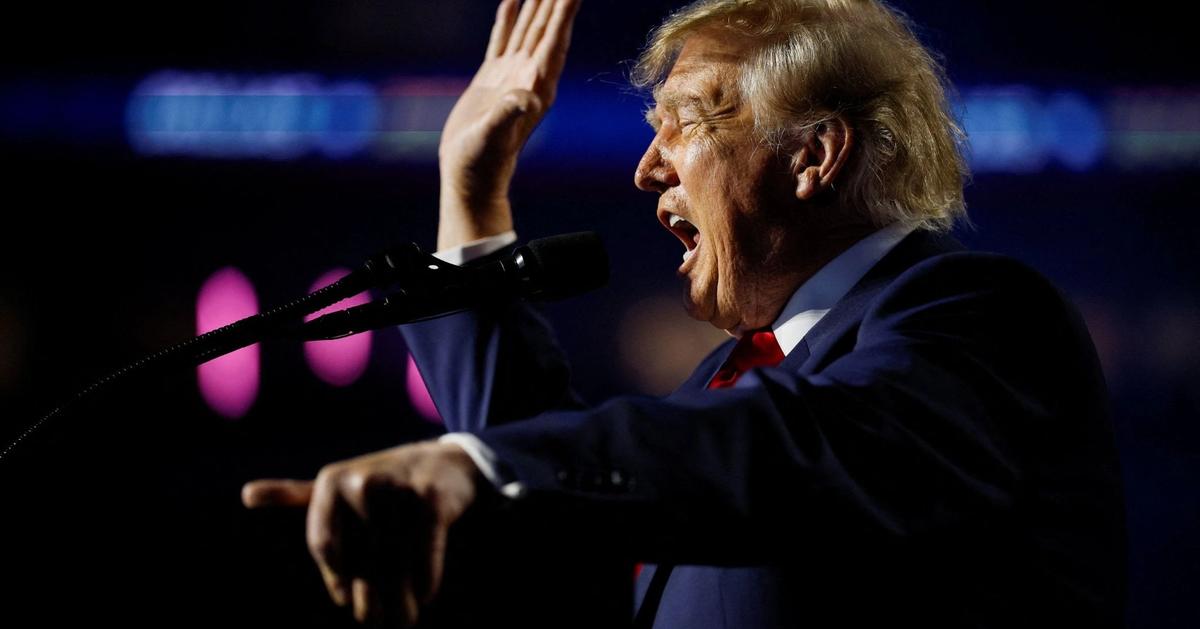
The Trump Administration—which has been undoing climate rules that could help spur clean energy—has strongly supported data center expansion, urging communities to "let Data Reign” in a social media post on Monday. uncertain
Data → undo → Monday
"The only reason that communities throughout the U.S.A. should not want Data Centers is if they want to end up being backwards and poor,” he wrote. asserted
he → want → Centers
“If they want to be successful and rich, with far lower taxes and jobs all over the place, let Data Reign." asserted
Data → want → place
Americans seem to be less certain. asserted
Americans → seem → ?
Roughly a quarter of U.S. adults surveyed said data centers are “extremely” or “very” beneficial when it comes to technological advancement, and only about 2 in 10 say the same about job creation. asserted
10 → survey → creation
Many U.S. adults say data centers are “somewhat” beneficial or aren’t sure, while about one quarter say they’re “not very” or “not at all” beneficial for technological advancement, and around a third don’t see any benefit for job creation. asserted
third → say → creation
(Some research has shown that, while data center construction can yield a number of temporary jobs, facilities tend to employ fewer permanent employees.) asserted
facilities → show → employees
The survey results come as a growing number of cities and states have been placing moratoriums on data center growth until the impacts are better understood. asserted
impacts → come → growth
As of September 2026, 313 moratoriums have been enacted, affecting 44 states and more than 200 cities, counties, and localities, according to the Urban Institute. uncertain
moratoriums → enact → Institute
Many believe it's essential to pause data center growth now—before the number of data centers across the country explodes. asserted
number → believe → country
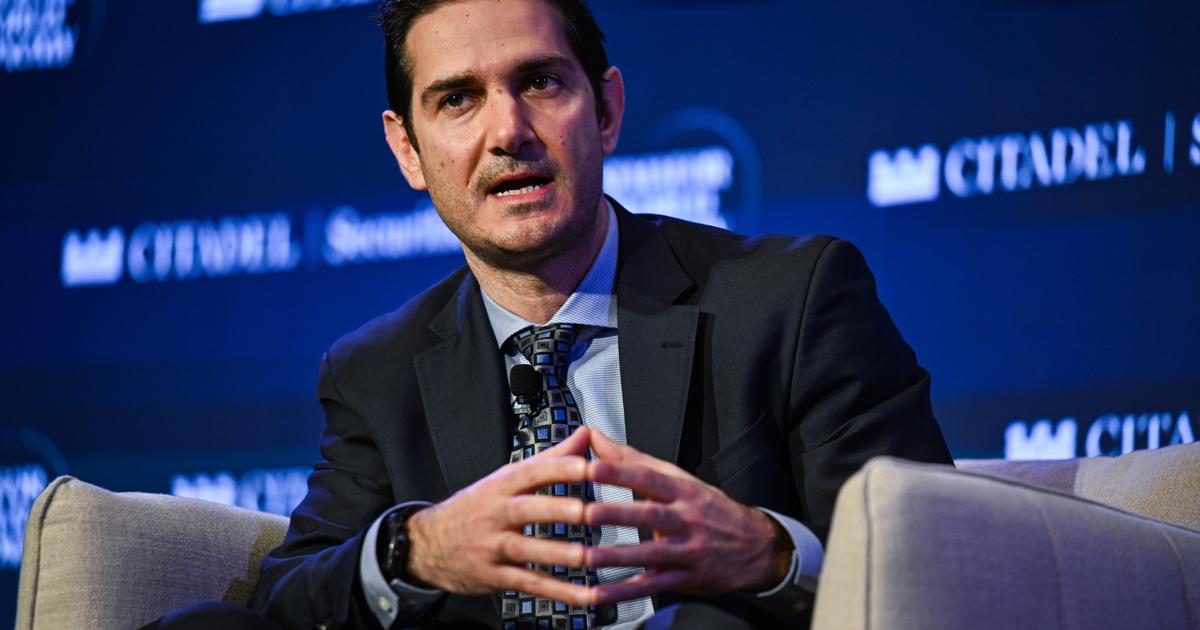
“We’re undertaking a massive experiment in real time, and I don’t think there’ll be any putting the milk back in the bottle,” Michael Greenstone, who directs the University of Chicago institute that collaborated on the survey, told the AP. asserted
that → undertake → AP
“Change is scary, and I think some of that is being reflected here.” asserted
some → think → that

💬Give feedback
🕘History 🎫Support