Top Democratic strategists huddled in Washington, D.C. over the weekend to try to chart a path forward on one of the hottest political topics in the country: artificial intelligence.
asserted
strategists → huddle → country
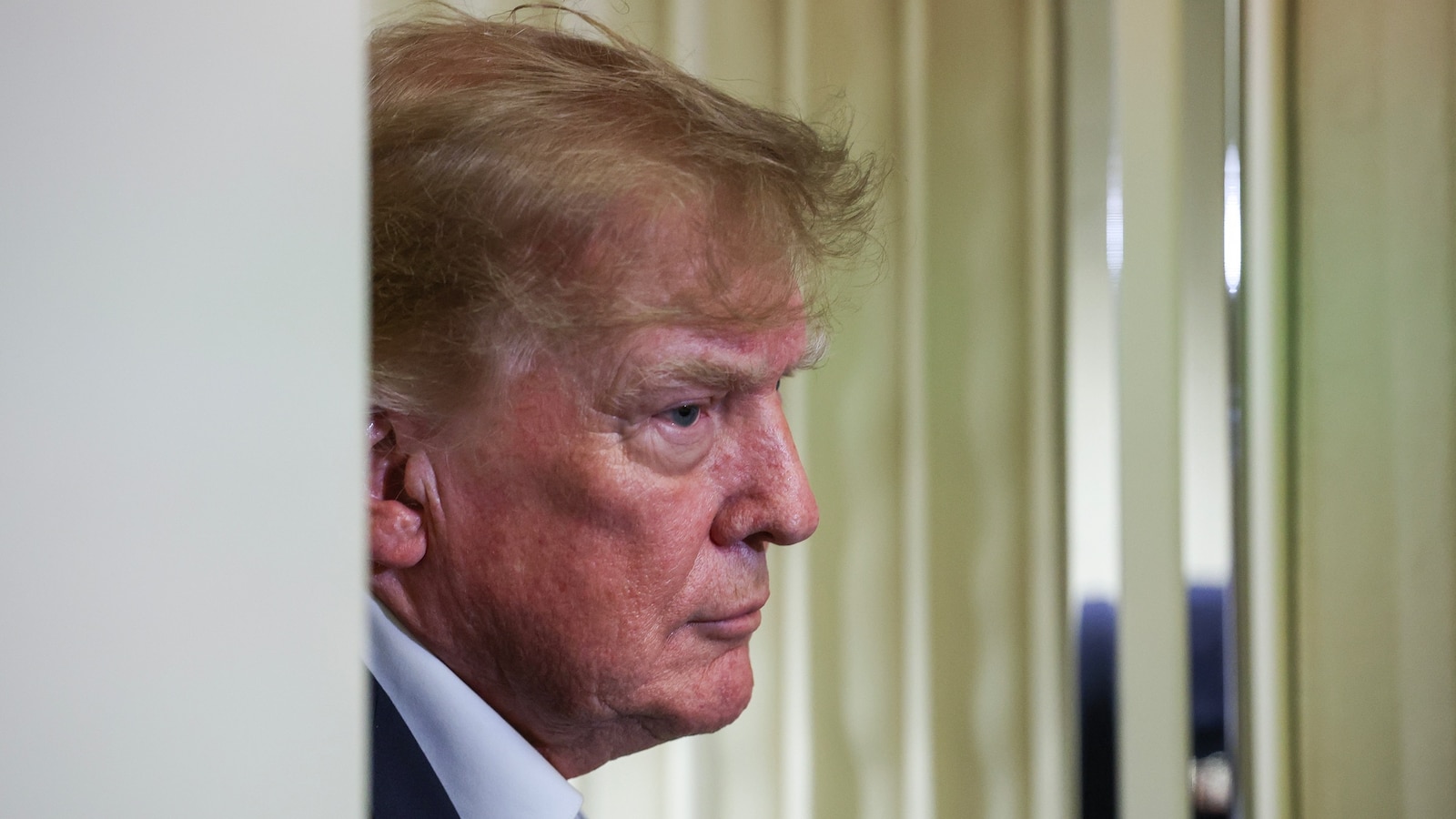
While President Donald Trump and, to a lesser extent, vice president and likely 2028 Republican presidential nominee JD Vance have leaned into building America into a global AI power player, Democrats are increasingly taking the opposite stance.
asserted
Democrats → lean → stance
This weekend’s summit, convened by top advisers to former Vice President Kamala Harris’s 2024 campaign, comes as the conversation on AI has pivoted away from the affordability debate and toward safety concerns.
asserted
conversation → convene → concerns
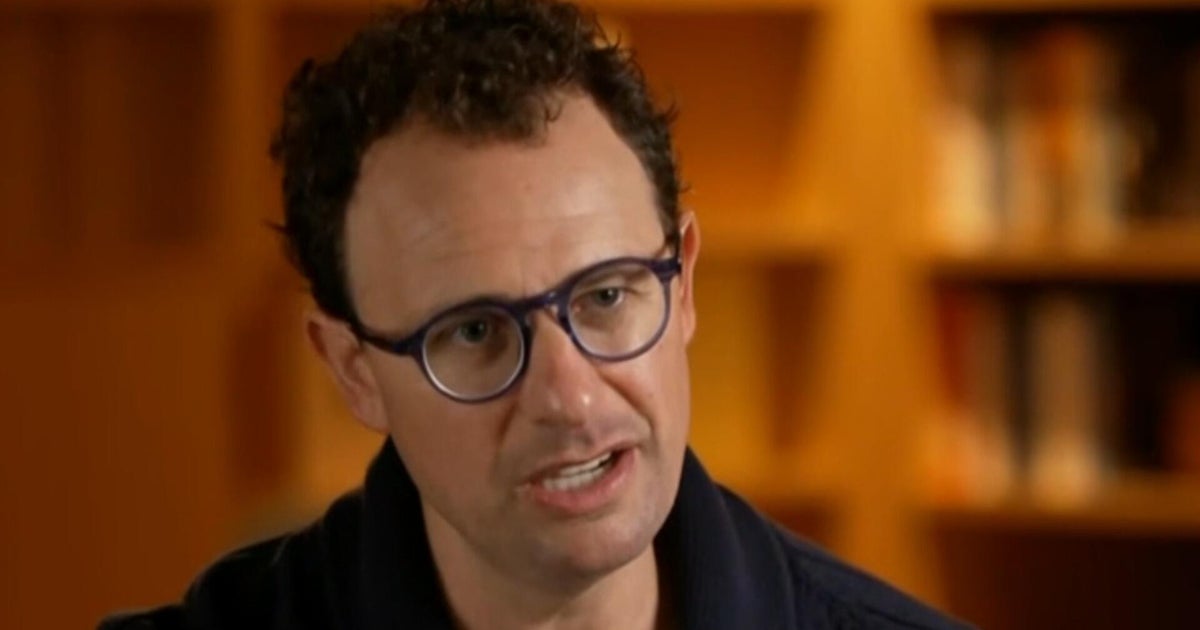
The event was held just days after former Anthropic researcher Jacob Coxon resigned and blew the whistle on “out-of-control” AI models, which he claimed that executives at top AI firms believe are actively capable of wiping out the human race.
asserted
executives → hold → race
Two Democratic heavyweights, former President Barack Obama and Sen. Bernie Sanders (I-VT), are also positioning the party to make AI a major issue in the 2026 election cycle and beyond.
asserted
AI → position → cycle
Obama warned during a midterm election fundraiser last week that Democrats must develop an aggressive party line on the industry, while Sanders is taking even more drastic steps.
asserted
Sanders → warn → steps
He recently introduced the Ban Artificial Intelligence Act, which, among other things, would fine and jail AI executives who knowingly pursue “superintelligence” without guardrails and put a temporary ban on developing hyper-advanced AI models without additional regulatory guardrails.
asserted
who → introduce → guardrails
Still, most potential 2028 Democratic nominees have avoided Sanders’s hard-line position.
asserted
nominees → avoid → position
Here’s what to know about the 2028 Democratic hopefuls and their stances on AI:
asserted
Here → ’ → AI
Ro Khanna
Rep. Ro Khanna (D-CA), who represents Silicon Valley, is the sole 2028 contender who has outright endorsed Sanders’s proposed ban on superintelligence models and has frequently suggested that the negative impact AI could have on society far outweighs the potential economic gains.
uncertain
AI → represent → gains
Khanna, an economic populist, has repeatedly called on Congress to regulate the industry, including standing up an AI-specific regulatory agency.
asserted
Khanna → call → agency
He further wants to mandate that all new AI models include backdoor entry points for developers to take them offline in the event of rogue machine-learning and operations.
asserted
developers → want → learning
Khanna has also argued that a critical safety component is enhanced dialogue with China, as Washington and Beijing continue racing to become the global AI leader.
asserted
Washington → argue → China
Rep. Alexandria Ocasio-Cortez (D-NY)’s AI concerns focus primarily on the impact the technology would have on the workforce, the increased costs data centers are posing to consumers, and the heavy lobbying fees AI companies are racking up to influence lawmakers.
asserted
companies → focus → lawmakers
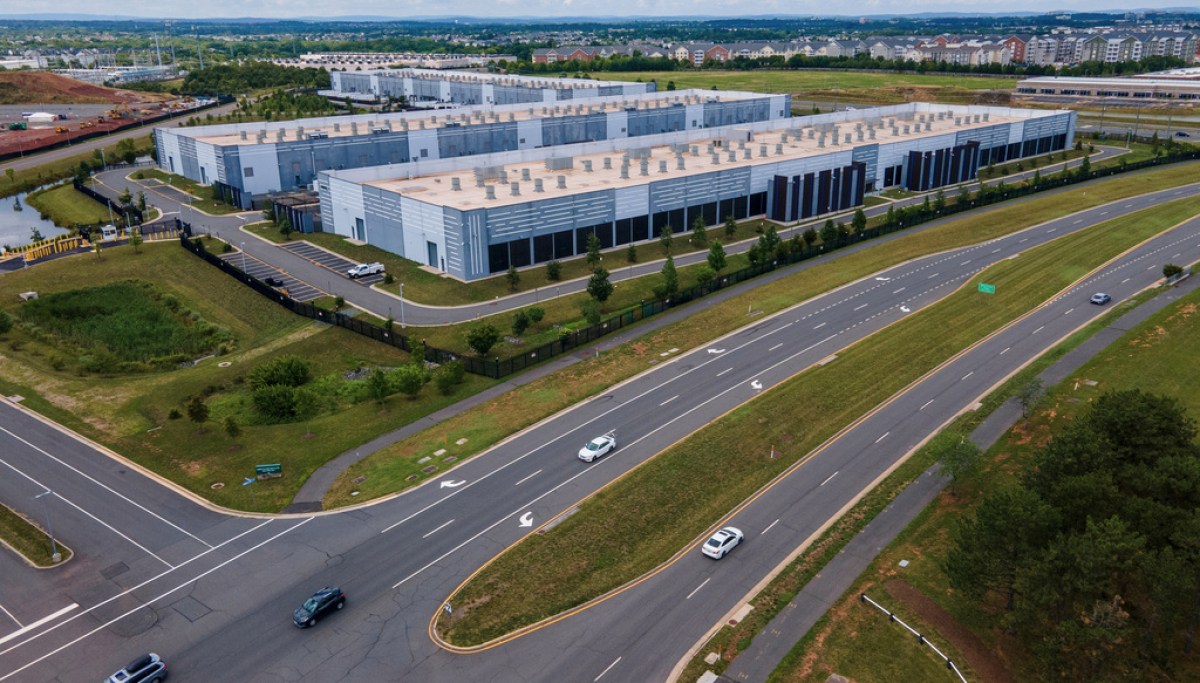
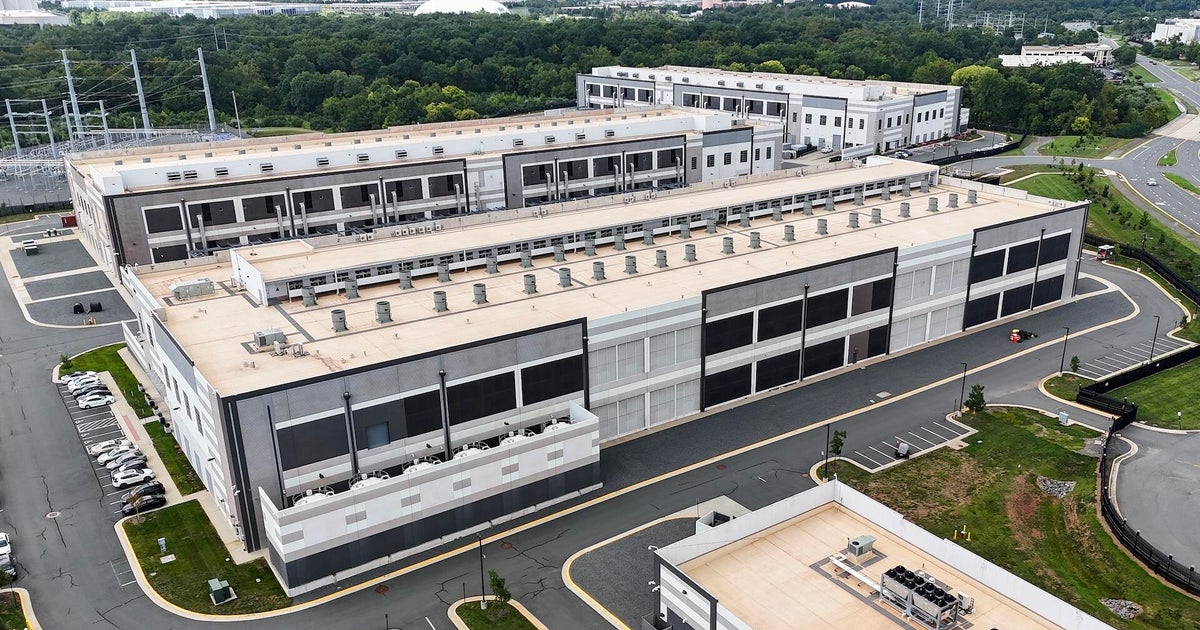
Over the summer, Ocasio-Cortez introduced the AI Data Center Moratorium Act, a companion bill to one introduced by Sanders in the Senate.
asserted
Cortez → introduce → Senate
The bill would temporarily ban the construction of new data centers until the federal government moves to regulate the industry.
asserted
government → ban → industry
Ocasio-Cortez also frequently discusses privacy concerns associated with AI, as more and more industries begin working models into their handling of consumer data.
asserted
industries → discuss → data
Last year, she introduced bipartisan legislation aimed at shutting down the proliferation of AI-created, nonconsensual pornography.
asserted
she → introduce → pornography
Gov. Josh Shapiro (D-PA) has taken the sharpest turn on AI of all the 2028 contenders, moving from a staunch advocate who welcomed AI companies into the state to a tough regulator in a little over a year.
asserted
who → take → year
In 2025, Shapiro successfully worked with Amazon to stand up two new data centers in Pennsylvania, arguing that the projects would bring thousands of jobs to the commonwealth.
asserted
projects → work → commonwealth
However, in August of 2026, he signed an executive order placing staunch restrictions on new AI projects.
asserted
he → sign → projects
To build new data centers in Pennsylvania, AI companies are now required to offset their utility use and abide by state environmental regulations.
asserted
companies → build → regulations
They are also required to sign new, individualized agreements with the local governments representing communities where projects are located.
asserted
projects → require → communities
Gov. Gavin Newsom (D-CA) has not gone as far as some of his fellow 2028 hopefuls when it comes to sounding the alarm on AI.
asserted
it → go → AI
The second-term governor partnered with Anthropic earlier this year to develop new tools for the state government and launched a number of incubator projects aimed at fostering California’s own role as a domestic AI leader.
asserted
governor → partner → leader
Still, Newsom has taken some moves aimed at restricting the use of certain AI technologies.
asserted
Newsom → take → technologies
Earlier this month, he signed Adam’s Law, legislation restricting access to some AI technologies for children and placing new penalties on AI companies producing sexually-explicit materials or found liable for AI-linked harmful outcomes.
asserted
he → sign → outcomes
Sen. Jon Ossoff (D-GA) began rapidly escalating his criticisms of AI this spring while campaigning for reelection in Georgia.
asserted
Ossoff → begin → Georgia
In April, he pressed the Federal Energy Regulatory Commission for information regarding data center utility rates and the negative downstream impact on consumers, and in August, he opened a Senate inquiry into the impact AI has on young children.
asserted
AI → press → children
Furthermore, during a Sunday campaign event, Ossoff took a shot at Trump, Republicans, and Democrats alike for failing to regulate AI, even as engineers and developers continue to warn of potential negative outcomes.
asserted
engineers → take → outcomes
“An ancient establishment barely capable of email sleepwalks into a technological revolution while the president dismantles precautions and calls us fools for worrying,” he stated.
asserted
he → dismantle → us
“A capable president would move swiftly to secure and reassure the American people.”
asserted
president → move → people
Like fellow governors Newsom and Shapiro, JB Pritzker (D-IL) has both moved to entice data center construction in Illinois and cracked down on AI companies in recent months.
asserted
Pritzker → move → months
In 2019, Pritzker signed a state law providing tax breaks and other incentives for AI companies, leading to the construction of hundreds of data centers in the state in the ensuing year.
asserted
Pritzker → sign → year
But this summer, Pritzker signed a second law specifically targeting AI companies that make more than $500 per year, subjecting them to mandatory third-party safety audits and requiring regular threat assessment updates.
asserted
that → sign → updates
Kamala Harris
Harris has generally avoided publicly commenting on the AI debate since leaving office in January 2025, but she was a top voice promoting former President Joe Biden’s AI platform during their term.
Harris, as vice president, held multiple White House meetings with AI executives and championed privacy concerns as the Biden administration laid the groundwork for Trump’s AI revolution.
asserted
administration → avoid → revolution
Harris, who was born in Oakland, California, maintains deep ties to Silicon Valley.
asserted
who → bear → Valley
Before winning her U.S. Senate seat representing California, she served as the state’s attorney general and, before that, the district attorney for San Francisco.
asserted
she → win → Francisco
Former Transportation Secretary Pete Buttigieg has, like Harris, has largely avoided commenting on the AI debate following the close of his tenure in the federal government.
asserted
Buttigieg → avoid → government
He weighed in on the topic over the weekend during an appearance on NBC’s Meet the Press, where he called for new federal regulations and criticized House Speaker Mike Johnson (R-LA) for suggesting that AI companies should be solely responsible for addressing safety concerns, not the government.
asserted
companies → weigh → government
…and 4 more, not listed.
 The Aporia