The Ultrawealthy Produce More Carbon Pollution Than Nearly Half of Humanity

Read the original at TIME ↗
Cite

Shah, S. (2026, October 27). The Ultrawealthy Produce More Carbon Pollution Than Nearly Half of Humanity. TIME. https://time.com/article/2026/10/27/carbon-emissions-ultra-rich-oxfam-report/

Dated from the outlet's own feed. Check the original for its byline.

TIME · collected 2026-10-27 · by Simmone Shah

Quick Summary

Oxfam’s new report reveals that the world's richest 1%, amounting to just 8 million people with an average annual income of $442,000, produce more carbon emissions than nearly half of humanity combined. Specifically, someone in the top 0.1% emits 48 times more CO2 annually than the average U.S. citizen. The study attributes this disparity to factors like private jet usage and investments in polluting industries, emphasizing that these individuals are both contributing significantly to climate change while largely insulated from its impacts.
Written locally by qwen2.5:14b on 2026-10-27, using this article's own text rather than the other coverage of the same event (that is the story summary below).

AI analysis runs on qwen2.5:14b, locally

Story summary

According to a new report published on October 27, 2026, by Oxfam, the ultrawealthy are responsible for more carbon pollution than over half of humanity. The report finds that someone in the richest 0.1% living in the U.S., making an average of $1.98 million a year, emits more CO2 in just under four months (118.3 days) than what someone in the poorest half of the country, earning an average of $25,600 a year, has emitted over the last 30 years. Rachel Carle, senior advisor on climate justice at Oxfam America, notes that the ultra-rich contribute disproportionately to creating the climate crisis while being insulated from its impacts and profiting off resulting disasters. The report also states that the world’s richest 1%—about 8 million people making an average of $442,000 a year—produce far more emissions than the poorest 3.5 billion people globally. This disparity highlights the urgent need to address climate justice and reduce carbon emissions from high-income groups.

Written for “Carbon Emissions By Wealthiest” on 2026-10-28, grounded in this article and the 0 other(s) covering the same event.
Why this leaning score
The article's own words the score was based on. Each is quoted verbatim and was checked against the article text before being stored, so you can find it in the original.
Reading Leans left (beta estimate) Confidence medium
Leaning: leans left for article 109216 (medium confidence, 1 verified quote) · logged 2026-10-27

Story

📰 Carbon Emissions By Wealthiest
Environment · 1 article(s) covering the same event.

Compared with similar articles

Nothing to compare against. No article is close enough to this one for the pipeline to have linked or judged the pair.
How this article was measured signals, leaning charts, publisher record, byline, topics and claims

Signals How these are calculated →

Claims extracted
29
sentences that state something as happening or true
Uncertain
14%
4 of 29 hedged ("reportedly", "may", "according to")
Leaning
Leans left
of the writing, not the subject · beta estimate
Publisher signals
59/100
TIME's corrections and hedging, across everything collected from it. Not a measure of accuracy.
Outlets on this story
1
Environment
Same framing elsewhere
1
articles that frame the event the way this one does
Analyzed 2026-10-27 · how these are computed

How this is being covered How these are calculated →

Article leaning vs. publisher reliability
Source leaning vs. consistency

Publisher

TIME · 735 article(s) · 2 correction(s) detected
Running correction rate · 2 correction(s)

Who wrote this

Simmone Shah
10 article(s) here · 1 carrying a prediction
🔮 Combined, all of the world’s private jets emit more in 2 seconds than someone in the world’s poorest 50%, those annually making an average of $1,500, would emit in a year.
🔮 Doing so would provide a greater chance at avoiding the worst impacts of climate change.
🔮 The researchers warn that the rate of global warming appears to have accelerated, from about 0.05°C per decade between 1880 and 1970 to roughly 0.36°C per decade between 2010 and 2024—and the 2°C threshold meant to limit planetary damage could be reached before 2050 they warn.
🔮 Currently a strong Category 2 hurricane, Isaias could reach Category 3 before making landfall sometime in the next two days.
🔮 Trump was responding to being asked why many thought the war in Iran would be over in four to six weeks.
🔮 The storm could stall near the coast between New Jersey and Long Island, prolonging strong winds, rain, and coastal flooding in the area—leaving northern New Jersey, New York City, Long Island, and southern New England facing some of the storm's strongest winds, heaviest rain, and coastal flooding.
2026-09-25 · assertive framing · How Does Climate Change Impact Nor'easters?
🔮 About 6 in 10 Americans said they would support limiting the number of new data centers that can be built—including most Democrats and Republicans—the survey found.
🔮 The weather event is expected to impact global temperatures and rainfall, and could increase the risk of extreme weather events in some parts of the world.
🔮 Some places might accept plastics 4 and 5 (think a yogurt container or plastic straw.)
🔮 Earlier this month, federal officials announced sharp cuts in how much water Arizona, California and Nevada would be allowed to take from the Colorado River over the next two years as the water levels for the nation's two largest reservoirs reach record lows.
Also by Simmone Shah
Nothing else under this byline is closely related to this article, so these are simply their most recent.
All 10 articles by Simmone Shah →

Topics

Oxfam Oxfam America U.S. the Stockholm Environment Institute the United Nations

Subjects

U.S. GPE · 6× Oxfam ORG · 2× Carle PERSON · 1× China GPE · 1× Oxfam America ORG · 1× Rachel Carle PERSON · 1× the Stockholm Environment Institute ORG · 1× the United Nations ORG · 1×

Narrative

The report finds that, in just under four months (118.3 days), someone in the richest 0.1% living in the U.S., those making an average of $1.98 million a year, emits more CO2 than what someone in the poorest half of the country (those making an average of $25,600 a year), has emitted over the last 30 years.
framing: assertive · carried by 1 article(s) · first seen 2026-10-27
🔮 Combined, all of the world’s private jets emit more in 2 seconds than someone in the world’s poorest 50%, those annually making an average of $1,500, would emit in a year.

Claims (29 extracted, 4 hedged)

The ultrawealthy are responsible for more carbon pollution than more than half of humanity, according to a new report published Monday by Oxfam, a global organization fighting against inequality. uncertain
ultrawealthy → accord → inequality
“We are seeing the ways that the ultra rich in the U.S. and around the world contribute disproportionately to creating the climate crisis,” says Rachel Carle, senior advisor on climate justice at Oxfam America. asserted
Carle → see → America
“They are also insulated from the impacts of the climate crisis, and are profiting off of the disasters that they have created.” asserted
they → insulate → that
Billionaires and the ultra-rich are burning more carbon than than most of the world. asserted
Billionaires → burn → world
The world’s richest 1%—just 8 million people who make, on average, $442,000 a year— asserted
who → make → 442,000
produce far more emissions than the poorest 3.5 billion, states the report. asserted
report → produce → billion
Someone in the richest 0.1% emits 48 times more CO2 than the average person in the U.S. over the course of a year. asserted
Someone → emit → year
Oxfam used climate attribution models and a consumption-based emissions dataset developed by the Stockholm Environment Institute to calculate emissions by income group. asserted
Oxfam → use → group
Keeping emissions in check is a key part of addressing the climate crisis. asserted
Keeping → keep → crisis
This month, the United Nations warned that, in order to keep warming below 2°C, urgent action must be taken to drastically reduce global emissions by 18% by 2030. asserted
action → warn → 2030
Research has long shown that wealthier countries drive a disproportionate share of global emissions. asserted
countries → show → emissions
But emissions disparities exist within countries as well. asserted
disparities → exist → countries
The report finds that, in just under four months (118.3 days), someone in the richest 0.1% living in the U.S., those making an average of $1.98 million a year, emits more CO2 than what someone in the poorest half of the country (those making an average of $25,600 a year), has emitted over the last 30 years. asserted
someone → find → years
The U.S. has the highest concentration of private jet use—with the majority of all private jets (68%) taking off from the U.S. asserted
majority → have → U.S.
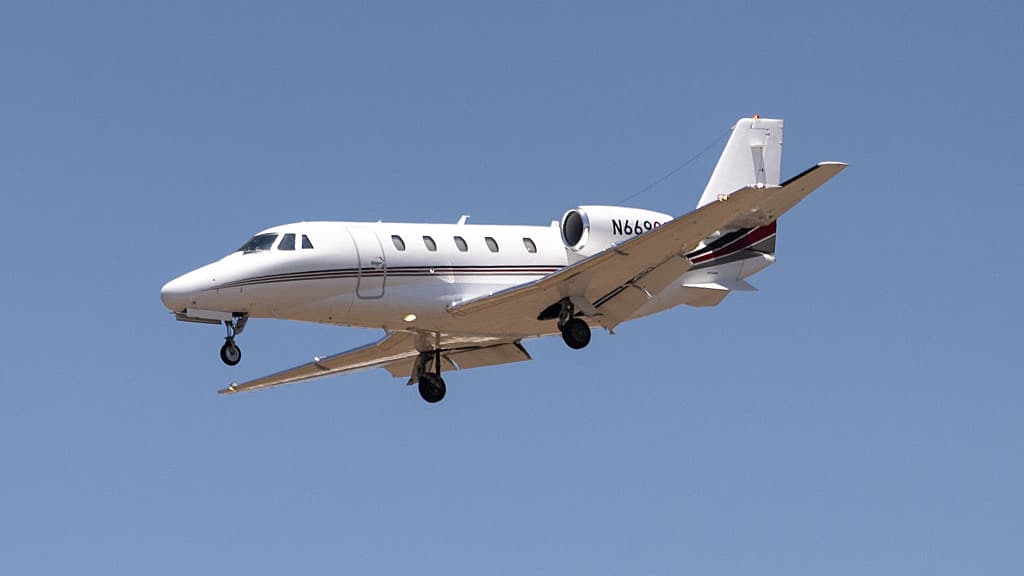
Combined, all of the world’s private jets emit more in 2 seconds than someone in the world’s poorest 50%, those annually making an average of $1,500, would emit in a year. asserted
someone → combine → year
According to the report, last year private jets spent more than 6.5 million hours in the air. uncertain
jets → accord → air
“We see that the ultrarich consume differently than everyday people,” says Carle, who adds that the ultrarich are also far more likely to invest in polluting companies. asserted
ultrarich → see → companies
A list of 217 companies that “profit from either creating climate disasters, preparing for them, or recovering from them,” analyzed in the report shows they made $1.8 billion on average in 2025, and paid out more than $1 billion to shareholders. asserted
they → profit → shareholders
This has a direct impact on the climate, the report finds. asserted
report → have → climate
The researchers constructed emissions pathway models to attribute the emissions of different income groups, and found that the richest 1% are responsible for 20% of global warming since 1990—20 times more than their share of the world’s population. asserted
% → construct → population
Someone from the richest 1% contributed 34 times more than the average person to extreme heat events, the report states, and one year's worth of emissions from the richest 1% will cause an estimated 1.9 million excess heat deaths. asserted
worth → contribute → deaths
Yet, the ultrawealthy are less likely to face the impacts of their emissions. asserted
ultrawealthy → face → emissions
Those with lower incomes are significantly more likely to suffer from the impacts of climate disasters and extreme weather events—and often lack the funds to recover from disasters. asserted
Those → suffer → disasters
Wealthy individuals, on the other hand, are more likely to live in safer locations or have the funds to ride out a disaster—purchasing private resources, like firefighters and generators, or paying a premium for emergency shelter. asserted
individuals → live → shelter
The authors suggest taxing the emissions of the super-rich. asserted
authors → tax → rich
This could be done through taxes on high-emitting luxury items and activities, like private jet use, to disincentivize their use, suggests the report, or via windfall taxes on profits from fossil fuel companies. uncertain
report → do → companies
The report envisions that these taxes could be used to help level the playing field when it comes to climate adaptation, like increasing climate financing in the Global South, or investing in adaptation measures around the world. uncertain
it → envision → world
“We hope that people take away that there are a lot of opportunities to address inequality in ways that protect the planet and protect communities,” says Carle. asserted
Carle → hope → communities
“Polluters need to pay for the harm that they’ve caused.” asserted
they → need → that

💬Give feedback
🕘History 🎫Support