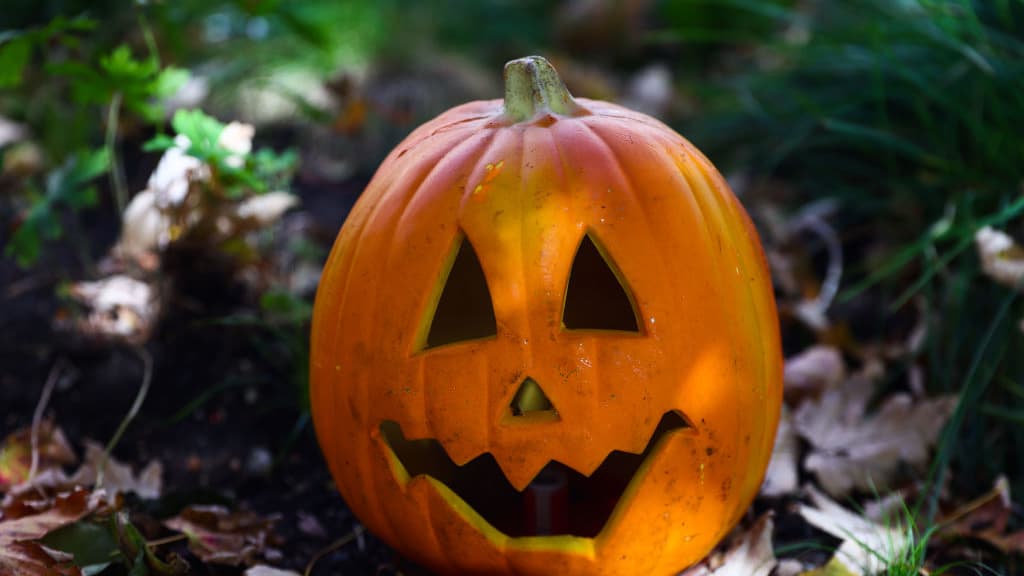
When confronted with a rotting, deflating carved pumpkin, your first instinct might be to beeline to the trash as quickly as possible.
uncertain
instinct → confront → trash
But experts caution against doing so—warning that trashing pumpkins, and thus sending them to landfill, can release harmful greenhouse gases into the atmosphere.
asserted
trashing → caution → atmosphere
“Everybody throws them out from Halloween to right after Thanksgiving,” says Kay McKeen, executive director at Scarce, an environmental education non-profit.
asserted
McKeen → throw → Scarce
“It's a huge burst of methane gas that's going into the landfill all at one time.
asserted
that → go → time
Why shouldn’t you trash your pumpkin?
asserted
you → trash → pumpkin
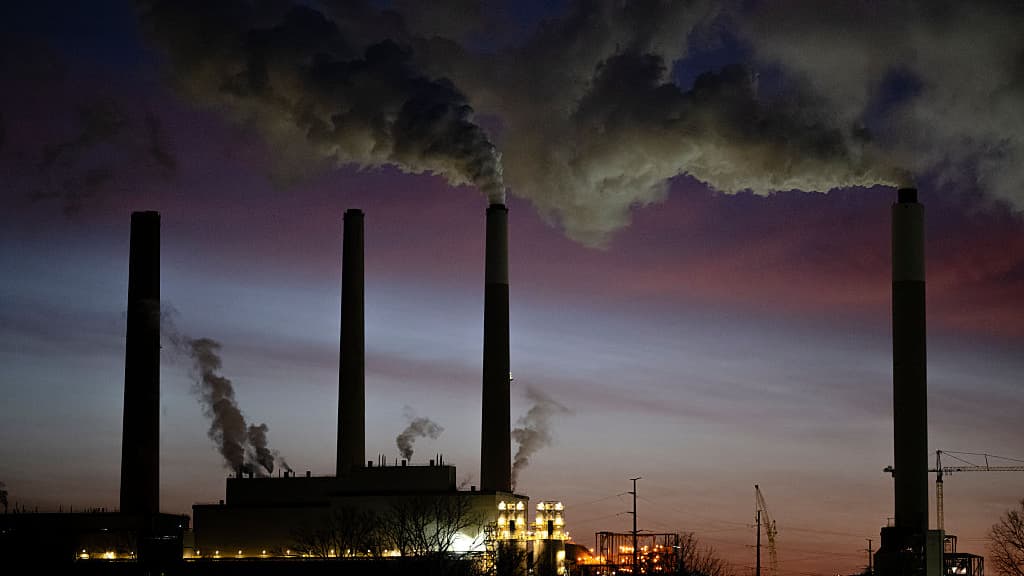
When pumpkins are sent to landfill, they release methane, a potent greenhouse gas that, over a 20 year period, is around 80 times more powerful at trapping heat in the atmosphere when compared to carbon dioxide.
asserted
that → send → dioxide
The lack of oxygen in landfills causes pumpkins to rot “anaerobically,” which releases methane.
asserted
which → cause → methane
They are also full of water, and when they mix with waste and moisture it creates leachate, a toxic sludge that can pollute the environment.
asserted
that → mix → environment
Though a single pumpkin might not do much damage, if you consider how many pumpkins are trashed each autumn, it adds up.
uncertain
it → do → damage
“Maybe if we had a handful of pumpkins going into that waste stream, that might be one thing,” says Chris Enroth, horticulture educator with the University of of Illinois Extension, which organizes annual “Pumpkin Smash” events to help people recycle and compost old jack-o'-lanterns and pumpkins.
uncertain
people → have → o'-lanterns
“But we have millions of people who buy multiple pumpkins.
asserted
who → have → pumpkins
We're talking about hundreds of millions of pumpkins that need to be disposed of post Halloween, and it's just a massive amount of organic material that goes into the landfill system.
asserted
that → talk → system
How do I get rid of my pumpkin?
asserted
I → rid → pumpkin
Composting sidesteps many of the harms that come with sending food waste, like pumpkins, to landfill.
asserted
that → sidestep → landfill
“When we compost something, it's really a whole system that we're creating that introduces both water and oxygen, [and uses] microbes, bacteria, fungi, all the little decomposers,” says Enroth.
asserted
Enroth → compost → microbes
“When we introduce those things, we get that aerobic composting process, so we don't produce methane, and we're able to turn those pumpkins back into organic matter that has nutrients and can be put back out into the garden.
asserted
that → introduce → garden
If you have a curbside compost bin or designated compost for your apartment building, you can throw it there.
asserted
you → have → it
Some areas even organize dedicated events for residents to drop off old pumpkins.
asserted
residents → organize → pumpkins
Since starting “pumpkin smashes” in 2014, Scarce and Illinois Extension have saved over 1,600 tons of pumpkins from landfill.
asserted
Scarce → start → landfill
Don’t leave your pumpkin out for animals to eat or dump it in a park—they can be harmful to wildlife.
asserted
they → leave → wildlife
While pumpkins are generally safe for most wildlife to eat, some small animals, like hedgehogs, can become sick, different animal species congregating together could increase the risk of disease, and it can attract predators to residential areas.
uncertain
it → eat → areas
As you’re thinking about composting, keep in mind that it’s not just pumpkins that are compostable.
asserted
that → think → mind
Food is the single most common material sent to landfills in the U.S.—and wasted food is responsible for 58% of landfill methane emissions.
asserted
food → send → emissions
If you’ve been thinking about starting your own home compost, now is the best time to do it, says Enroth.
asserted
Enroth → think → it
“We often recommend to folks thinking about starting a compost pile, to try it in the fall because we usually have leaves, grass clippings, things to get that pile started.
asserted
pile → recommend → leaves
And you could incorporate that pumpkin into that compost pile,” he says.
uncertain
he → incorporate → pile
“It's a really good combination of materials for you to get compost out of it next year.”
asserted
you → get → it
 The Aporia