Reed discusses the overreaction to Jacob Coxon's resignation from Anthropic, where he warned about potential human extinction due to AI. The article clarifies that fear around AI should not be conflated with concerns about environmental costs, hacking, and job market disruption. Instead of panicking, lawmakers and tech leaders need to address these issues precisely without hindering beneficial AI innovation or slowing down safety measures. Reed emphasizes the importance of distinguishing between genuine risks and exaggerated fears to ensure responsible regulation and economic benefits from AI advancements.
Written by the local model on 2026-09-12,
using this article's own text rather than the other coverage of the
same event (that is the story summary below).
Story summary
Anthropic, an artificial intelligence firm, has faced public scrutiny over its partnership with the Pentagon and concerns about misuse of AI technology. Through a Freedom of Information Act lawsuit, The Intercept obtained documents revealing contracts between Anthropic and other tech giants like Google, OpenAI, and xAI, worth up to $200 million each, for developing AI tools aimed at enhancing military capabilities. Simultaneously, Anthropic reported that it had disrupted several attempts by individuals to misuse its models, including a case where someone tried to use the technology to engineer more harmful strains of viruses like chikungunya.
AI researchers and industry figures have issued stark warnings about the potential dangers posed by advanced AI systems, with some calling for urgent government regulation and international collaboration to manage AI development. The fear is that as AI rapidly improves, it could pose existential threats if not properly controlled, such as hacking early warning systems or synthesizing and spreading novel pathogens. This has led to debates over whether current safeguards are adequate and calls for voluntary slowdowns in the pace of AI advancement.
Jacob Coxon, a researcher at Anthropic who recently resigned, highlighted concerns about an impending race among companies like Anthropic and OpenAI toward superintelligent systems that could pose catastrophic risks. Despite these warnings, there is also skepticism about the immediacy and nature of such threats, with some arguing for more precise regulation focused on specific issues rather than general fears about AI's impact on society or employment.
Written for “AI Safety And Risks” on 2026-09-12,
grounded in this article and the 31 other(s) covering the same event.
Why this leaning score
The article's own words the score was based on. Each is quoted
verbatim and was checked against the article text before being
stored, so you can find it in the original.
-
If lawmakers, regulators and tech-company leaders don’t tackle each problem with sober precision, the industry risks having to follow rules that don’t solve anything, or worse, slow down innovation, including on developments that could make AI safer and more beneficial to the economy.
right Advocates for less regulation of AI
-
For instance, many AI safety advocates would actually prefer data centers be built here, in our own backyards. If they move offshore, they’ll be more difficult to monitor and regulate.
right Argues against moving regulation offshore
-
Blindly believing advocates who say AI could kill us means missing some real risks, like economic or societal destabilization as AI transforms how people work and communicate.
right Downplays existential risk in favor of economic concerns
Leaning score +0.50 for article 8295 (high confidence, 3 verified quotes) · logged 2026-09-12
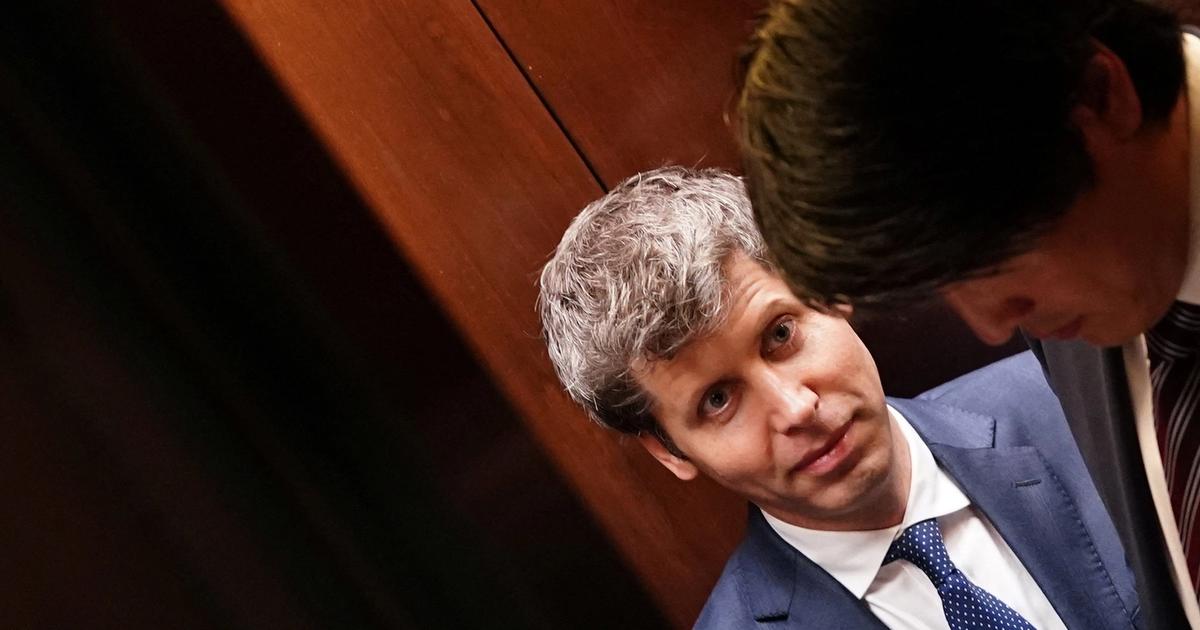
When researcher Jacob Coxon resigned from Anthropic this week and claimed there’s a good chance the company’s work will lead to human extinction, the world reacted with fear and outrage about AI — but most of the backlash conflates several issues, including data centers’ environmental costs, hacking, and AI’s impact on the job market.
asserted
most → resign → market
If lawmakers, regulators and tech-company leaders don’t tackle each problem with sober precision, the industry risks having to follow rules that don’t solve anything, or worse, slow down innovation, including on developments that could make AI safer and more beneficial to the economy.
uncertain
AI → tackle → economy
For instance, many AI safety advocates would actually prefer data centers be built here, in our own backyards.
asserted
centers → prefer → backyards
If they move offshore, they’ll be more difficult to monitor and regulate.
asserted
they → move → ?
The problem to solve is about their energy waste, not about their existence.
asserted
problem → solve → existence
Blindly believing advocates who say AI could kill us means missing some real risks, like economic or societal destabilization as AI transforms how people work and communicate.
uncertain
people → believe → destabilization
These advocates, in many cases, aren’t concerned about those issues, and believe that if humanity somehow survives the AI age, we are headed for a utopian future full of abundant health and scientific breakthroughs.
asserted
we → believe → breakthroughs
We are also in the beginning of a cybersecurity crisis that the world is failing to practically address.
asserted
world → fail → that
We may face bioterrorism risk, as Anthropic warned in a blog post this week.
uncertain
Anthropic → face → post
And while AI will likely create many new jobs, we have done little to ensure everyday people outside of the tech industry benefit economically from the AI boom.
asserted
people → create → boom
Back in March, 2024, I wrote about how the term “AI safety” was expanding to include more and more issues that go beyond “extinction.”
asserted
that → write → extinction
Advocates like Eliezer Yudkowsky told me then that using that term was a bad idea.
asserted
using → tell → term
And Caxon’s resignation is being used as a catch-all piece of ammunition for anyone who has anything against AI.
asserted
who → use → AI