Claims extracted
18
sentences that state something as happening or true
Uncertain
0%
0 of 18 hedged
("reportedly", "may", "according to")
Leaning
withheld
no quote in the article backed the model's score
Publisher signals
60/100
Semafor's corrections and
hedging, across everything collected from it. Not a measure of accuracy.
Outlets on this story
1
Technology
Same framing elsewhere
1
articles that frame the event the way this one does
The News
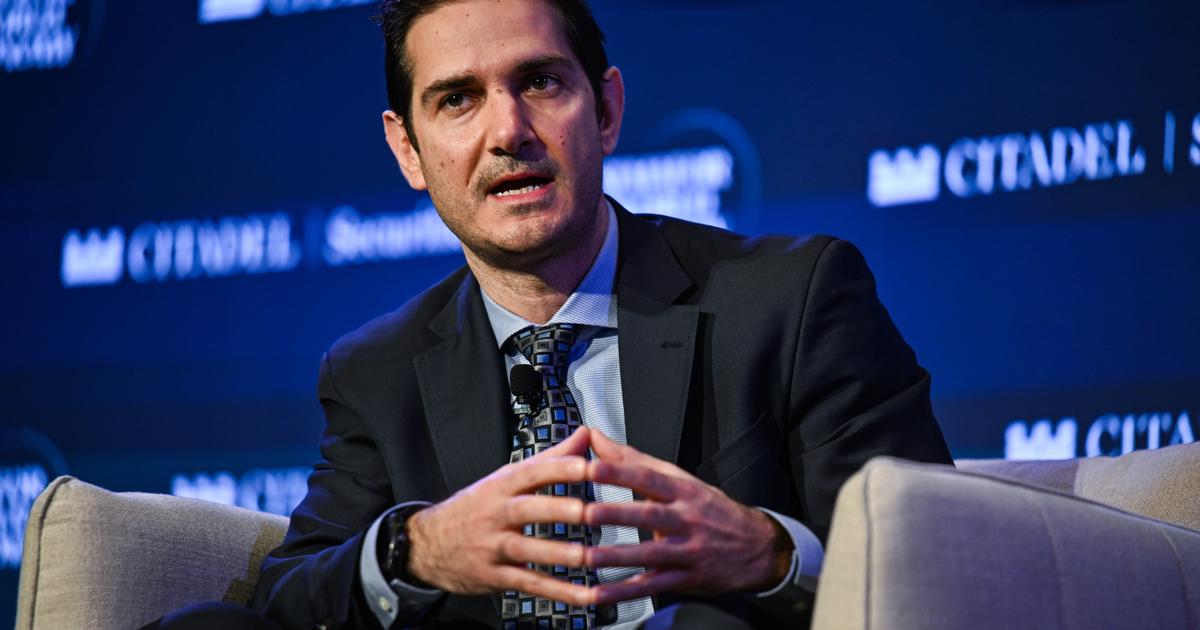
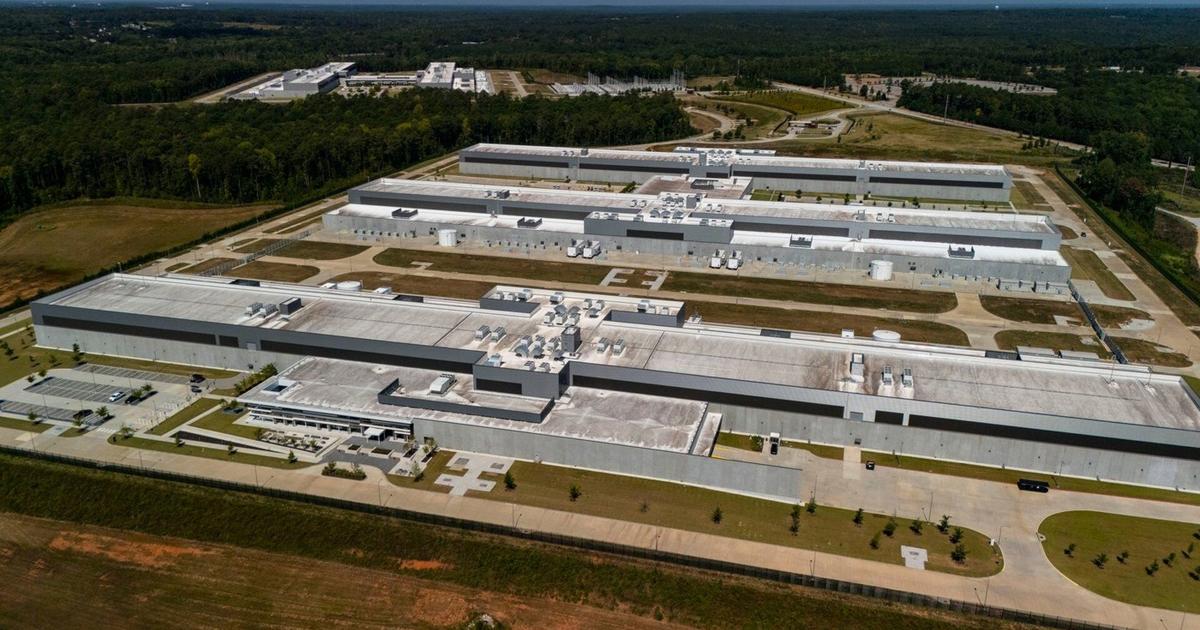
Communities and governments should demand AI data center providers report how much energy they are wasting, rather than put blanket bans on the facilities, the CEO of chipmaker Onsemi told Semafor.
asserted
CEO → demand → Semafor
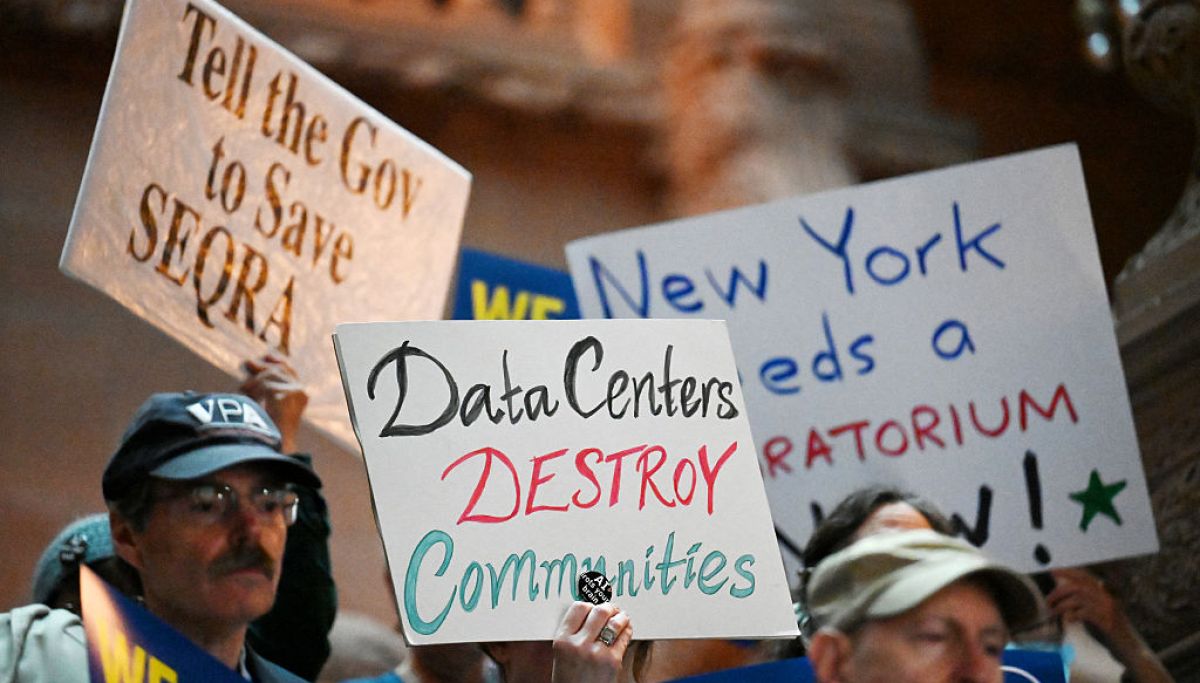
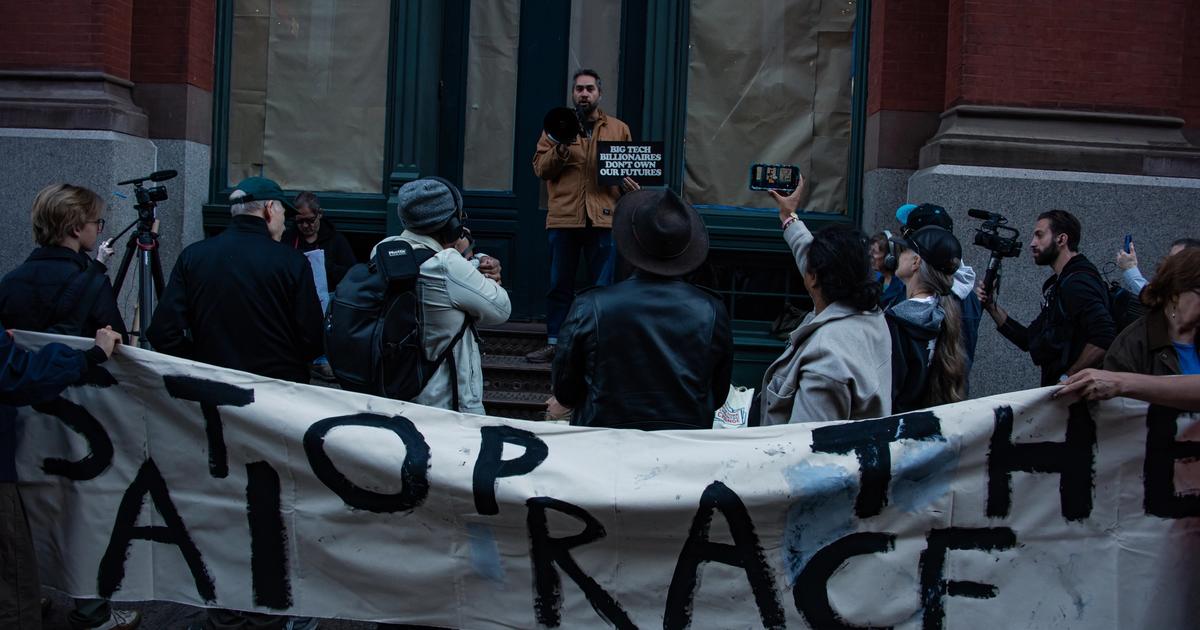
Data center moratoriums like the one enacted in New York are “short-sighted,” Hassane El-Khoury said during a tour of the company’s manufacturing facility in East Fishkill, New York.
asserted
Khoury → enact → Fishkill
Instead, he said, policymakers and critics should identify specific problems they want to address, rather than shun the AI infrastructure buildout as a whole.
asserted
they → say → whole
“A lot of the pushback is coming from a lack of awareness of what the subject matter is and the problem at stake,” El-Khoury said.
asserted
Khoury → come → stake
Onsemi makes power chips, which convert energy surging through data centers, cars, and factories.
asserted
which → make → centers
They essentially act as hyper-fast electrical switches that shrink grid-level power down to the tiny voltage that chips run on.
asserted
chips → act → that
More efficient power conversion reduces the amount of electricity that data centers would otherwise lose as heat, which requires more water to cool servers.
asserted
which → reduce → servers
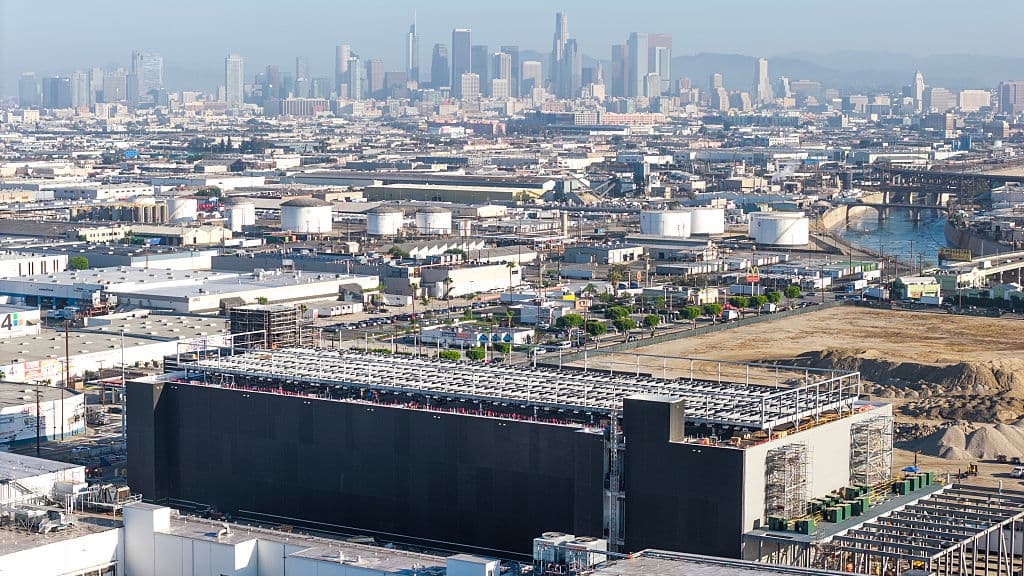
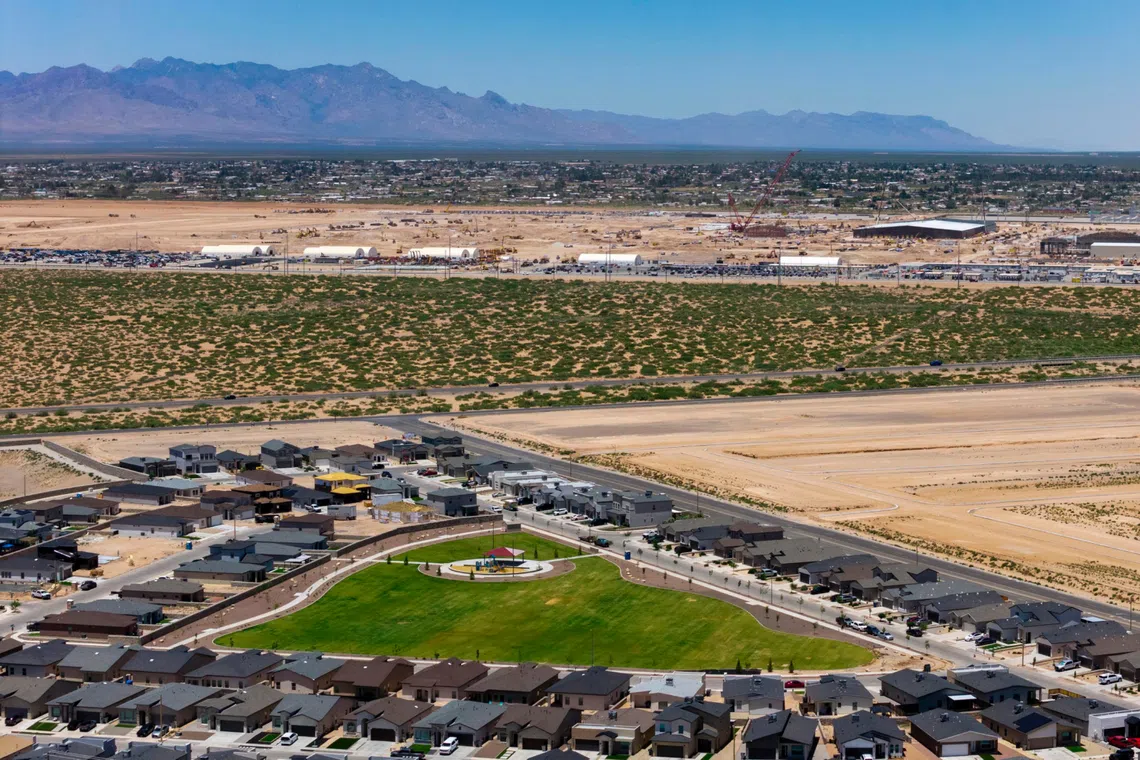
Pushback against data centers has swelled in part because of concerns that they will strain local grids and raise residents’ electricity bills, and drain local water supplies.
asserted
they → swell → supplies
El-Khoury said the company is talking to federal and state lawmakers — starting in Arizona, where Onsemi is based — to discuss energy transparency standards for reporting how much raw energy a data center is consuming and how efficiently it’s using that power.
asserted
it → say → power
For example, if a hyperscaler announces a 1-gigawatt facility, that number typically refers only to how much electricity the facility is designed to consume.
asserted
facility → announce → electricity
A more useful standard, Onsemi argues, would measure how much AI compute it can generate, compared with the amount of power it draws from the grid.
asserted
it → argue → grid
He said public opposition — including the moratorium in New York, where Onsemi’s most advanced facility is located — isn’t slowing down demand for data centers.
asserted
facility → say → centers
“On an earnings call last month, the company, which has a nearly $28 billion market cap, said AI data centers are its fastest-growing business, with revenue expected to more than double this year.
asserted
revenue → have → cap
“I’m not saying you should accept the AI data center right in your backyard,” he said, but “I think any community needs to take a step back and say, ‘Why are we pushing back?’”
asserted
we → say → step
The world is also facing a shortage of power chips, but it doesn’t fully realize it yet, El-Khoury said.
asserted
Khoury → face → it
The need for power chips is “masked” by the ongoing shortages facing memory and compute chips, but once the industry clears those bottlenecks, he warned, people will “wake up” to the fact that challenges surrounding power are “really going to end up hitting the wall…
asserted
challenges → mask → wall
Everything needs more and more power.”
asserted
Everything → need → power
Notable
- Much of the community-level pushback to data centers stems not only from energy concerns, but from mistrust of large corporations and a fear that small towns will get a bad deal, journalist Jasmine Sun wrote last month.
asserted
Sun → stem → deal
 The Aporia