Iran war has cost the US $38bn: How will it impact US economy, politics?

Al Jazeera · collected 2026-09-16 · by Urooba Jamal
Read the original at Al Jazeera ↗

Summary

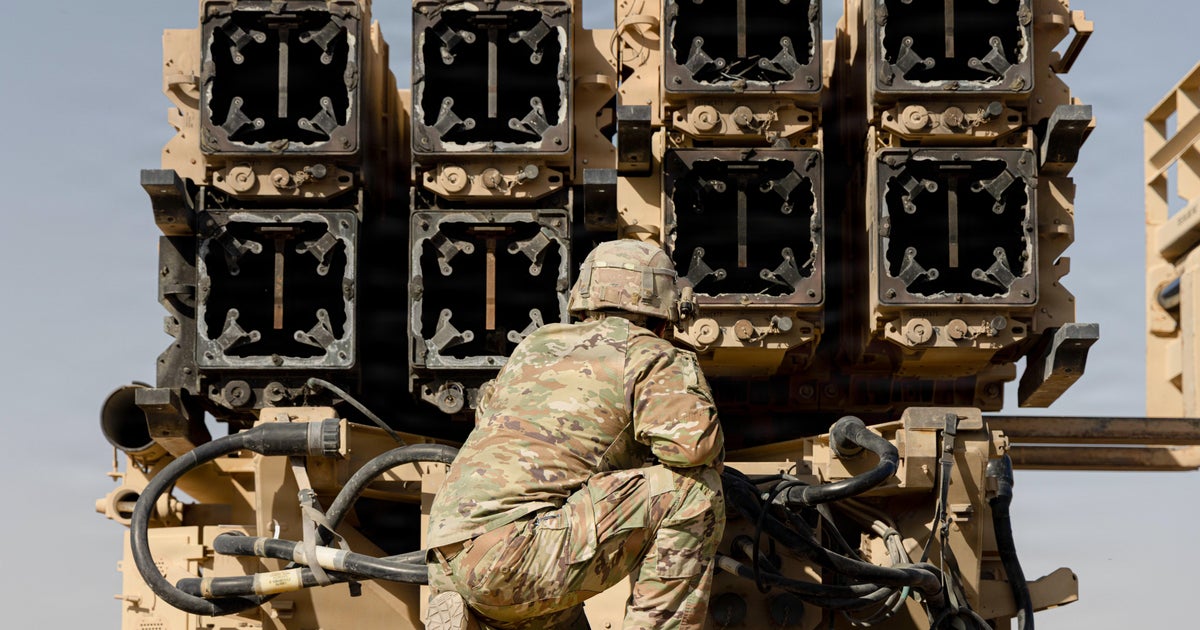
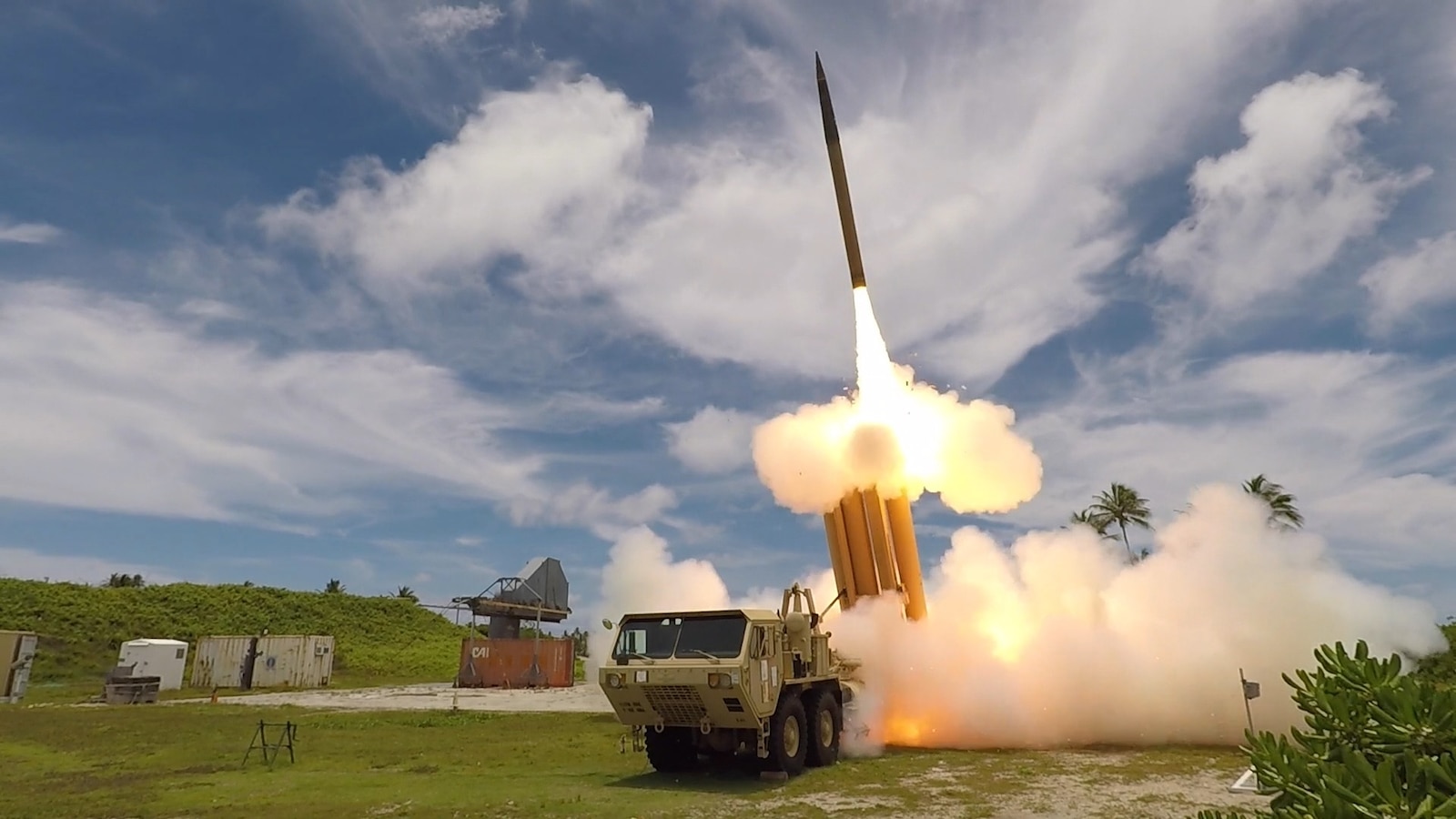
The Congressional Budget Office reported this week that the United States' ongoing war with Iran has already cost $38 billion, with an additional $3 billion per month if the conflict continues. This financial strain includes dwindling munitions stockpiles and potential inflation increases of 0.5 percentage points in the first quarter of 2027. The report highlights concerns over national debt surpassing $40 trillion and weapon shortages that could pose significant security risks, raising domestic political tensions ahead of November's midterm elections.
Written by the local model on 2026-09-16, using this article's own text rather than the other coverage of the same event (that is the story summary below).

Signals How these are calculated →

Claims extracted
54
claim-shaped sentences
Uncertain
15%
8 of 54 hedged
Leaning
Leans left
of the writing, not the subject
Correction & hedging signals
95.8
corrections and hedging in what we collected; not a measure of accuracy
Outlets on this story
5
Economy/Business
Narrative spread
1
articles carrying this framing
Analyzed 2026-09-16 · how these are computed

AI analysis (generated at analysis time, not now)

Story summary

The war between the United States and Iran, which began in late February 2026 following US-Israeli strikes on Iranian targets, has cost $38 billion to date as of August 1, according to a report from the Congressional Budget Office (CBO). The CBO estimates that monthly costs could range between $2 billion and $3 billion, depending on the intensity of ongoing conflicts. This war is driving up inflation in America by over one-third due to reduced oil and gas shipments through strategic straits like the Strait of Hormuz, pushing interest rates higher and making borrowing more expensive for Americans. The conflict has also significantly depleted U.S. weapon stocks, particularly missile defense interceptors, leaving fewer munitions available for potential future conflicts.

Written for “Iran War Costs Usa” on 2026-09-17, grounded in this article and the 4 other(s) covering the same event.
Why this leaning score
The article's own words the score was based on. Each is quoted verbatim and was checked against the article text before being stored, so you can find it in the original.
Score -0.45 Confidence high
Leaning score -0.45 for article 13731 (high confidence, 2 verified quotes) · logged 2026-09-16

Story

📰 Iran War Costs Usa
Economy/Business · 5 article(s) covering the same event. This is the one the site leads with.

How this is being covered How these are calculated →

Article leaning vs. publisher reliability
Source leaning vs. consistency

Compared with similar articles

This article reads leans left and hedges 15% of its claims. Each row says how that neighbour differs.
CBS News
⚖️ leaning not scored 🔴 29% hedged 8 of 28 📰 publisher trust 77
“Both articles discuss the same Congressional Budget Office report released on Tuesday, detailing the costs and economic impacts of the ongoing war with Iran.”
ABC News (US) · 0.89 cosine similarity
⚖️ Leans left 🔴 20% hedged 8 of 41 📰 publisher trust 94
“Both articles discuss the same CBO report released on Tuesday, detailing the $38 billion cost of the war with Iran and its economic impacts.”
The Straits Times · 0.88 cosine similarity
⚖️ leaning not scored 🔴 15% hedged 2 of 13 📰 publisher trust 59
“Both articles report on the same Congressional Budget Office report released on September 15, 2026, detailing the cost of the ongoing war with Iran.”
The Independent
⚖️ Leans right further right than this 🔴 4% hedged 2 of 51 📰 publisher trust 59
“The articles discuss different aspects of the Iran-US situation - one focuses on Trump's stance and claims regarding negotiations and price increases, while the other reports on the financial cost of the war to the US.”
Daily Mail
⚖️ Leans left 🔴 19% hedged 6 of 31 📰 publisher trust 58
“Both articles describe the financial and military costs of the ongoing US-Iran conflict as of early June to mid-September, indicating they are reporting on the same specific event.”
New York Post
⚖️ Leans left 🔴 14% hedged 2 of 14 📰 publisher trust 59
“The articles discuss different aspects of the ongoing war between the US and Iran: one focuses on munitions shortfalls and production issues, while the other covers the economic cost of the war.”
NBC News
⚖️ Leans left 🔴 24% hedged 5 of 21 📰 publisher trust 95
“While both articles discuss the CBO report on the impact of the war with Iran, they focus on different aspects: Article A emphasizes inflation and borrowing costs, while Article B highlights the economic cost and strain on munitions.”
The Straits Times
⚖️ Leans left 🔴 14% hedged 3 of 21 📰 publisher trust 59
“While both articles discuss financial and logistical issues arising from the US war with Iran, they report on different aspects and sources (US military vs. Congressional Budget Office), indicating distinct reports or updates.”
South China Morning Post
⚖️ leaning not scored 🔴 0% hedged 0 of 5 📰 publisher trust 94
“The articles discuss different aspects and sources of cost analysis for the Iran war, with distinct reporting entities (Pentagon inspector general vs. Congressional Budget Office) over separate days.”
CBS News
⚖️ leaning not scored 🔴 27% hedged 4 of 15 📰 publisher trust 77
“The articles discuss costs and impacts of the Iran war but reference different sources (Pentagon IG vs CBO) and do not specify the exact same time or outcome.”

Publisher

Al Jazeera · 571 article(s) · 0 correction(s) detected
No corrections detected for this publisher. That may mean careful reporting, or simply that nothing has been checked.

Who wrote this

Urooba Jamal
2 article(s) here · 1 carrying a prediction
🔮 The United States war on Iran has cost the country $38bn so far, the Congressional Budget Office (CBO) said this week, adding that an estimated $3bn will be added every month if the conflict continues, placing strain on the country’s finances and economy.
🔮 This coming weekend, those countries will all be in the same room, making a third attempt to find consensus on a war that has dominated global attention – and battered economies – this year.
Also by Urooba Jamal
Nothing else under this byline is closely related to this article, so these are simply their most recent.

Topics

CBO Iran Iranian Pentagon United States

Subjects

Pentagon ORG · 6× Iran GPE · 4× CBO ORG · 3× Iranian NORP · 3× Trump PERSON · 2× Defense ORG · 1× Donald Trump PERSON · 1× Israel GPE · 1× United States GPE · 1× the Congressional Budget Office ORG · 1×

Narrative

In line with his dismissive statements on dwindling weapons stockpiles, Trump has also made flippant remarks about fuel prices, telling the Reuters news agency earlier this month: “If they rise, they rise.” Democrats have made the cost of living a key issue in the approaching midterm elections in November, which appears to have resonated with voters.
framing: assertive · carried by 1 article(s) · first seen 2026-09-16
🔮 The United States war on Iran has cost the country $38bn so far, the Congressional Budget Office (CBO) said this week, adding that an estimated $3bn will be added every month if the conflict continues, placing strain on the country’s finances and economy.
2026-09-16 · Al Jazeera
Iran war has cost the US $38bn: How will it impact US economy, politics? · assertive framing

Claims (54 extracted, 8 hedged)

The United States war on Iran has cost the country $38bn so far, the Congressional Budget Office (CBO) said this week, adding that an estimated $3bn will be added every month if the conflict continues, placing strain on the country’s finances and economy. asserted
conflict → cost → finances
The report, which was released on Tuesday, revealed that the protracted war is straining US munitions stockpiles and fuelling inflation as the Strait of Hormuz, a global oil export chokepoint, remains under Iranian blockade. asserted
Strait → release → blockade
The shortage of munitions poses a major security risk in the event of a new conflict. asserted
shortage → pose → conflict
The findings of the inquiry will likely add fuel to the wave of criticism about the six-month-old war, which the US launched alongside Israel on February 28, and which US President Donald Trump claimed would only last a few weeks. asserted
Trump → add → February
The conflict has rattled the global energy market and contributed to rising prices as US voters express concern about the cost of living in the run-up to the November US midterm elections. asserted
voters → rattle → elections
The CBO’s report also comes on Monday’s report from the Pentagon’s official watchdog about the losses the US has incurred throughout the war – including the first admission by the body of low weapons stockpiles. asserted
US → come → stockpiles
Here’s what we know about how the war continues to affect domestic US politics, as well as its economy. asserted
war → ’ → politics
What did the congressional report find? asserted
report → find → What
The $38bn cost cited is close to the $37.5bn shared by Defense Secretary Pete Hegseth at a Senate hearing on July 21. asserted
cost → cite → July
It does not include the costs of recent US strikes on vessels in the Strait of Hormuz or of Iranian attacks on US military installations in the region. asserted
It → include → region
Nor does it count borrowing expenses, which could add tens of billions of dollars to the total cost. uncertain
which → count → cost
Dwindling weapons stockpiles have made up the bulk of the costs – $25bn of weapons have been used up so far – with the budget office estimating it could take five years to restore expended US stockpiles. uncertain
it → dwindle → stockpiles
The conflict is likely to fuel inflation, which is expected to rise by 0.5 percentage points in the first three months of 2027, said the Congress’s nonpartisan bookkeeper. asserted
bookkeeper → fuel → 2027
The rising cost of the war will also act as a drag on US fiscal health as the country’s national debt topped a record $40 trillion last month. asserted
debt → rise → trillion
The top Democrat on the US House of Representatives Budget Committee, Brendan Boyle of Pennsylvania, requested the inquiry into the US’s war expenditure. asserted
Democrat → request → expenditure
The Department of Defense did not cooperate with the inquiry, he said. asserted
he → cooperate → inquiry
“Donald Trump’s disastrous war in Iran has already taken the lives of brave American servicemembers and left others wounded,” Boyle said in a statement. asserted
Boyle → take → statement
How does this compare to the Pentagon watchdog’s report? asserted
this → compare → report
On Monday, a separate report by the Pentagon’s Office of the Inspector General also outlined US losses in the war – the first such public acknowledgement by US authorities. asserted
report → outline → authorities
That report found that the war had cost $33bn between February 28 and June 30 – with an estimated $22bn spent on expended munitions. asserted
war → find → munitions
In a turnabout from the Trump administration’s repeated assurances that US stockpiles of weapons remain healthy, the Pentagon admitted it is indeed running out of munitions – particularly defensive systems – and is facing “bottlenecks” in supply chains. asserted
it → repeat → chains
US officials have continued to publicly reject US media reports about the shortage of munitions and missile interceptors as the war, which Trump initially said would last “four to five weeks”, has entered its seventh month. asserted
Trump → continue → month
Trump has claimed that Washington has “virtually unlimited” ammunition. asserted
Washington → claim → ammunition
The White House and Pentagon disputed the findings of the CBO on munitions shortages. asserted
House → dispute → shortages
Monday’s Pentagon report also found that up to June 30, the war had caused $184m in damage to US facilities in the Gulf and killed at least 18 US military personnel. asserted
war → find → personnel
Iranian attacks, the report said, destroyed or damaged dozens of aircraft, including at least 30 MQ-9 Reaper drones. asserted
report → say → drones
Opposition to Trump’s war on Iran is mounting, with several Republicans joining the Democrats on Tuesday to vote for a third time to end the conflict. asserted
Republicans → mount → conflict
Seven House Republicans backed the resolution, including three voting in favour for the first time, joining all House Democrats who are opposed to the war. asserted
who → back → war
It will likely fail to pass in the Senate, where the Republicans hold a majority. asserted
Republicans → fail → majority
Even if it were to clear the Senate, Trump can still veto it. asserted
Trump → clear → it
Congress has the authority to declare war, but the president, as the commander in chief, can authorise military actions. asserted
president → have → actions
Trump started the war before getting approval from Congress. asserted
Trump → start → Congress
Past US presidents from both parties have done the same – from Democrat President Harry Truman in 1950 when sending troops to the Korean War, to Republican President Richard Nixon before the US invaded Cambodia. asserted
US → do → Cambodia
Just 31 percent of Americans support US military action against Iran, according to a Reuters/Ipsos poll from late August, down from 37 percent in March. uncertain
percent → support → March
How has the war impacted the US economy? asserted
war → impact → economy
The most salient effect of the war for everyday Americans throughout the conflict has been soaring fuel prices. asserted
effect → soar → prices
On Tuesday, the average price of a gallon of diesel in the US hit a new record high of $6.27 ($1.66 per litre), according to the American Automobile Association. uncertain
price → hit → Association
US consumers paid an additional $100bn for petrol and diesel in the first six months of the war, according to a tracker from Brown University’s Watson Institute for International and Public Affairs. uncertain
consumers → pay → Affairs
Across the country, the added cost amounts to roughly $763 per household, based on an estimated 131 million households nationwide. asserted
cost → add → households
Higher fuel costs are also driving up the cost of food – with the shortages of oil and gas affecting nearly every stage of the food-supply chain. asserted
shortages → drive → chain
…and 14 more, not listed.

💬 Give feedback
🕘 History 🎫 Support