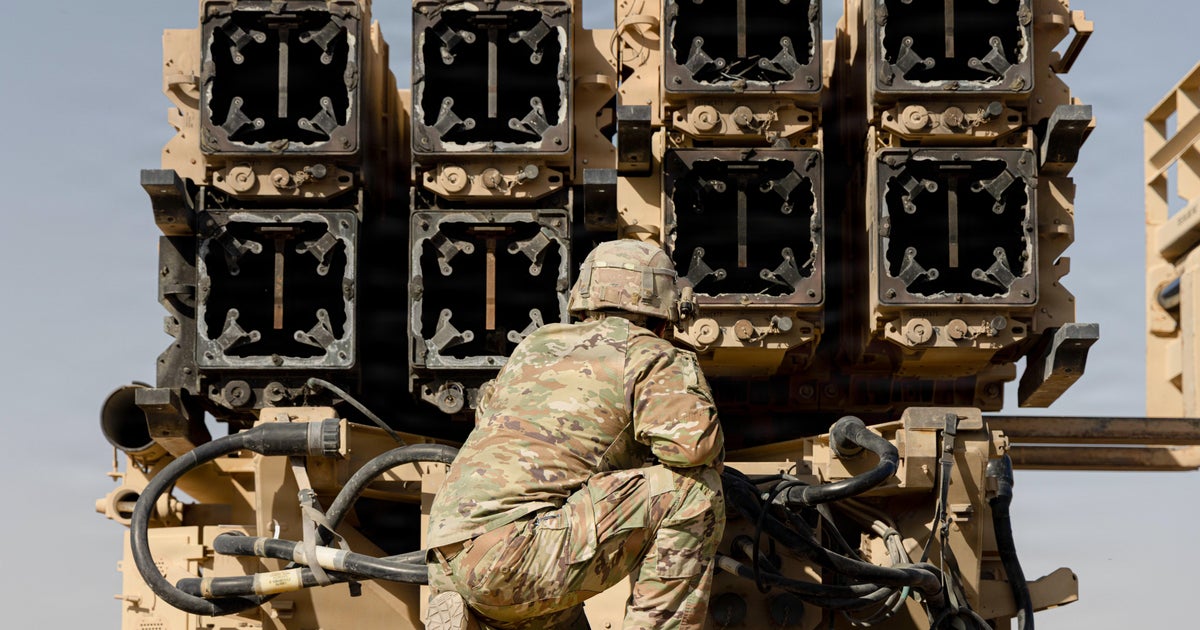
The nonpartisan Congressional Budget Office released a report on Tuesday estimating that a war with Iran would cost between $2 billion and $3 billion per month. From February 28 to August 1, the direct costs of the conflict have been approximately $38 billion, excluding repair expenses for damaged U.S. bases in the region. The CBO highlights significant depletion of missile inventories and potential industrial bottlenecks in resupplying munitions, raising concerns about future conflicts with adversaries like China.
Written by the local model on 2026-09-16,
using this article's own text rather than the other coverage of the
same event.
The released by the nonpartisan Congressional Budget Office on Tuesday.
asserted
The → release → Tuesday
The report estimates those costs could rise when there are tit-for-tat exchanges of fire with Iran.
uncertain
costs → estimate → Iran
could cost approximately $2 billion to $3 billion per month for as long as it continues, according to
uncertain
it → cost → month
office estimated the war between Feb. 28 and Aug. 1 has directly cost the U.S. about $38 billion, a figure that does not include repairing U.S. bases in the region damaged during the conflict.
asserted
that → estimate → conflict
In addition, the office estimates inflation during the first quarter of 2027 could be 0.5% higher than what was projected before the war because of rising energy prices.
uncertain
what → estimate → prices
The CBO noted that replacing munitions accounts for the majority of the costs incurred during the war.
asserted
replacing → note → war
In particular, the CBO said the large expenditure of interceptor missiles used to defend against incoming missiles leaves behind a "reduced inventory of interceptors for several years.
asserted
expenditure → say → years
"The shortfall would become especially problematic if a conflict arose with an opponent whose arsenal included large numbers of ballistic and cruise missiles," according to the report, which pointed out that China maintains such an arsenal and could employ it if there were a conflict over Taiwan.
uncertain
China → become → Taiwan
The report said a comparison of the reported use of interceptors with the number the Pentagon has purchased indicates the U.S. has "probably used between one-half and two-thirds of its inventory of those munitions since June 2025."
asserted
U.S. → say → June
Those munitions include Patriot and THAAD interceptors as well as the Navy's Standard Missiles 3 and 6.
asserted
munitions → include → interceptors
The White House and the Pentagon have downplayed concerns about depleted weapons inventories.
asserted
House → downplay → inventories
President Trump on Truth Social said, "We have virtually unlimited amounts of mid- to high-grade ammunition, far more than we can ever use."
asserted
we → say → ammunition
Admiral Brad Cooper, the head of forces in the Middle East, recently told "60 Minutes," "I'm not concerned at all.
asserted
I → tell → Minutes
We're well-armed and ready for any contingency."
asserted
We → arm → contingency
The CBO said the Defense Department did not respond to requests for information.
asserted
Department → say → information
The CBO analysis was released a day after the
a report that said the Pentagon's Office for Acquisition and Sustainment concluded the use of munitions in the conflict has led to "strategic inventory shortfalls and revealed industrial base bottlenecks for munitions resupply.
asserted
use → release → resupply
"The CBO estimates it will cost $21.7 billion to replace the munitions used in the conflict through Aug. 1: $7.3 billion for the land-attack cruise missiles, $13.1 billion for the missile-defense interceptors and $1.2 billion for other munitions.
asserted
it → estimate → munitions
It will also cost about $1.9 billion to replace lost equipment, according to the report, including a THAAD air defense radar destroyed by Iran.
uncertain
It → cost → Iran
The CBO noted the radar can cost roughly $500 million and is essential for the battery to take down missiles.
asserted
battery → note → missiles
If the Pentagon decides to request supplemental appropriations to replace lost aircraft with newer versions, the total cost could rise from $1.9 billion to $3.3 billion.
uncertain
cost → decide → billion
If the war continues at a relatively low intensity, it could cost roughly $2 billion to $3 billion each additional month, according to the report.
uncertain
it → continue → report
Monthly costs could rise if there is an escalation similar to the one in July, which saw repeated tit-for-tat strikes.
uncertain
which → rise → strikes
The CBO said the war in July cost about $3 billion.
asserted
war → say → billion
In June, the Trump administration sent Congress an $87.6 billion supplemental funding request that included $67 billion for the Department of Defense for needs related to the Iran war.
asserted
that → send → war
Republicans are trying to provide up to $73 billion in new funding for the war through the party-line reconciliation process, but the House-adopted budget blueprint to initiate the process has been stalled in the Senate.
asserted
blueprint → try → Senate
The CBO released its estimate in response to a request from Democratic Rep. Brendan Boyle of Pennsylvania, who is the ranking member on the House Budget Committee.
asserted
who → release → Committee
"Donald Trump's disastrous war in Iran has already taken the lives of brave American servicemembers and left others wounded.
asserted
war → take → others
Beyond that human toll, this nonpartisan CBO report makes clear that the war has also cost American taxpayers tens of billions of dollars and counting, while continuing to drive up costs," Boyle said in a statement to CBS News.
asserted
Boyle → make → News
 The Aporia