That is 0 articles you have read today.
The Aporia is free and carries no advertising, so readers are the only
thing paying for it. If you are getting this much out of it, a small
donation is what keeps it independent.
Daily limit reached
You have read 0 articles today.
That is more than the 15 a day The Aporia gives away,
and well past what it can carry on nothing. Your allowance resets at
midnight.
There is no advertising here and nothing about you is sold, so readers
are the only thing paying for it. If the site is worth this much of
your day, it is worth a few dollars.
Everything else stays open: the
maps, the
directory and
search do
not count against this, and neither does re-opening something you have
already read today.
The Congressional Budget Office reported that as of August 1, 2026, the war with Iran has cost the US military approximately $38 billion, with potential monthly expenses ranging from $2 billion to over $3 billion depending on conflict intensity. The CBO’s analysis was requested by Democratic lawmakers and includes inflationary pressures due to disruptions in oil and natural gas supplies following Iran's blockade of the Strait of Hormuz. This has led to projected higher inflation rates for the first quarter of 2027, with core inflation also expected to rise.
Written by the local model on 2026-09-15,
using this article's own text rather than the other coverage of the
same event.
Claims extracted
13
claim-shaped sentences
Uncertain
15%
2 of 13 hedged
Leaning
not political
takes no side on a contested political question
Correction & hedging signals
58.7
corrections and hedging in what we collected;
not a measure of accuracy
Outlets on this story
unclustered
not grouped into a story yet
Narrative spread
1
articles carrying this framing
Why this leaning score
This article does not take a side on a contested political
question, so it has no leaning score. That is an
answer rather than a gap: a match report or a rescue can be warmly
or critically written without being left or right, and scoring it
anyway is how approval of a subject gets recorded as a political
position.
No political leaning scored for article 11974 · logged 2026-09-15
Iran war has cost US military $48 billion:
asserted
war → cost → billion
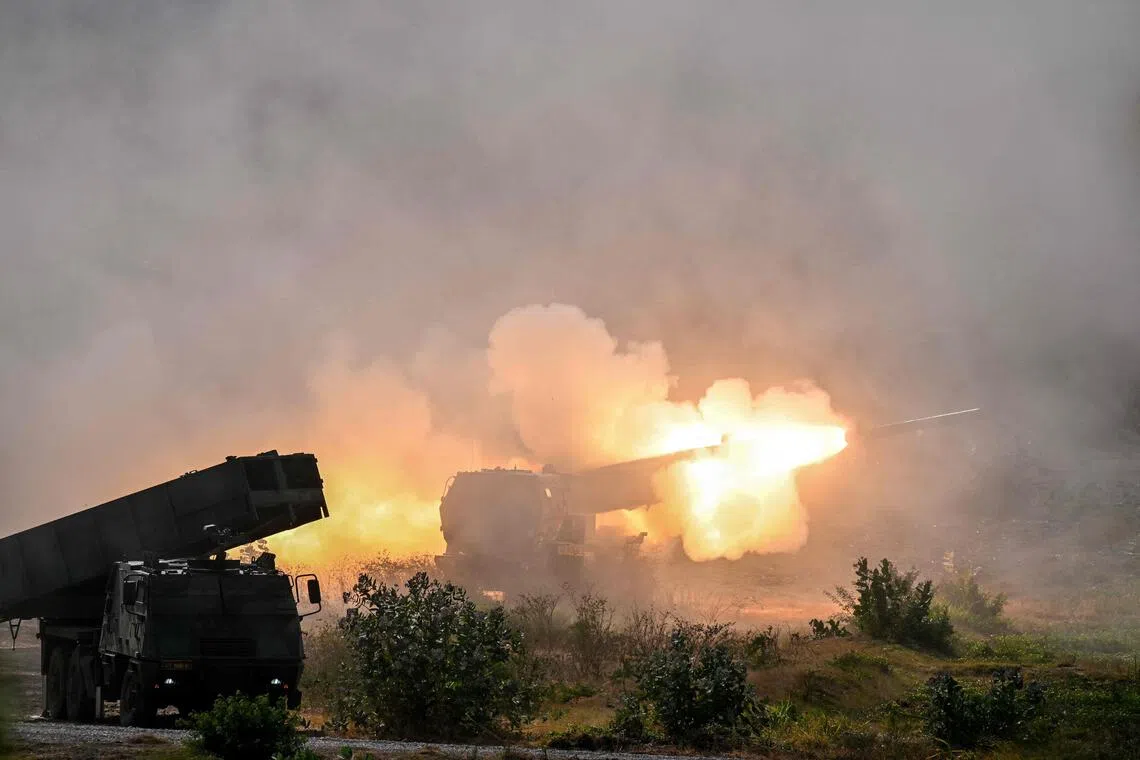
The war with Iran cost the US military around US$38 billion (S$48 billion) as of Aug 1, the nonpartisan Congressional Budget Office said on Sept 15, with billions more potentially added to the price tag each month the conflict wears on.
asserted
conflict → cost → tag
“As of August 1, 2026, the armed conflict with Iran has cost (the Department of Defense) approximately US$38 billion,” said the CBO in a report, referring to the war that started after US-Israeli strikes targeting Iran from late February.
asserted
that → cost → February
It added that depending on the intensity of violence, costs per month could range between US$2 billion-US$3 billion or more if the conflict continued.
uncertain
conflict → add → billion
These expenses “could be higher still if the violence escalated further,” CBO added.
uncertain
CBO → escalate → ?
The figures reflect the cost of replacing expended munitions and equipment lost in battle and increased fuel costs for the military, among other factors, the report said.
asserted
report → reflect → factors
The analysis was prepared following a request by Brendan Boyle, the top Democrat on the House Budget Committee, alongside other Democratic lawmakers.
asserted
analysis → prepare → lawmakers
In July, Defense Secretary Pete Hegseth estimated the Iran war had cost US$37.5 billion.
asserted
war → estimate → billion
The CBO estimated on Sept 15 that the main economic effect of the Iran conflict involves inflationary pressures due to oil and natural gas disruptions.
asserted
effect → estimate → disruptions
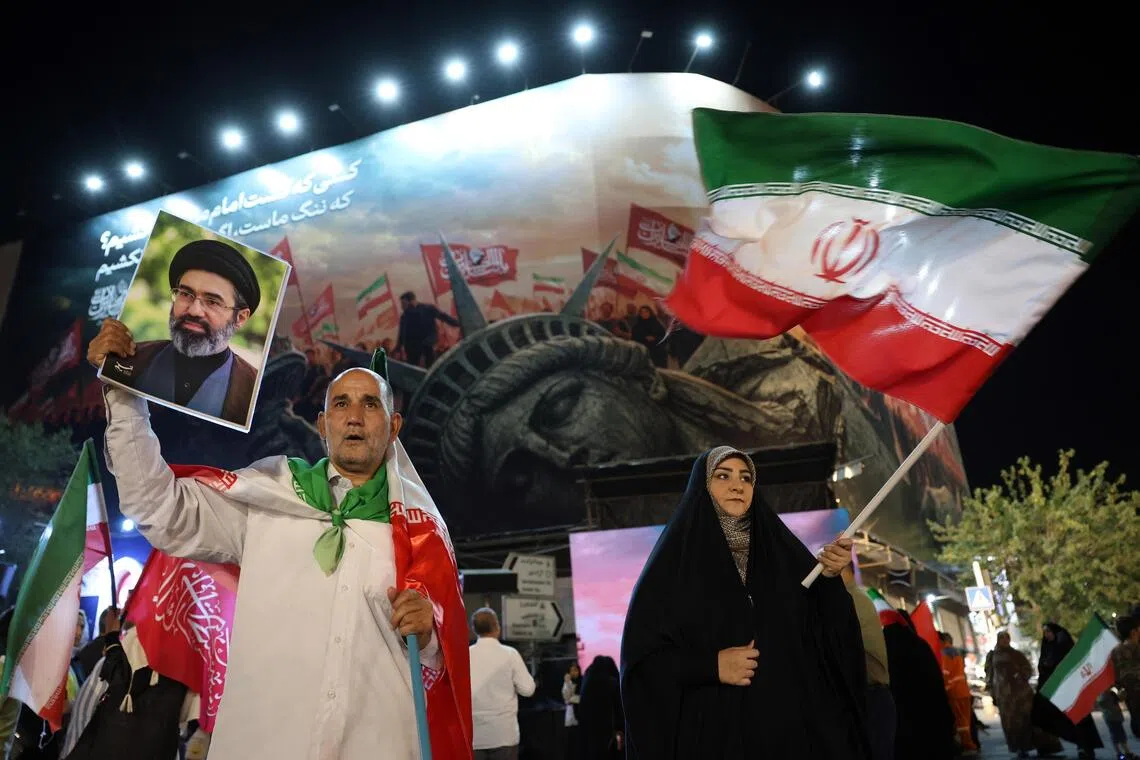
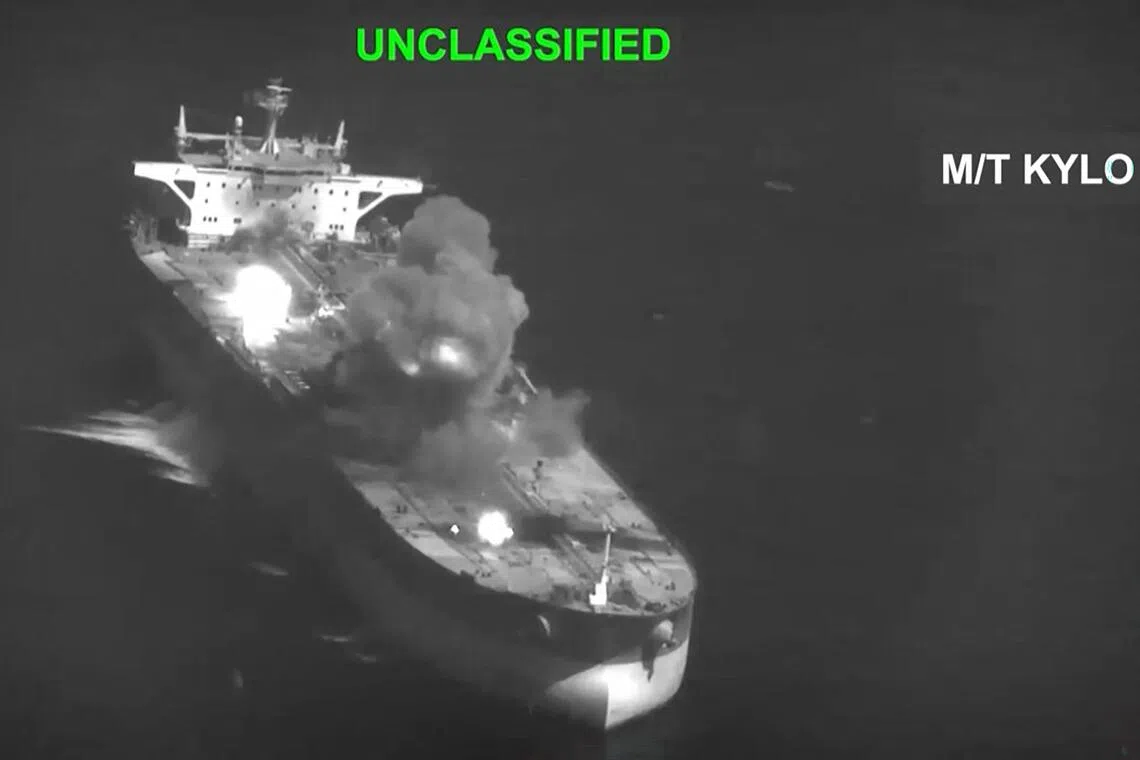
Iran had retaliated in the war by blocking off the Strait of Hormuz, a critical waterway for energy transit, sending costs soaring.
asserted
costs → retaliate → transit
The CBO now estimates that inflation in the first quarter 2027 would be 0.5 percentage points higher than what it projected in February – referring to the personal consumption expenditures price index.
asserted
it → estimate → index
“Core” inflation, stripping out the volatile food and energy segments, would also likely be 0.3 percentage points higher than earlier predicted, the CBO said.
asserted
CBO → strip → segments
The higher inflation rates will also boost interest rates on Treasury securities, the report added.
asserted
report → boost → securities
 The Aporia