That is 0 articles you have read today.
The Aporia is free and carries no advertising, so readers are the only
thing paying for it. If you are getting this much out of it, a small
donation is what keeps it independent.
Daily limit reached
You have read 0 articles today.
That is more than the 15 a day The Aporia gives away,
and well past what it can carry on nothing. Your allowance resets at
midnight.
There is no advertising here and nothing about you is sold, so readers
are the only thing paying for it. If the site is worth this much of
your day, it is worth a few dollars.
Everything else stays open: the
maps, the
directory and
search do
not count against this, and neither does re-opening something you have
already read today.
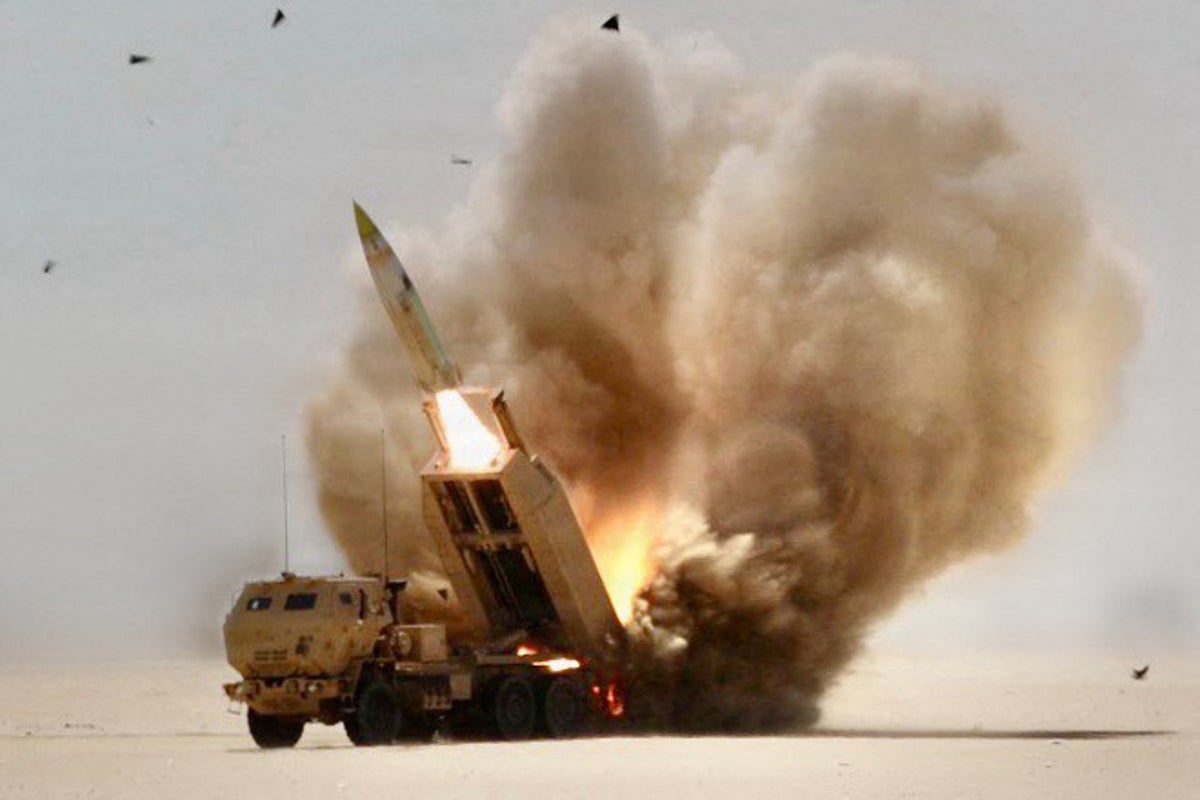
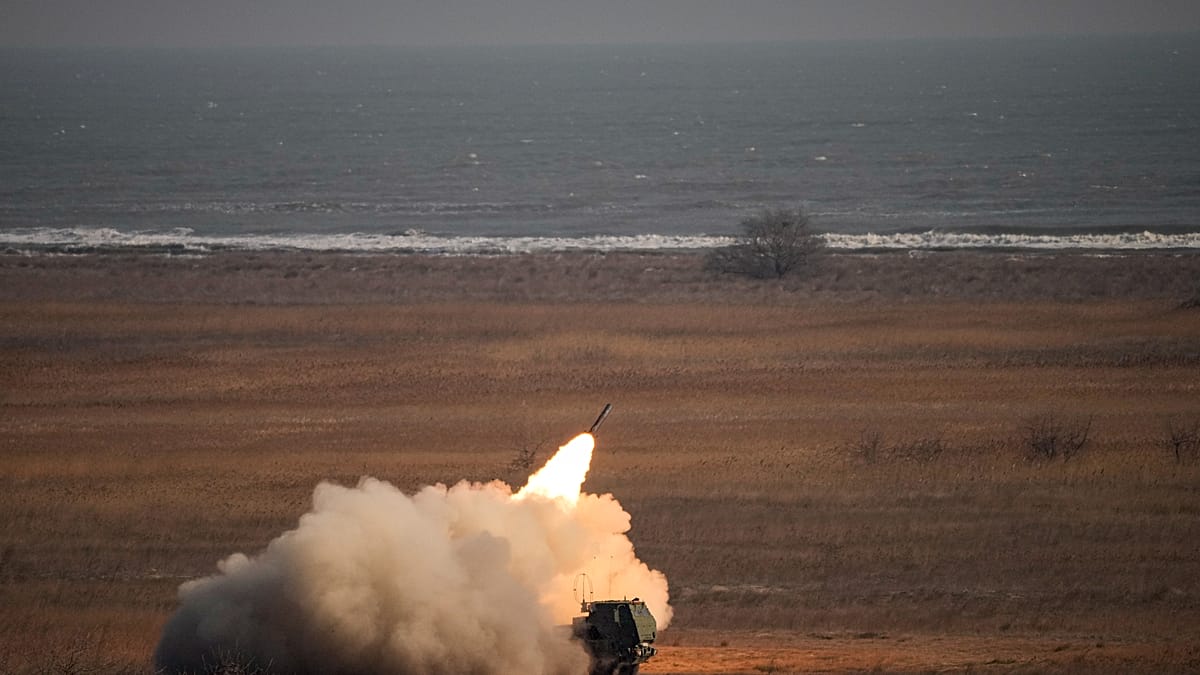
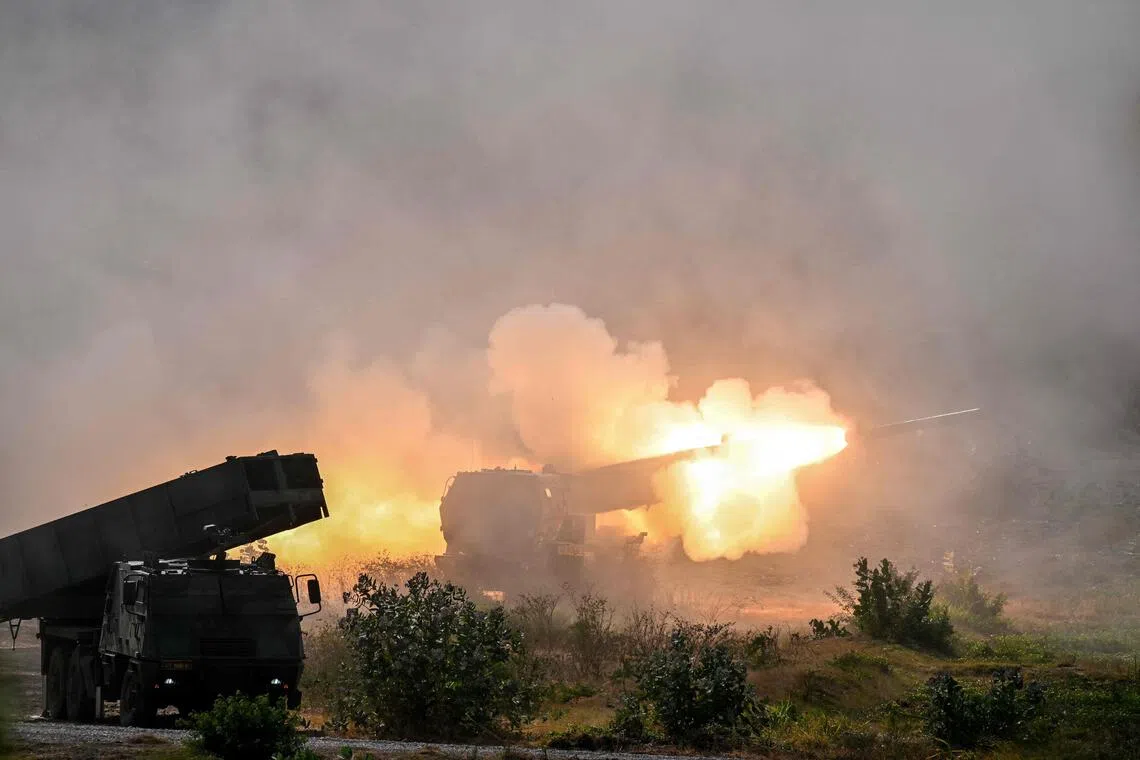
The US war effort against Iran since February has led to significant munitions shortages and production bottlenecks, according to a Pentagon watchdog report released Monday. The 44-page document highlights issues with solid rocket motor production, high-grade explosive availability, and skilled labor recruitment as major logistical challenges. Despite these findings, President Trump claimed on Truth Social that the US is producing more weapons than ever before and emphasized continuous factory operation to meet defense needs. The report also estimates the first four months of war have cost $33.4 billion, excluding infrastructure repair expenses.
Written by the local model on 2026-09-16,
using this article's own text rather than the other coverage of the
same event (that is the story summary below).
Story summary
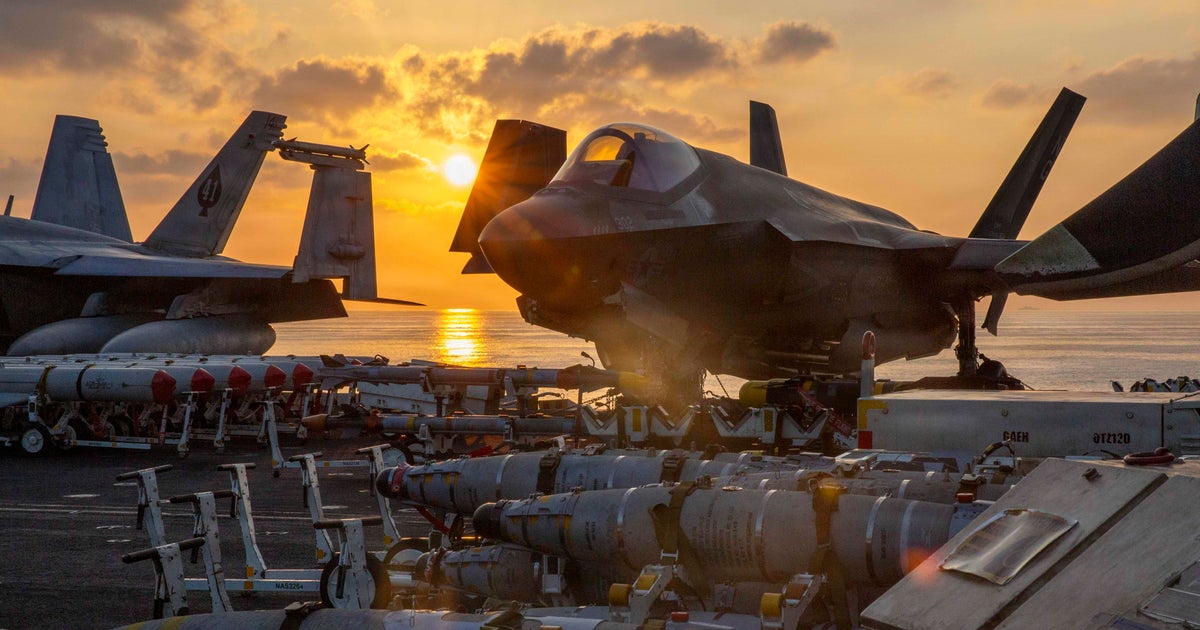
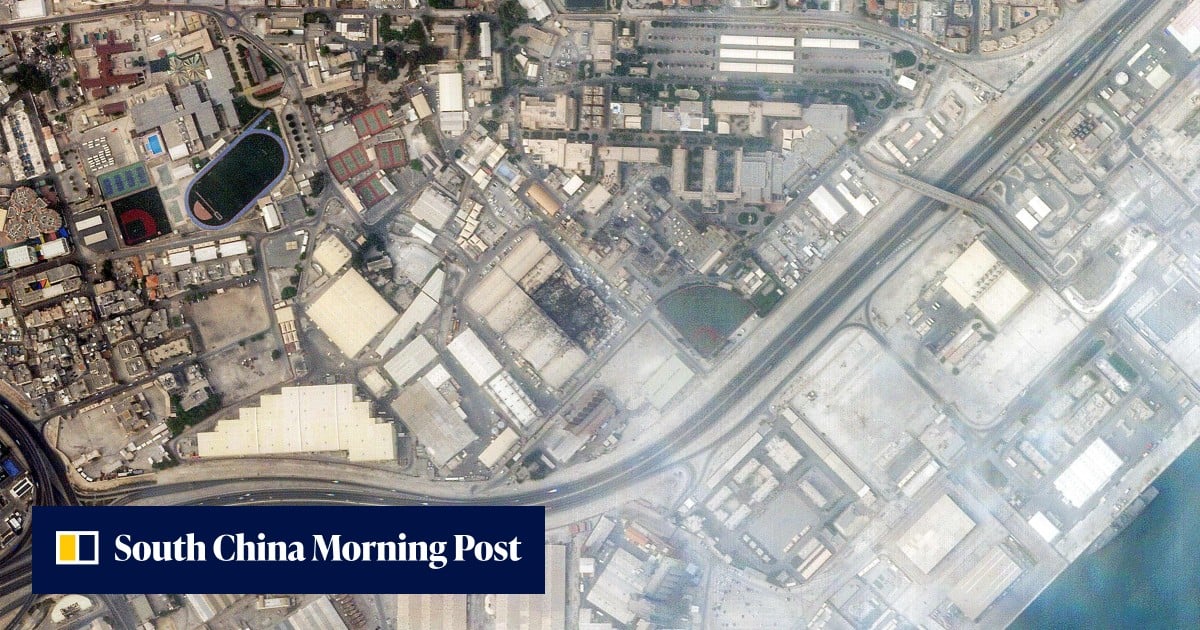
In a report released on Monday by the Pentagon's Inspector General, it was revealed that the six-month war on Iran has led to significant munitions shortages and industrial base bottlenecks for resupply in the United States. Between February 28 and June 30, Operation Epic Fury cost an estimated $33.4 billion, with $22.3 billion spent solely on munitions. The conflict resulted in extensive damage: four F-15 fighter jets destroyed, up to 30 MQ-9 Reaper drones lost, one F-35 jet and seven KC-135 tanker aircraft damaged, and hundreds of buildings at U.S. bases across Kuwait, Bahrain, Qatar, UAE, Saudi Arabia, Iraq, Oman, and Jordan were either damaged or destroyed.
Despite these shortages, President Donald Trump has repeatedly downplayed the issue, claiming that the U.S. possesses "virtually unlimited amounts" of ammunition. However, Pentagon officials have confirmed ongoing challenges in resupplying munitions due to increased demand and industrial constraints. The report underscores the logistical strain and financial burden of sustaining such a prolonged military operation against Iran. Despite these setbacks, Trump remains open to negotiating an end to hostilities but retains final authority over any potential resolution.
Written for “Iran War Munitions Shortfall” on 2026-09-17,
grounded in this article and the 24 other(s) covering the same event.
Why this leaning score
The article's own words the score was based on. Each is quoted
verbatim and was checked against the article text before being
stored, so you can find it in the original.
Leaning score -0.30 for article 10866 (medium confidence, 1 verified quote) · logged 2026-09-16
The US war with Iran has led to a shortage of key munitions, which has in turn exposed “bottlenecks” in the defense industry, the War Department’s Office of Inspector General confirmed in a report released Monday.
asserted
Office → lead → report
The 44-page document specified that “production of solid rocket motors, the availaibility of high-grade explosives and propellants and the recruitment of skilled manufacturing labor” are the biggest logistical issues plaguing Operation Epic Fury, launched by the US against Tehran Feb. 28.
asserted
production → specify → Tehran
The Trump administration, led by the president and War Secretary Pete Hegseth, has routinely denied claims that the military is running low on weapons.
uncertain
military → lead → weapons
On Monday, President Trump insisted on Truth Social: “I’ve just received a Report that the United States is producing more Exquisite and Elite Weapons than at any time in our History.
asserted
States → insist → History
“They are being delivered on a daily basis to our Forces in the Middle East, and beyond,” Trump added.
asserted
Trump → deliver → East
“Our Defense Company Factories are moving 24/7, while at the same time building, on average, 4 to 5 largescale brand new Plants, each!
asserted
Factories → move → Plants
A primary focus of this production has been Patriots, THAAD Systems, Tomahawks, and other Standard Missile Systems, of which we already have large numbers in stock.”
asserted
we → have → stock
Monday’s congressional mandated report also estimated the cost of the first four months of the war to be $33.4 billion, not including money spent on infrastructure repairs, the first official accounting of the war’s price tag through June 30.
asserted
cost → mandate → June
Iranian commuters pass a huge anti-US billboard reading in Persian, "The devil army will be drowned in the Persian Gulf", erected on Enghelab Square in Tehran on Monday, September 14, 2026.
asserted
army → pass → Monday
Iran's nuclear chief was blocked from attending an annual conference at the headquarters of the UN's nuclear agency in Vienna due to opposition from the United States, according to Iranian state television.
uncertain
chief → block → television
A U.S. Air Force F-16 Fighting Falcon aircraft approaches the boom of a U.S. Air Force KC-135 Stratotanker aircraft in the U.S. Central Command area of responsibility on Tuesday, June 30, 2026.
asserted
aircraft → approach → Tuesday
The KC-135 refuels F-16s for regional security.
asserted
KC-135 → refuel → security
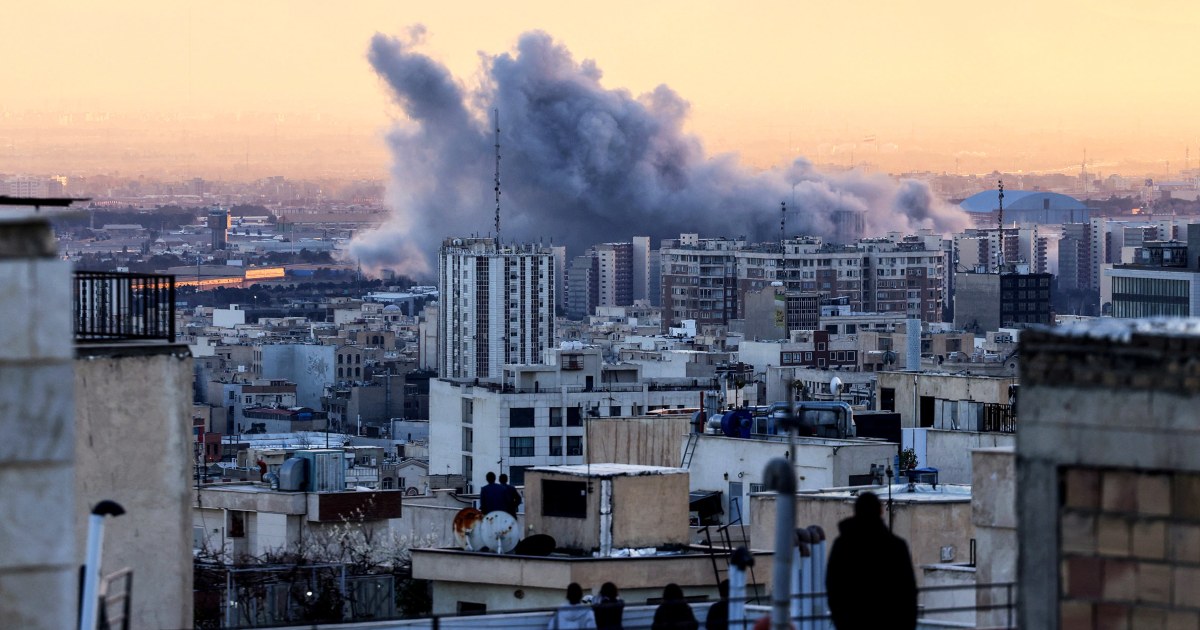
A screengrab of footage from U.S. Central Command (CENTCOM) forces shows a wave of strikes against Iranian military targets on Wednesday, Sept. 2, 2026.
asserted
screengrab → show → Wednesday
The strikes mark the latest escalation in weeks of tit-for-tat attacks across the Gulf region.
asserted
strikes → mark → region
 The Aporia