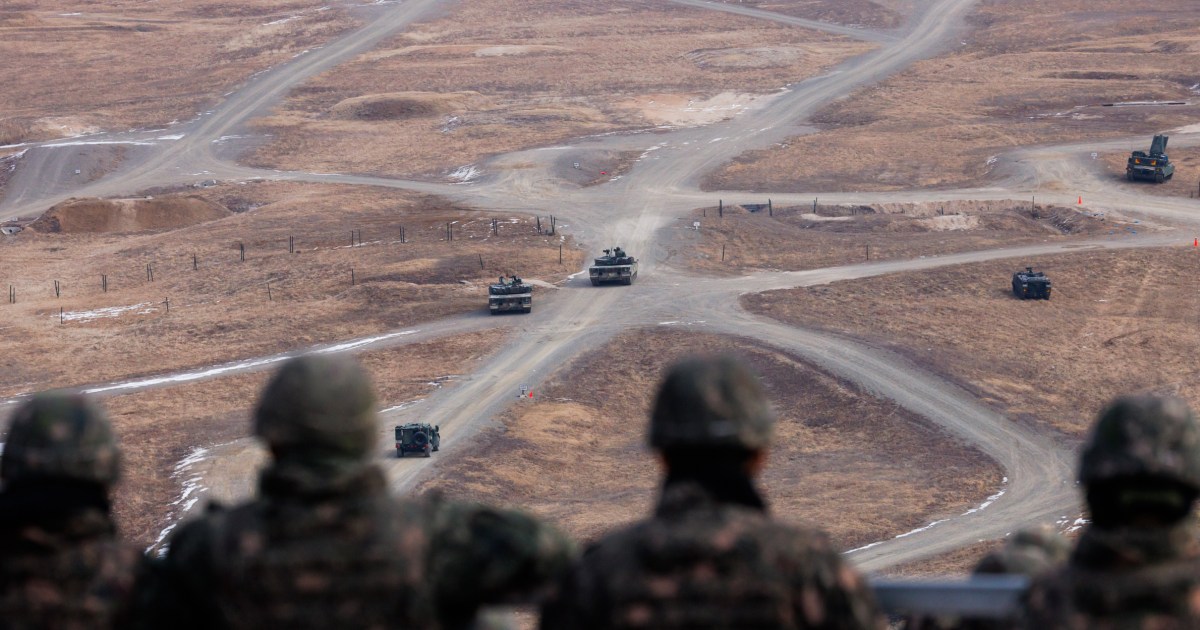
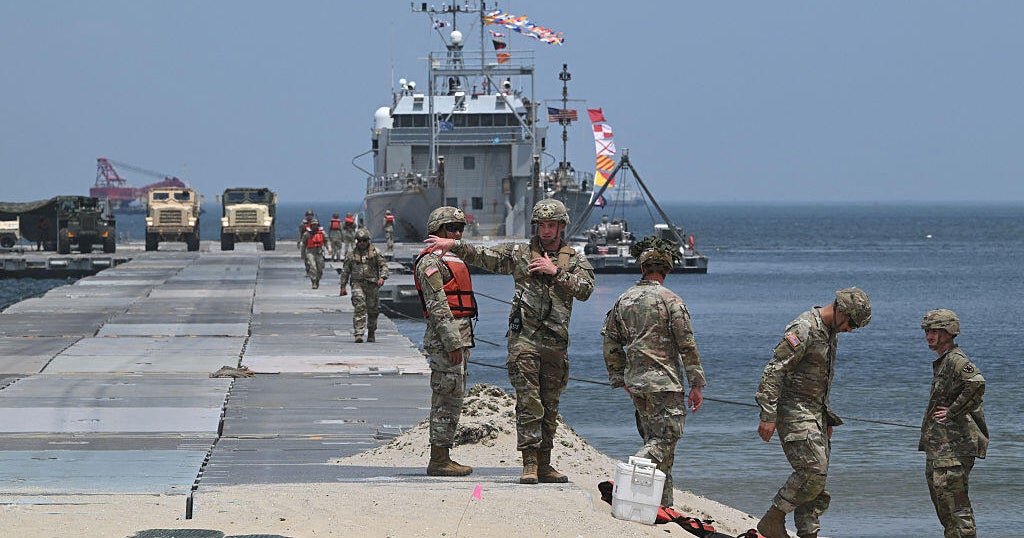
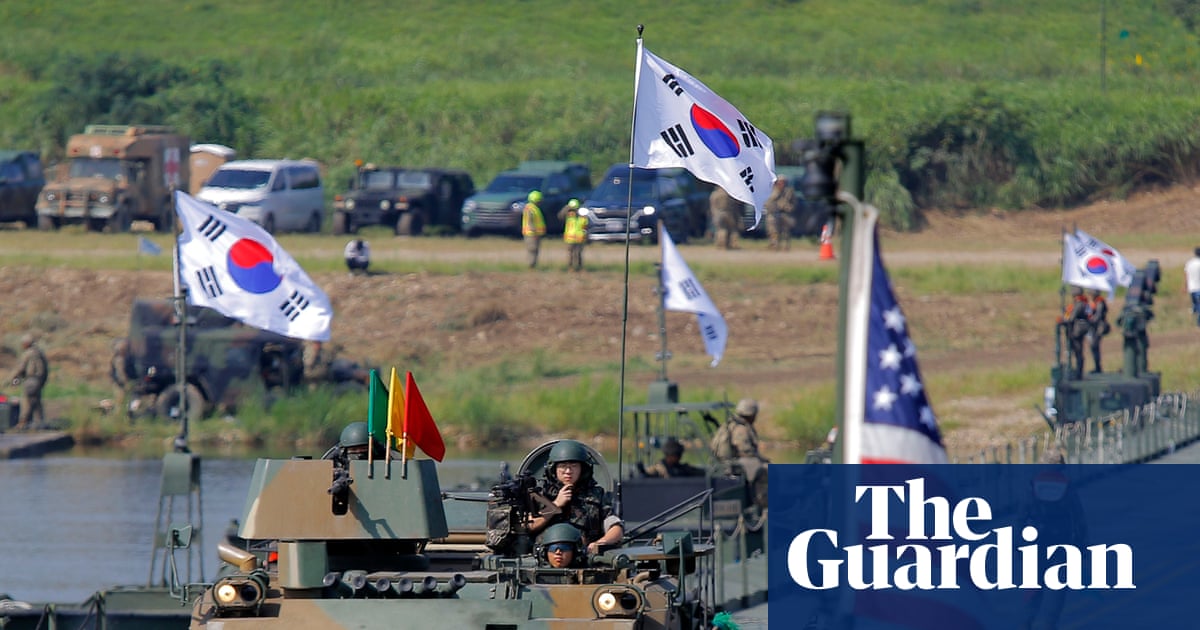
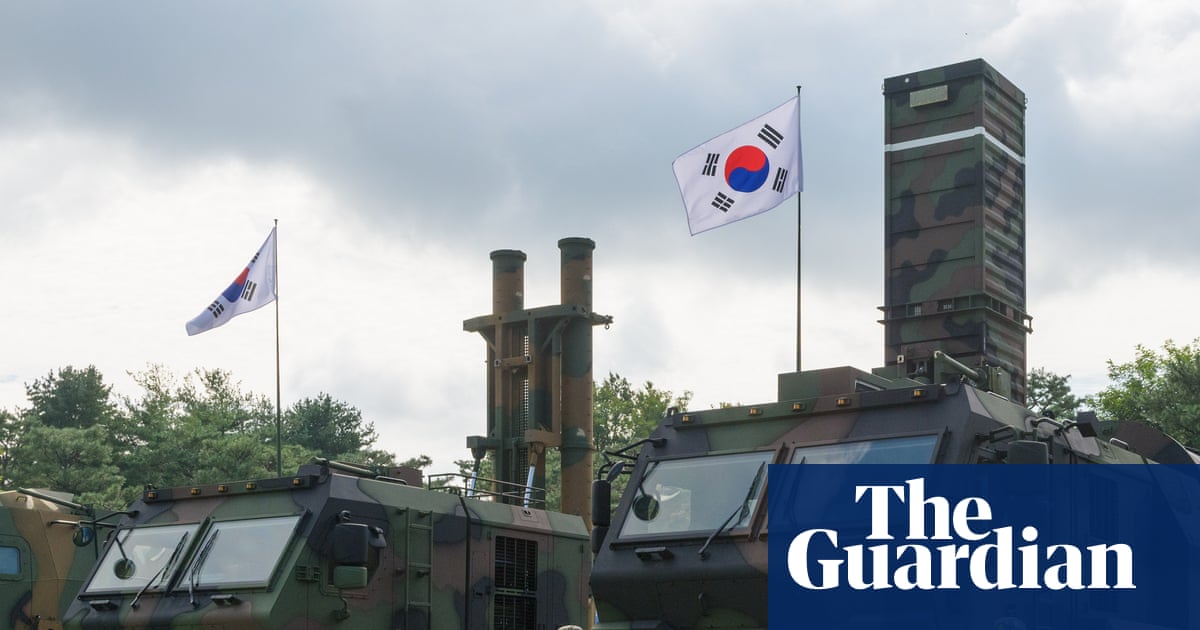
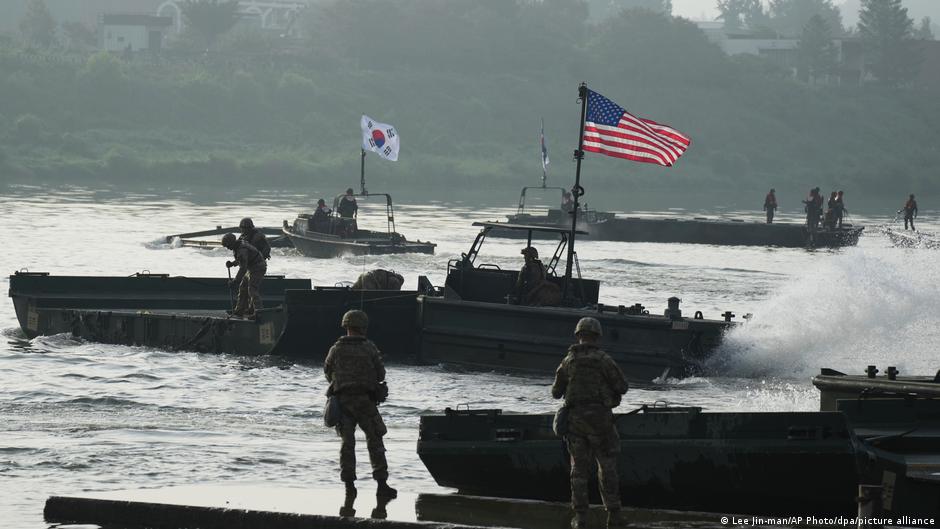
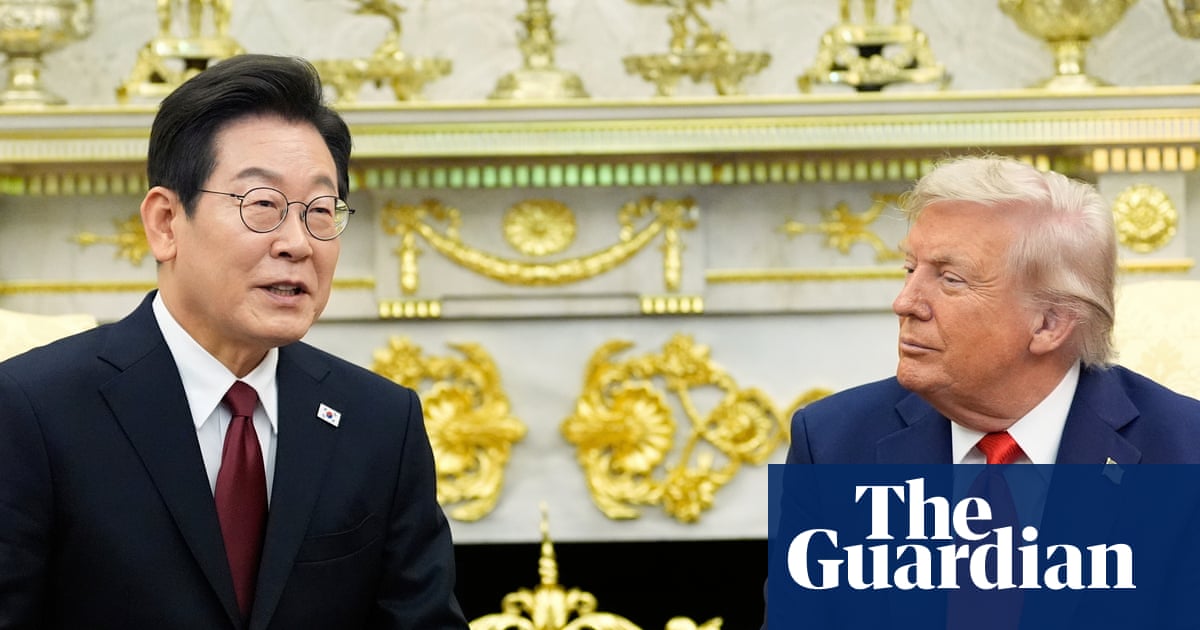
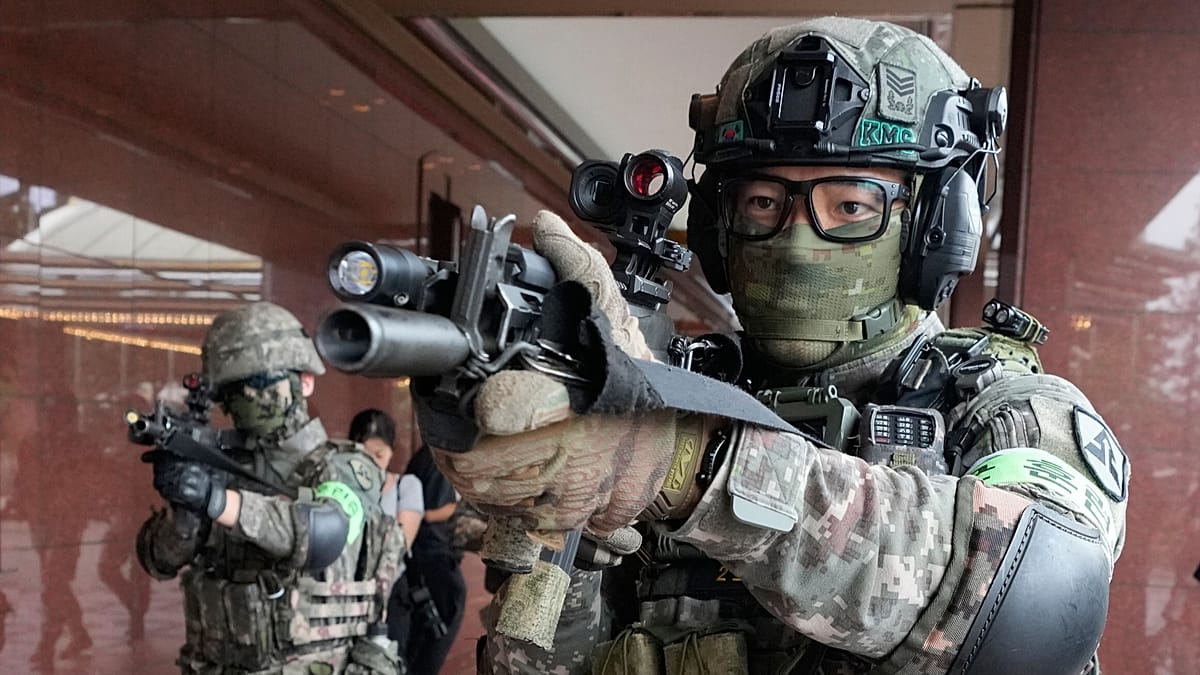
US President Donald Trump has ordered a reduction in joint military exercises with South Korea, citing his "very good" relationship with North Korean leader Kim Jong Un. The annual Ulchi Freedom Shield drills, which were originally scheduled to run until Aug 27, will now end on Aug 21, with some events canceled or converted to simulations. According to the US Defense Department, this change will not degrade the effectiveness of the training objectives. Trump's surprise order has unsettled South Korea and other US allies in the region, who rely heavily on the US for their security amid growing threats from North Korea.
Written by the local model on 2026-08-19,
using this article's own text rather than the other coverage of the
same event (that is the story summary below).
Story summary
US President Donald Trump announced on Sunday that he would be scaling back US military exercises with South Korea, citing his "very good" relationship with North Korean leader Kim Jong Un and claiming that the exercises were expensive. The annual drills, known as Ulchi Freedom Shield, were originally scheduled to run from August 13-27, but have been reduced in scope and scale at the direction of Trump and Defense Secretary Pete Hegseth.
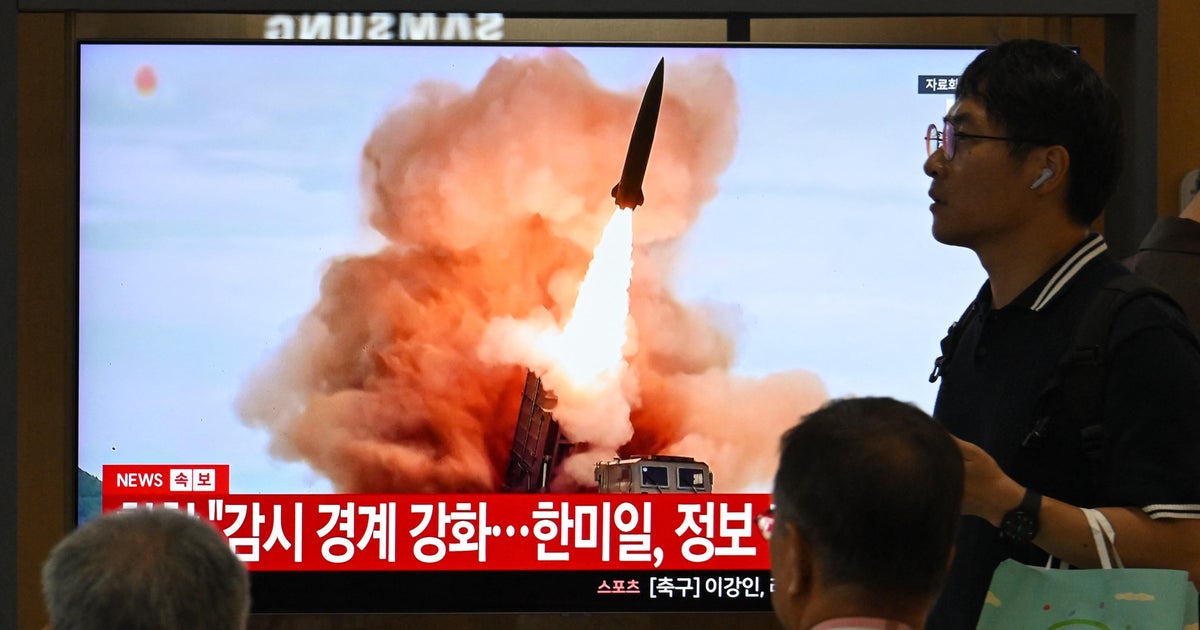
The decision has caused alarm among South Koreans, who rely heavily on the US for their security, as well as other US allies in the region. North Korea has been threatening a "new level" of nuclear deterrence in response to the planned drills, which Pyongyang state media called "a rehearsal for an invasion war."
South Korean President Lee Jae Myung, who had previously floated the idea of reducing joint military exercises with the US as a tool for drawing North Korea back to the table, has renewed his calls for wartime operational control of the military and progress on South Korea's nuclear submarine programme.
The decision to cut short the drills marks a significant shift in Trump's approach to North Korea, which he had previously criticized for its missile tests and threats. Trump added that US involvement in the exercises would send a "signal that is totally inappropriate and hostile" to North Korea, which he said has been "unthreatening and respectful" to his presidency.
The move has also sparked concerns among analysts and US senators about Trump's willingness to prioritize North Korean denuclearization over South Korea's security. Some have criticized Trump's approach as naive, citing the recent spate of North Korean missile tests and threats.
Written for “US-South Korea Military Tensions” on 2026-08-31,
grounded in this article and the 21 other(s) covering the same event.
Why this leaning score
The article's own words the score was based on. Each is quoted
verbatim and was checked against the article text before being
stored, so you can find it in the original.
The score and its own evidence disagree: every quote above points
one way and the number points the other. One of them is wrong.
The confidence has been set to low for that reason.
Leaning score -0.35 for article 1304 (low confidence, 1 verified quote) · logged 2026-08-21
Joint military exercises underway between the United States and South Korea are being cut short, both countries said, after President Donald Trump, citing his “very good” relationship with North Korean leader Kim Jong Un, ordered that they be reduced.
asserted
they → cut → Un
The annual U.S.-South Korea drills, known as Ulchi Freedom Shield, will end Aug. 21 rather than Aug. 27 as originally scheduled, a Defense Department official said.
asserted
official → know → Aug.
“Associated live-training events have been reduced, with certain events canceled or converted to simulations,” the official said, adding that the adjustments “preserve essential readiness.”
asserted
adjustments → reduce → readiness
“There will be no degradation to U.S. training objectives,” the official said.
asserted
official → say → objectives
Trump orders reduction of joint exercises with South Korea
asserted
Trump → order → Korea
The South Korean National Defense Ministry also said the two countries “have agreed, at the request of the U.S. side, to make some adjustments to the duration and scale of the exercise.”
asserted
countries → say → exercise
Some of the combined field training exercises will be conducted on a reduced scale, the ministry said in a statement, adding that the U.S. and South Korea “are currently consulting on the specific details.”
asserted
U.S. → combine → details
“Going forward, the ROK and the United States will discuss and implement various measures to achieve the objectives of the UFS exercise and maintain a robust combined defense posture,” the ministry said, using an abbreviation for South Korea’s formal name, the Republic of Korea.
asserted
ministry → go → Korea
The ministry declined to comment on a reported meeting Tuesday between Gen. Xavier Brunson, the commander of U.S. Forces Korea, and South Korean Defense Minister Ahn Gyu-back.
asserted
ministry → decline → Korea
The surprise comments by Trump, which he made on social media hours before the exercises began Monday, have unsettled South Korea, which relies heavily on the U.S. for its security, as well as other U.S. allies in the region facing a growing threat from nuclear-armed North Korea.
asserted
which → make → Korea
South Korean Foreign Affairs Minister Cho Hyun said Ahn had been “in close consultation with the U.S. side” since Trump’s social media post.
asserted
Ahn → say → post
He told lawmakers Wednesday that “neither our government nor officials in the U.S. government had any prior knowledge” of Trump’s order to scale back the drills.
asserted
government → tell → drills
According to U.S. Forces Korea, the Ulchi Freedom Shield exercise with South Korea, which hosts 28,000 American troops, aims to build understanding between the two militaries to ensure their “ability to fortify the combined defense posture” and enhance their response to “a spectrum of security threats.”
uncertain
which → accord → threats
Foremost among those threats is North Korea, which in recent years has advanced its missile and nuclear capabilities and developed a close security relationship with Russia.
asserted
which → advance → Russia
Though the U.S. and South Korea say their drills are defensive in nature, North Korea routinely criticizes them as a rehearsal for invasion and often test-fires weapons in protest.
asserted
Korea → say → protest
In his post Sunday, Trump said the exercises sent a “totally inappropriate and hostile” message to North Korea, which he said had been “unthreatening and respectful” during his time in office.
asserted
he → say → office
He also expressed anger over South Korea’s level of involvement in the U.S.-Israeli war with Iran and said he had ordered Defense Secretary Pete Hegseth to “substantially reduce” the exercises.
asserted
he → express → exercises
Trump, who met with Kim three times during his first term as president, has repeatedly expressed interest in resuming talks after their earlier round of diplomacy collapsed in 2019.
asserted
round → meet → 2019
But Kim, whose position has strengthened considerably since then, has rebuffed overtures from Trump, as well as South Korean President Lee Jae Myung, saying he will not come to the table unless they drop their demands for North Korea to denuclearize first.
asserted
Korea → strengthen → demands
Trump told reporters Monday that he was not sacrificing the security of U.S. allies to curry favor with North Korea and that he was “actually making it much safer.”
asserted
it → tell → Korea
He said Kim had responded to his outreach, without providing details.
asserted
Kim → say → details
“I understand him; he understands me,” Trump said.
asserted
Trump → understand → me
North Korea has not publicly responded to Trump’s call to curtail the exercises.
asserted
Korea → respond → exercises
A commentary published Wednesday by the state-run news agency KCNA reiterated the regime’s criticism of the drills, saying Pyongyang’s “exercise of its right to self-defense will continue to completely neutralize the enemies’ military threat.”
asserted
exercise → publish → threat