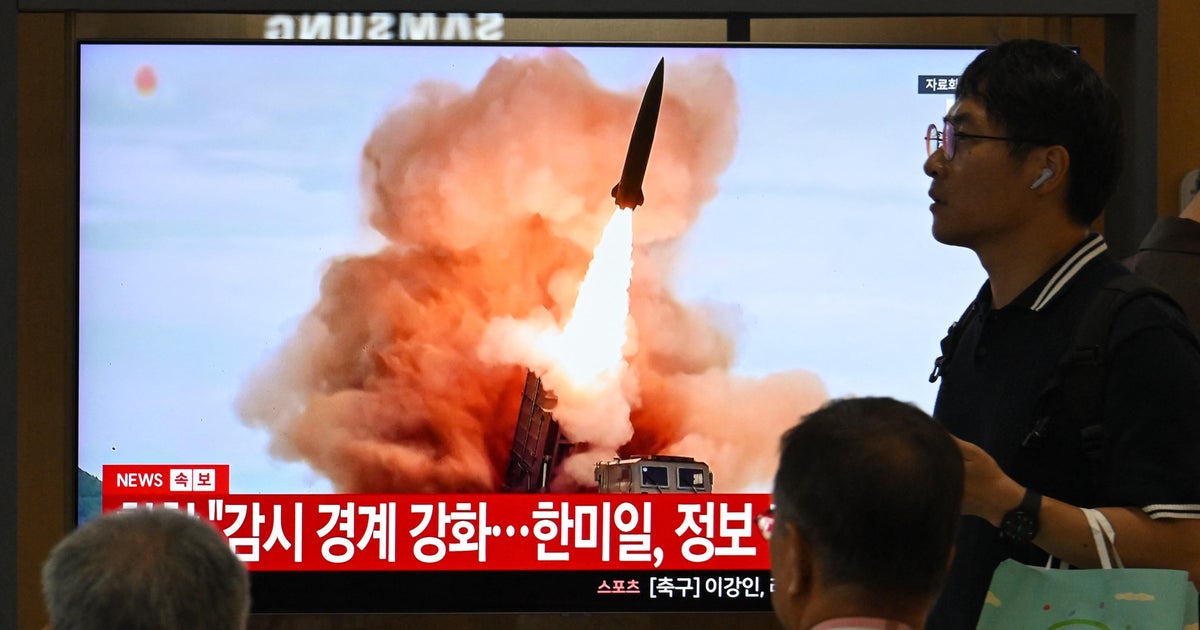
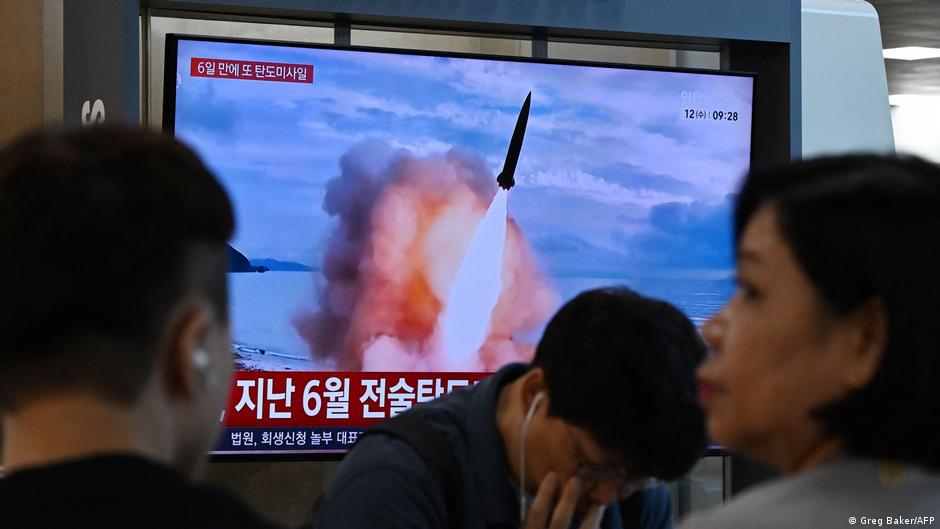
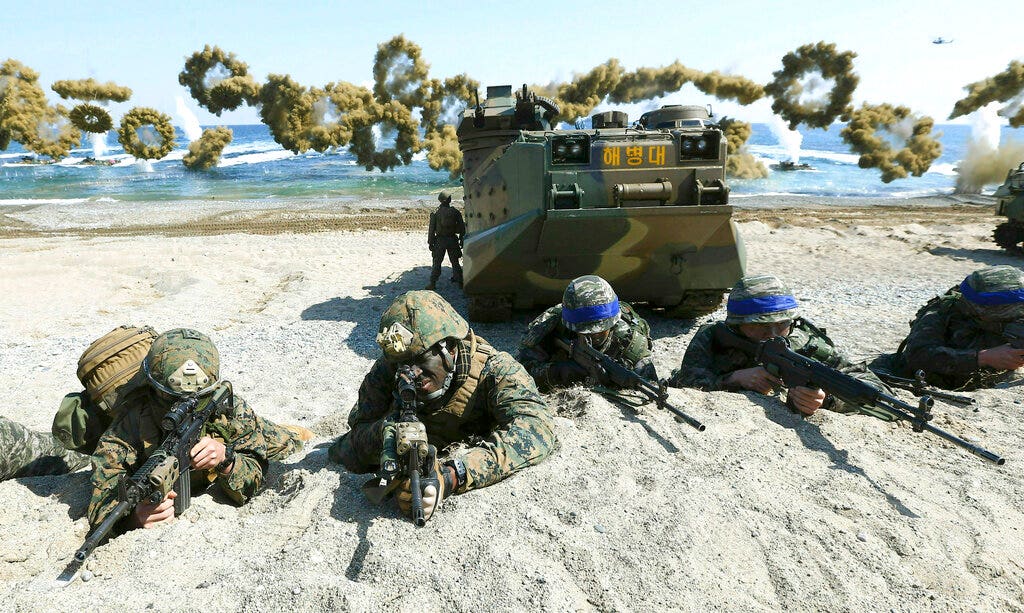
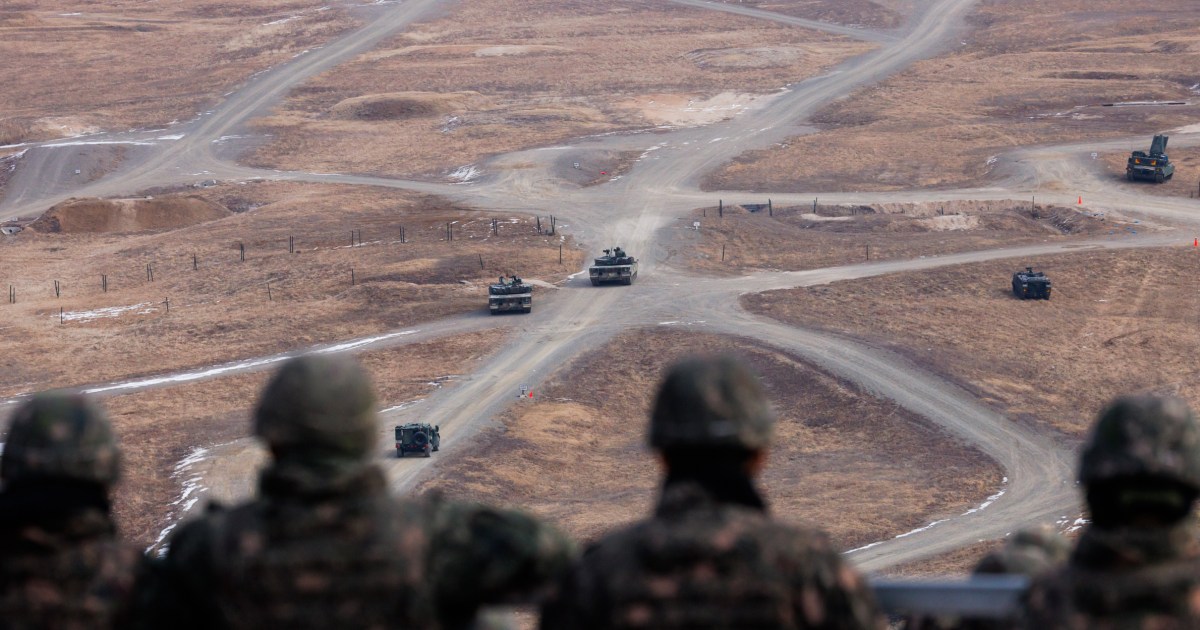
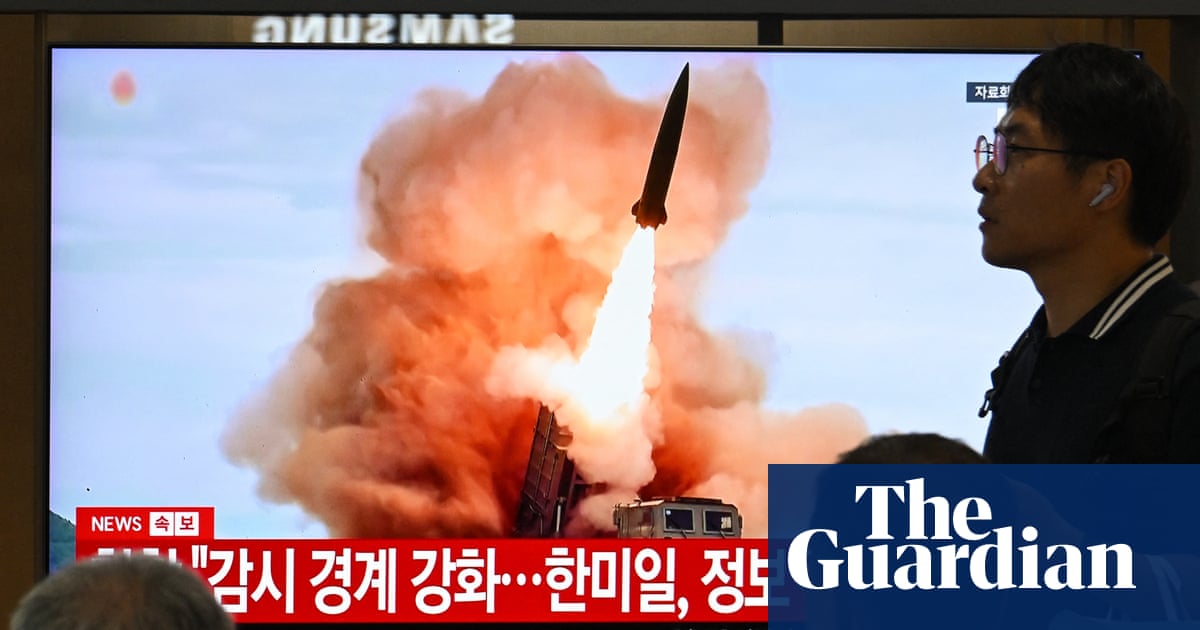
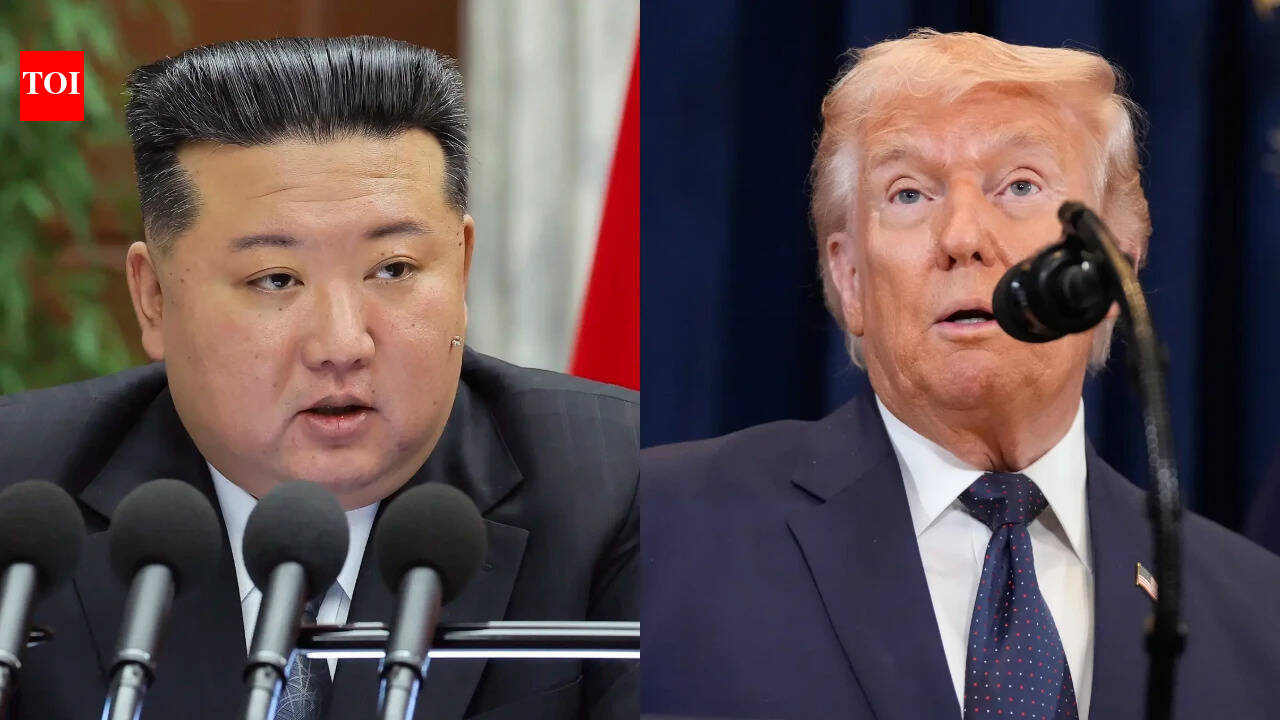
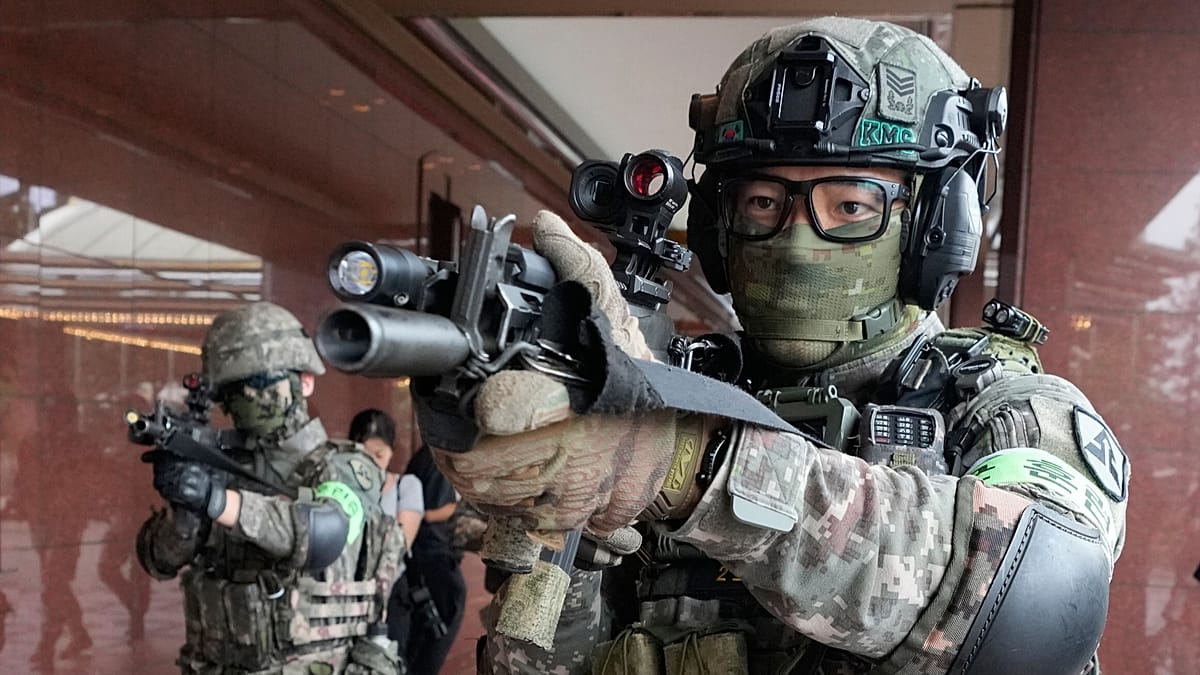
North Korea fired around 10 short-range ballistic missiles from the Pyongyang area on Thursday, hours after US President Donald Trump ordered a reduction in joint South Korea-U.S. military exercises. The launches come amid speculation that Trump may be seeking a foreign policy win as he attempts to rekindle nuclear talks with North Korean leader Kim Jong Un. According to officials in Seoul, North Korea now has between 80 and 120 nuclear warheads, although Trump had previously stated that Pyongyang has only 57 "very powerful" nuclear weapons. The exercises, which were scaled back at the US' request, are designed to prepare for a possible attack by North Korea.
Written by the local model on 2026-08-20,
using this article's own text rather than the other coverage of the
same event (that is the story summary below).
Story summary
US President Donald Trump announced on Sunday that he would be scaling back US military exercises with South Korea, citing his "very good" relationship with North Korean leader Kim Jong Un and claiming that the exercises were expensive. The annual drills, known as Ulchi Freedom Shield, were originally scheduled to run from August 13-27, but have been reduced in scope and scale at the direction of Trump and Defense Secretary Pete Hegseth.
The decision has caused alarm among South Koreans, who rely heavily on the US for their security, as well as other US allies in the region. North Korea has been threatening a "new level" of nuclear deterrence in response to the planned drills, which Pyongyang state media called "a rehearsal for an invasion war."
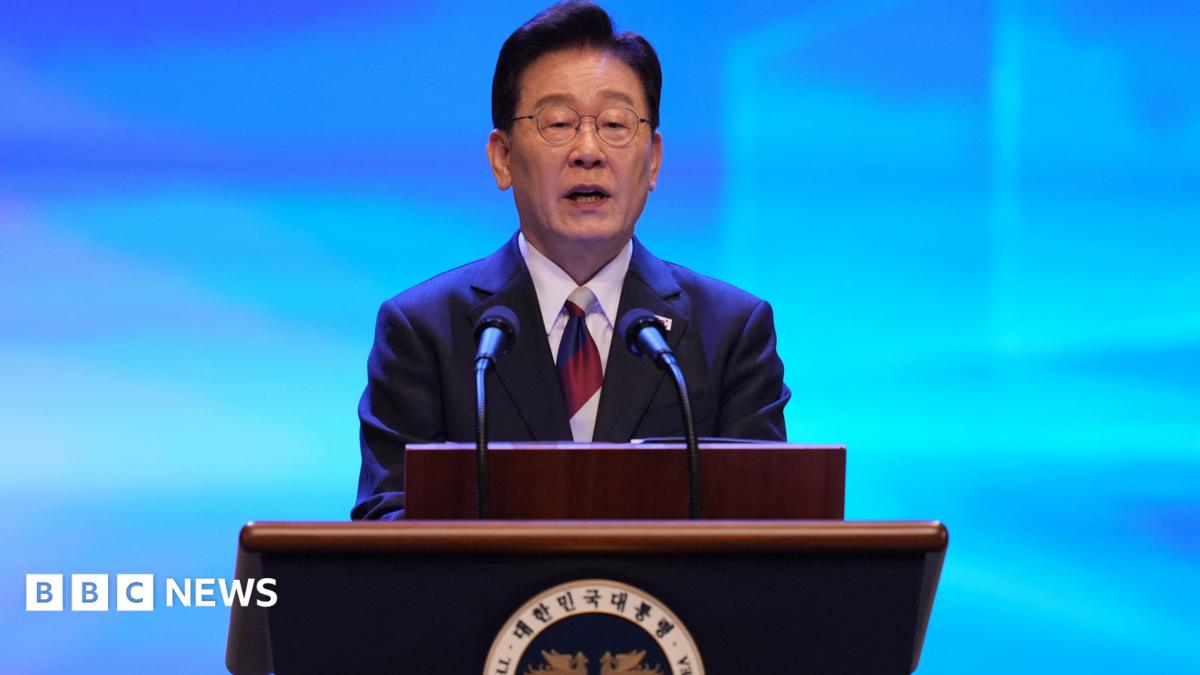
South Korean President Lee Jae Myung, who had previously floated the idea of reducing joint military exercises with the US as a tool for drawing North Korea back to the table, has renewed his calls for wartime operational control of the military and progress on South Korea's nuclear submarine programme.
The decision to cut short the drills marks a significant shift in Trump's approach to North Korea, which he had previously criticized for its missile tests and threats. Trump added that US involvement in the exercises would send a "signal that is totally inappropriate and hostile" to North Korea, which he said has been "unthreatening and respectful" to his presidency.
The move has also sparked concerns among analysts and US senators about Trump's willingness to prioritize North Korean denuclearization over South Korea's security. Some have criticized Trump's approach as naive, citing the recent spate of North Korean missile tests and threats.
Written for “US-South Korea Military Tensions” on 2026-08-31,
grounded in this article and the 21 other(s) covering the same event.
Why this leaning score
No quote from the article could be verified for this score. The
model gave a number without evidence that survives checking, so
there is nothing here for you to read against the original.
Leaning score -0.75 for article 1442 (low confidence, 0 verified quotes) · logged 2026-08-21
North Korea fired several short-range ballistic missiles, Seoul's military said Thursday, hours after President North Korean dictator Kim Jong Un later this year.
asserted
military → fire → missiles
again with The latest launches by the nuclear-armed North came after Mr. Trump ordered a reduction in the ongoing joint South Korea-U.S. Ulchi Freedom Shield military exercises, which are now set to end Friday.
asserted
which → arm → exercises
Pyongyang has long condemned U.S.-South Korean exercises as rehearsals for an invasion, often staging missile test launches during and around the drills.
asserted
Pyongyang → condemn → drills
Mr. Trump said he
the war games "based on my very good relationship with" Kim.
asserted
games → say → Kim
He said the longstanding annual military exercises sent a "totally inappropriate and hostile signal" to the North.
asserted
exercises → say → North
South Korea's lack of assistance in the war with Iran was also a factor, he said.
asserted
he → say → Iran
The president said it was important to "get along" with Kim, adding that Pyongyang now had 57 "very powerful" nuclear weapons.
asserted
Pyongyang → say → weapons
Officials in Seoul said Thursday that North Korea now has between 80 and 120 nuclear warheads, and they couldn't explain the discrepancy between their estimate and Mr. Trump's.
asserted
they → say → estimate
Just hours after Mr. Trump said he expected to meet again with Kim, an official from Seoul's Joint Chiefs of Staff told the AFP that the North had fired "around 10 short-range ballistic missiles" from the Pyongyang area.
asserted
North → say → area
Japan earlier said a suspected "ballistic missile launched by North Korea a short while ago has already fallen," according to an X post from the prime minister's office.
uncertain
missile → say → office
Mr. Trump's sudden focus on Kim and his scaling back of the joint drills with South Korea have alarmed Asian allies, sparking speculation that he may be seeking a foreign policy win as the
in a costly stalemate.
uncertain
he → alarm → stalemate
Kim Yo Jong, the North Korean leader's powerful sister, said Wednesday that her brother had "good memories and feelings" about Mr. Trump and that the relationship between the two leaders remained "excellent."
asserted
relationship → say → leaders
She said, however, that she was unaware of any current communication between the two leaders.
asserted
she → say → leaders
Mr. Trump met three times with Kim during his first term, lauding his relations with the authoritarian leader but failing to get him to make any solid commitments to rein in North Korea's nuclear weapons program, which has advanced steadily since.
asserted
which → meet → program
Her statement came hours after Seoul announced the Ulchi Freedom Shield exercises would end on Friday — about a week earlier than planned — "at the suggestion of the U.S. side."
asserted
exercises → come → side
The Pentagon said the reduced drills would cause "no degradation to U.S. training objectives."
asserted
drills → say → objectives
The exercises are designed to prepare for a possible attack by North Korea.
asserted
exercises → design → Korea
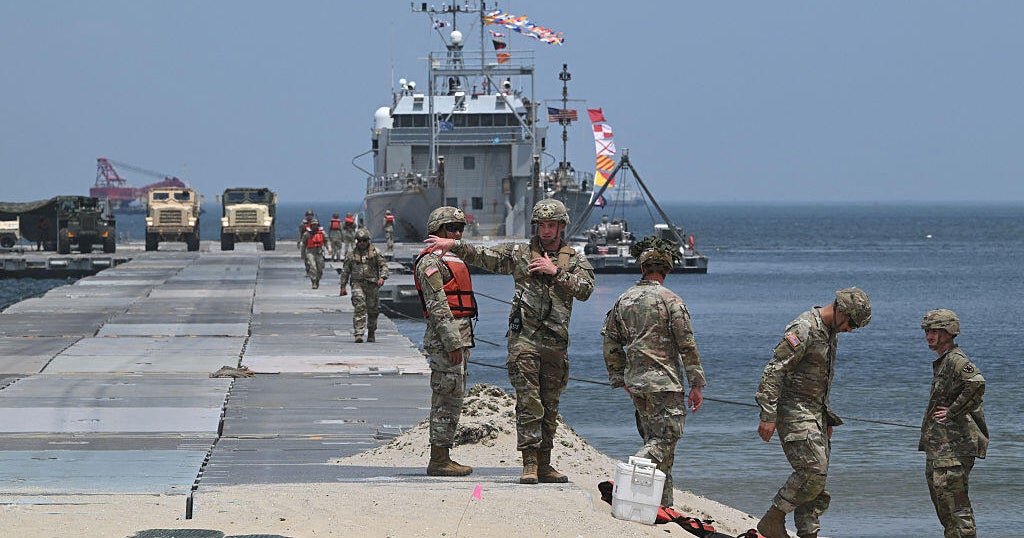
The United States has about 28,500 forces stationed in South Korea to bolster the country's defenses — a legacy of the 1950-53 Korean War that ended with an armistice rather than a peace treaty.
asserted
that → have → armistice
South Korea's Defense Minister Ahn Gyu-back said Seoul remained opposed to officially recognizing the North as a nuclear-weapon state, something Kim has long sought.
asserted
Kim → say → something
Asked whether Washington had "given up" on North Korea's denuclearization, Ahn said he did not believe so.
asserted
he → ask → denuclearization
President Lee Jae Myung, who has long pushed for stronger homegrown defenses to reduce South Korea's reliance on the United States, said Wednesday that he would "do his utmost" to support Mr. Trump's peacemaking efforts with the North.
asserted
he → push → North