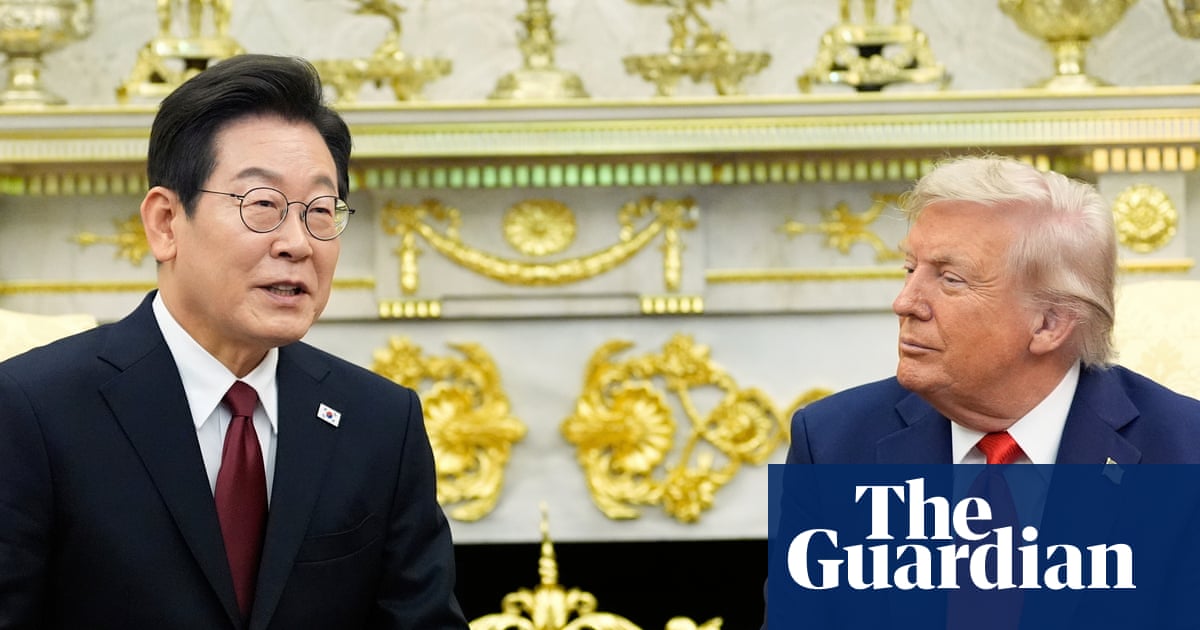
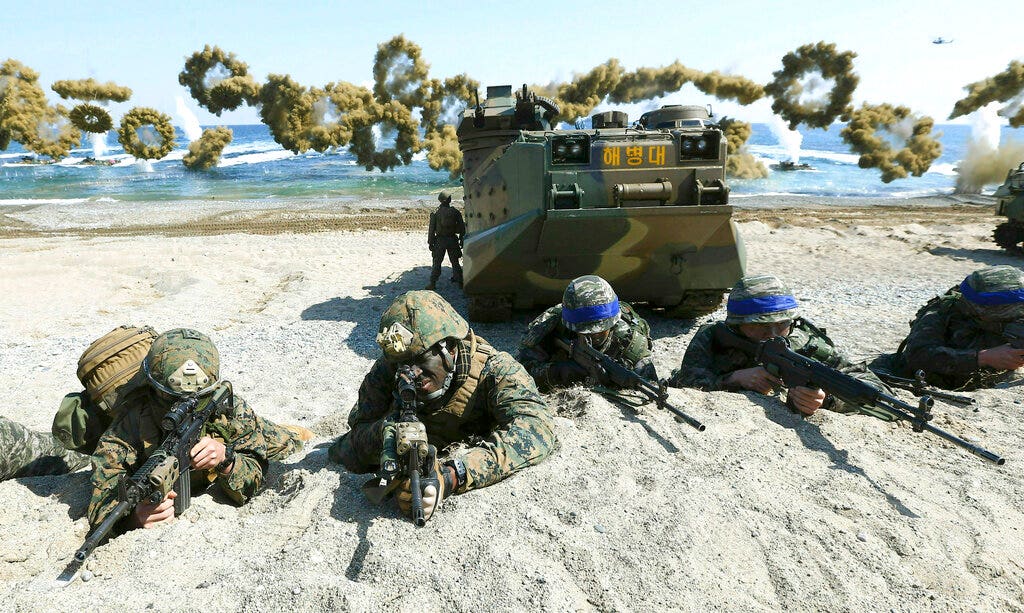
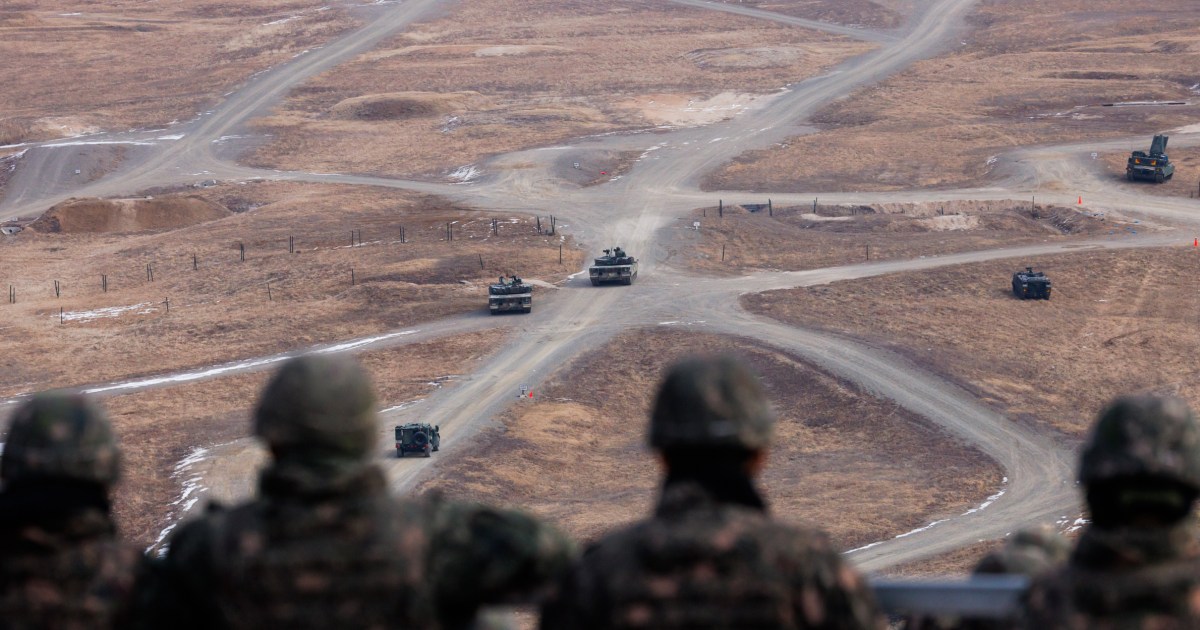
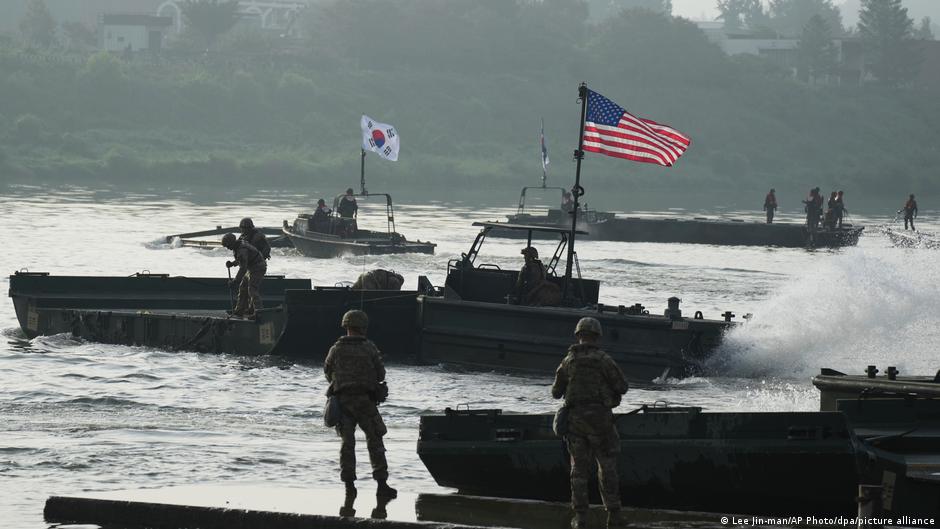
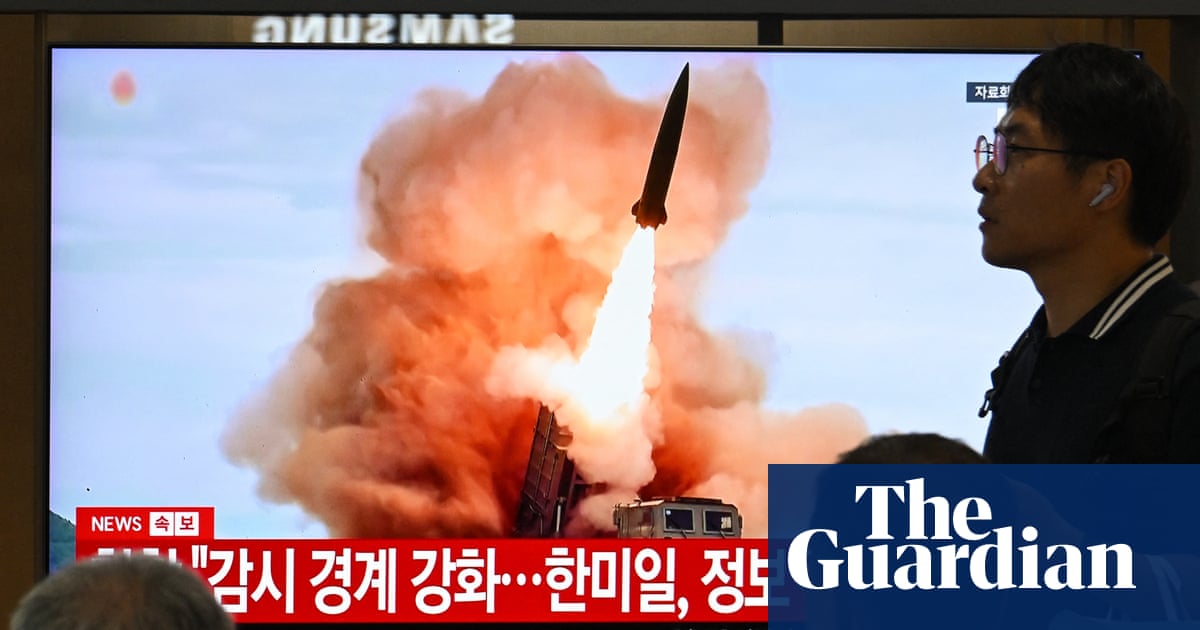
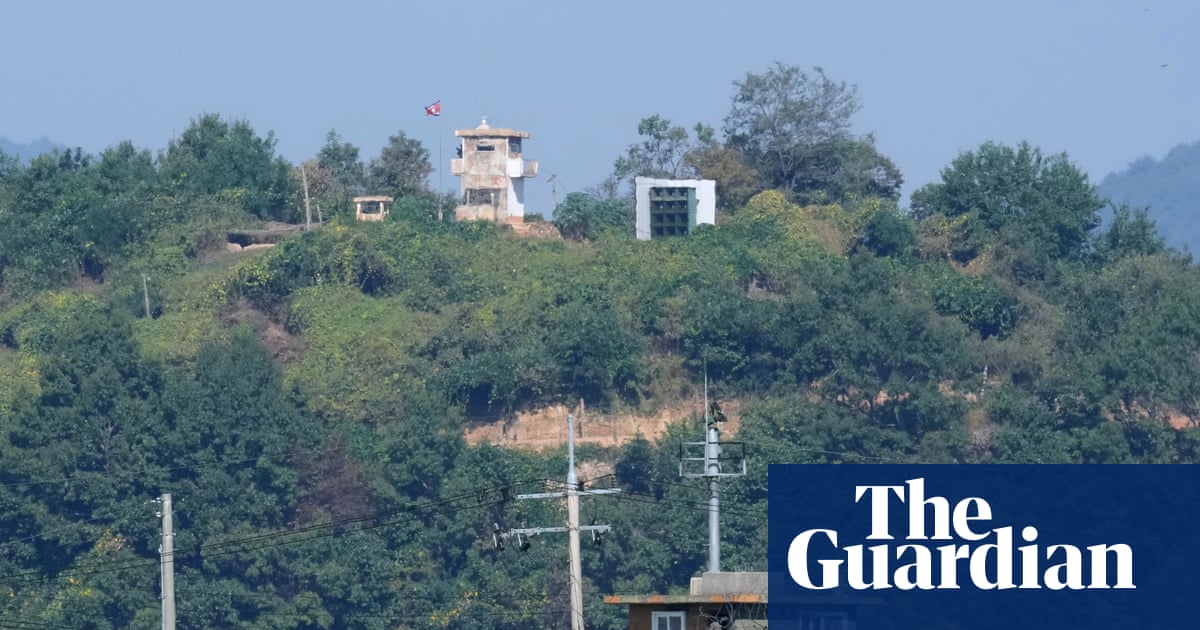
In cutting joint drills, Trump has given South Korea’s president what he wants. So why is Seoul so uneasy?

World news | The Guardian · collected 2026-08-19 · by Raphael Rashid in Seoul
Read the original at World news | The Guardian ↗

Summary

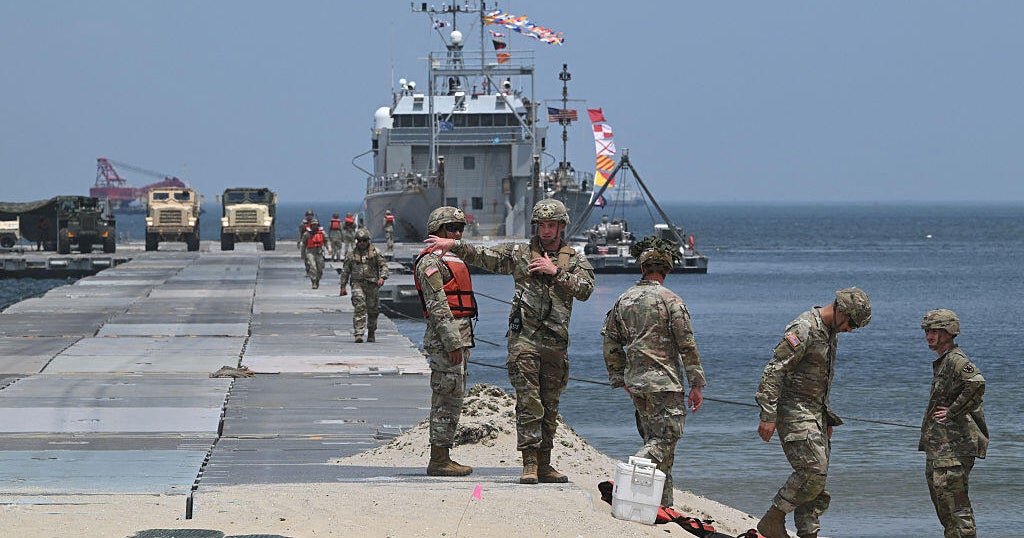
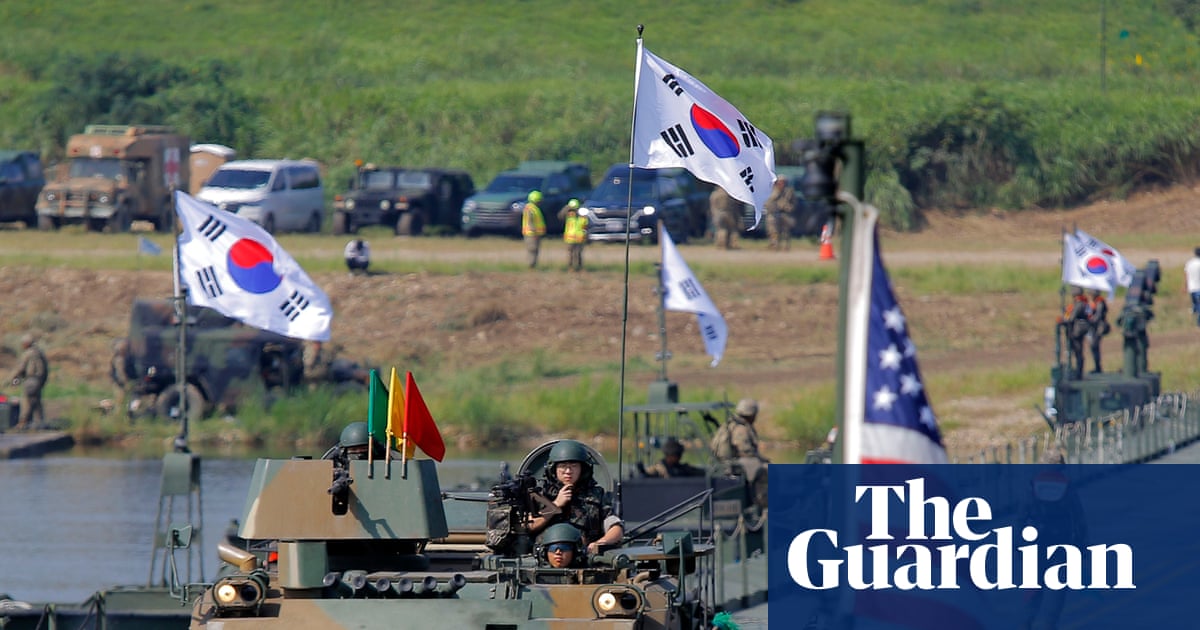
South Korean President Lee Jae Myung had advocated for reducing joint military exercises with the US as a way to draw North Korea back into dialogue. Last week, Donald Trump announced via social media that he would be cutting these drills, echoing one of Lee's own proposals. The move has caused unease in Seoul, however, where some have expressed concern that it weakens a key pillar of deterrence and undermines South Korean security. Conservative parties and newspapers have denounced the decision as a "security disaster", while some progressive outlets see it as a positive step towards reducing tensions with North Korea.
Written by the local model on 2026-08-19, using this article's own text rather than the other coverage of the same event (that is the story summary below).

Signals How these are calculated →

Claims extracted
24
claim-shaped sentences
Uncertain
25%
6 of 24 hedged
Leaning
not scored
needs a local LLM pass
Publisher trust
95.1
red-flag proxy, not a credibility rating
Outlets on this story
22
Politics
Narrative spread
1
articles carrying this framing
Analyzed 2026-08-19 · how these are computed

AI analysis (generated at analysis time, not now)

Story summary

US President Donald Trump announced on Sunday that he would be scaling back US military exercises with South Korea, citing his "very good" relationship with North Korean leader Kim Jong Un and claiming that the exercises were expensive. The annual drills, known as Ulchi Freedom Shield, were originally scheduled to run from August 13-27, but have been reduced in scope and scale at the direction of Trump and Defense Secretary Pete Hegseth.

The decision has caused alarm among South Koreans, who rely heavily on the US for their security, as well as other US allies in the region. North Korea has been threatening a "new level" of nuclear deterrence in response to the planned drills, which Pyongyang state media called "a rehearsal for an invasion war."

South Korean President Lee Jae Myung, who had previously floated the idea of reducing joint military exercises with the US as a tool for drawing North Korea back to the table, has renewed his calls for wartime operational control of the military and progress on South Korea's nuclear submarine programme.

The decision to cut short the drills marks a significant shift in Trump's approach to North Korea, which he had previously criticized for its missile tests and threats. Trump added that US involvement in the exercises would send a "signal that is totally inappropriate and hostile" to North Korea, which he said has been "unthreatening and respectful" to his presidency.

The move has also sparked concerns among analysts and US senators about Trump's willingness to prioritize North Korean denuclearization over South Korea's security. Some have criticized Trump's approach as naive, citing the recent spate of North Korean missile tests and threats.

Written for “US-South Korea Military Tensions” on 2026-08-31, grounded in this article and the 21 other(s) covering the same event.
Why this leaning score
The article's own words the score was based on. Each is quoted verbatim and was checked against the article text before being stored, so you can find it in the original.
Score +0.35 Confidence medium 2 quote(s) discarded as not found in the article
Leaning score +0.35 for article 1352 (medium confidence, 3 verified quotes) · logged 2026-08-21

Story

📰 US-South Korea Military Tensions
Politics · 22 article(s) covering the same event.

How this is being covered How these are calculated →

Article leaning vs. publisher reliability
Source leaning vs. consistency

Compared with similar articles

This article reads unscored and hedges 25% of its claims. Each row says how that neighbour differs.
Latest & Breaking News on Fox News · 0.88 cosine similarity
⚖️ leaning not scored 🔴 0% hedged 0 of 34 📰 publisher trust 93
“Both articles describe the same decision made by President Donald Trump to scale back joint military exercises with South Korea, and are dated the same day (August 19, 2026)”
BBC News
⚖️ leaning not scored 🔴 12% hedged 2 of 17 📰 publisher trust 96
“Article A describes a recent proposal for talks from South Korea's president, while Article B refers to a past summit and previous attempts at dialogue”
Al Jazeera – Breaking News, World News and Video from Al Jazeera
⚖️ leaning not scored 🔴 0% hedged 0 of 2 📰 publisher trust 96
“Article B discusses a past summit between Trump and Lee Jae Myung, while Article A reports on a current incident where Trump lashes out at a CNN reporter”
NBC News Top Stories
⚖️ leaning not scored 🔴 4% hedged 1 of 24 📰 publisher trust 96
“Both articles describe the same exact incident: President Trump's order to cut short the joint U.S.-South Korea military drills, citing his relationship with Kim Jong Un.”
World | Deutsche Welle
⚖️ leaning not scored 🔴 11% hedged 4 of 35 📰 publisher trust 95
“Both articles describe President Trump's decision to limit US involvement in joint military exercises with South Korea, made on the same day and time (August 19, 2026)”
Home - CBSNews.com
⚖️ leaning not scored 🔴 5% hedged 1 of 19 📰 publisher trust 58
“Both articles report on the same decision by President Trump to cut short joint military drills between the US and South Korea, made at his direction.”
The Independent World
⚖️ leaning not scored 🔴 17% hedged 4 of 24 📰 publisher trust 95
“Article A describes the idea behind South Korea's president Lee Jae Myung's approach to North Korea, while Article B reports on a specific decision by Trump and Seoul to cut short joint drills”
News | Euronews RSS
⚖️ leaning not scored 🔴 0% hedged 0 of 16 📰 publisher trust 95
“Both articles mention Trump cutting joint military drills with South Korea, on the same day and in close proximity to each other.”
World news | The Guardian
⚖️ leaning not scored 🔴 10% hedged 2 of 20 📰 publisher trust 95
“Both articles report on the same decision to cut short joint military drills with South Korea, citing Trump's request and taking place in August 2026.”
News | Euronews RSS
⚖️ leaning not scored 🔴 0% hedged 0 of 19 📰 publisher trust 95
“Article A discusses a decision made by Trump to cut joint drills, while Article B mentions the meeting with Kim Jong-un as a separate development that occurred after this decision”

Publisher

World news | The Guardian · 52 article(s) · 0 correction(s) detected
SignalValueWeight
Correction rate 0.000 0.4
Uncertainty density 0.098 0.25
Assertive mismatch rate 0.000 0.35
No corrections detected for this publisher. That may mean careful reporting, or simply that nothing has been checked.

Who wrote this

Raphael Rashid in Seoul
3 article(s) here · 1 carrying a prediction
🔮 South Korea’s military has confirmed that joint military drills with the US will be cut short, days after Donald Trump ordered the Pentagon to scale back the exercises.
🔮 At their first summit, in August last year, the South Korean president, Lee Jae Myung, told Donald Trump: “If you, Mr President, become the peacemaker, then I will assist you as the pacemaker.”
🔮 They were expected to involve about 18,000 South Korean troops, alongside US forces and personnel from 11 of the 18 member states of the United Nations Command (UNC), the multinational body that oversees the 1953 armistice that halted hostilities of the Korean war.
More on this subject from Raphael Rashid in Seoul

Topics

North Korea Pyongyang Seoul South Korea South Korean

Subjects

Trump PERSON · 9× Lee PERSON · 5× North Korea GPE · 4× Seoul GPE · 4× South Korea GPE · 4× Pyongyang GPE · 3× South Korean NORP · 2× South Koreans NORP · 2× Washington GPE · 2× Lee Jae Myung PERSON · 1×

Narrative

Trump has delivered on the drills, albeit in the blunt, discourteous fashion typical of the president: via social media, hours before the drills were to begin. Yet the move has inverted South Korea’s usual political lines, where the left-right divide is shaped more by attitudes toward North Korea – hawks v doves, confrontation v engagement – than by economic or social values.
framing: mixed · carried by 1 article(s) · first seen 2026-08-19
🔮 At their first summit, in August last year, the South Korean president, Lee Jae Myung, told Donald Trump: “If you, Mr President, become the peacemaker, then I will assist you as the pacemaker.”

Claims (24 extracted, 6 hedged)

At their first summit, in August last year, the South Korean president, Lee Jae Myung, told Donald Trump: “If you, Mr President, become the peacemaker, then I will assist you as the pacemaker.” asserted
I → tell → pacemaker
The remark at the Oval Office captured the thrust of Lee’s approach to North Korea: dial down the military posturing and make repeated peace overtures to revive dialogue, even if they have been consistently rejected by Pyongyang largely over Seoul’s insistence on denuclearisation. asserted
they → capture → denuclearisation
Fast forward to this week, and Trump’s move to cut joint military exercises with South Korea echoes what Lee had himself floated, on several occasions, as a possible tool for drawing Pyongyang back to the table. asserted
Lee → fast → table
Lee’s broader message is that South Korea should take more responsibility for its own defence and reduce its reliance on others. asserted
Korea → take → others
On Tuesday, he used the moment to renew calls for wartime operational control of the military and progress on his country’s nuclear submarine programme. asserted
he → use → programme
Trump has delivered on the drills, albeit in the blunt, discourteous fashion typical of the president: via social media, hours before the drills were to begin. Yet the move has inverted South Korea’s usual political lines, where the left-right divide is shaped more by attitudes toward North Korea – hawks v doves, confrontation v engagement – than by economic or social values. asserted
divide → deliver → values
Reducing joint drills has long been advocated by some on the Korean left. asserted
Reducing → reduce → left
A rightwing US president imposing the policy on his centre-left South Korean counterpart lands awkwardly for both sides. asserted
president → impose → sides
While some see the reduction as potentially useful for diplomacy, the louder concern in Seoul is that Trump is weakening a key pillar of deterrence, and leaving South Korea with little say over decisions that directly affect its security. asserted
that → see → security
That may strain an alliance that has been the bedrock of security on the peninsula since the Korean war. uncertain
that → strain → war
The opposition conservative People Power party has called the decision a “security disaster” and warned of a return to “Korea passing”, a term used when Seoul feels sidelined in matters directly affecting it. asserted
Seoul → call → it
Conservative newspapers have been almost unanimous in calling the cut reckless. asserted
newspapers → call → cut
The influential Chosun Ilbo has gone further, blaming Lee’s government directly for inviting it. asserted
Ilbo → go → it
The left has not shared that sense of alarm. asserted
left → share → alarm
Hankyoreh, one of the country’s main progressive papers, raised no objection to the substance of Trump’s decision, only to how it was delivered: unilaterally and disrespectfully on social media, calling it “regrettable”. asserted
it → raise → it
Kyunghyang Shinmun took a more positive view, saying the cut could help create an atmosphere for dialogue with North Korea, so long as deterrence held. uncertain
deterrence → take → Korea
Reducing tensions with North Korea and creating space for dialogue are central to Lee’s agenda. asserted
Reducing → reduce → agenda
The ruling party has been quiet on the move, but openly welcoming Trump’s decision could put it at odds with a base that has generally viewed Trump with suspicion, if not hostility. uncertain
that → rule → suspicion
Aside from the domestic politics, the episode is likely to deepen doubts about Washington’s commitment to its allies, doubts that have been building for years since Trump’s first term, said Prof Jaechun Kim, who teaches international relations at Sogang University, in Seoul. asserted
who → deepen → Seoul
Trust, he argued, is the foundation of any alliance, and remarks like Trump’s reinforce the impression that the US’s obligations are increasingly viewed “through a highly transactional lens”, one that could shape how South Koreans judge US reliability long after Trump has left office. uncertain
Trump → argue → office
South Korea enjoys protection under the US nuclear umbrella, but public support for an independent deterrent among South Koreans and their neighbours has hovered around or above 70% in recent surveys. asserted
support → enjoy → surveys
The latest news may push that support higher still. uncertain
news → push → support
Kim said he expects Pyongyang to welcome any sign of friction within the alliance but doubts that it views improving relations with Washington as a priority, given the stronger backing it now enjoys from China and Russia compared with during Trump’s first term. asserted
it → say → term
“The irony,” he said, “is that [US] policies intended to reduce American burdens may ultimately strengthen calls for independent nuclear deterrents among US allies.” uncertain
policies → say → allies
💬 Give feedback
🕘 History 🎫 Support