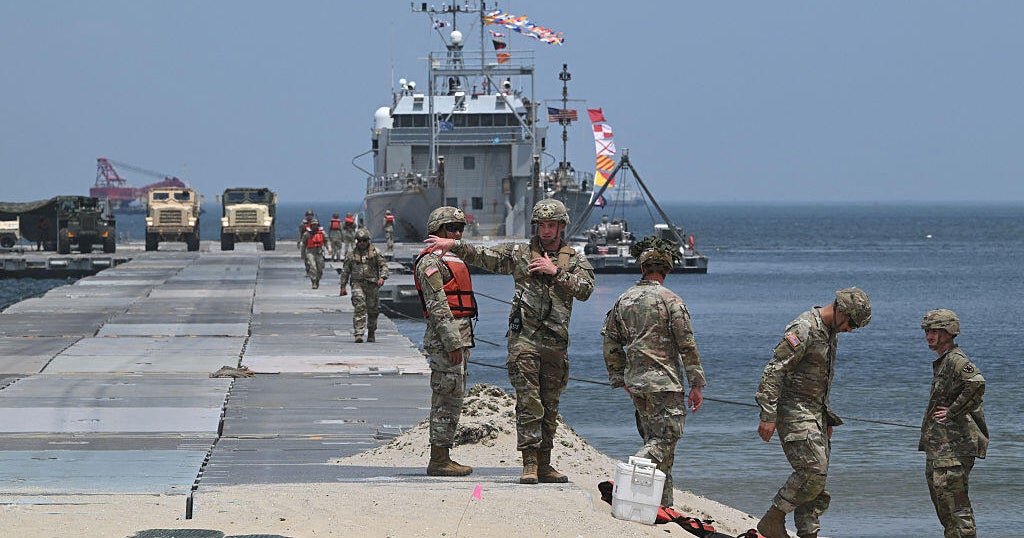
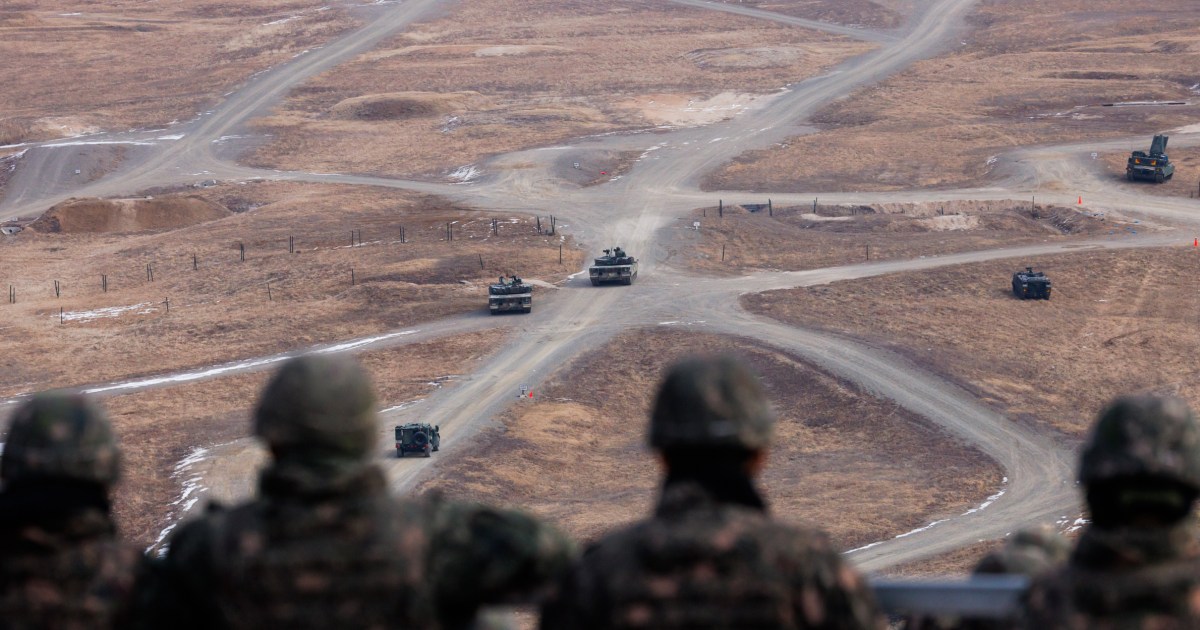
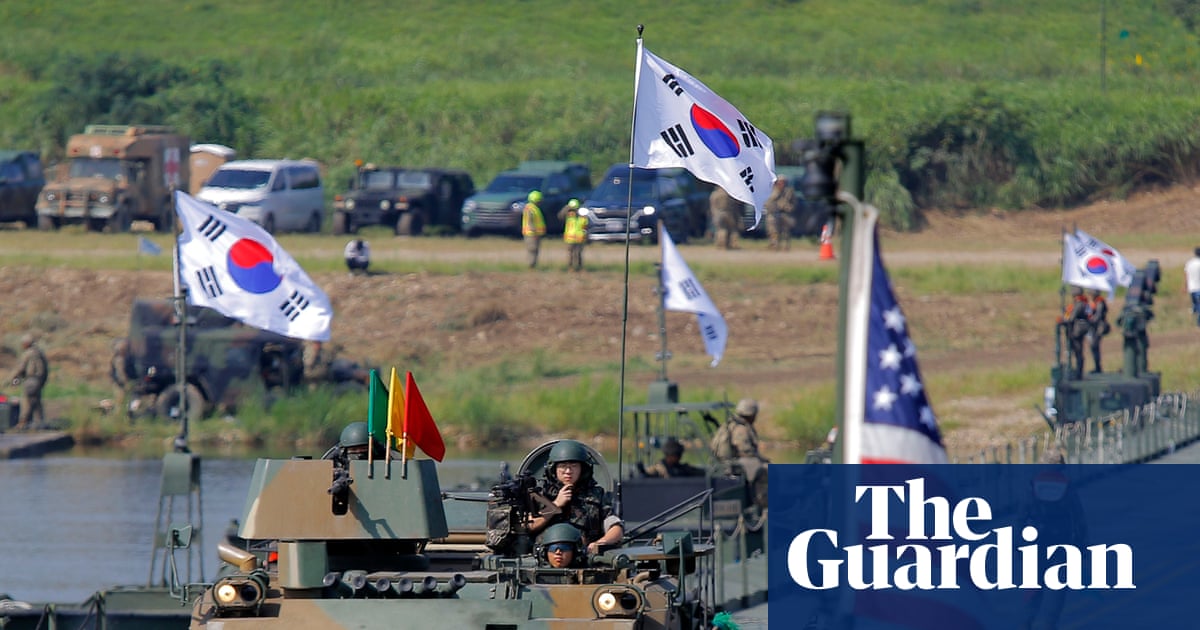
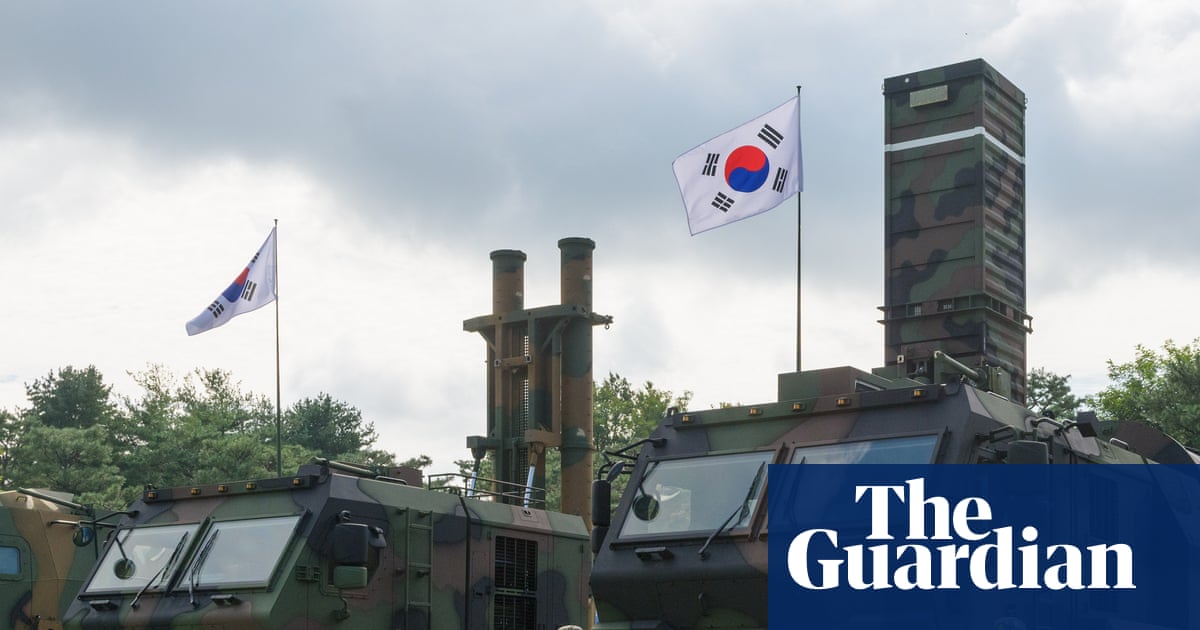
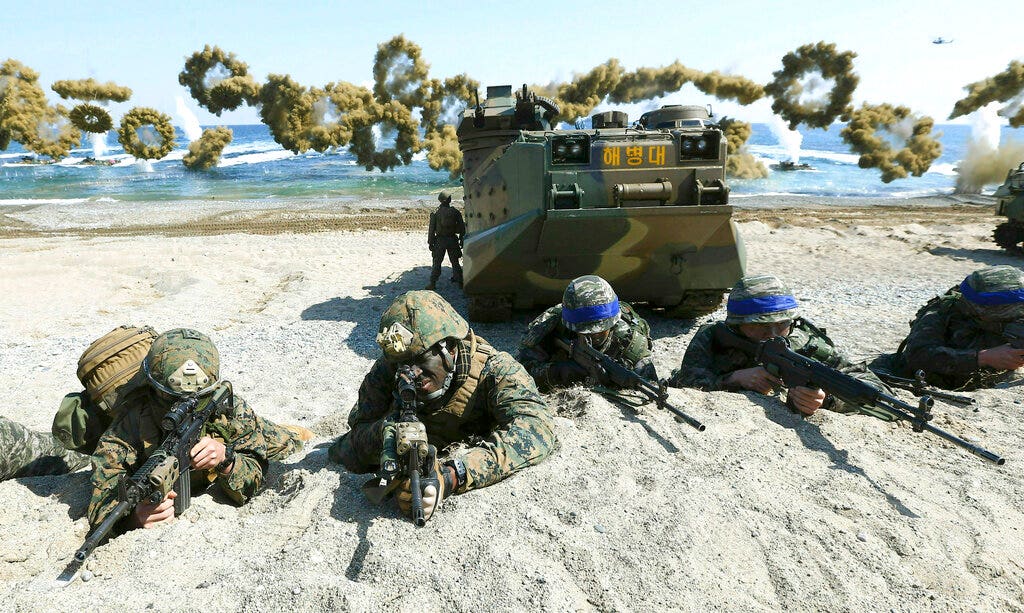
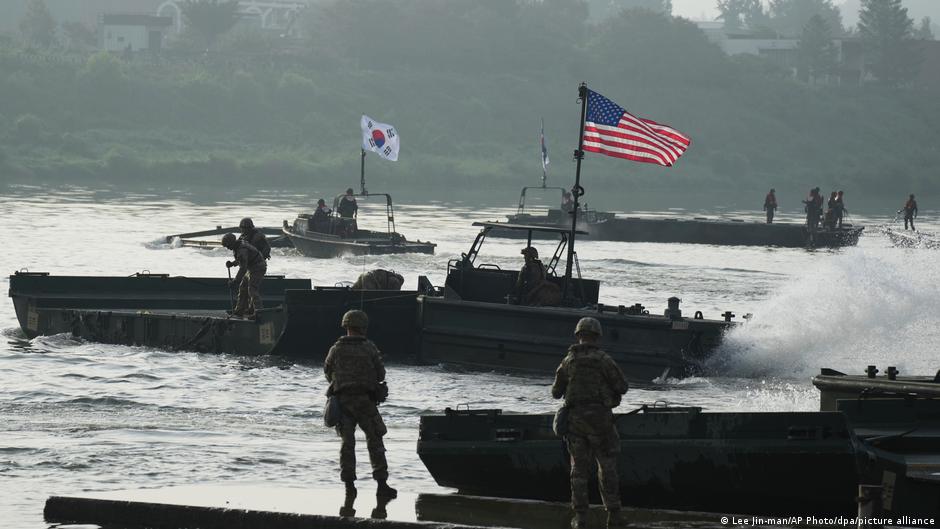
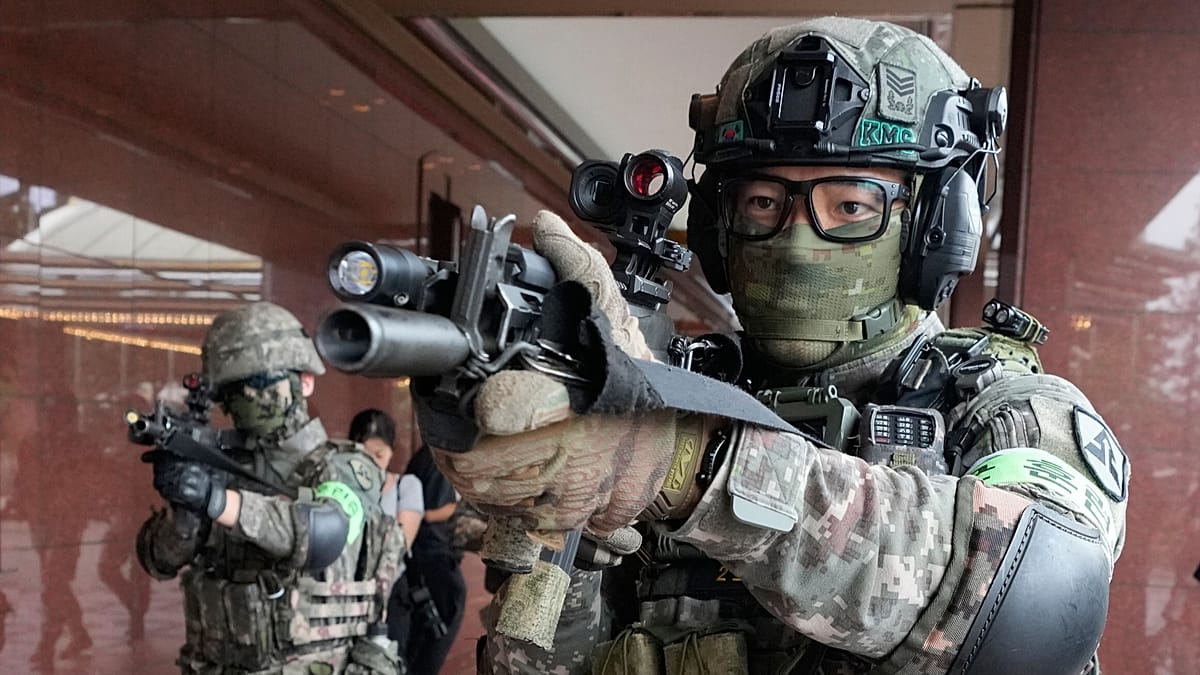
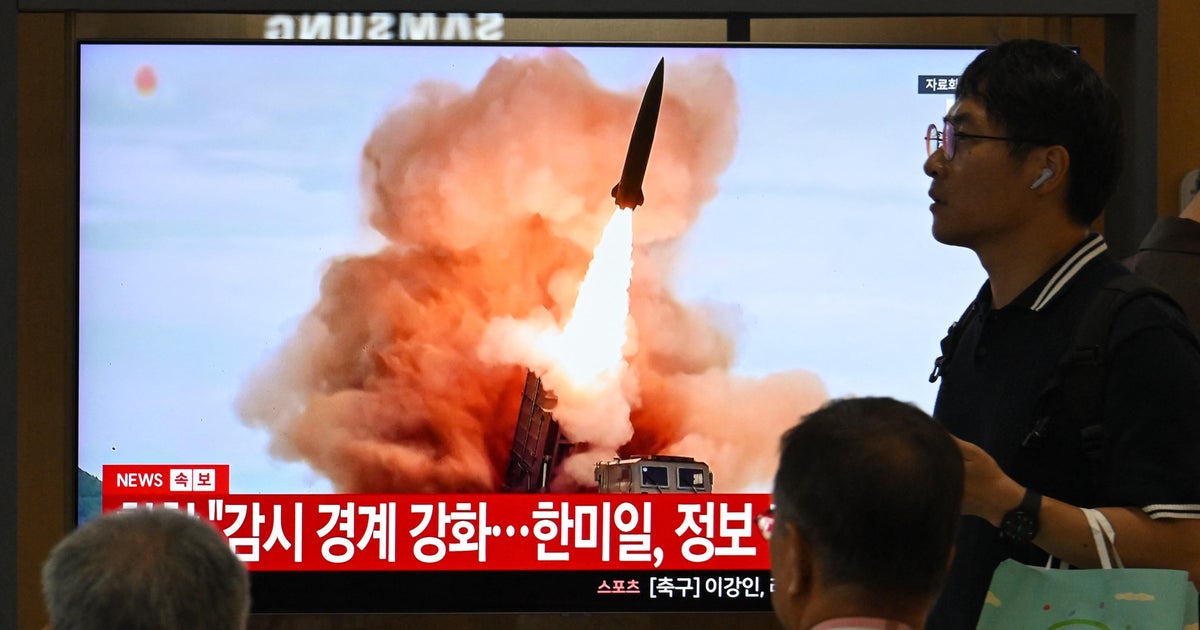
President Trump ordered the US and South Korea to cut short their joint military drills, known as Ulchi Freedom Shield, which began on Monday. The exercises will now end on Friday, one week earlier than planned, after Defense Secretary Pete Hegseth directed the cuts at Trump's request. According to a Defense Department official, the joint drills were "substantially reduced" with some events canceled or converted to simulations. The move is seen as a concession to North Korean leader Kim Jong Un and has been criticized by experts who say it may weaken the US-South Korea alliance.
Written by the local model on 2026-08-19,
using this article's own text rather than the other coverage of the
same event (that is the story summary below).
Story summary
US President Donald Trump announced on Sunday that he would be scaling back US military exercises with South Korea, citing his "very good" relationship with North Korean leader Kim Jong Un and claiming that the exercises were expensive. The annual drills, known as Ulchi Freedom Shield, were originally scheduled to run from August 13-27, but have been reduced in scope and scale at the direction of Trump and Defense Secretary Pete Hegseth.
The decision has caused alarm among South Koreans, who rely heavily on the US for their security, as well as other US allies in the region. North Korea has been threatening a "new level" of nuclear deterrence in response to the planned drills, which Pyongyang state media called "a rehearsal for an invasion war."
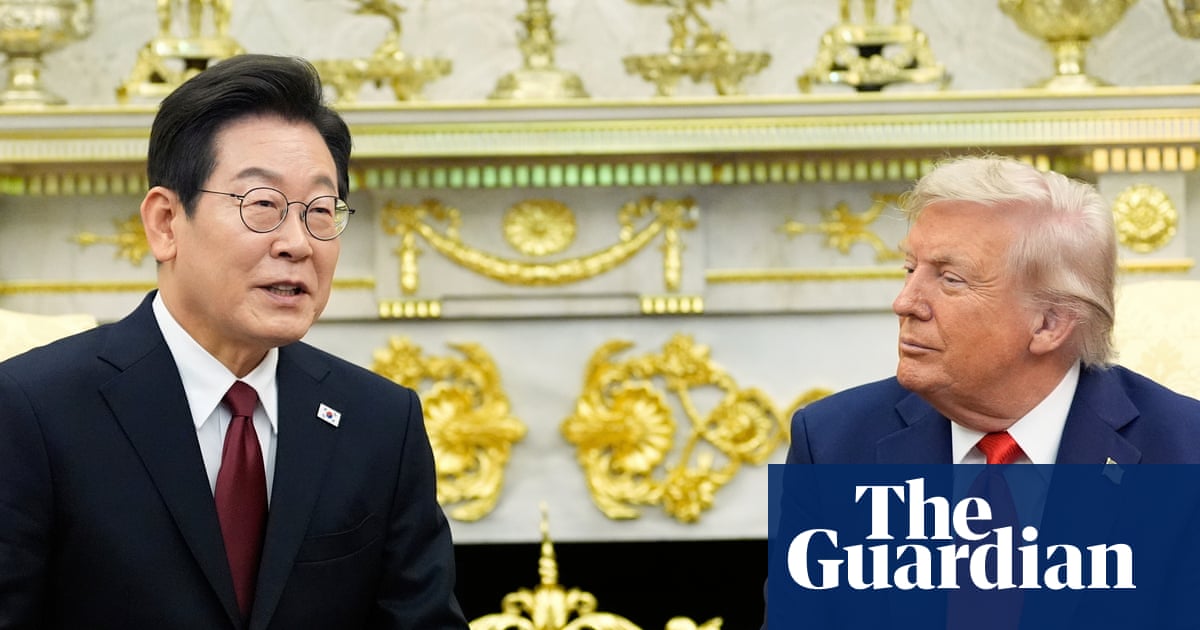
South Korean President Lee Jae Myung, who had previously floated the idea of reducing joint military exercises with the US as a tool for drawing North Korea back to the table, has renewed his calls for wartime operational control of the military and progress on South Korea's nuclear submarine programme.
The decision to cut short the drills marks a significant shift in Trump's approach to North Korea, which he had previously criticized for its missile tests and threats. Trump added that US involvement in the exercises would send a "signal that is totally inappropriate and hostile" to North Korea, which he said has been "unthreatening and respectful" to his presidency.
The move has also sparked concerns among analysts and US senators about Trump's willingness to prioritize North Korean denuclearization over South Korea's security. Some have criticized Trump's approach as naive, citing the recent spate of North Korean missile tests and threats.
Written for “US-South Korea Military Tensions” on 2026-08-31,
grounded in this article and the 21 other(s) covering the same event.
Why this leaning score
No quote from the article could be verified for this score. The
model gave a number without evidence that survives checking, so
there is nothing here for you to read against the original.
Leaning score +0.35 for article 1347 (low confidence, 0 verified quotes) · logged 2026-08-21
The South Korean and U.S. militaries have agreed to shorten their drills
, officials for both nations acknowledged Wednesday, days after President Trump ordered cuts to the exercises.
asserted
Trump → agree → exercises
The allies' summertime Ulchi Freedom Shield exercises began Monday morning for an 11-day run, just after Mr. Trump ordered they be scaled back.
asserted
they → begin → run
Mr. Trump cited what he said was a good relationship with North Korean leader Kim Jong Un and South Korea's refusal to join the
.A Defense Department official
asserted
he → cite → official
told CBS News in a statement Tuesday evening that, at the direction of Mr. Trump and Defense Secretary Pete Hegseth, the joint drills had been "substantially reduced" and would end Friday, one week earlier than had been originally scheduled.
asserted
drills → tell → Trump
"Associated live-training events have been reduced, with certain events canceled or converted to simulations," the official said.
asserted
official → reduce → simulations
"These adjustments preserve essential readiness and training objectives.
asserted
adjustments → preserve → readiness
South Korea's Joint Chiefs of Staff confirmed in a separate statement the reduced timeline came at the request of the U.S.
asserted
timeline → confirm → U.S.
It said the allies also agreed to downsize some joint field training exercises.
asserted
allies → say → exercises
The Joint Chiefs of Staff added that, going forward, the two nations would "discuss and implement various measures aimed at achieving the objectives of the UFS exercise and establishing a combined defense posture."
asserted
nations → add → posture
Many experts say Mr. Trump's move threatens to hurt combined U.S.-South Korean readiness and eventually weaken their decades-long alliance.
asserted
move → say → alliance
Ulchi Freedom Shield is largely a computer-simulated command post exercise meant to hone the allies' ability to deal with potential regional security threats like North Korean aggression.
asserted
Shield → simulate → aggression
The two countries usually hold field training exercises during the command post exercise period.
asserted
countries → hold → period
The drills and a similar springtime exercise are a central pillar of the U.S.-South Korea alliance, which dates to the 1950-53 Korean War.
asserted
which → date → War
But they're also a long-running source of tensions with North Korea, which has denounced the exercises as a rehearsal for war and responded with provocative missile tests.
asserted
which → run → tests
North Korea hasn't responded to Mr. Trump's overture.
asserted
Korea → respond → overture
But earlier Wednesday, its state news agency, KCNA, published commentary slamming the U.S.-South Korean military drills as "frantic" and "extremely dangerous" and vowing to completely frustrate its rivals' hostilities.
asserted
agency → publish → hostilities
Experts said North Korean leader Kim Jong Un, now emboldened
and expanding military cooperation, won't likely embrace Mr. Trump's overture anytime soon unless he's promised bigger concessions.
asserted
he → say → concessions
In response to Mr. Trump's previous outreach, Kim suggested last year that he can return to talks only after the U.S. drops its demand of a North Korean denuclearization as a precondition for diplomacy.
uncertain
U.S. → suggest → diplomacy
Mr. Trump and Kim met three times from 2018-2019 but their high-stakes diplomacy eventually fell apart over wrangling over a North Korean demand for extensive sanctions relief in return for limited denuclearization steps.
asserted
diplomacy → meet → steps