In short:
Japan's defence minister has stressed that cooperation between Australia, Japan and the US is growing ever-more important.
asserted
cooperation → stress → Australia
Australia and Japan's defence ministers sat down in Canberra today to discuss the rapidly expanding defence ties between the countries.
asserted
Australia → sit → countries
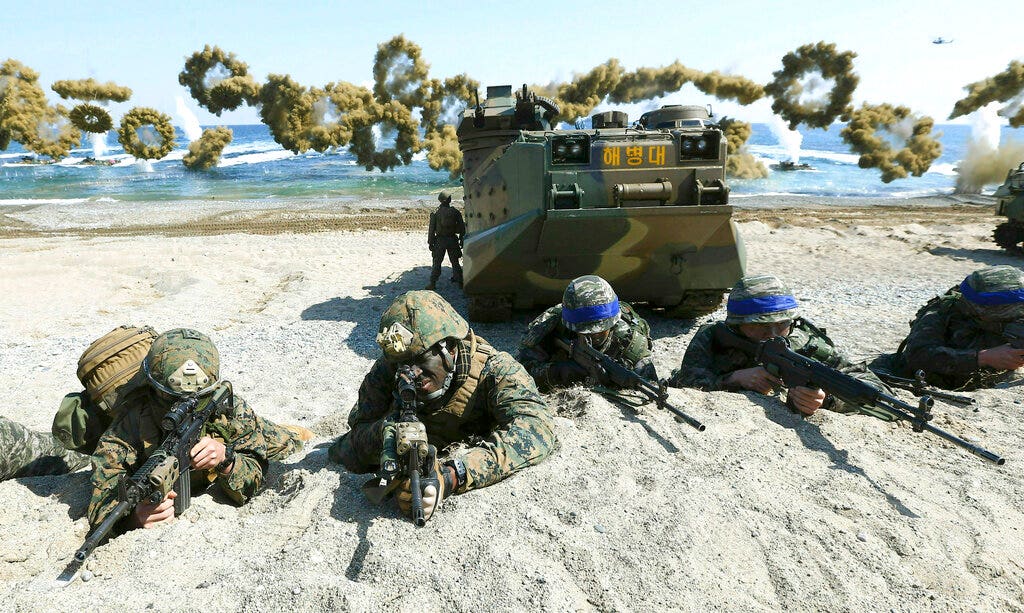
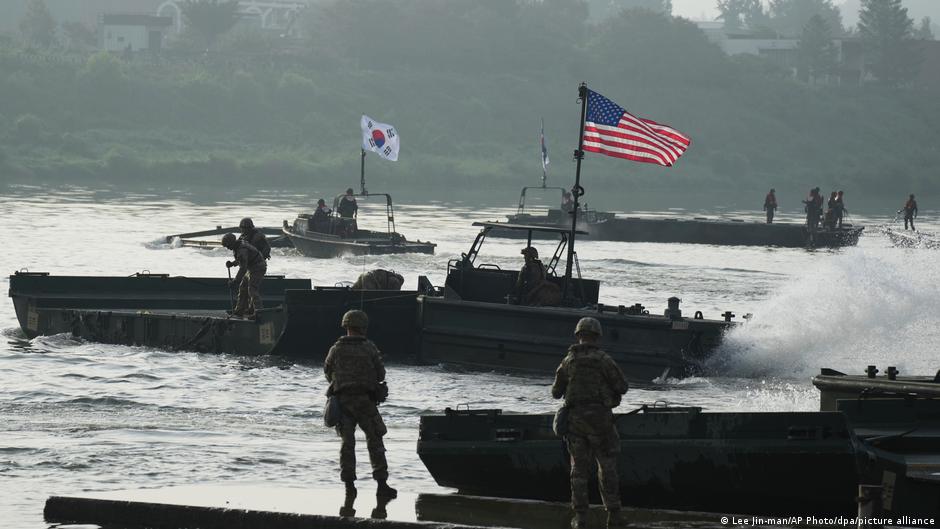
It comes as President Donald Trump has scaled back military drills with South Korea.
asserted
Trump → come → Korea
Australia and Japan's defence ministers have side-stepped questions about Donald Trump's pronouncement that he will scale back military exercises with South Korea — as well as the US president's overtures to North Korean dictator Kim Jong Un — while signalling they still see Pyongyang as a serious security threat.
asserted
they → step → threat
Shinjiro Koizumi and Richard Marles sat down in Canberra today to discuss the rapidly expanding defence ties between the two countries.
asserted
Koizumi → sit → countries
Both countries are increasingly anxious about China's rapidly swelling military might, as well as the Trump administration's chaotic and unpredictable behaviour.
uncertain
countries → swell → might
The US president promised on Monday that he would scale back US participation in the Ulchi Freedom Shield exercises because Seoul had not helped the US war effort in Iran, and this morning suggested that North Korean dictator Kim Jong Un had responded "positively" to the move.
uncertain
Un → promise → move
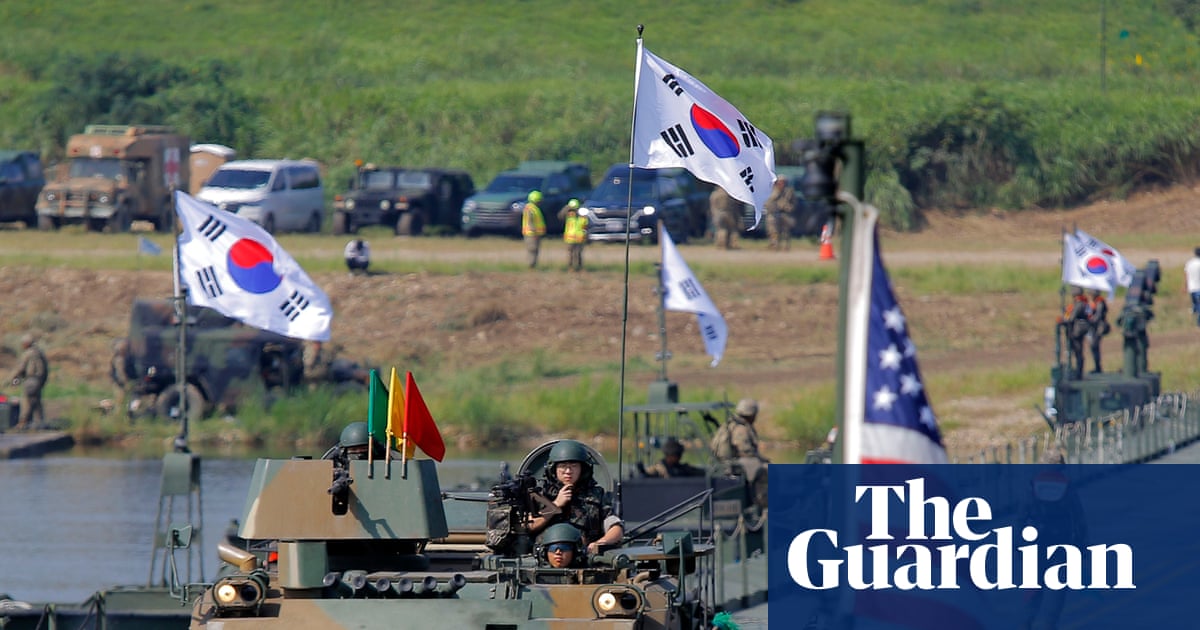
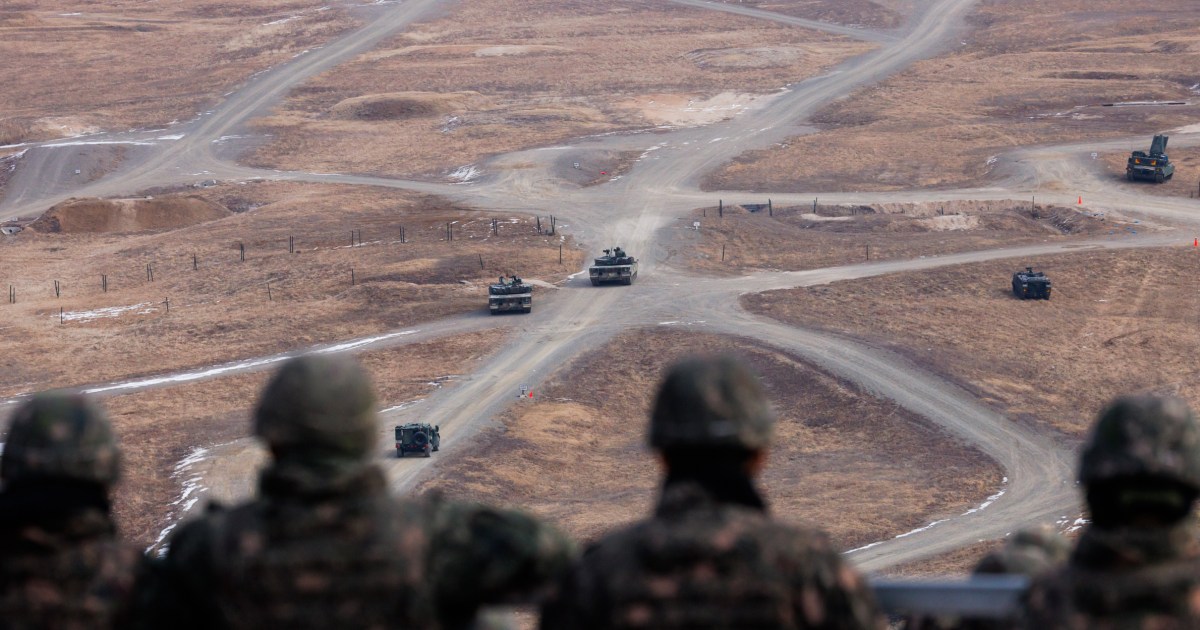
The joint exercises that started yesterday are scheduled to run until later in August, with about 18,000 South Korean military personnel taking part -as well as a small contingent of 13 ADF personnel who are serving as part of United Nations Command.
asserted
who → start → Command
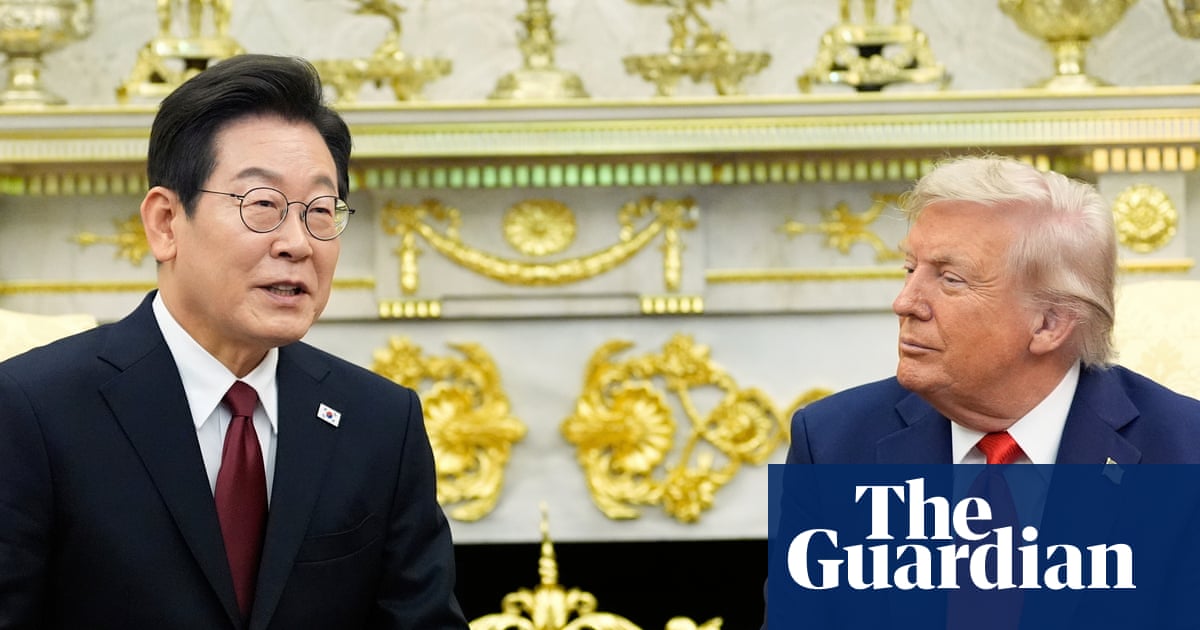
South Korean President Lee Jae Myung said this morning the annual exercises are defensive and not intended to attack North Korea or raise tensions on the peninsula.
asserted
exercises → say → peninsula
Last week, Mr Lee proposed talks to officially end the war with Pyongyang, although North Korea has routinely tested ballistic missiles and strengthened its military ties with Russia.
asserted
Korea → propose → Russia
'Critical' cooperation
Analysts and US senators on both sides of the aisle have warned Mr Trump's move risks alienating South Korea and undercutting US credibility in Asia, while Korean media have quoted a Japanese foreign affairs official warning "we must not weaken our posture to respond to threats."
But Mr Koizumi was much more careful when asked about the announcement, simply saying that countries like North Korea and Russia were posing an increasingly severe threat to Japan's security, and that US allies needed to deepen cooperation in response.
"
asserted
allies → warn → response
The missile enhancement and coercive and unilateral challenge to the status quo by other countries and North Korea … is getting stronger," he told journalists in Canberra.
asserted
he → get → Canberra
Mr Marles also would not be drawn on the US president's announcement, saying "obviously what the United States does is a matter for it."
asserted
does → draw → it
But he stressed that Australia was still "very concerned" about North Korea's nuclear and missile programs, saying that South Korea was a "critically important" defence partner for Australia.
"In the challenging world we face — and there are many challenges but North Korea is the author of quite [a lot] of them — we greatly appreciate our relationship with South Korea and we very much appreciate our relationship with Japan,"he said.
asserted
we → stress → Japan,"he
The chief executive of the Australian Institute of International Affairs and a Japan expert, Bryce Wakefield, told the ABC that both countries would be monitoring the US administration's moves very closely.
"
asserted
countries → tell → moves
Tokyo's response to this development won't be panic, but it reinforces Japan's concern that longstanding alliance arrangements can become bargaining chips in Trump's personal diplomacy," he said.
asserted
he → reinforce → diplomacy
"We saw this in the US president's first-term approaches to North Korea, and we're now seeing it at a time when North Korea is still testing missiles."
asserted
Korea → see → missiles
Dr Wakefield said that Canberra would be "uneasy for much the same reason" as Japan.
asserted
Canberra → say → Japan
"Australia puts a lot of stock in exercises and interoperability," he said.
asserted
he → put → exercises
"It will worry less about this particular drill than the signal that the US is now changing regional commitments abruptly, according to Trump's transactional approach."
uncertain
US → worry → approach
One Japanese government source said the two ministers "referred" to the president's plans in their meeting but said the overwhelming focus was on the way the two countries — often labelled as "quasi-allies" — could continue to quickly build up defence ties.
uncertain
countries → say → ties
Japan to test hypersonic missiles in Australia
asserted
Japan → test → Australia
Australia announced last year that a Japanese company had won a multi-billion-dollar contract for Australia's next generation of warships, and signed a contract for the first three frigates in Melbourne earlier this year.
asserted
company → announce → Melbourne
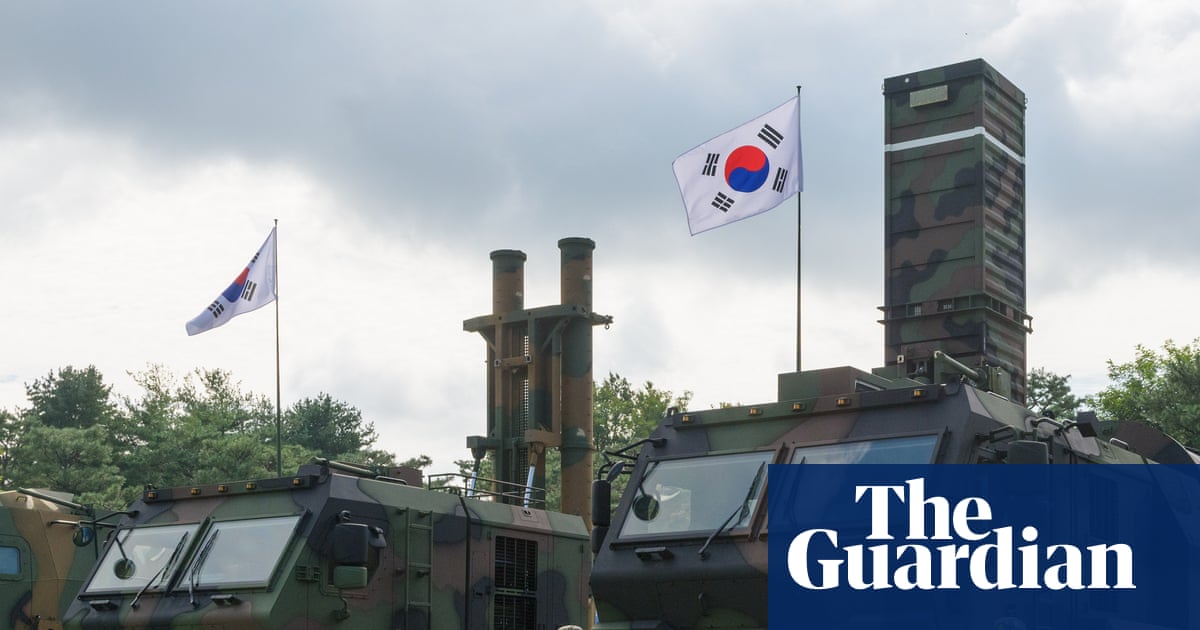
The two ministers confirmed they were pressing ahead with plans to expand Japan's access to Australia's missile ranges to allow it to conduct sophisticated tests — including with hypersonic missiles.
asserted
it → confirm → missiles
Japan has moved to rapidly increase defence spending to respond to China's massive military build-up, including by investing in advanced equipment such as long-range missiles and hypersonic weapons.
asserted
Japan → move → missiles
"We have agreed to progress a better and enhanced arrangement between Australia and Japan for Japan's use of our missile ranges over the next decade across a range of missile capabilities," Mr Marles said.
asserted
Marles → agree → capabilities
Mr Koizumi said it would be only the second time Japan would have a missile test range arrangement, behind the United States.
asserted
Japan → say → States
"If the Japan Self Defence Forces are able to conduct test launches of stand-off missiles, such as hypersonic missiles in Australia, it would be a groundbreaking development," he said.
asserted
he → conduct → Australia
Both ministers also said the two countries were making good progress on a new high-energy laser that they were developing together called the Boobook project — named after an Australian owl.
asserted
they → say → owl
Mr Marles said tests had been successful and it would offer "greater protection and situational awareness by using laser to optically detect incoming threats."
Mr Koizumi also met with Prime Minister Anthony Albanese in Canberra, but told journalists they did not discuss Mr Albanese's comments about the melons gifted to him by Prime Minister Sanae Takaichi — despite the political furore it provoked in Australia last week.
"
asserted
it → say → Australia
Before I visited Australia, the Australian side already told the Japanese side … that [the prime minister] did not mean it that way," he said.
asserted
he → visit → it
 The Aporia