The Independent World
· collected 2026-08-19 · by Alisha Rahaman Sarkar
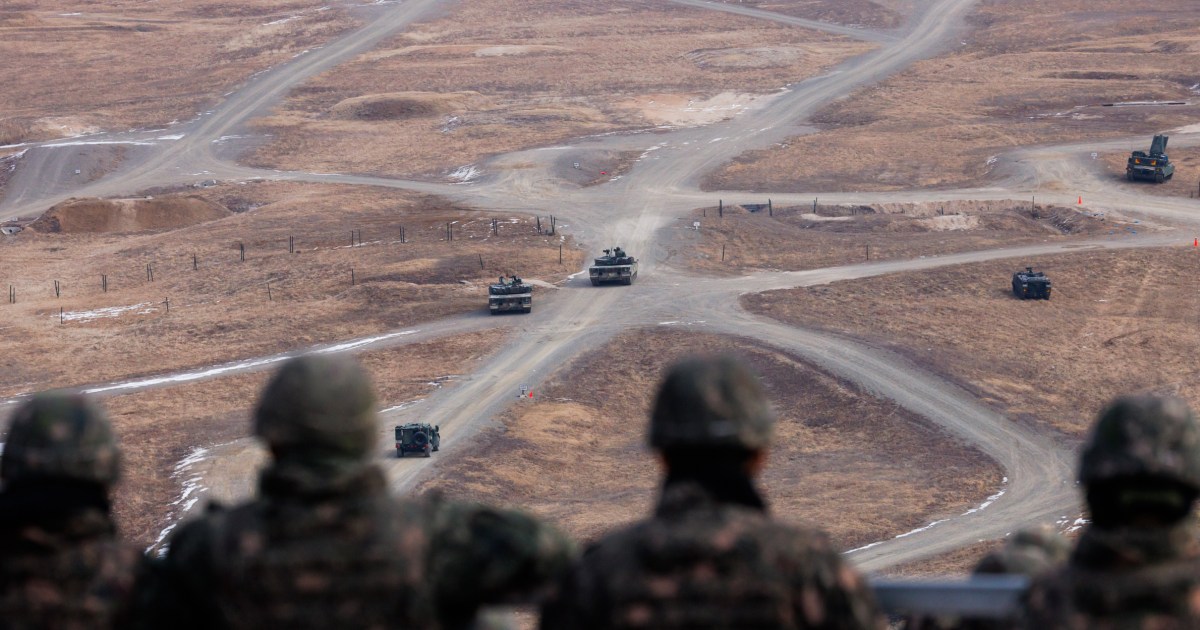
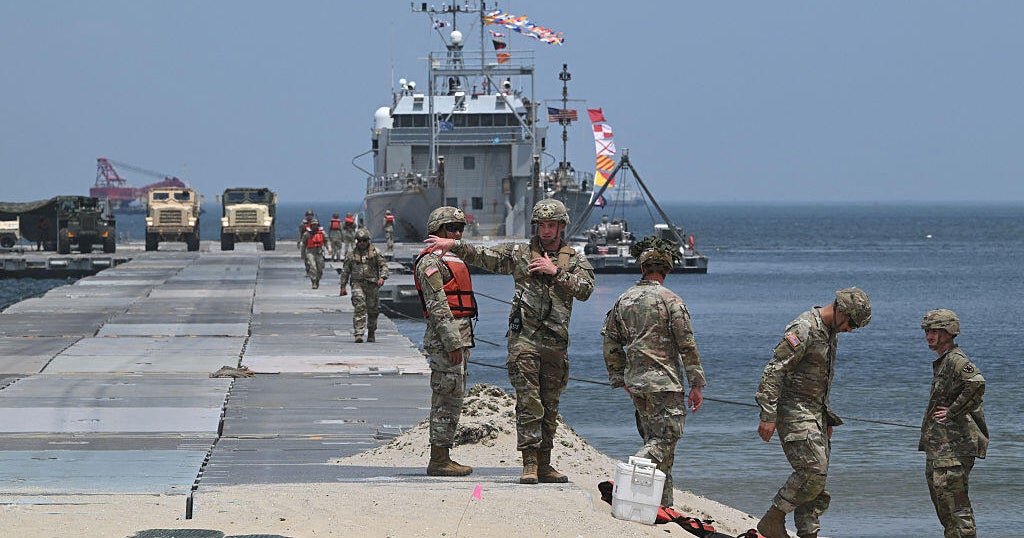
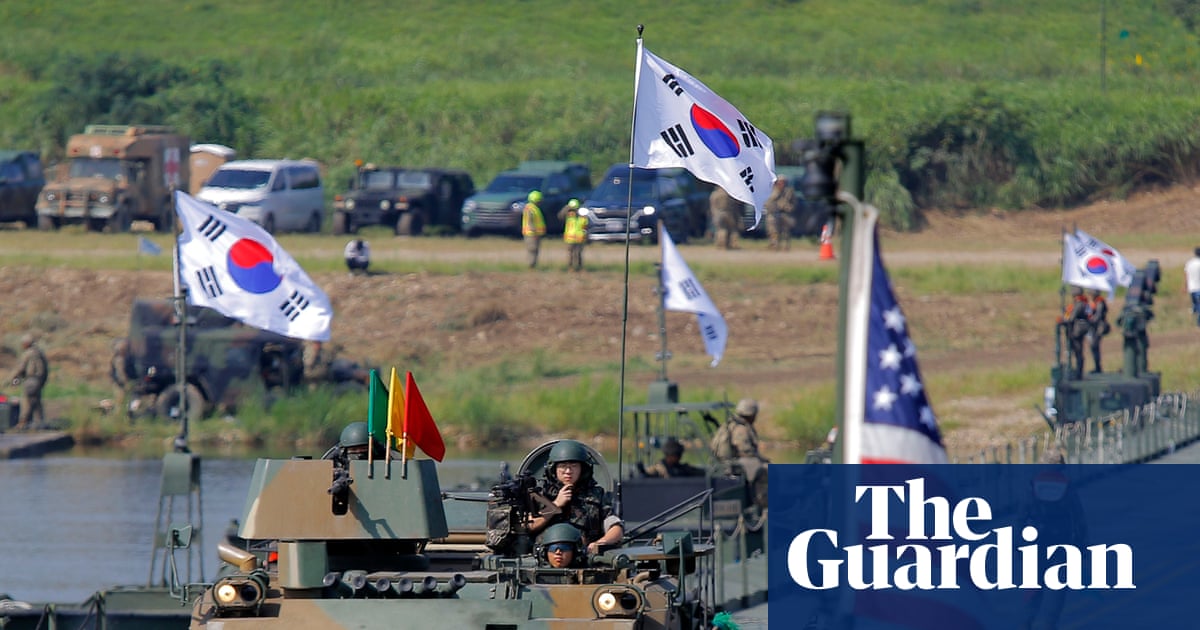
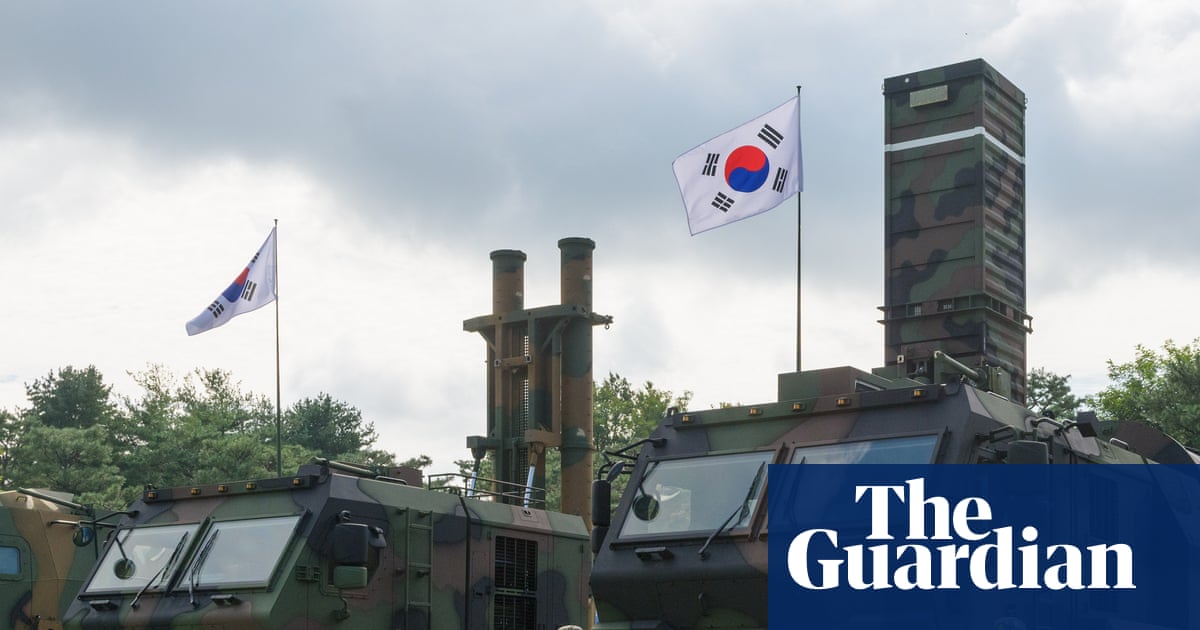
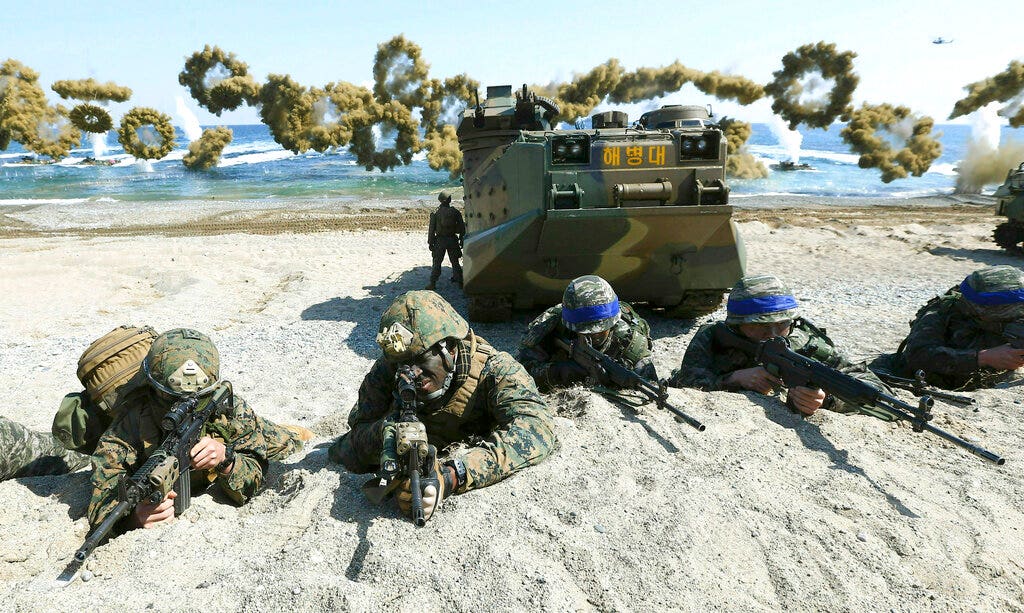
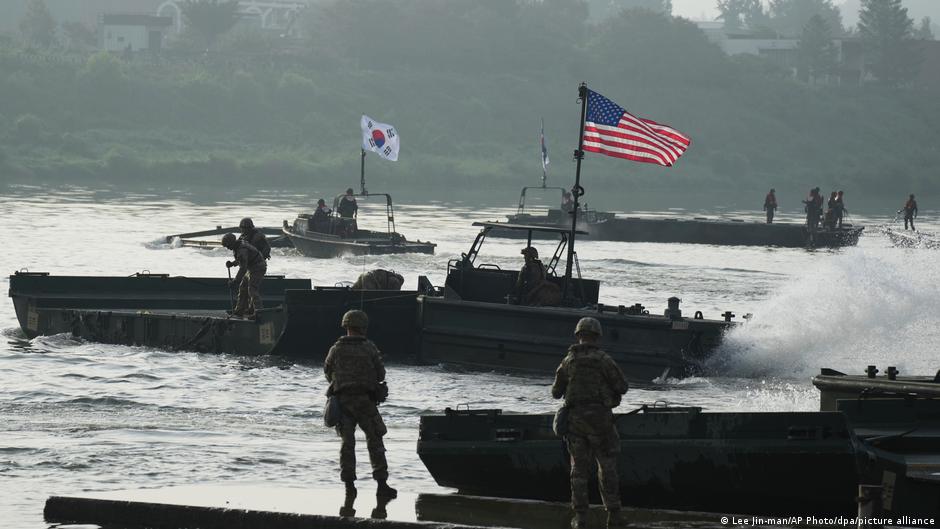
The South Korean military announced that joint drills with the US have been cut short at Washington's request as part of an effort by President Trump to improve relations with North Korea. The Ulchi Freedom Shield exercise was scheduled to end on August 28 but will now conclude on August 21, almost a week earlier than planned. According to Pentagon officials, some exercises were substantially reduced or cancelled, while others were switched to simulations, in order to "preserve essential readiness and training aims". The decision has raised concerns among experts that the defense pact between South Korea and the US may be compromised due to the sudden changes.
Written by the local model on 2026-08-19,
using this article's own text rather than the other coverage of the
same event (that is the story summary below).
Story summary
US President Donald Trump announced on Sunday that he would be scaling back US military exercises with South Korea, citing his "very good" relationship with North Korean leader Kim Jong Un and claiming that the exercises were expensive. The annual drills, known as Ulchi Freedom Shield, were originally scheduled to run from August 13-27, but have been reduced in scope and scale at the direction of Trump and Defense Secretary Pete Hegseth.
The decision has caused alarm among South Koreans, who rely heavily on the US for their security, as well as other US allies in the region. North Korea has been threatening a "new level" of nuclear deterrence in response to the planned drills, which Pyongyang state media called "a rehearsal for an invasion war."
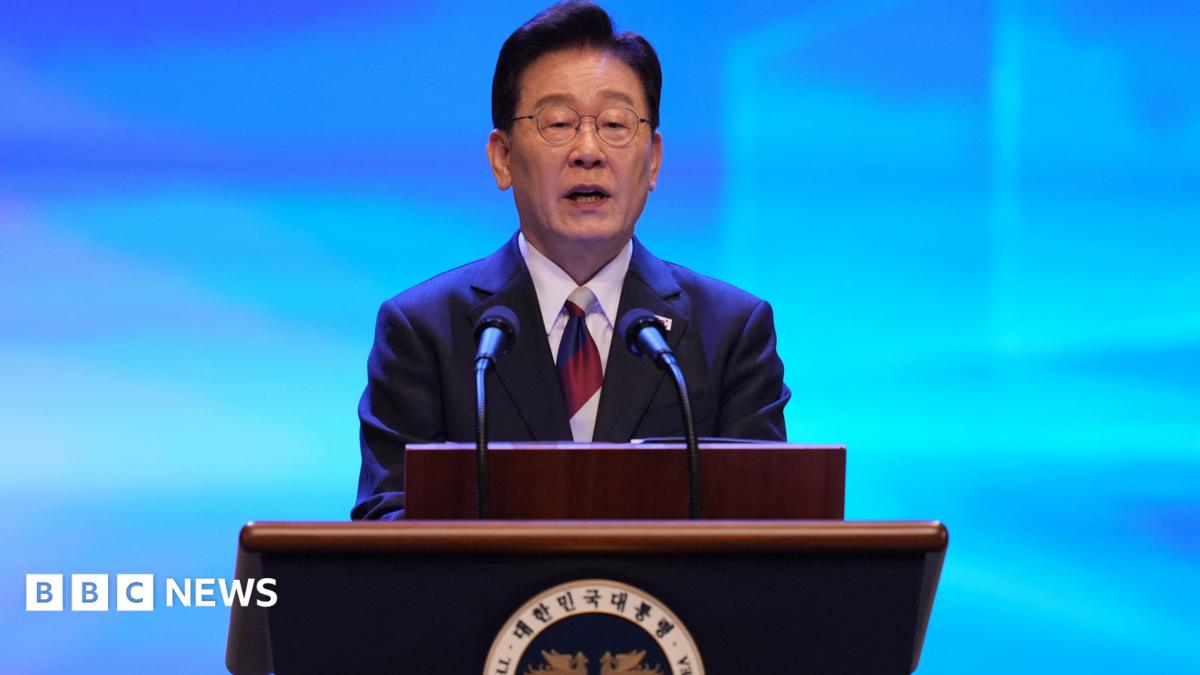
South Korean President Lee Jae Myung, who had previously floated the idea of reducing joint military exercises with the US as a tool for drawing North Korea back to the table, has renewed his calls for wartime operational control of the military and progress on South Korea's nuclear submarine programme.
The decision to cut short the drills marks a significant shift in Trump's approach to North Korea, which he had previously criticized for its missile tests and threats. Trump added that US involvement in the exercises would send a "signal that is totally inappropriate and hostile" to North Korea, which he said has been "unthreatening and respectful" to his presidency.
The move has also sparked concerns among analysts and US senators about Trump's willingness to prioritize North Korean denuclearization over South Korea's security. Some have criticized Trump's approach as naive, citing the recent spate of North Korean missile tests and threats.
Written for “US-South Korea Military Tensions” on 2026-08-31,
grounded in this article and the 21 other(s) covering the same event.
The South Korean military on Wednesday said the joint drills with the US have been cut short at Washington's request as Donald Trump tries to restore his ties with North Korean dictator Kim Jong Un.
asserted
Trump → say → Un
The Ulchi Freedom Shield exercise, which began on Monday, would end on 21 August, almost a week earlier than scheduled, announced South Korea's joint chief of staff.
asserted
chief → begin → staff
Seoul said both nations have agreed to downsize some joint field training exercises "at the request of the US".
asserted
nations → say → US
South Korean defence minister, Ahn Gyu Back, said the allies have cancelled the second phase of the drills, which was focused on counterattack operations after an initial defensive phase.
asserted
which → say → phase
A Pentagon official said the defence department had substantially reduced the exercise and associated live-training events, with some cancelled or switched to simulations.
asserted
some → say → simulations
"The changes would preserve essential readiness and training aims, with no degradation to US training objectives," the official added.
asserted
official → preserve → objectives
Experts worry that the revised end could potentially harm the defence pact between the two long-term defence allies as president Trump extends his outreach to mend ties with North Korea.
uncertain
Trump → worry → Korea
Mr Trump on Sunday issued sudden instructions to his defence secretary, Pete Hegseth, to reduce the exercises based on his “very good relationship” with the North Korean leader.
asserted
Trump → issue → leader
He claimed the days-long annual drill sent a "totally inappropriate and hostile” signal to Pyongyang, which has consistently condemned the joint drills in its backyard.
asserted
which → claim → backyard
Ahead of the joint drills, the North responded by launching two ballistic missiles into the sea.
asserted
North → respond → sea
South Korean foreign minister Cho Hyun informed a parliamentary hearing that officers from South Korean and the US were not made aware of Mr Trump's move.
asserted
officers → inform → move
Ulchi Freedom Shield is largely a computer-simulated command post exercise meant to hone the allies' ability to deal with potential North Korean aggression.
asserted
Shield → simulate → aggression
The two countries usually hold a set of field training exercises during the command post exercise period.
asserted
countries → hold → period
The drills and a similar springtime exercise are a central pillar of the US-South Korea alliance, dating back to the 1950s Korean War, which ended in an armistice rather than a peace treaty.
asserted
which → date → armistice
It is reportedly the first time when a US-South Korean drill has been cut short while it was underway instead of cuts being pre-decided.
uncertain
it → cut → cuts
A reduction or suspension of military drills matters because military commanders change periodically and one-year suspension of drills would mean commanders unfamiliar with the procedures of the drills would be taking part when they resume, according to Yang Uk, an analyst at Seoul's Asan Institute for Policy Studies.
uncertain
they → matter → Studies
The North denounced the drills again on Wednesday, saying it would continue exercising its right to self-defence against what it called military threats from Washington and Seoul, the official news agency KCNA said.
asserted
agency → denounce → Washington
It called the US and South Korea "warmongers" raising tension on the Korean peninsula, but stopped short of mentioning Mr Trump, his order or the scaling back.
Mr Trump has pushed aides to arrange an in-person meeting with the North's leader as soon as this autumn, the Wall Street Journal reported.
asserted
Journal → call → autumn
He has discussed holding talks during a possible November trip to Asia for the Asia-Pacific Economic Cooperation summit in the Chinese technology hub of Shenzhen, the paper added.
asserted
paper → discuss → Shenzhen
The US president on Monday posted an edited picture of Mr Kim speaking to him on the phone and saying, “Hey Donald, We Cool... Right?”
asserted
We → post → phone
Many experts said Mr Kim, now emboldened by his advancing nuclear programme and expanding military cooperation with Russia, won't likely embrace Mr Trump's overture anytime soon unless he's promised bigger concessions.
asserted
he → say → concessions
In response to Mr Trump's previous outreach, Mr Kim suggested last year that he can return to talks only after the US drops its demand for North Korean denuclearisation as a precondition for diplomacy.
uncertain
US → suggest → diplomacy
Both leaders met three times from 2018-2019 but their high-stakes diplomacy eventually fell apart over wrangling over a North Korean demand for extensive sanctions relief in return for limited denuclearisation steps.
asserted
diplomacy → meet → steps
On Monday, the office of South Korean president Lee Jae Myung expressed hopes that a "friendly relationship" between Trump and Kim would lead to "meaningful dialogue" between their countries to promote peace on the Korean Peninsula.
asserted
relationship → express → Peninsula