World news | The Guardian
· collected 2026-08-19 · by Raphael Rashid in Seoul
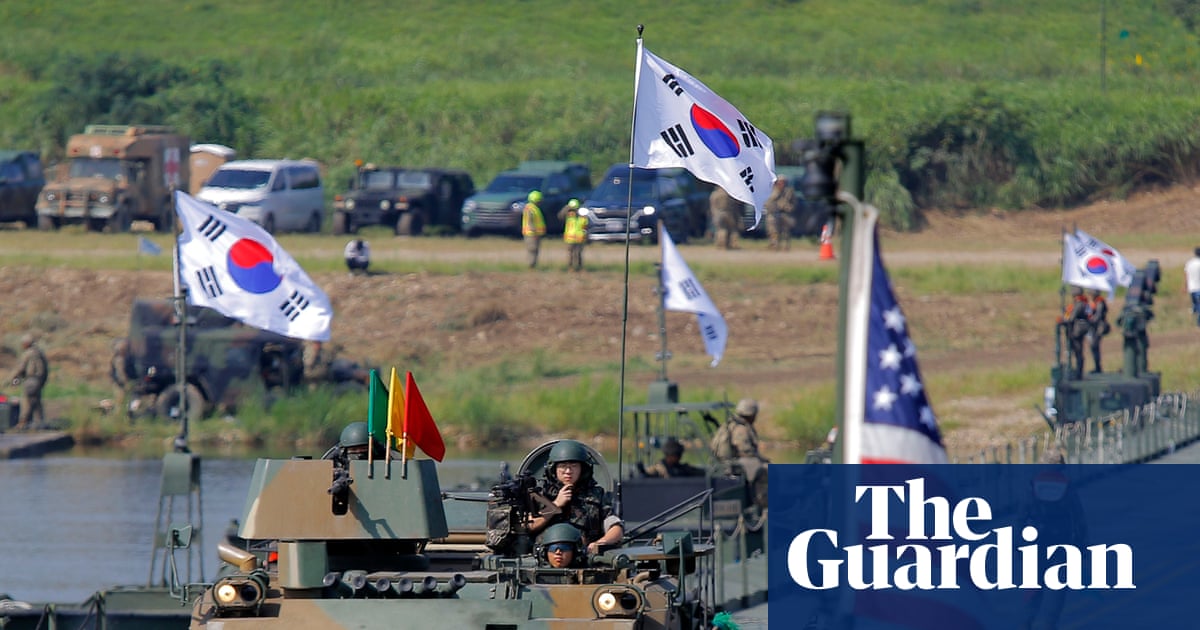
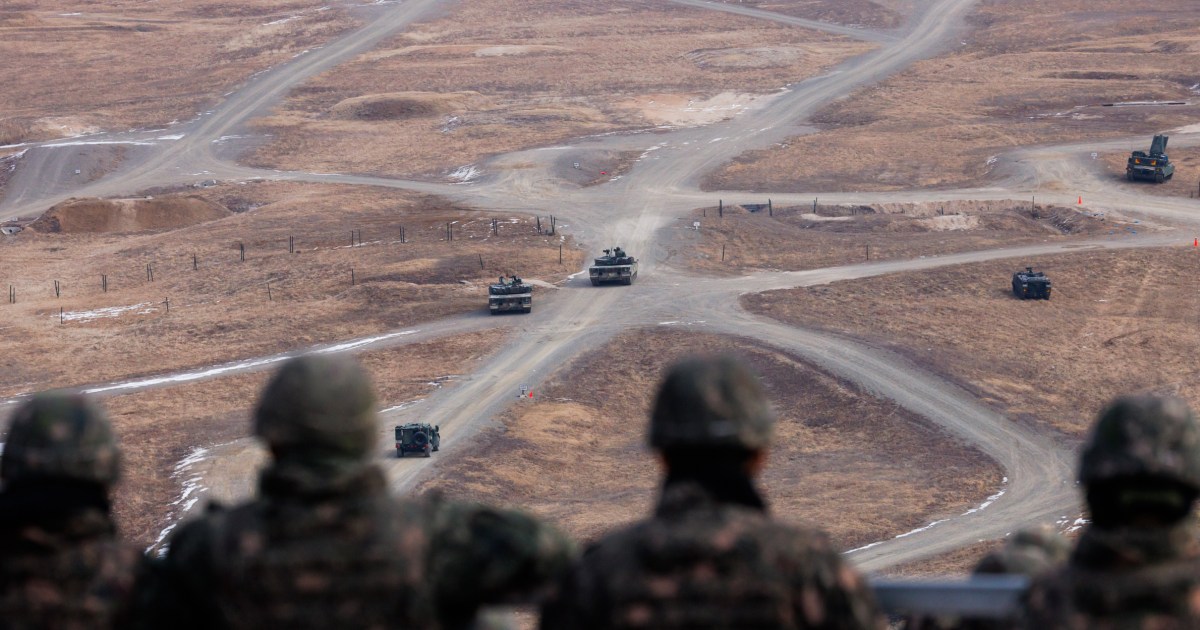
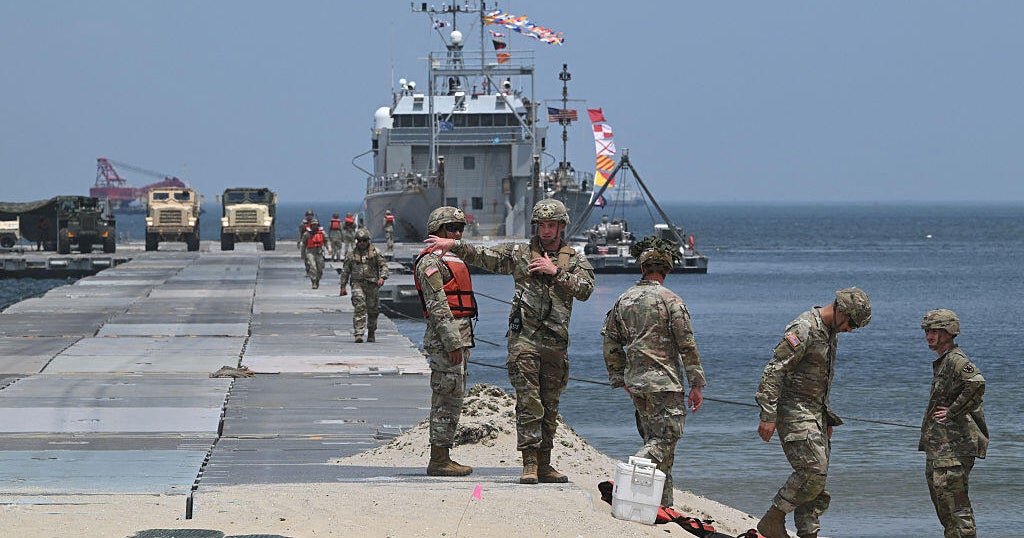
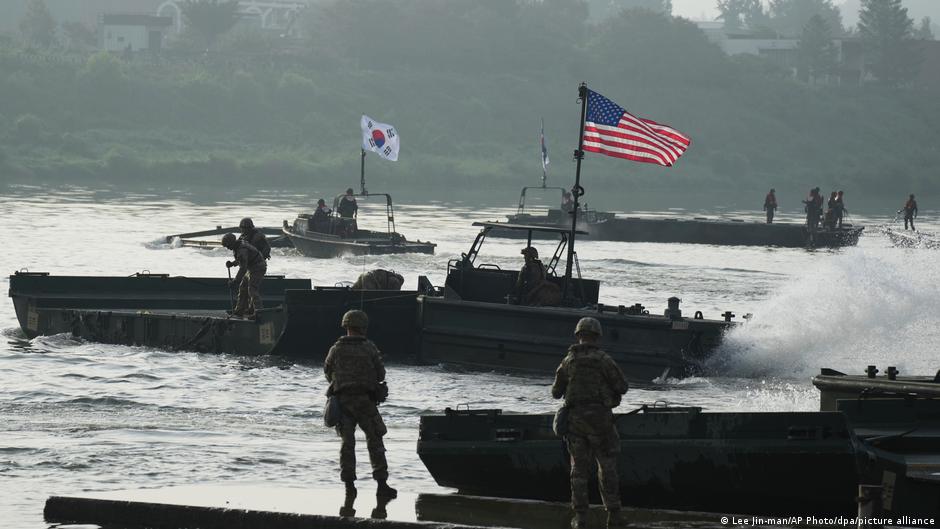
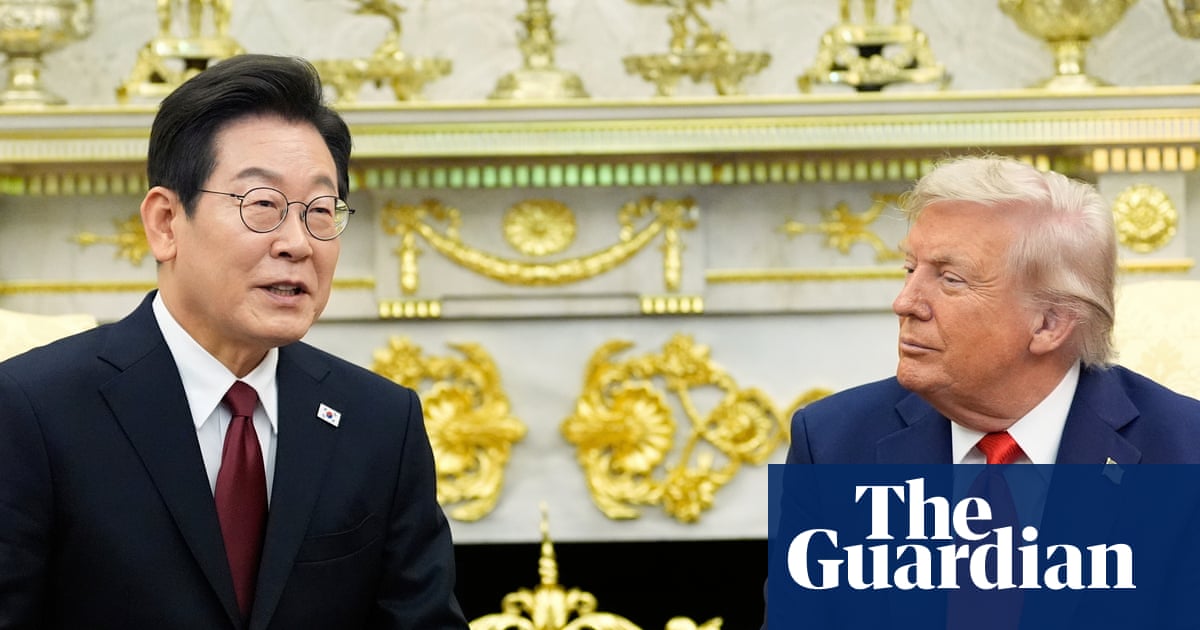
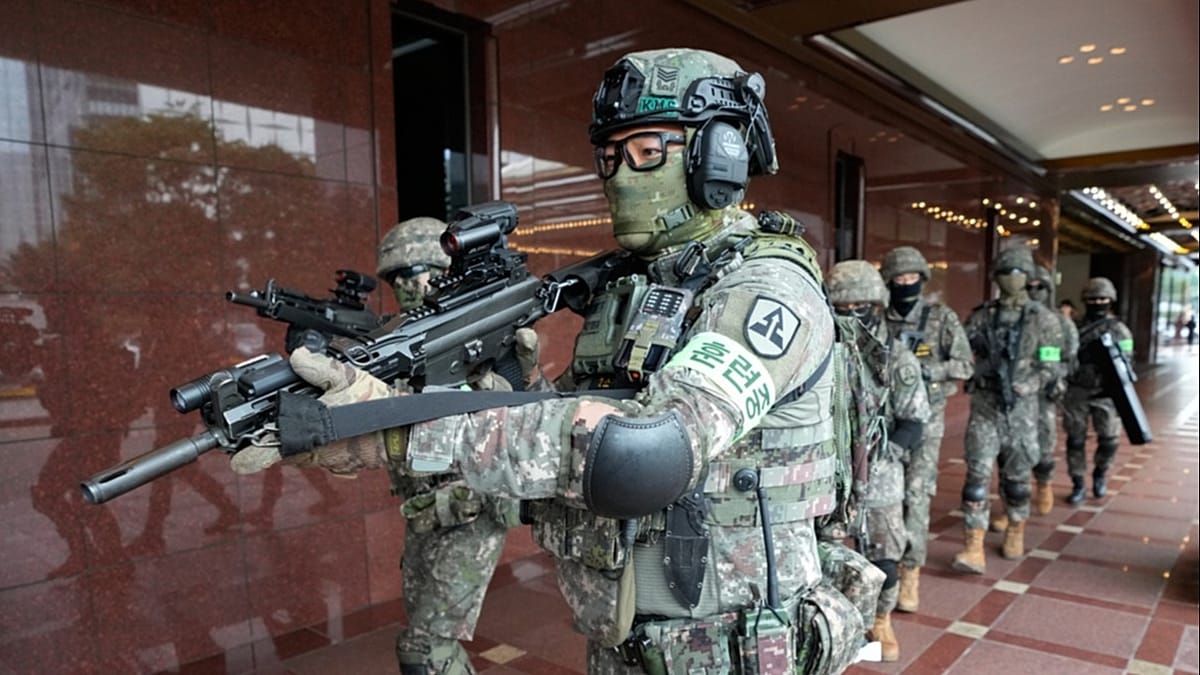
The South Korean military has confirmed that joint drills with the US will end six days early, on Friday, at the request of the US side. The Ulchi Freedom Shield exercise, which began on Monday, was originally planned to last until next week. A Pentagon official later confirmed that the US is "substantially" reducing joint exercises with South Korea. This decision comes after President Trump expressed his unhappiness with US participation in the exercise, citing its cost and hostility towards North Korea, and reportedly pushing for talks with Kim Jong-un as early as this autumn.
Written by the local model on 2026-08-19,
using this article's own text rather than the other coverage of the
same event (that is the story summary below).
Story summary
US President Donald Trump announced on Sunday that he would be scaling back US military exercises with South Korea, citing his "very good" relationship with North Korean leader Kim Jong Un and claiming that the exercises were expensive. The annual drills, known as Ulchi Freedom Shield, were originally scheduled to run from August 13-27, but have been reduced in scope and scale at the direction of Trump and Defense Secretary Pete Hegseth.
The decision has caused alarm among South Koreans, who rely heavily on the US for their security, as well as other US allies in the region. North Korea has been threatening a "new level" of nuclear deterrence in response to the planned drills, which Pyongyang state media called "a rehearsal for an invasion war."
South Korean President Lee Jae Myung, who had previously floated the idea of reducing joint military exercises with the US as a tool for drawing North Korea back to the table, has renewed his calls for wartime operational control of the military and progress on South Korea's nuclear submarine programme.
The decision to cut short the drills marks a significant shift in Trump's approach to North Korea, which he had previously criticized for its missile tests and threats. Trump added that US involvement in the exercises would send a "signal that is totally inappropriate and hostile" to North Korea, which he said has been "unthreatening and respectful" to his presidency.
The move has also sparked concerns among analysts and US senators about Trump's willingness to prioritize North Korean denuclearization over South Korea's security. Some have criticized Trump's approach as naive, citing the recent spate of North Korean missile tests and threats.
Written for “US-South Korea Military Tensions” on 2026-08-31,
grounded in this article and the 21 other(s) covering the same event.
Why this leaning score
The article's own words the score was based on. Each is quoted
verbatim and was checked against the article text before being
stored, so you can find it in the original.
The score and its own evidence disagree: every quote above points
one way and the number points the other. One of them is wrong.
The confidence has been set to low for that reason.
Leaning score -0.50 for article 1365 (low confidence, 1 verified quote) · logged 2026-08-21
South Korea’s military has confirmed that joint military drills with the US will be cut short, days after Donald Trump ordered the Pentagon to scale back the exercises.
asserted
Trump → confirm → exercises
In a statement on Wednesday, South Korea’s joint chiefs of staff said at the request of the US side, the Ulchi Freedom Shield (UFS) exercise – which began on Monday would end on Friday, six days earlier than originally planned.
asserted
which → say → Friday
Separately, joint field training exercises, live outdoor drills held alongside the simulated command exercise, would also be “partially reduced”, though the two militaries were still working out the details, the statement said.
asserted
statement → hold → details
A Pentagon official later confirmed the US military was “substantially” reducing joint exercises with South Korea.
asserted
military → confirm → Korea
Trump said on Sunday he was “not happy” with US participation in the exercise, citing his “very good relationship” with the North Korean leader, Kim Jong-un, and describing the drills as costly and “hostile” toward Pyongyang.
South Korea’s foreign minister, Cho Hyun, told a parliamentary hearing on Wednesday that Seoul had been caught off guard by Trump’s directive.
asserted
Seoul → say → directive
“Our government officials, of course, and the US government officials hadn’t known about it in advance”, Cho said, when asked whether Seoul had been informed.
asserted
Seoul → know → advance
Ahead of Wednesday’s announcement, South Korean broadcasters KBS and MBC and the newspaper Kyunghyang reported, citing unnamed military sources, that the exercise’s second stage, a simulated counterattack against North Korea that Pyongyang has always denounced most sharply, would be scrapped entirely and bring the exercise to an early end.
asserted
Pyongyang → report → end
Days before the exercise began, Lt Gen Scott Winter, deputy commander of the United Nations Command, the multinational body that oversees the armistice and contributes personnel to the exercise, described this year’s UFS exercise as “bigger and better than ever”.
asserted
that → begin → exercise
The US military presence in South Korea dates back to the Korean war, which ended in an armistice rather than a formal peace treaty in 1953, meaning the two Koreas remain technically at war.
asserted
Koreas → date → war
US troops have been stationed in South Korea ever since, and the country now hosts Camp Humphreys, the largest American military base outside the US.
asserted
country → station → US
The two militaries train and operate together closely, including through large-scale annual exercises such as this week’s.
asserted
militaries → train → week
Previous cuts and cancellations to joint exercises, including in 1992, 1994 and after Trump’s first summit with Kim in 2018, were all decided before the drills began, rather than after they were already under way.
asserted
they → include → way
Separately, the Wall Street Journal reported on Tuesday that Trump was pushing aides to arrange a meeting with Kim as early as the northern hemisphere autumn, citing unnamed US officials.
asserted
Trump → report → officials
The paper said Trump had privately discussed an in-person meeting to take place during his next trip to Asia, which could be in November when he is expected to attend the Asia-Pacific Economic Cooperation (Apec) summit in Shenzhen, China.
uncertain
he → say → Shenzhen
Earlier, a social media post from Trump showing an image of Kim surrounded by military officials, speaking into a telephone, captioned “Hey Donald, we cool … right?”.
asserted
we → show → telephone
Trump also told reporters Kim had “responded” to his overtures for talks, though he declined to give details.
asserted
he → tell → details
Trump met Kim three times during his first term, including a brief crossing into North Korean territory at the demilitarised zone in 2019.
asserted
Trump → meet → 2019
Speculation about a renewed summit has grown since Trump shared an old photograph of the pair together on Truth Social last weekend.
asserted
Trump → renew → Social
Cheong Seong-chang, the vice-president of the Seoul-based Sejong Institute thinktank, said Trump could go further if talks with Kim resumed, potentially suspending the joint exercises altogether or reducing US troop numbers without consulting Seoul.
uncertain
talks → base → Seoul
South Korea’s presidential office said this week it would continue to coordinate with Washington on the exercises as president Lee Jae Myung separately renewed calls for greater military independence.
asserted
Myung → say → independence