Story summary
Summary of Iran-US War Developments
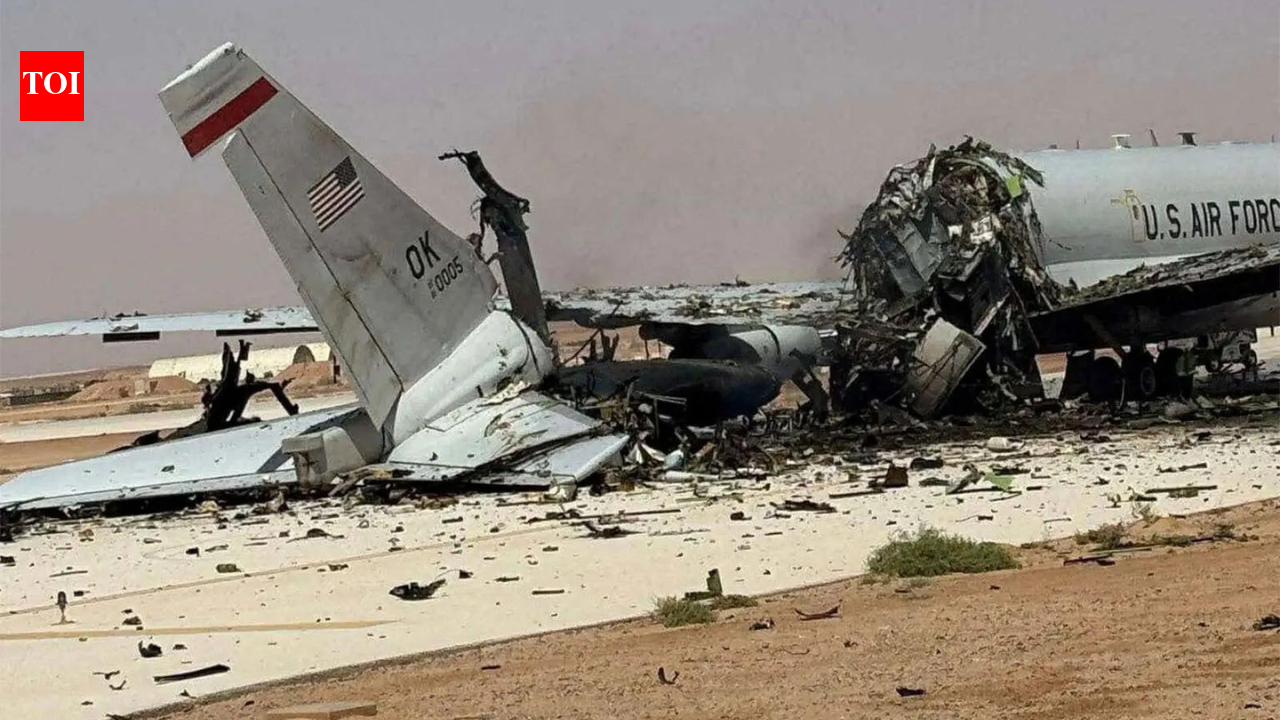
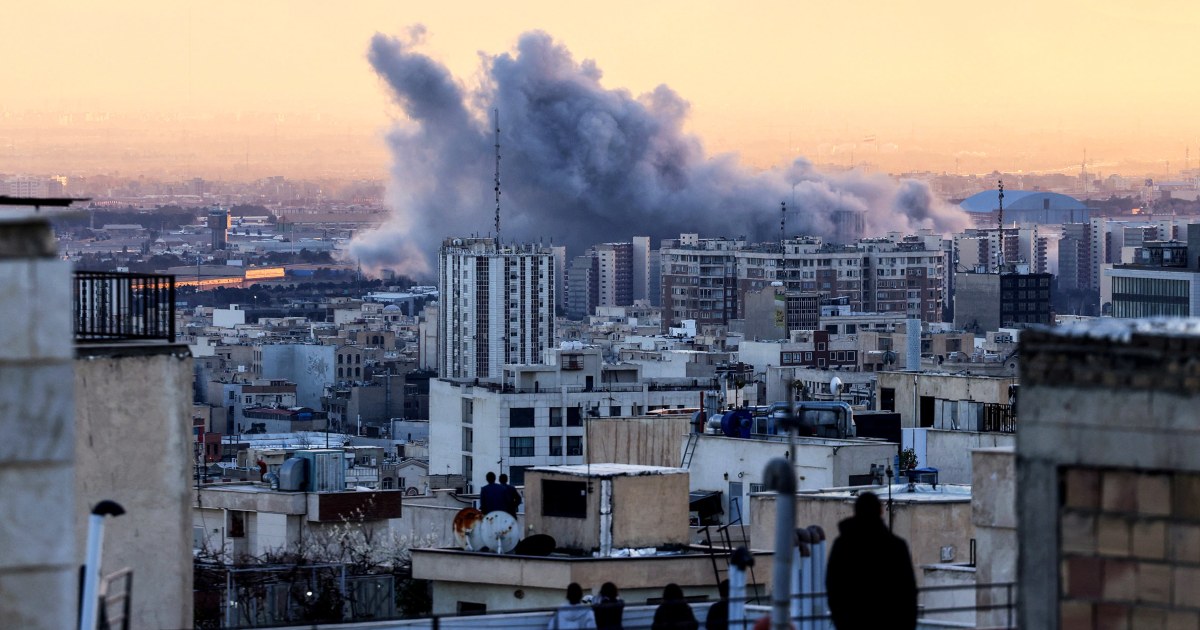
Between February 28 and June 30, the United States and Israel launched "Operation Epic Fury," a military campaign against Iran that cost an estimated $33.4 billion, with nearly $22.3 billion spent on munitions alone. The Pentagon's Inspector General report to Congress revealed significant challenges, including strategic inventory shortfalls and industrial bottlenecks in resupplying munitions. Iranian retaliatory strikes damaged or destroyed hundreds of buildings at U.S. bases across the Middle East, including up to 30 MQ-9 Reaper drones, four F-15 fighter jets, one F-35 jet, and seven KC-135 tanker aircraft.
President Donald Trump has dismissed concerns about munitions shortages, stating that the U.S. possesses "virtually unlimited" supplies of ammunition. However, Pentagon officials acknowledge significant expenditures in both personnel deployment and weaponry use, which have led to strategic inventory shortfalls and revealed industrial base bottlenecks for munitions resupply. The report highlights the need for streamlining procurement processes and stockpiling critical materials to prepare for potential future contingencies.
The cost of repairing damaged facilities and replacing lost or damaged aircraft is not included in the current estimate, indicating that the total financial impact could be even higher. Despite these challenges, U.S. officials maintain readiness for any potential contingency while considering diplomatic avenues to end hostilities with Iran. (Total cost: $33.4 billion; munitions expenditure: $22.3 billion)
Written for “Iran War Munitions Shortfall” on 2026-09-17,
grounded in this article and the 20 other(s) covering the same event.
The United States has acknowledged that its war on Iran resulted in “strategic inventory shortfalls and revealed industrial base bottlenecks for munitions resupply” for America.
asserted
war → acknowledge → America
The admission came in the first Pentagon Inspector General’s report on the US-Israeli war on Iran.
asserted
admission → come → Iran
The report, released on Monday, provides a detailed account of the campaign’s cost, damage and impact on American weapons stocks, confirming some of the concerns that news organisations had reported for months.
asserted
organisations → release → months
More than 50,000 US service members took part in the campaign, flying thousands of combat missions and expending $22.3 billion worth of munitions, according to the report.
uncertain
members → take → report
The report, covering the period between February 28 and June 30, puts the direct cost of the war at about $33.4bn.
asserted
report → cover → 33.4bn
Of that amount, $22.3bn was spent on munitions, $3.7bn on equipment losses and $7.4bn on other expenditures.
asserted
22.3bn → spend → expenditures
The estimate does not include the cost of repairing damaged facilities, replacing aircraft or replenishing critical weapons stocks.
asserted
estimate → include → stocks
That distinction explains why Pentagon estimates of the war’s cost have varied.
asserted
estimates → explain → cost
In late July, US Defence Secretary Pete Hegseth told Congress that the war had cost the department $37.5bn.
asserted
war → tell → 37.5bn
Separately, NBC News reported in July that US officials and people familiar with internal estimates put the eventual cost between $80bn and $100bn.
asserted
officials → report → 80bn
Those higher estimates apparently included costs not captured in the Inspector General’s four-month calculation, including repairs, replacement of aircraft and replenishment of weapons.
asserted
estimates → include → weapons
The Inspector General’s report nevertheless confirms one of the most closely watched concerns of the war: the effect of the campaign on US munitions stocks.
asserted
report → confirm → stocks
The report said the conflict “resulted in strategic inventory shortfalls and revealed industrial base bottlenecks for munitions resupply”.
asserted
conflict → say → resupply
The finding aligned with concerns about rapidly falling stocks, reported by various news outlets well before the Inspector General’s assessment was released.
asserted
assessment → align → outlets
In March, The Washington Post reported that the US military had fired more than 850 Tomahawk cruise missiles in the first four weeks of the conflict, prompting concern among some Pentagon officials about the rapid depletion of precision weapons.
asserted
military → report → weapons
The White House and Pentagon, however, said at the time that the United States had sufficient stocks to carry out the operation.
asserted
States → say → operation
By late April, Pentagon officials were putting the cost of the first two months of the operation at about $25bn, saying that most of the amount was for munitions.
asserted
most → put → munitions
Independent analysts questioned whether that figure captured the full cost of the war, given equipment losses, damage to bases and other expenses.
asserted
figure → question → bases
The Inspector General’s report provided an official acknowledgement that the campaign did impose significant pressure on weapons inventories.
asserted
campaign → provide → inventories
The report said the Defence Department was responding by streamlining procurement and production lead times and by stockpiling critical materials, components and selected munitions so that it could respond more rapidly to another contingency.
uncertain
it → say → contingency
The physical damage was also extensive, according to the report.
uncertain
damage → accord → report
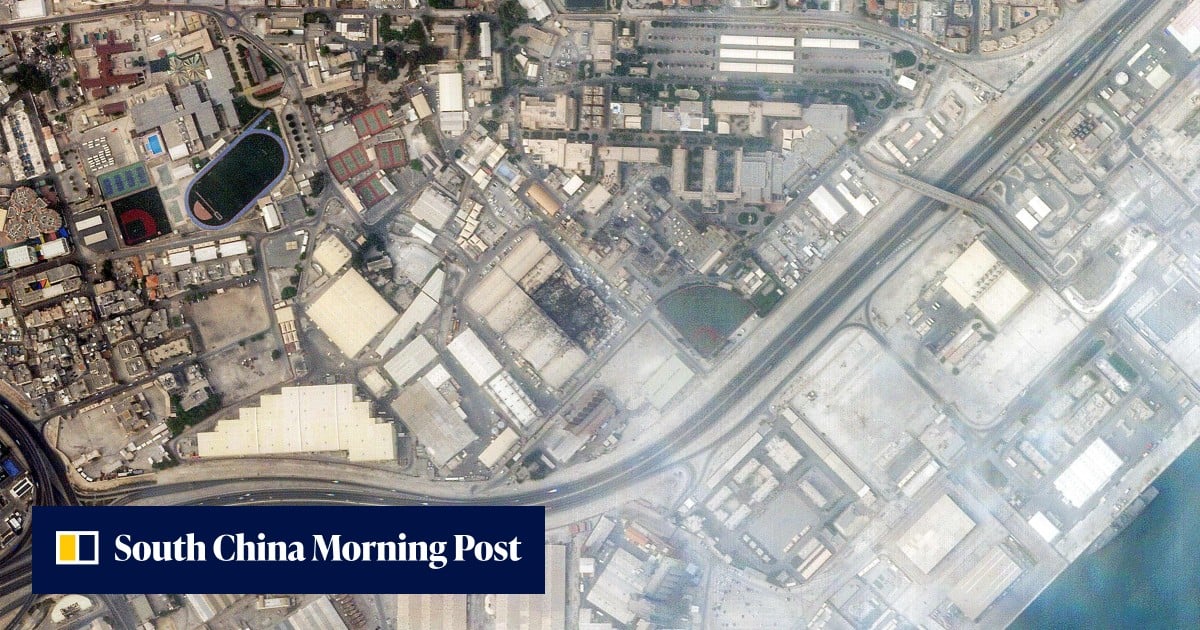
Iranian strikes damaged or destroyed hundreds of buildings and other structures at US bases in Kuwait, Bahrain, Qatar, the United Arab Emirates, Saudi Arabia, Iraq, Oman and Jordan, it said.
asserted
it → damage → Kuwait
Dozens of American aircraft and drones were destroyed or damaged.
asserted
Dozens → destroy → aircraft
The Pentagon report also confirmed that Iran attacked the US Navy’s principal logistics hub in Bahrain with drones and ballistic missiles.
asserted
Iran → confirm → drones
It also recorded the destruction of at least 30 large US drones during the period covered by the assessment.
asserted
It → record → assessment
The damage extended to American diplomatic facilities.
asserted
damage → extend → facilities
US diplomatic properties in Iraq, Kuwait, Saudi Arabia and the United Arab Emirates suffered an estimated $184 million in physical damage, according to the report.
uncertain
properties → suffer → report
The State Department separately reported $113m in overall costs related to the conflict, including nearly $80m for contingency planning and evacuations.
asserted
Department → report → planning
More than 20,000 US military and diplomatic personnel were also displaced during the conflict, according to the assessment.
uncertain
personnel → displace → assessment
The findings confirmed a picture that had been emerging from independent reporting: “Operation Epic Fury” was not simply a campaign in which the United States fired large quantities of weapons at Iranian targets.
asserted
States → confirm → targets
It also imposed substantial demands on the American military’s ability to replace those weapons, protect its regional bases and move personnel and equipment away from threatened facilities.
asserted
It → impose → facilities
 The Aporia