The Congressional Budget Office reports that the war with Iran has caused more than one-third of the inflation increase this year and forecasts higher inflation rates into 2027. The report attributes the rising costs mainly to reduced oil and natural gas shipments through critical shipping lanes, leading to a significant rise in gasoline and diesel prices. Interest rates are expected to continue increasing, making borrowing more expensive for Americans.
Written by the local model on 2026-09-16,
using this article's own text rather than the other coverage of the
same event.
Why this leaning score
The article's own words the score was based on. Each is quoted
verbatim and was checked against the article text before being
stored, so you can find it in the original.
Leaning score -0.35 for article 11900 (medium confidence, 2 verified quotes) · logged 2026-09-16
The war with Iran is driving up inflation, and borrowing costs may increase for Americans, according to a new report released Tuesday by the Congressional Budget Office.
uncertain
costs → drive → Office
The report found the war was responsible for more than one-third of the increase in inflation this year, and inflation will likely continue to grow in the first quarter of next year.
asserted
inflation → find → year
The CBO specifically blames the war for more than 40% of inflation during the second quarter of 2026 and an estimated half a percentage point of higher inflation during the first quarter of 2027.
asserted
CBO → blame → 2027
Interest rates are likely to rise as a result, making borrowing costlier, the report found.
asserted
report → rise → result
Interest rates are likely to keep rising as a result, making borrowing more costly, the report found.
asserted
report → rise → result
The rate on the typical 30-year mortgage was under 6% before the war started; it was at 7.22% on Tuesday, according to Mortgage News Daily.
uncertain
it → start → Daily
Wall Street, likewise, expects the Federal Reserve to raise its key interest rate Wednesday in a bid to tamp down inflation.
asserted
Reserve → expect → inflation
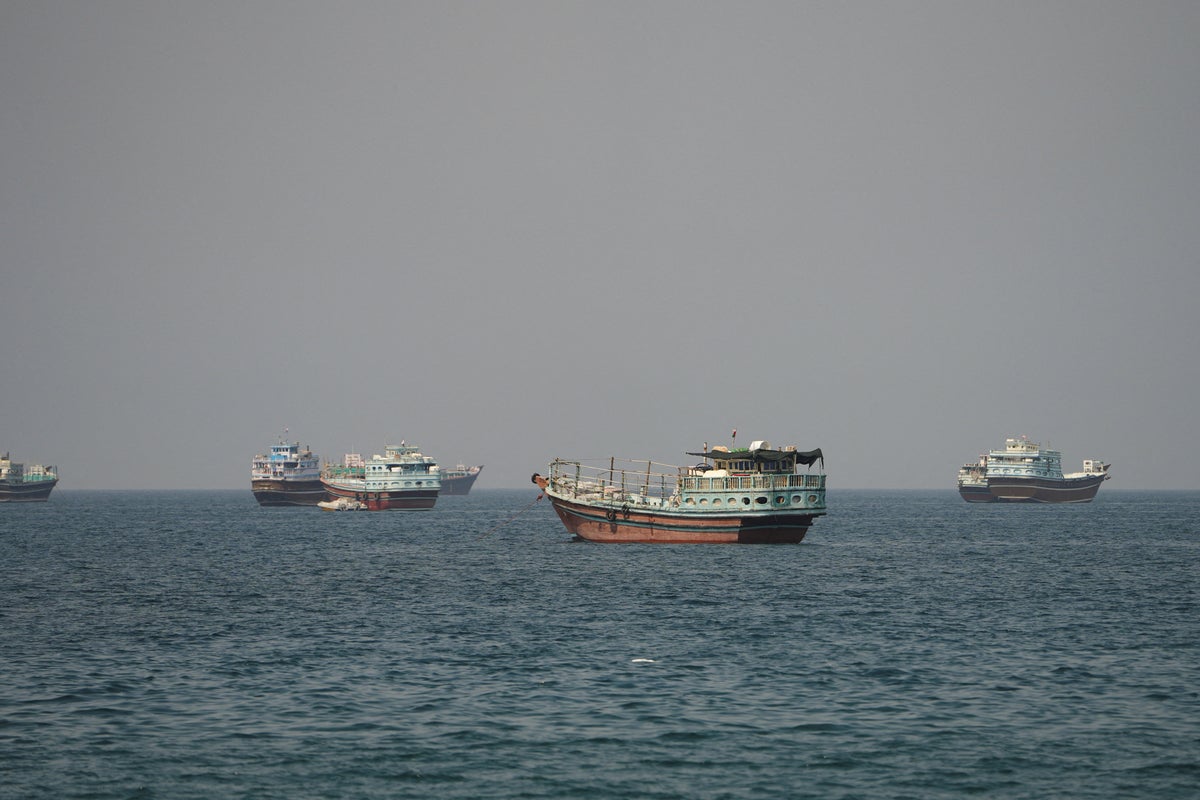
The main driver of increased inflation is fewer oil and natural gas shipments through the Strait of Hormuz and the Red Sea, the CBO report says.
asserted
report → increase → Hormuz
The average price of a gallon of gasoline in the U.S. is up 45% since the beginning of the war, hitting $4.32 as of Tuesday.
asserted
price → hit → Tuesday
Diesel, which is essential to the economy as it fuels farm equipment and other commercial vehicles, has increased 66%, to a record $6.26.
asserted
it → fuel → 6.26
The Congressional Budget Office is a nonpartisan federal agency controlled by Congress that conducts analysis related to the federal budget and the economy.
asserted
that → control → budget
The estimate comes a day after the Pentagon’s watchdog found the Iran war resulted in a shortfall of U.S. munitions and “bottlenecks” in supply chains.
asserted
war → come → chains
The CBO report estimates it will be five years before the Pentagon is able to replace munitions expended during the war, which it estimates had cost roughly $38 billion as of Aug. 1.
asserted
it → estimate → Aug.
That cost estimate does not include the price tag for repairing damage Iran inflicted on “hundreds of buildings and structures at U.S. bases” in the Middle East.
asserted
Iran → include → East
The Pentagon didn’t cooperate with requests from CBO, according to the agency.
uncertain
Pentagon → cooperate → agency
“For 47 years, American Presidents and countless other world leaders talked about the threat posed by Iran, but no one had the courage to address it,” White House spokeswoman Anna Kelly said in a statement.
asserted
Kelly → talk → statement
“President Trump took decisive action to ensure that Iran could never harm our homeland, our troops, or our allies again.
uncertain
Iran → take → homeland
The United States Military has more than enough munitions, ammo, and stockpiles to serve all of the Commander-in-Chief’s strategic goals and beyond.”
asserted
Military → have → goals
One of the reasons the CBO says it could not estimate the cost of damage to U.S. military bases and other facilities in the region is that the Defense Department hasn’t shared “information about the value of damaged or destroyed equipment and property” with the office or what repairs the Pentagon plans to make, the funding for which could in part be picked up by the countries where the facilities are located.
uncertain
facilities → say → countries
Sen. Elizabeth Warren, D-Mass., called for an end to the war in a statement, describing it as “a one-two punch that’s burning a hole in Americans’ pockets and burning a hole in our munitions supply, hurting our military readiness.”
The report estimated it would cost $13.1 billion to replace missile defense interceptors alone, and the overall cost to replace munitions expended through Aug. 1 would be $21.7 billion.
asserted
cost → call → Aug.
It will take roughly $2 billion to $3 billion per month to maintain the war’s status quo, and more if the conflict escalates, the report found.
asserted
report → take → quo
 The Aporia