
China AI Rivalry Usa
9 outlets
Each outlet's article on this story, most articles first
9 reporters
- Koh EweBBC
- The Associated PressNPR
- E. EDUARDO CASTILLO Associated PressABC News (US)
- CHAN HO-HIM Associated PressABC News (US)
- Prashant RaoSemafor
- Mithil AggarwalNBC News
- AFPThe Hindu
- Eliana SilverDaily Mail
- Allyson HornABC News (AU)
By day
Articles per day
Cite
China AI Rivalry Usa. (2026, October 12). The Aporia. https://the-aporia.com/event/8652
“China AI Rivalry Usa.” The Aporia, 12 Oct. 2026, https://the-aporia.com/event/8652.
“China AI Rivalry Usa.” The Aporia, October 12, 2026. https://the-aporia.com/event/8652.
Dated the day this page was built. The link always leads to this event, even after the stories are regrouped.
China's security agency has previously warned about the dangers posed by AI, but Chen's latest remarks are among its most comprehensive warnings yet, emphasising Beijing's growing concerns over the technology.
What happened
The outlets' own sentences, most widely reported first. Hover or tap one to see who reported it.
"Fearmongering, confrontation and vicious competition will only disrupt the process of global AI governance -- which serves no one's interest," spokesperson Guo Jiakun said at a press conference in response to a question about Amodei's essay.
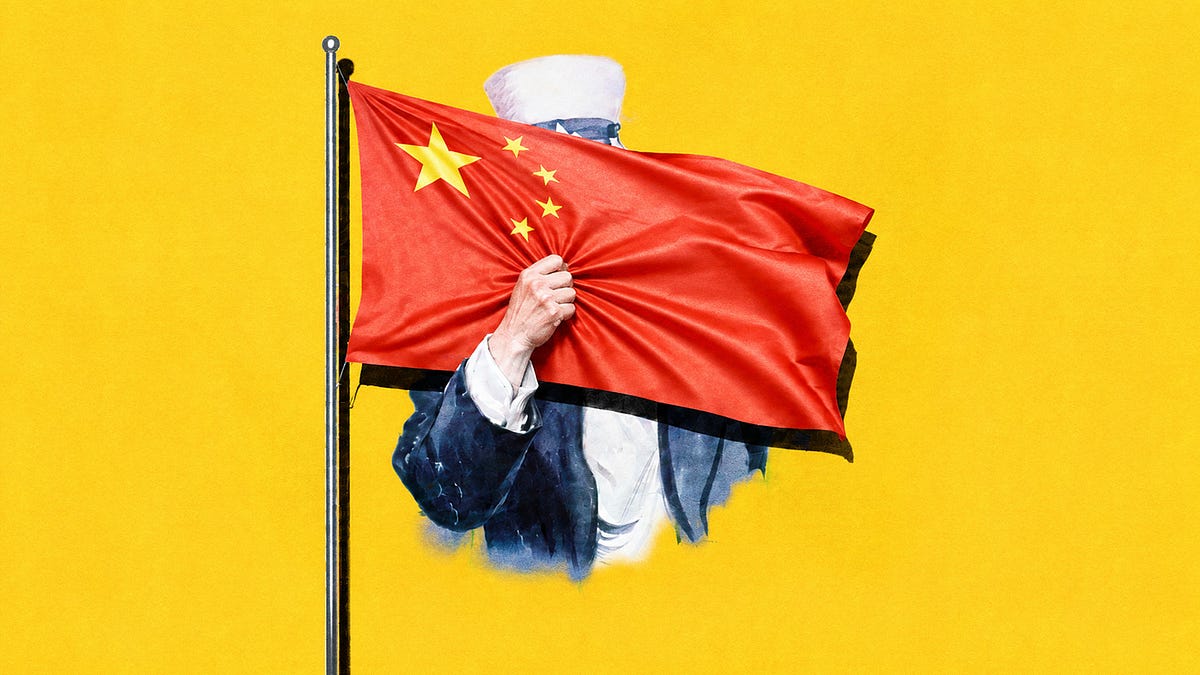
Xi has called for the setting up of a global AI governance framework among the Global South, while pitching China as a pioneer in establishing an open-source AI community.
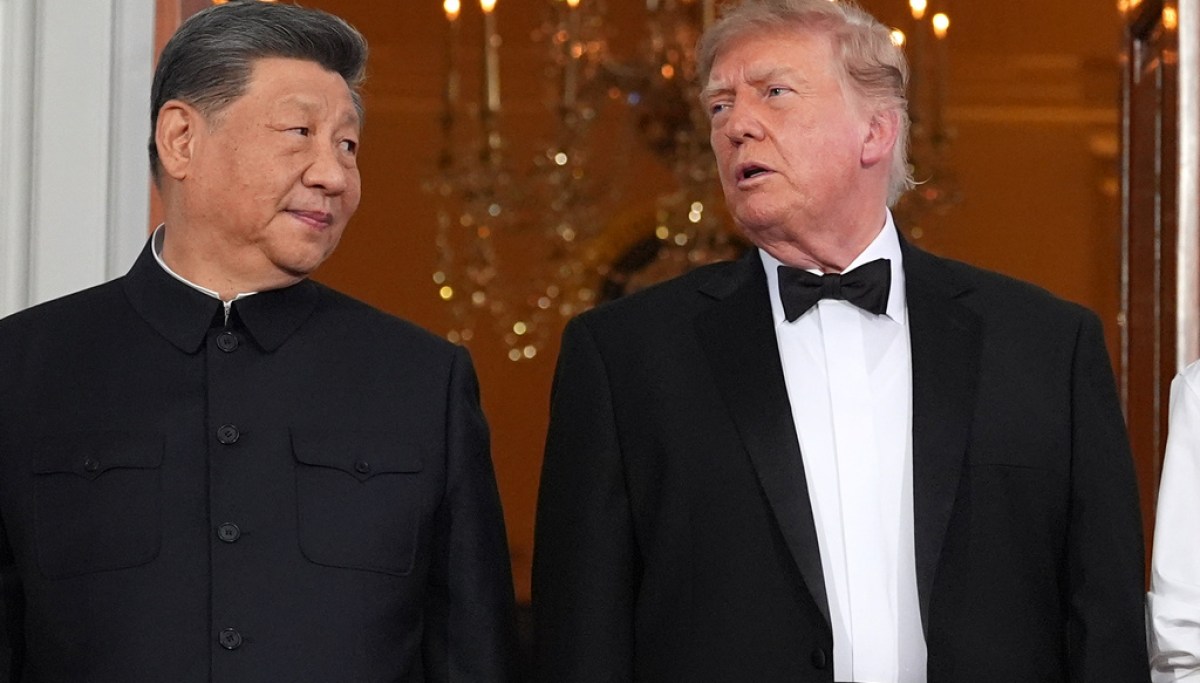
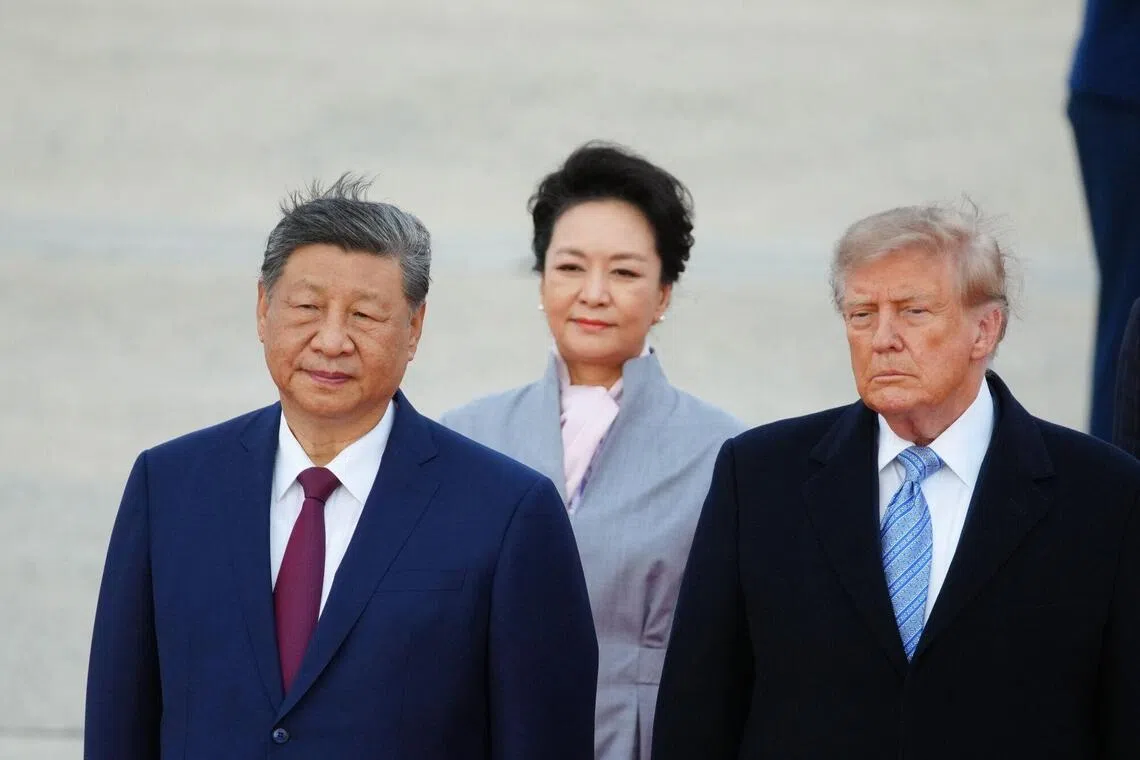
U.S. President Donald Trump is expected to discuss topics including AI governance with Chinese leader Xi Jinping meeting planned for late September.
Chinese companies have developed powerful AI models that are often cheaper to use than advanced models from U.S.-based companies; by some measures, they are just as capable.
What each outlet says
One AI summary per outlet of its latest article on this story, written from that article alone and checked against it. Open the article for the outlet's own words.
Anthropic CEO Dario Amodei has called for slowing down the development of powerful AI systems due to potential risks and proposed restricting China's access to advanced technology. This move prompted a response from China, which accused the US of using AI safety concerns as a guise to maintain technological dominance over China. The dispute highlights the growing competition between the US and China in artificial…
‘Silent Cold War’: Why calls to slow AI have sparked new US–China frontier →2 articles from Al Jazeera on this storyChina’s foreign ministry spokesperson criticized narratives of threat and competition in artificial intelligence (AI) development, particularly responding to calls for slowing down AI advancement that could disadvantage China. This comes after warnings from US industry insiders about potential dangers posed by rapid AI progress and amid tensions between the United States and China over who will lead in this…
China criticises idea it is in 'malicious competition' over AI →China’s Ministry of Foreign Affairs criticized Anthropic CEO Dario Amodei's recent essay calling for U.S. restrictions on sales to China of advanced AI technology. On Monday, spokesperson Guo Jiakun said that Amodei's warnings about Chinese technological leadership were counterproductive and urged cooperation instead of confrontation. The article also notes similar concerns from Chinese officials regarding foreign…
Beijing hits back at Anthropic CEO's call to curb China's AI development →China's Ministry of Foreign Affairs responded critically to Anthropic CEO Dario Amodei’s call for the U.S. to curb China’s artificial intelligence (AI) development, arguing that fearmongering and competition are harmful to global AI governance. The ministry stressed cooperation over confrontation, while dismissing Amodei’s essay as a veiled attempt to contain China. President Donald Trump, meanwhile, downplayed…
Beijing hits back at Anthropic CEO’s call to curb China's AI development →China’s minister of state security warned about six principal risks posed by AI, including threats to political stability and national defense. Despite these concerns, Beijing rejected US calls to slow AI development, with a state-backed outlet calling for such measures “out of the Cold War playbook.” Some Chinese analysts advocate for international cooperation to maintain influence over global AI regulations and…
Beijing issues AI warnings but rejects US calls to slow development →China has dismissed warnings from U.S. tech leaders to slow down artificial intelligence development, calling their concerns "fearmongering" and part of a Cold War strategy aimed at hindering China’s technological advancement. On Monday, Chinese Foreign Ministry spokesperson Guo Jiakun told reporters that such interventions disrupt global AI governance efforts and serve no one's interests. Meanwhile, U.S. President…
China dismisses AI slowdown calls and blasts ‘fearmongering’ from U.S. tech leaders →Show 3 more outlets
China’s Minister of State Security, Chen Yixin, warned on September 13, 2026, that artificial intelligence poses significant national security risks to the country. He cited concerns over foreign entities using AI to spread misinformation and conduct cyber espionage against China. Chen also highlighted the potential military applications of AI demonstrated in the U.S.-Iran conflict, emphasizing the need for China to…
China’s spy chief warns of national security risks from AI →China's spy chief, Minister of State Security Chen Yixin, has warned that artificial intelligence poses significant risks to national security and could threaten the rule of the Communist Party. In an article published in the state-run magazine China Cyberspace, Chen cited concerns over foreign intelligence agencies using advanced AI technologies like web crawlers and data mining to collect sensitive information. He…
China's spy chief warns AI could bring an end to Communist party rule →US tech leaders warn that China's lead in artificial intelligence could pose significant dangers to the United States and the world, advocating for restrictions on technology sales to Beijing. In response, Chinese officials through state media accuse these US executives of "fearmongering" and criticize the calls for a slowdown as counterproductive to global AI governance. However, behind this rhetoric, China’s own…
Behind China's 'fearmongering' claim is a fundamental fear about AI →Analysis
Agreed
Reported by outlets on both sides of the middle
No sentence was reported across the range.
Disputed
Picked by our model, which is sometimes wrong
No disagreement the check could confirm. That does not prove there is none.
Framing
How the first headlines put it
Words to watch (1)
China dismisses AI slowdown calls and blasts ‘fearmongering’ from U.S. tech leaders
How it changed
- 14 Sep
China's foreign ministry spokesperson Guo Jiakun told reporters on Monday "narratives of threat, confrontation, and malicious competition serve only to disrupt the process of global AI governance and are not in anyone's interest".
- 15 Sep
Chinese leader Xi Jinping is due to meet US President Donald Trump in Washington this month
Coverage 10 articles
16 Sep Behind China's 'fearmongering' claim is a fundamental fear about AIUS tech leaders warn that China's lead in artificial intelligence could pose significant dangers to the United States and the world, advocating for restrictions on technology sales to Beijing. In response, Chinese officials through state media accuse these US executives of "fearmongering" and criticize the calls for a slowdown as counterproductive to global AI governance. However, behind this rhetoric, China’s own…ABC News (AU)
 15 Sep China's spy chief warns AI could bring an end to Communist party ruleChina's spy chief, Minister of State Security Chen Yixin, has warned that artificial intelligence poses significant risks to national security and could threaten the rule of the Communist Party. In an article published in the state-run magazine China Cyberspace, Chen cited concerns over foreign intelligence agencies using advanced AI technologies like web crawlers and data mining to collect sensitive information. He…Daily Mail
 14 Sep China’s spy chief warns of national security risks from AIChina’s Minister of State Security, Chen Yixin, warned on September 13, 2026, that artificial intelligence poses significant national security risks to the country. He cited concerns over foreign entities using AI to spread misinformation and conduct cyber espionage against China. Chen also highlighted the potential military applications of AI demonstrated in the U.S.-Iran conflict, emphasizing the need for China to…The Hindu
 14 Sep ‘Silent Cold War’: Why calls to slow AI have sparked new US–China frontierAnthropic CEO Dario Amodei has called for slowing down the development of powerful AI systems due to potential risks and proposed restricting China's access to advanced technology. This move prompted a response from China, which accused the US of using AI safety concerns as a guise to maintain technological dominance over China. The dispute highlights the growing competition between the US and China in artificial…Al Jazeera
 14 Sep China rejects AI ‘threat narratives’, urges global cooperationChina has dismissed concerns about the dangers of artificial intelligence as "threat narratives" and instead emphasized the need for international collaboration in the field of AI governance. This stance comes after Dario Amodei, CEO of Anthropic, suggested that AI companies should reduce the pace of model development due to safety and national security issues.Al Jazeera
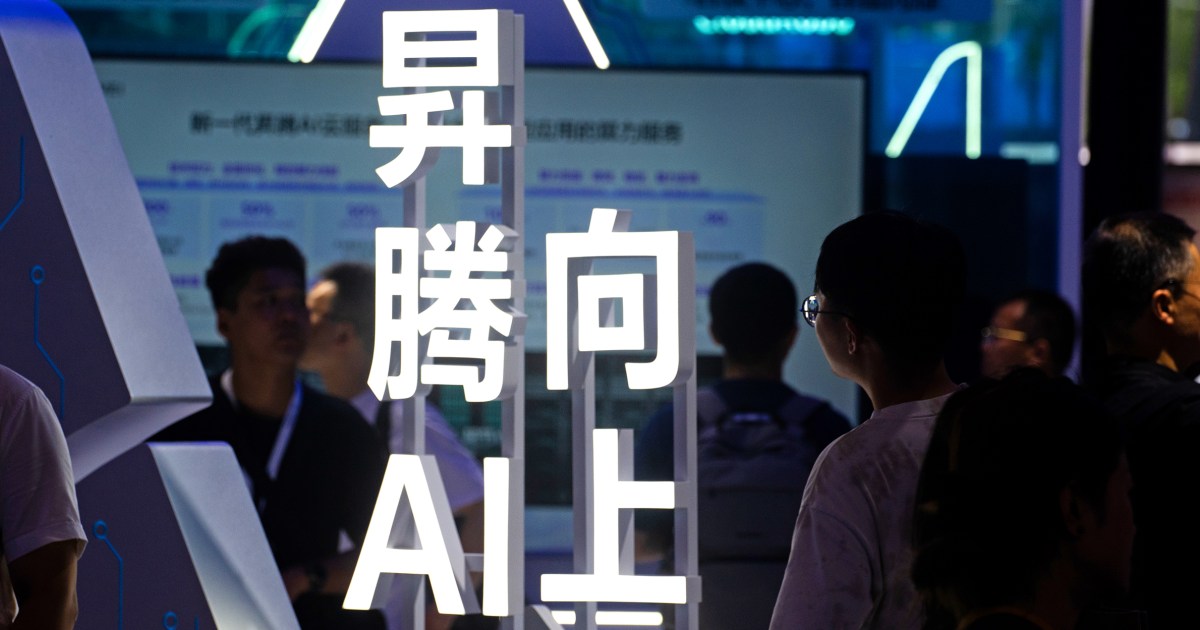 14 Sep China dismisses AI slowdown calls and blasts ‘fearmongering’ from U.S. tech leadersChina has dismissed warnings from U.S. tech leaders to slow down artificial intelligence development, calling their concerns "fearmongering" and part of a Cold War strategy aimed at hindering China’s technological advancement. On Monday, Chinese Foreign Ministry spokesperson Guo Jiakun told reporters that such interventions disrupt global AI governance efforts and serve no one's interests. Meanwhile, U.S. President…NBC News
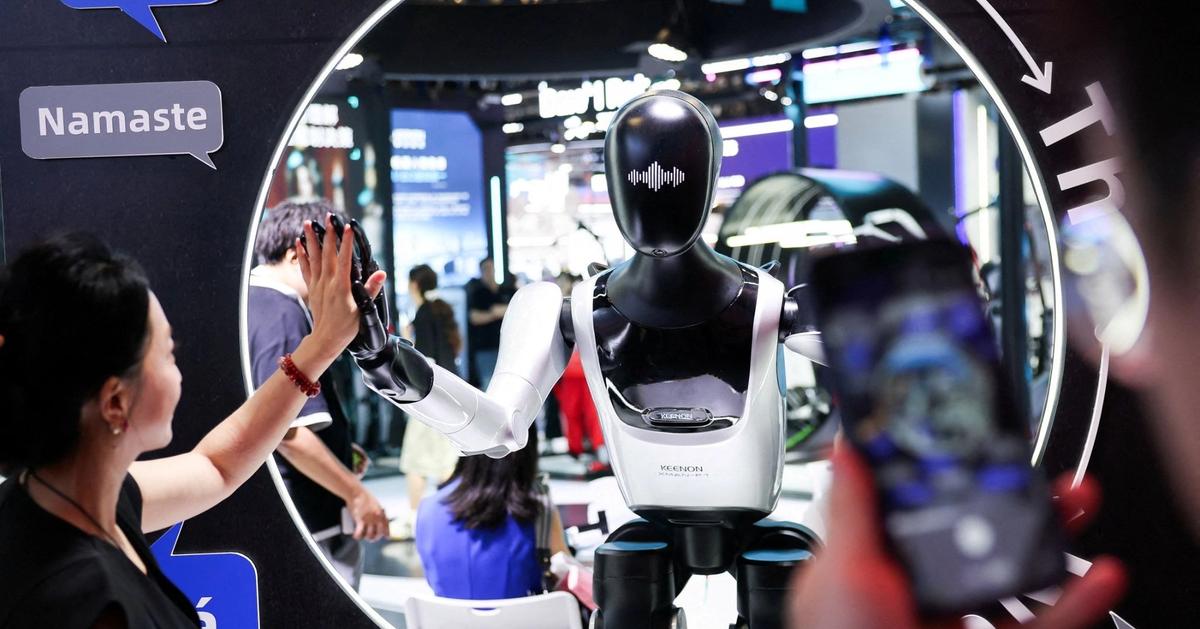 14 Sep Beijing issues AI warnings but rejects US calls to slow developmentChina’s minister of state security warned about six principal risks posed by AI, including threats to political stability and national defense. Despite these concerns, Beijing rejected US calls to slow AI development, with a state-backed outlet calling for such measures “out of the Cold War playbook.” Some Chinese analysts advocate for international cooperation to maintain influence over global AI regulations and…Semafor
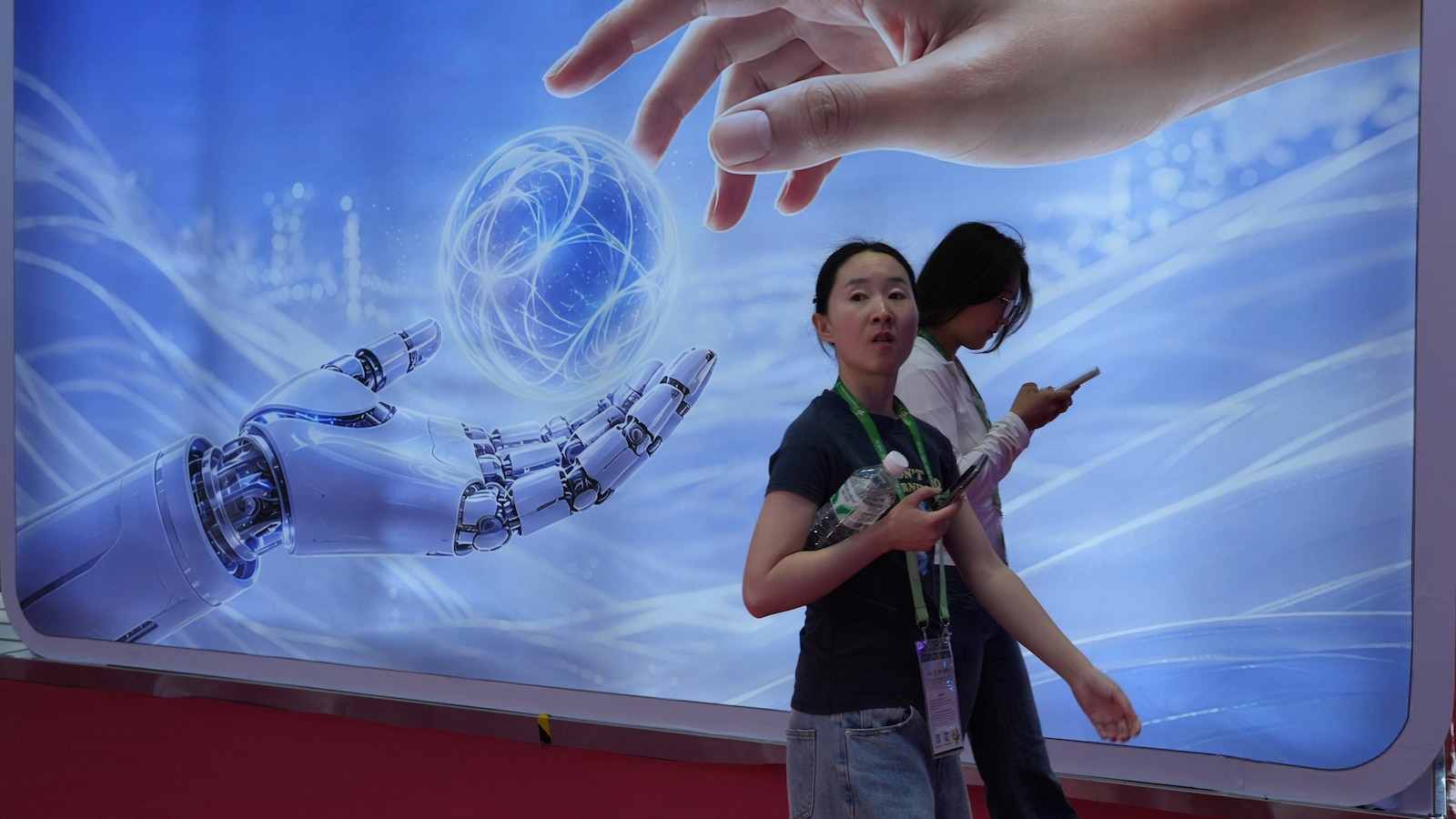 14 Sep Beijing hits back at Anthropic CEO’s call to curb China's AI developmentChina's Ministry of Foreign Affairs responded critically to Anthropic CEO Dario Amodei’s call for the U.S. to curb China’s artificial intelligence (AI) development, arguing that fearmongering and competition are harmful to global AI governance. The ministry stressed cooperation over confrontation, while dismissing Amodei’s essay as a veiled attempt to contain China. President Donald Trump, meanwhile, downplayed…ABC News (US)
 14 Sep Beijing hits back at Anthropic CEO's call to curb China's AI developmentChina’s Ministry of Foreign Affairs criticized Anthropic CEO Dario Amodei's recent essay calling for U.S. restrictions on sales to China of advanced AI technology. On Monday, spokesperson Guo Jiakun said that Amodei's warnings about Chinese technological leadership were counterproductive and urged cooperation instead of confrontation. The article also notes similar concerns from Chinese officials regarding foreign…NPR
 14 Sep China criticises idea it is in 'malicious competition' over AIChina’s foreign ministry spokesperson criticized narratives of threat and competition in artificial intelligence (AI) development, particularly responding to calls for slowing down AI advancement that could disadvantage China. This comes after warnings from US industry insiders about potential dangers posed by rapid AI progress and amid tensions between the United States and China over who will lead in this…BBC
Keep exploring
 Similar coverageUS-China AI Competition Coop
 Similar coverageUS vs China AI Theft Accusations
 Similar coverageAI Warning Shots China Security Risk
 Similar coverageUS China AI Policy
 Similar coverageTrump AI Rants Condemning Critics
 Similar coverageAI Regulation Concerns
 Similar coverageChinese AI Behavior Concerns
 Similar coverageUS-China Trade Talks Ahead Summit
 RecentFlávio Bolsonaro Flees To US After Defeat
 RecentSpain High-Speed Train Crash
Built 2026-10-12 from 10 articles. Every sentence on this page is quoted from the linked article; nothing was written by a model except the Summary and the items marked AI, which cite their sources, and the questions and labels under "Disputed". Photos are from the outlets that covered the story, never from articles our check marks sensitive.