US tech leaders warn that China's lead in artificial intelligence could pose significant dangers to the United States and the world, advocating for restrictions on technology sales to Beijing. In response, Chinese officials through state media accuse these US executives of "fearmongering" and criticize the calls for a slowdown as counterproductive to global AI governance. However, behind this rhetoric, China’s own top intelligence official recently highlighted concerns about AI threatening political stability and security within China, alongside other risks like warfare and attacks on critical infrastructure.
Written by the local model on 2026-09-17,
using this article's own text rather than the other coverage of the
same event (that is the story summary below).
Story summary
Minister Chen Yixin, head of China’s State Security, warned that artificial intelligence (AI) poses significant national security threats to China, including risks to political and ideological stability. Published on September 13, 2026, Chen accused foreign entities of using generative AI technologies to spread harmful information against China. He also noted that AI is now the main battleground for global technological competition between major powers.
Chinese officials are dismissing calls from U.S. tech leaders like Dario Amodei (CEO of Anthropic) and Sam Altman (CEO of OpenAI) to slow down AI development due to safety concerns, describing these as "fearmongering" and part of a Cold War playbook aimed at containing China. Chinese leader Xi Jinping is scheduled to meet with U.S. President Donald Trump in Washington later that month, where AI governance and safety will be key topics for discussion.
The Global Times, a state-backed newspaper, criticized Amodei's call for slowing AI development as an attempt to hinder China’s progress. Meanwhile, the Ministry of Foreign Affairs urged international cooperation on AI rather than engaging in confrontation or malicious competition.
Written for “China AI Rivalry Usa” on 2026-09-17,
grounded in this article and the 9 other(s) covering the same event.
When the leaders of major US tech groups all echoed calls to "slow the pace" of artificial intelligence development, the underlying message targeted a specific and, in their view, uncontained threat: China.
asserted
message → echo → threat
Anthropic CEO Dario Amodei issued a blunt assessment that a "Chinese lead in AI would pose great danger for the United States and the world" and urged Washington to restrict sales of key tech to Beijing.
asserted
lead → issue → Beijing
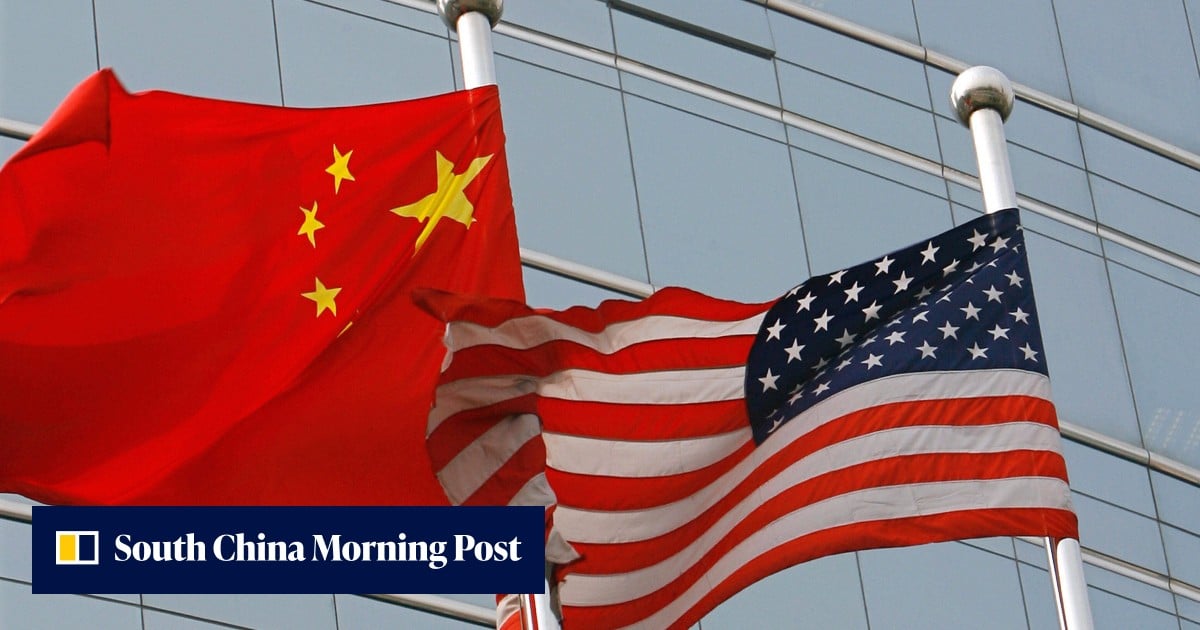
The warning was met by a forceful rejection from Beijing, which used state media to label the warnings as a "Cold War playbook" for the AI sector.
asserted
which → meet → sector
China's Foreign Ministry spokesman Guo Jiakun also accused the US executives of "fearmongering" and warned that "vicious competition will only disrupt the process of global AI governance, which serves no-one's interests".
But the phrase "vicious competition" is a hollow accusation for China to lob at Washington, given it is also engaged in the race for AI supremacy.
asserted
it → accuse → supremacy
China warns about AI risks amid race for dominance
asserted
China → warn → dominance
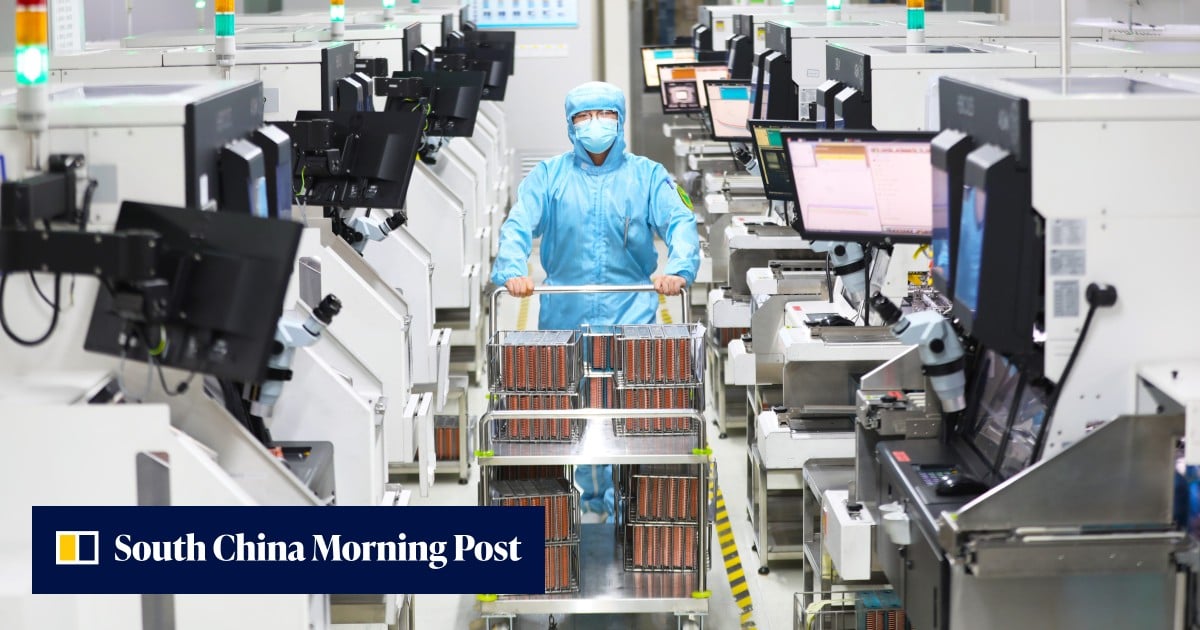
China's ambitious goals to integrate AI into 90 per cent of the country's economy by 2030 are underpinned by its plans to ultimately achieve worldwide dominance in the sector.
asserted
goals → integrate → sector
To do so, it wants to be entirely self-sufficient and position itself as the world leader that other countries would have to rely on for their infrastructure and tech.
asserted
countries → do → infrastructure
China has spent decades perfecting the industry-supremacy playbook in areas like electric vehicles and solar panels, and AI is next on the agenda.
asserted
AI → spend → agenda
So it's no surprise China is resisting any calls for a slowdown — especially when its main rival is still surging ahead.
asserted
rival → resist → slowdown
But that doesn't mean China is unbothered by the potential threats that AI could pose in the future.
uncertain
AI → mean → future
Over recent months, Beijing officials have been more openly vocal about the risks surrounding the technology, including President Xi Jinping who warned AI "should always remain under human control".
asserted
AI → surround → control
And just a few days ago, in a further sign of China's growing unease around the impacts of technological developments, the country's top intelligence official released an illuminating article that listed Beijing's perceived AI threats.
asserted
that → grow → threats
Prominent among them was the potential for AI to threaten the Chinese Communist Party's hold on power.
asserted
AI → threaten → power
"Artificial intelligence is penetrating all aspects of human society at an unprecedented speed, breadth, and depth, profoundly reshaping the global economic structure, power dynamics, innovation paradigms, and social governance logic," Ministry of State Security Chen Yixin wrote.
asserted
Yixin → penetrate → Security
"Various hostile forces and individuals with ulterior motives abuse generative artificial intelligence technologies such as deepfake audio and video, AI-generated text and images, and intelligent online trolls … waging a propaganda war and a cognitive war against us, directly threatening our political security, institutional security, and ideological security."
asserted
forces → abuse → security
The article also listed other risks, including in areas of warfare, social governance and attacking critical infrastructure.
asserted
article → list → infrastructure
Notably, it did not canvass the same concerns about AI posing an existential threat to humanity that have been expressed in America.
asserted
that → canvass → America
Both China and US want to win AI race
asserted
China → want → race
China's response to AI's projected hazards has been an open call for worldwide cooperation on AI technologies, including proposals that would put China at the forefront of global AI governance.
asserted
that → project → governance
Earlier this year, it set up The World Artificial Intelligence Cooperation Organization, which aimed to bring governments together to develop frameworks for the "beneficial, safe and fair" future of AI.
asserted
which → set → AI
About 30 countries signed up for the initiative — but none of them were Western.
asserted
none → sign → them
At the BRICS summit in early September, President Xi also proposed creating a community for open-source AI and letting countries with less developed technological sectors tap into China's expertise.
asserted
countries → propose → expertise
All of these initiatives put China at the helm of discussions and give it the power to embed its own institutions in developing a global rule book.
A global AI conversation that's led by China also ultimately serves Beijing's political and diplomatic ambitions to rival the hegemony of the United States and win the AI race.
asserted
that → put → race
Analysts have said managing the risks of AI and future development will require the leaders of China and America to have meaningful engagement on the issue — which, at the moment, seems unlikely.
asserted
which → say → moment
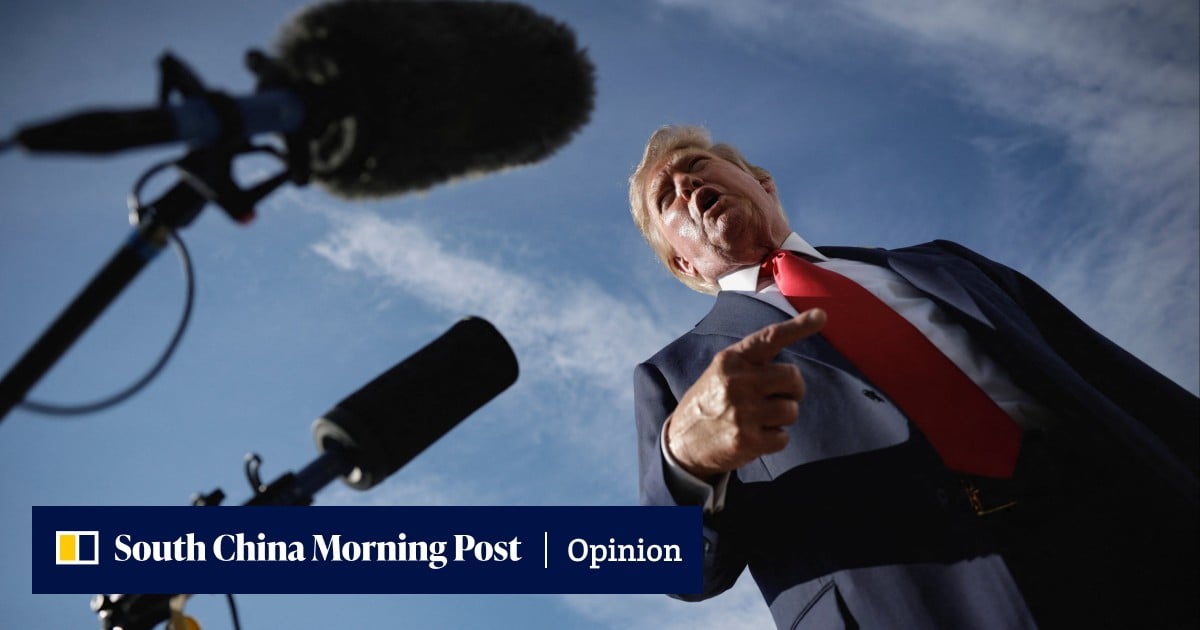
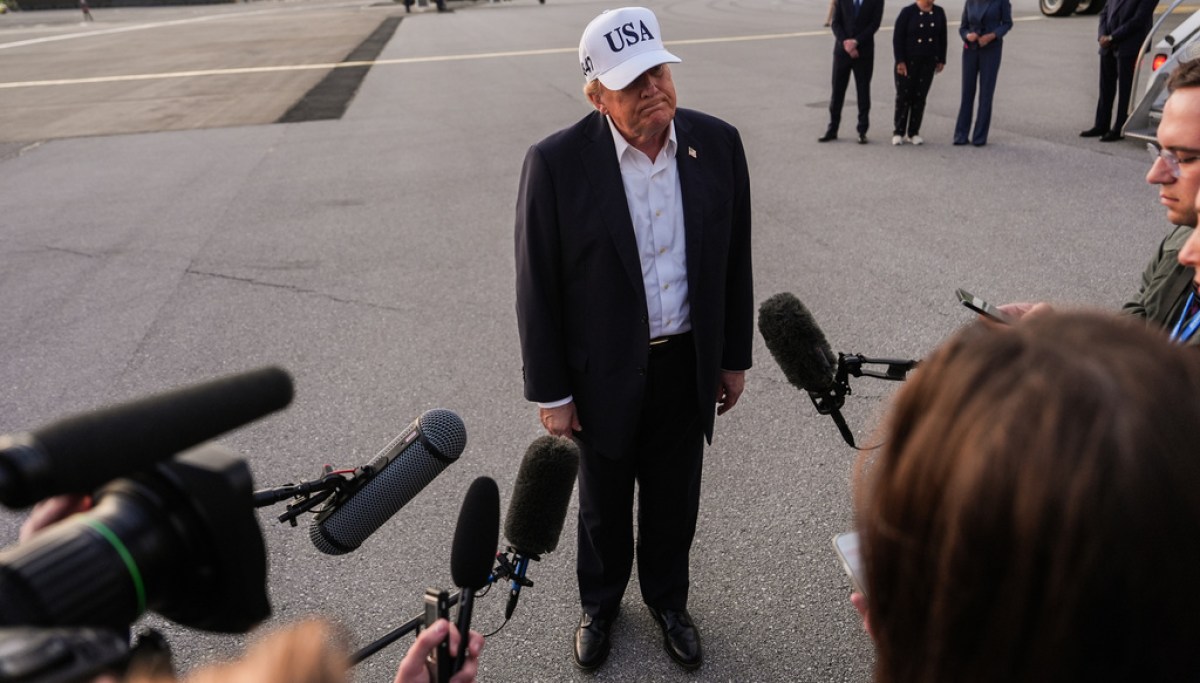
The opportunity for a starting point on those conversations is likely to present itself next week when Xi is due to meet US President Donald Trump at the White House.
asserted
Xi → start → House
But in the AI race, where both leaders want their team to win, there are low expectations that either side would be willing to give any ground, while the other still surges ahead.
asserted
other → want → ground
 The Aporia