That is 0 articles you have read today.
The Aporia is free and carries no advertising, so readers are the only
thing paying for it. If you are getting this much out of it, a small
donation is what keeps it independent.
Daily limit reached
You have read 0 articles today.
That is more than the 15 a day The Aporia gives away,
and well past what it can carry on nothing. Your allowance resets at
midnight.
There is no advertising here and nothing about you is sold, so readers
are the only thing paying for it. If the site is worth this much of
your day, it is worth a few dollars.
Everything else stays open: the
maps, the
directory and
search do
not count against this, and neither does re-opening something you have
already read today.
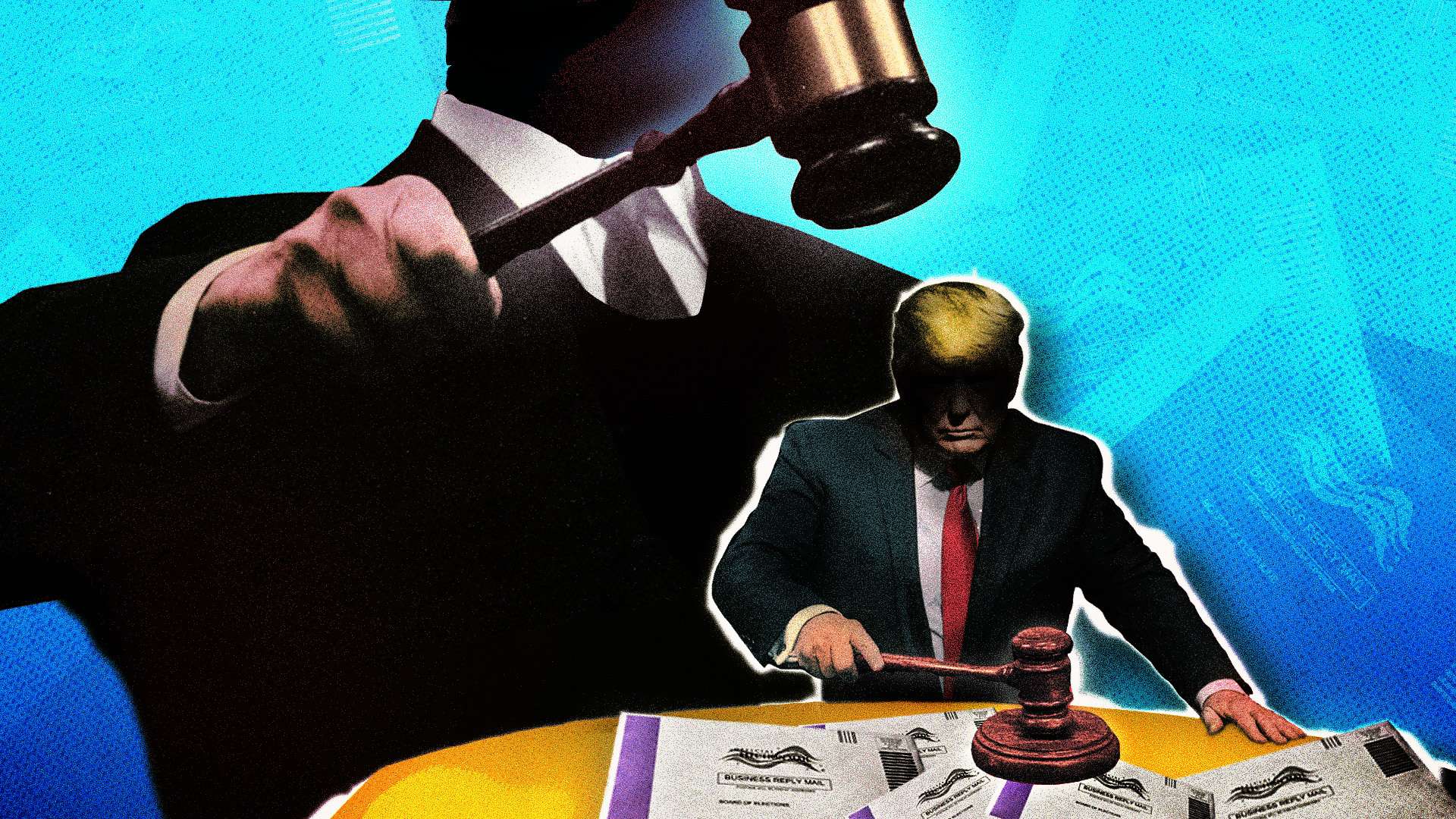
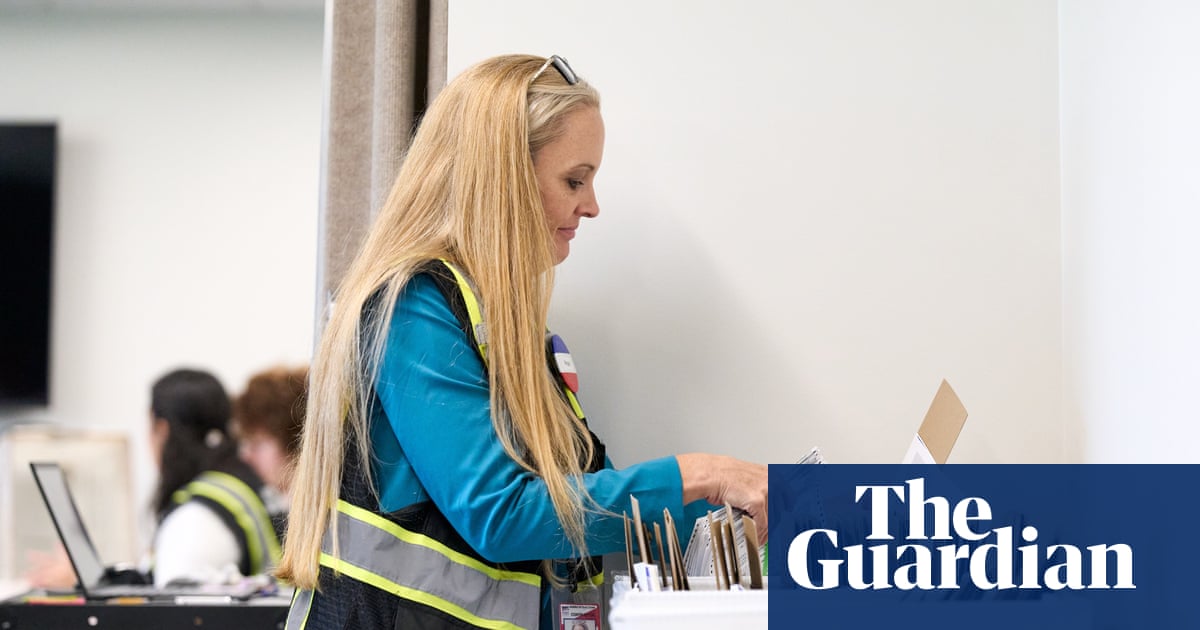
A judge appointed by President Donald Trump has blocked a new rule implemented by the United States Postal Service regarding mail-in ballots, stating that the USPS lacked congressional authorization to enforce it. Judge Carl Nichols of the U.S. District Court for the District of Columbia issued a preliminary injunction on Sunday, preventing the rule from affecting federal elections in November. The ruling highlights the constitutional authority divide between state and congressional regulation versus executive action, emphasizing that only Congress can make regulations concerning federal election procedures.
Written by the local model on 2026-09-16,
using this article's own text rather than the other coverage of the
same event (that is the story summary below).
Story summary
On Sunday, Judge Carl Nichols, a judge appointed by President Trump to the U.S. District Court for the District of Columbia, issued an order blocking parts of President Trump's executive order aimed at restricting mail-in ballots. The judge noted that just three weeks prior, the United States Postal Service had adopted new rules requiring all absentee and mail-in ballots sent in envelopes meeting specific design requirements and verified by voters through a newly created portal. This decision came after the U.S. Supreme Court ruled 6–3 that Trump's executive order could be implemented for upcoming elections but did not definitively rule on its legality. Judge Nichols’s ruling is seen as a significant setback for Trump's efforts to tighten restrictions on mail-in voting ahead of November elections, reinforcing ongoing legal challenges against the measure.
Written for “Mail In Ballot Restrictions Court Case” on 2026-09-15,
grounded in this article and the 0 other(s) covering the same event.
Why this leaning score
The article's own words the score was based on. Each is quoted
verbatim and was checked against the article text before being
stored, so you can find it in the original.
Leaning score -0.35 for article 9712 (high confidence, 1 verified quote) · logged 2026-09-16
Last month, the U.S. Supreme Court ruled 6–3 that the executive branch may begin to implement President Donald Trump's executive order that seeks to restrict the use of mail-in ballots in the fast-approaching midterm elections this November.
uncertain
that → rule → elections
At the same time, however, the Court also made it clear that its ruling was not the final word on the matter.
asserted
ruling → make → matter
"The Court's disposition of this application does not mean that any measure taken by the Government to implement the Order will necessarily be lawful," explained its unsigned majority opinion.
asserted
measure → mean → opinion
"On that score, time will tell."
asserted
time → tell → score
In other words, the real legal battle over Trump's mail-in ballot order was just getting started.
asserted
battle → mail → order
On Sunday, the administration suffered a notable defeat in that now-unfolding battle.
asserted
administration → suffer → battle
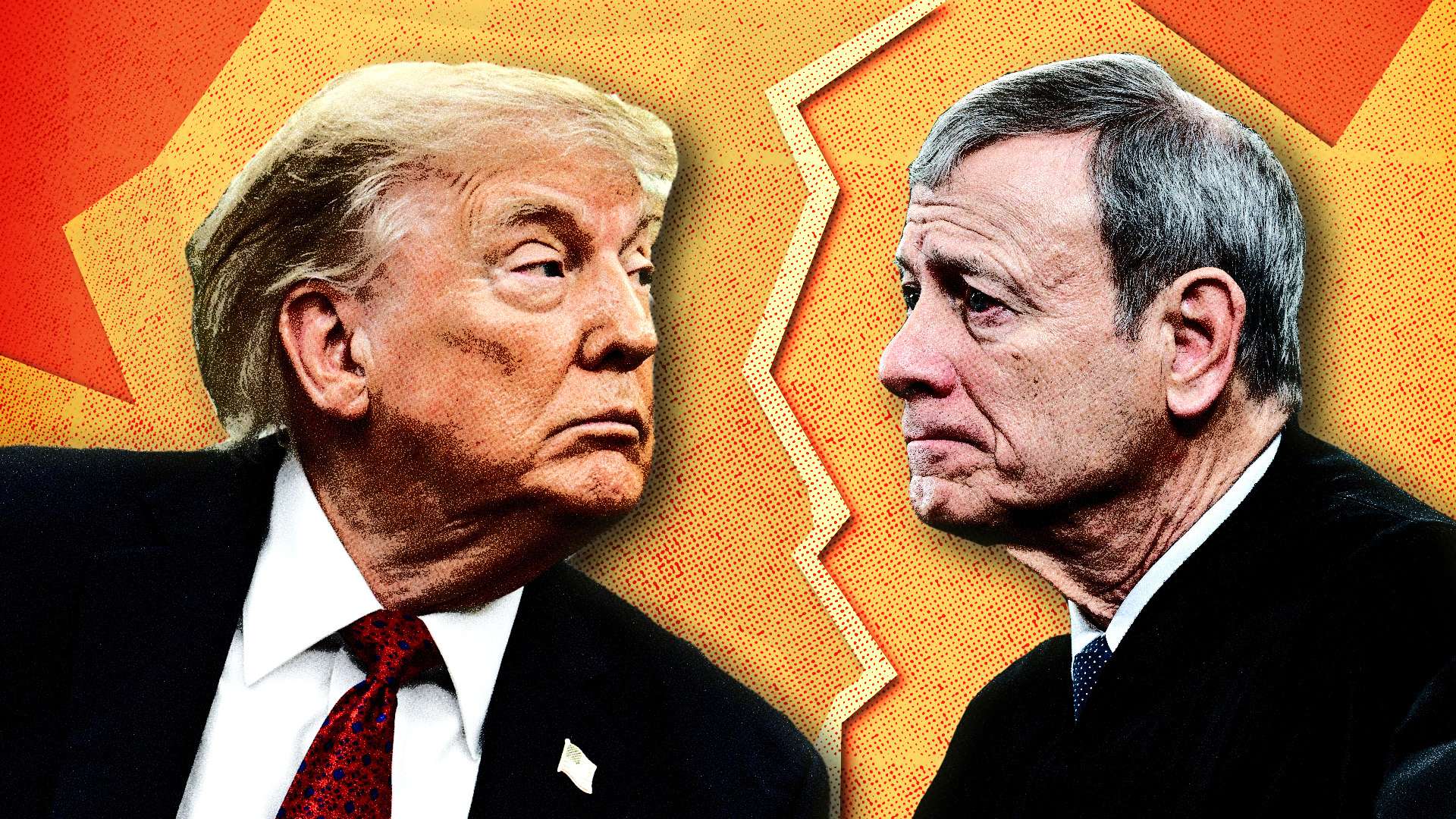
What is more, in a sort of insult added to legal injury, Trump suffered that defeat at the hands of a judge that he himself appointed to the federal bench.
asserted
he → add → bench
You’re reading Injustice System from Damon Root and Reason.
asserted
You → read → Root
"Less than three weeks ago," observed Judge Carl Nichols, a Trump appointee who sits on the U.S. District Court for the District of Columbia, "the United States Postal Service adopted a Final Rule requiring that all absentee and mail-in ballots for federal elections—including for the elections occurring in less than sixty days—be transmitted only in envelopes satisfying new design requirements and be transmitted only to voters who are verified by the Postal Service to have been enrolled in a newly created 'Federal Ballot Mail Portal.'"
asserted
who → observe → Portal
The problem with that, Nichols observed, is that "the Postal Service could issue (and enforce) the Rule only if Congress gave it the authority to do so, but here no statute grants the Postal Service the power to issue key parts of the Rule."
uncertain
statute → observe → Rule
Nichols therefore issued a preliminary injunction that entirely blocks the Postal Service's new rule on mail-in ballots from going into effect while the litigation against it plays out.
asserted
litigation → issue → it
The "plaintiffs have demonstrated that, absent an injunction, there is an increased risk that a significant number of otherwise appropriate absentee or mail-in ballots will ultimately not be counted in the upcoming elections," Nichols wrote.
asserted
Nichols → demonstrate → elections
"The public has a strong interest in ensuring that doesn't happen."
At the center of this dispute is a fairly straightforward piece of constitutional text.
asserted
piece → have → text
According to Article I, Section 4, "the Times, Places and Manner of holding Elections for Senators and Representatives, shall be prescribed in each State by the Legislature thereof; but the Congress may at any time by Law make or alter such Regulations."
uncertain
Congress → accord → Regulations
Put differently, the Constitution leaves the making of rules and regulations for federal elections in the hands of the states and Congress; the executive branch is granted no such authority.
asserted
branch → Put → authority
That's the rather steep constitutional hurdle that Trump will somehow have to clear if his executive crackdown on mail-in voting is going to happen.
asserted
crackdown → have → voting
The fact that a Trump-appointed federal judge has just issued what is effectively a bench slap against the implementation of the president's order does not bode well for his efforts to evade the constitutional separation of powers.
asserted
what → appoint → powers
*UPDATE: Last night, by a vote of 7–2, the U.S. Supreme Court left in place a different ruling by a different lower court that had similarly blocked parts of the president's mail-in ballot rules from going into effect.
asserted
that → leave → effect
As a result of this late-breaking action by the Court, Trump's unilateral attempt to restrict voting by mail in the midterm elections has effectively been rendered dead on arrival.
asserted
attempt → break → arrival
 The Aporia