Mostly law professors | Sometimes contrarian | Often libertarian | Always independent
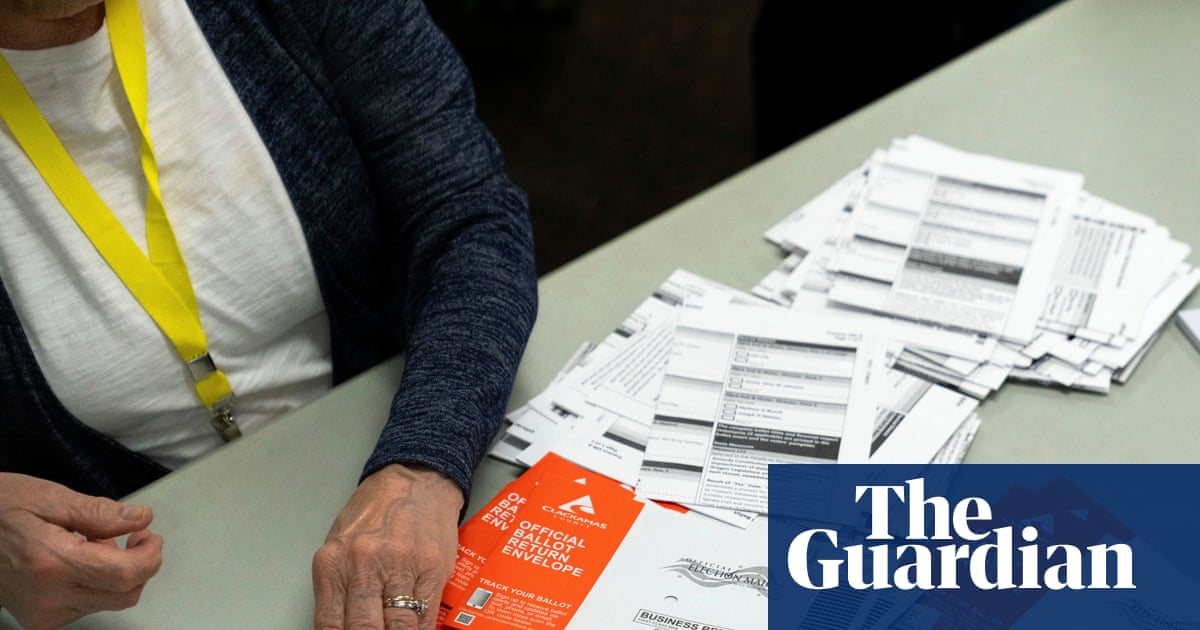
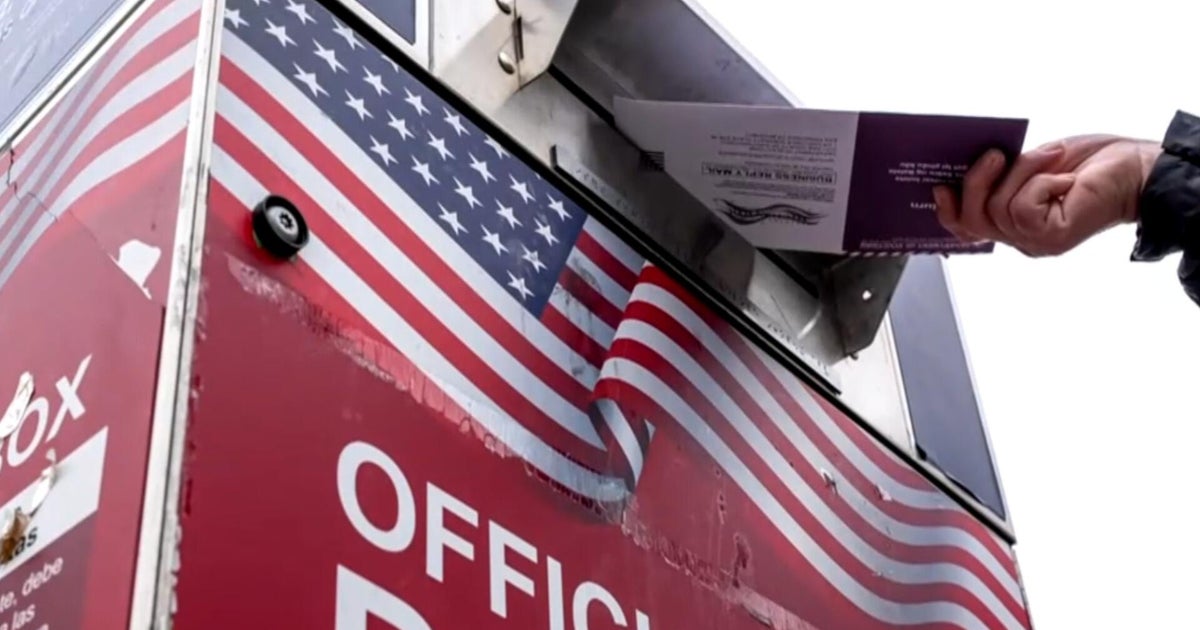
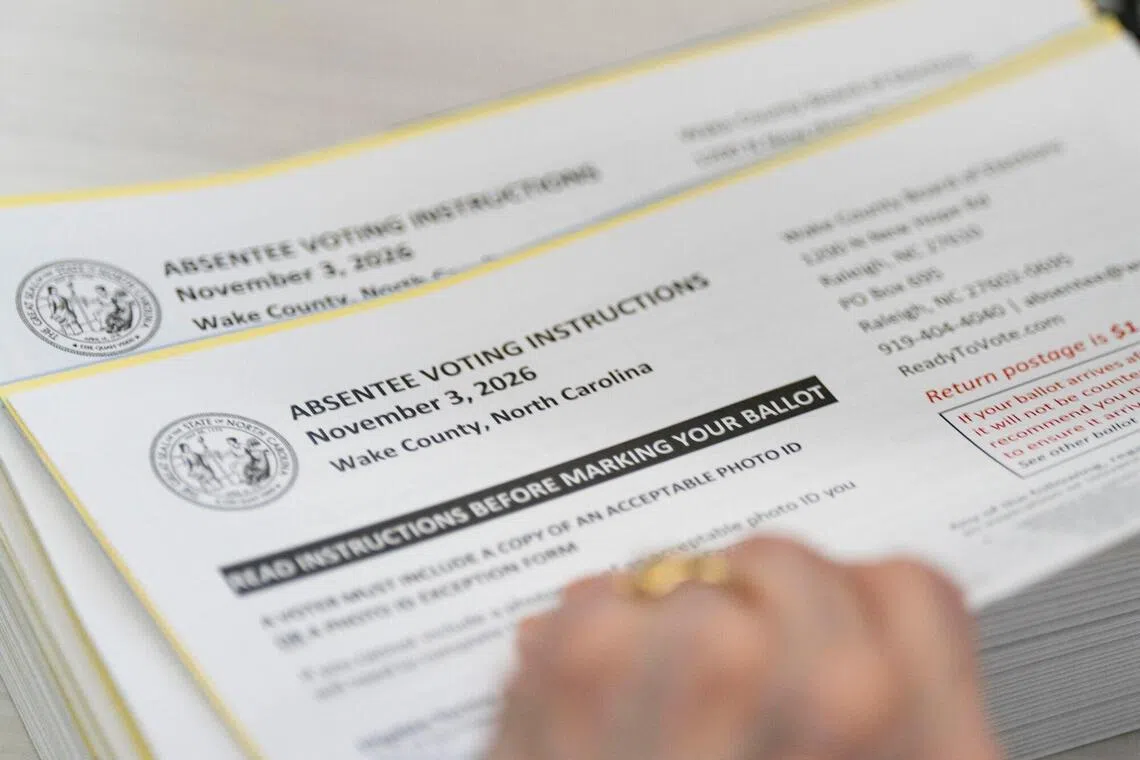
I recently wrote about how Donald Trump's executive order seeking to curb mail-in voting is an attack on federalism and separation of powers.
asserted
order → write → powers
The Constitution gives states primary authority over election administration, subject to potential modification by congressional legislation.
asserted
Constitution → give → legislation
Today, in League of Women Voters v. Trump, a unanimous panel of the US Court of Appeals for the First Circuit rejected the Trump Administration's motion to stay the trial court injunction blocking implementation of the US Postal Service rule implementing Trump's order.
asserted
panel → reject → order
Appellants have not demonstrated entitlement to a stay.
asserted
Appellants → demonstrate → stay
Most prominently, appellants
have not made a strong showing that the district court erred in determining that the Final Rule is likely unlawful.
asserted
Rule → make → showing
The district court concluded, and we agree, that the Final Rule is likely a regulation of the manner of holding elections for members of Congress, which the Elections Clause of the Constitution assigns to the States and Congress, and not to an executive agency, such as the Postal Service, acting without congressional authorization.2
asserted
Clause → conclude → authorization.2
Appellants seek to avoid the constitutional problem by denying that the Final Rule regulates the manner of holding elections.
asserted
Rule → seek → elections
The district court charitably concluded that "[t]his denial rings hollow."
asserted
denial → conclude → ?
The title of the Final Rule is "Ballot Mail for Federal Elections," and the Final Rule explicitly and exclusively regulates election mail.
asserted
Rule → regulate → mail
It requires action by the States' "chief election official[s]" and its policy justification is "protect[ing] the integrity of federal elections…."To the extent that appellants argue that we should read statutes authorizing the Postal
Service to issue general postal regulations as supplying the necessary congressional authorization for the Final Rule, see 39 U.S.C. § 401(2) (authorizing USPS to make "such rules and regulations, not inconsistent with this title, as may be necessary in the execution of its functions"); id. § 401(10) (authorizing USPS to exercise "all other powers incidental, necessary, or appropriate to the carrying on of its functions or the exercise of its specific powers"); id. § 404(a)(1) (conferring on USPS the power "to provide for the collection, handling, transportation, delivery, forwarding, returning, and holding of mail, and for the disposition of undeliverable mail")
uncertain
USPS → require → mail
, their argument likely fails.
asserted
argument → fail → ?
Appellants have not convinced us that it is likely that Congress would delegate constitutionally assigned tasks relevant to maintaining our electoral system to the Postal Service through the "wafer-thin reed" of a general grant of authority to manage the postal system.
asserted
Congress → convince → system
As appellees point out, Congress historically has been explicit in its exercise of authority under the Elections Clause when it seeks to displace the background assumption that the States will act as the primary regulator of elections.
asserted
States → point → elections
The general authority on which appellants rely here is far removed from that sort of specific congressional action.
asserted
appellants → rely → action
I think this is exactly right.
asserted
this → think → ?
And it's notable the court cited the major questions doctrine case of Biden v. Nebraska, which rightly rejected President Biden's effort to use vague statutory language as a tool for forgiving hundreds of billions of dollars in federal student loan debt.
asserted
which → cite → debt
As explained in my earlier post on this issue, and by the district court, Trump's claim to be able to use the Postal Service authorization law to leverage massive changes in state mail-in ballot rules also creates a major questions issue, as control over rules for tens of millions of ballots is clearly an issue of vast political significance and (in the words of Chief Justice John Roberts in the recent Learning Resources tariff case) a "highly consequential power."
uncertain
control → explain → case
When the executive claims Congress has delegated it such a vast power, the major questions doctrine requires proof that the delegation is clearly stated in the relevant statute.
uncertain
delegation → claim → statute
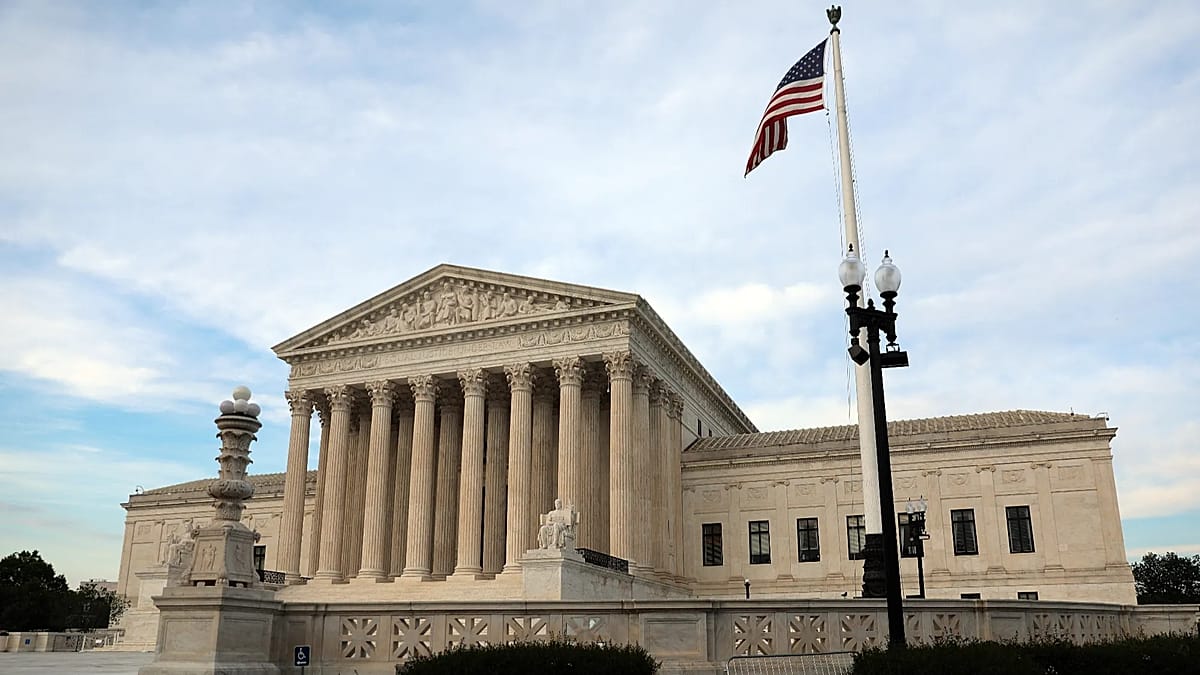
Trump has also asked the Supreme Court to stay the district court ruling, and that court will have the final say, if it wants it.
asserted
it → ask → it
Hopefully, the justices will recognize that the district court and the First Circuit got this issue right.
asserted
issue → recognize → ?
While recent events have led me and some other scholars (e.g. - prominent election law specialist Rick Hasen) to take a more favorable view of election-law federalism, there are still plausible arguments for increasing federal control over some aspects of election administration.
asserted
events → lead → administration
But any such increase must be properly enacted by Congress, not unilaterally imposed by the executive.
asserted
increase → enact → executive
There are good reasons for the Constitution's rejection of the idea that any one person should have sweeping power to alter electoral rules - especially so close to the date of a major federal election.
asserted
person → be → election
 The Aporia