Liberals ‘let emotions and tempers’ take charge in Trump dealings: Ian Lee

National Post · collected 2026-09-14 · by Carson Jerema
Read the original at National Post ↗

Summary

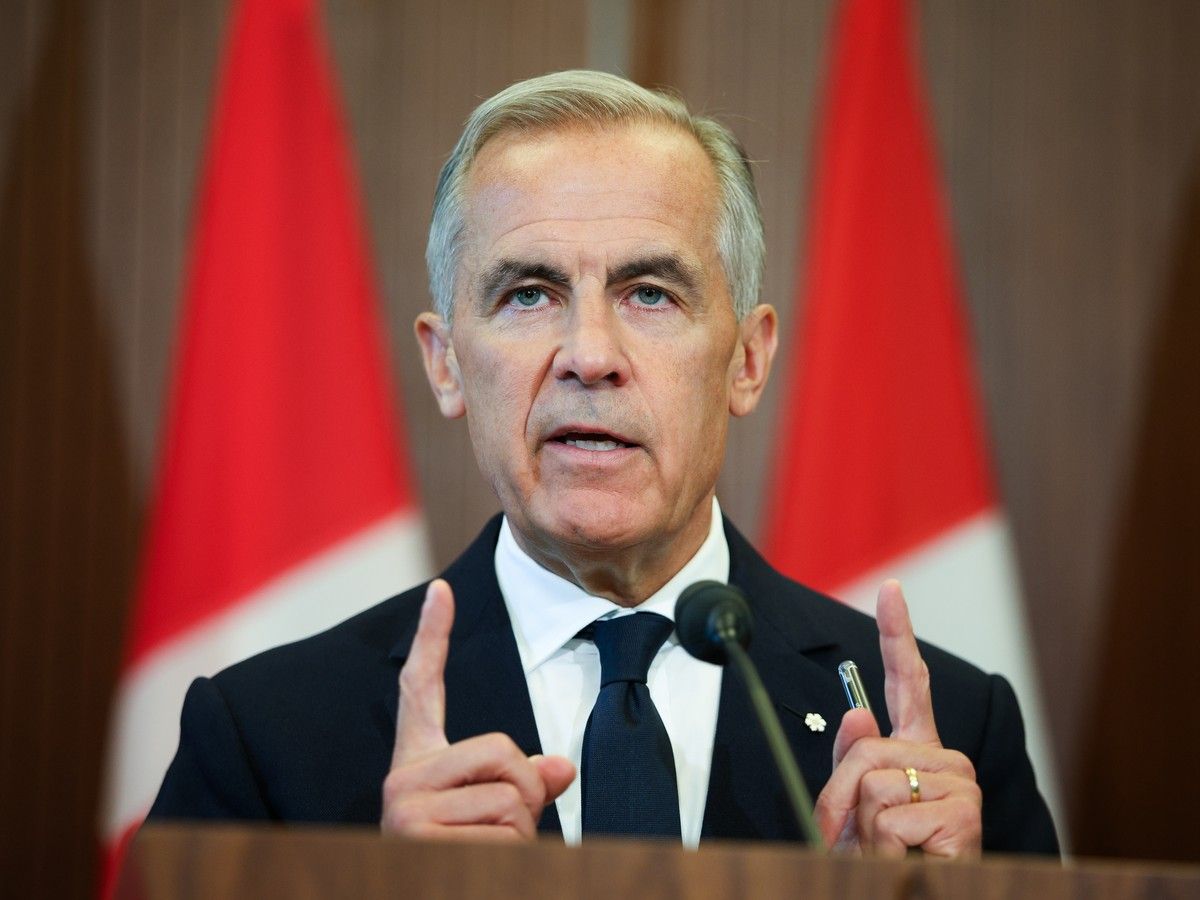
Ian Lee, a Carleton University business professor, discusses Canada’s ongoing trade conflict with the United States in an interview with Rob Breakenridge from the National Post. Lee emphasizes that prolonged economic tensions could lead to negative outcomes such as recession or capital flight. He suggests Canadians need to acknowledge certain economic realities and highlights the uncertainty regarding further escalation or potential negotiations to resolve the dispute.
Written by the local model on 2026-09-14, using this article's own text rather than the other coverage of the same event (that is the story summary below).

Signals How these are calculated →

Claims extracted
5
claim-shaped sentences
Uncertain
40%
2 of 5 hedged
Leaning
withheld
no quote in the article backed the model's score
Correction & hedging signals
95.6
corrections and hedging in what we collected; not a measure of accuracy
Outlets on this story
1
Economy/Business
Narrative spread
1
articles carrying this framing
Analyzed 2026-09-14 · how these are computed

AI analysis (generated at analysis time, not now)

Story summary

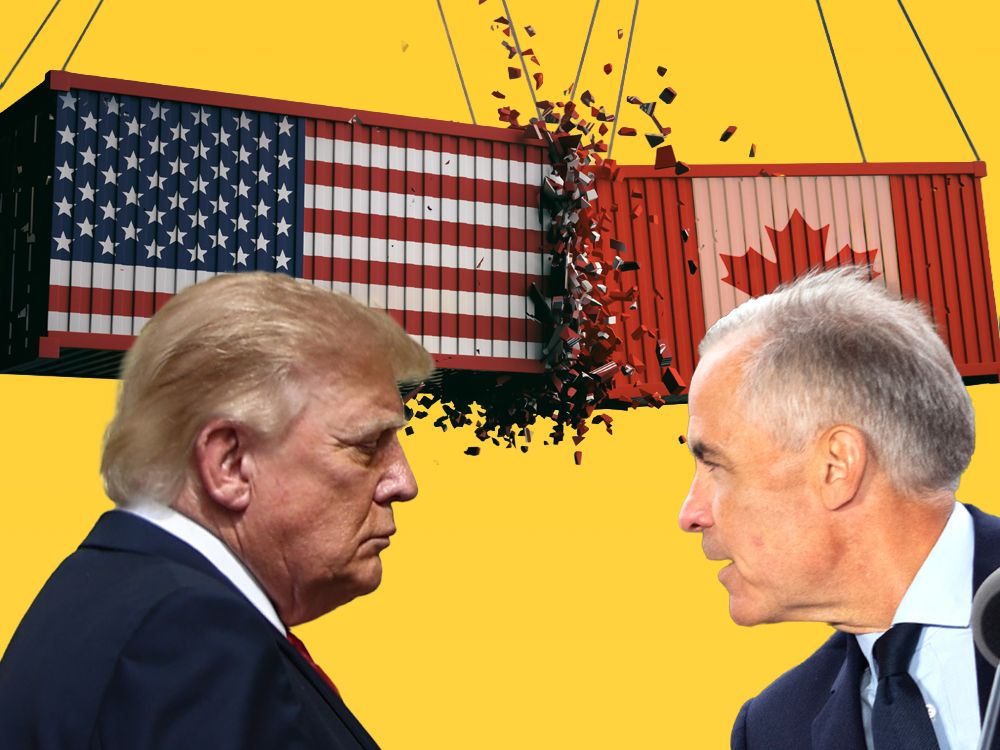
The Canadian trade relationship with the United States is deteriorating due to escalating tariffs. Canadian counter-tariffs have been implemented in response to widening American tariff measures, potentially leading to further economic conflict. Carleton University business professor Ian Lee discusses these developments with the National Post’s Rob Breakenridge, emphasizing the need for Canadians to acknowledge harsh economic realities. Lee warns that without careful handling, Canada could face severe consequences such as a potential recession or capital flight from the country, indicating significant economic damage if the trade war continues.

Written for “Trump Dealings Controversy” on 2026-09-14, grounded in this article and the 0 other(s) covering the same event.
Why this leaning score
The model judged this article politically coded and scored it +0.15, but none of the 1 quote(s) it offered could be found in the article text, so the score is not published.
Written under an earlier scoring contract, which gave a paragraph rather than checkable quotes. Re-analysing this article replaces it.
Leaning score withheld for article 8734: no verified evidence · logged 2026-09-14

Story

📰 Trump Dealings Controversy
Economy/Business · 1 article(s) covering the same event. This is the one the site leads with.

How this is being covered How these are calculated →

Article leaning vs. publisher reliability
Source leaning vs. consistency

Compared with similar articles

This article reads unscored and hedges 40% of its claims. Each row says how that neighbour differs.
The Globe and Mail
⚖️ leaning not scored 🔴 0% hedged 0 of 36 📰 publisher trust 40
“The articles discuss different aspects of Canada-U.S. trade relations; Article A covers Prime Minister Carney's comments on potential retaliation, while Article B discusses broader economic realities and perspectives from a business professor.”
National Post
⚖️ Leans strongly left 🔴 9% hedged 6 of 69 📰 publisher trust 96
“The articles discuss related topics (the trade war) but describe different aspects and timeframes.”
Reason
⚖️ Leans strongly left 🔴 7% hedged 2 of 28 📰 publisher trust 92
“The articles discuss different aspects of the trade conflict between Canada and the U.S., with Article A focusing on broader economic realities and emotions in dealing with Trump, while Article B focuses specifically on legal analysis of Section 338 tariffs.”
The Globe and Mail
⚖️ leaning not scored 🔴 19% hedged 6 of 31 📰 publisher trust 40
“The articles discuss related topics regarding trade tensions between Canada and the U.S., but they describe different stages or developments of the ongoing situation rather than a single specific event.”
TIME
⚖️ leaning not scored 🔴 15% hedged 6 of 41 📰 publisher trust 95
“While both articles discuss the trade war between Canada and the U.S., Article A focuses on the initial implementation of tariffs, while Article B discusses broader perspectives and implications without specifying a single incident.”
CBC News
⚖️ leaning not scored 🔴 48% hedged 23 of 48 📰 publisher trust 95
“While both articles discuss the ongoing trade disputes between Canada and the United States, they do not describe the same specific incident or occurrence.”
The Globe and Mail
⚖️ leaning not scored 🔴 6% hedged 13 of 229 📰 publisher trust 40
“The articles discuss different aspects of the Canada-U.S. trade relationship over time, with distinct commentary and no clear overlap in specific incidents or dates.”
CBC News
⚖️ leaning not scored 🔴 8% hedged 3 of 37 📰 publisher trust 95
“The articles cover different aspects of the trade war, with Article A focusing on Christine Fréchette's actions during her election campaign and Article B discussing broader economic realities and opinions about the trade conflict.”

Publisher

National Post · 189 article(s) · 0 correction(s) detected
No corrections detected for this publisher. That may mean careful reporting, or simply that nothing has been checked.

Who wrote this

Carson Jerema
19 article(s) here · 1 carrying a prediction
🔮 Guest addresses like this aren’t unheard of, but they have mostly been reserved in recent years for civil society figures focused on Ukraine, which was already a signal that something significant was to be announced, and reporting has suggested that some sort of new relationship between Canada and the European Union was in the cards. Then on Saturday, a 5,000-word Wall Street Journal exclusive gave us a hint at what might be coming.
🔮 It’s unclear whether this might lead to further escalation or whether there’s a path back to the negotiating table.
🔮 This is a good development, as the deal is structured in a way that will strengthen Ottawa’s military prowess, but more details are sorely needed to properly assess the full return-on-investment.
🔮 On Tuesday, the Government of Canada announced, through a series of statements, that it will impose trade restrictions on so-called Israeli settlements.
🔮 Canadian progressives have spent the better part of a decade doing just that, think of the Langevin Block that became the Office of the Prime Minister, the now Toronto Metropolitan (formerly Ryerson) University, Sankofa square in Toronto (formerly Dundas), the Kichi Zībī Mīkan (formerly the Sir John A. Macdonald Parkway in Ottawa), and the list could go on.
🔮 A state may maintain its own names database or have other policies that govern state map production, but typically and for consistency, they use the names in GNIS.
🔮 However, policies are not copyrighted, and the public will not judge Carney for championing an expanded housing supply, accelerated major projects, and stronger national defence, among other plans.
🔮 Instead, CBC highlights how differently the case would proceed if the killings had happened in Canada and the trial were heard here.
🔮 It would be hard to deny that a trade war is a bad time to impose new costs on Canadians and it’s encouraging to see the government acknowledge this.
🔮 Thirty years ago, women’s golf was scandalized when CBS sports commentator Ben Wright allegedly claimed that women were “handicapped” by virtue of having breasts, which, he stupidly claimed, would “get in the way” of their golf swings.
More on this subject from Carson Jerema
J.D. Tuccille: Canada can win at trade by ignoring Trump
2026-08-25 · National Post · 81% similar
All 19 articles by Carson Jerema →

Topics

Americans Canada Canadian National Post’s the United States

Subjects

Americans NORP · 1× Canada GPE · 1× Canadian NORP · 1× Canadians NORP · 1× Carleton University ORG · 1× Ian Lee PERSON · 1× Lee PERSON · 1× National Post’s ORG · 1× Rob Breakenridge PERSON · 1× the United States GPE · 1×

Narrative

In this interview, National Post’s Rob Breakenridge speaks with Carleton University business professor Ian Lee about the need for Canadians to accept some of the basic economic realities we’re facing and the potential economic damage from a prolonged trade war.
framing: mixed · carried by 1 article(s) · first seen 2026-09-14
🔮 It’s unclear whether this might lead to further escalation or whether there’s a path back to the negotiating table.

Claims (5 extracted, 2 hedged)

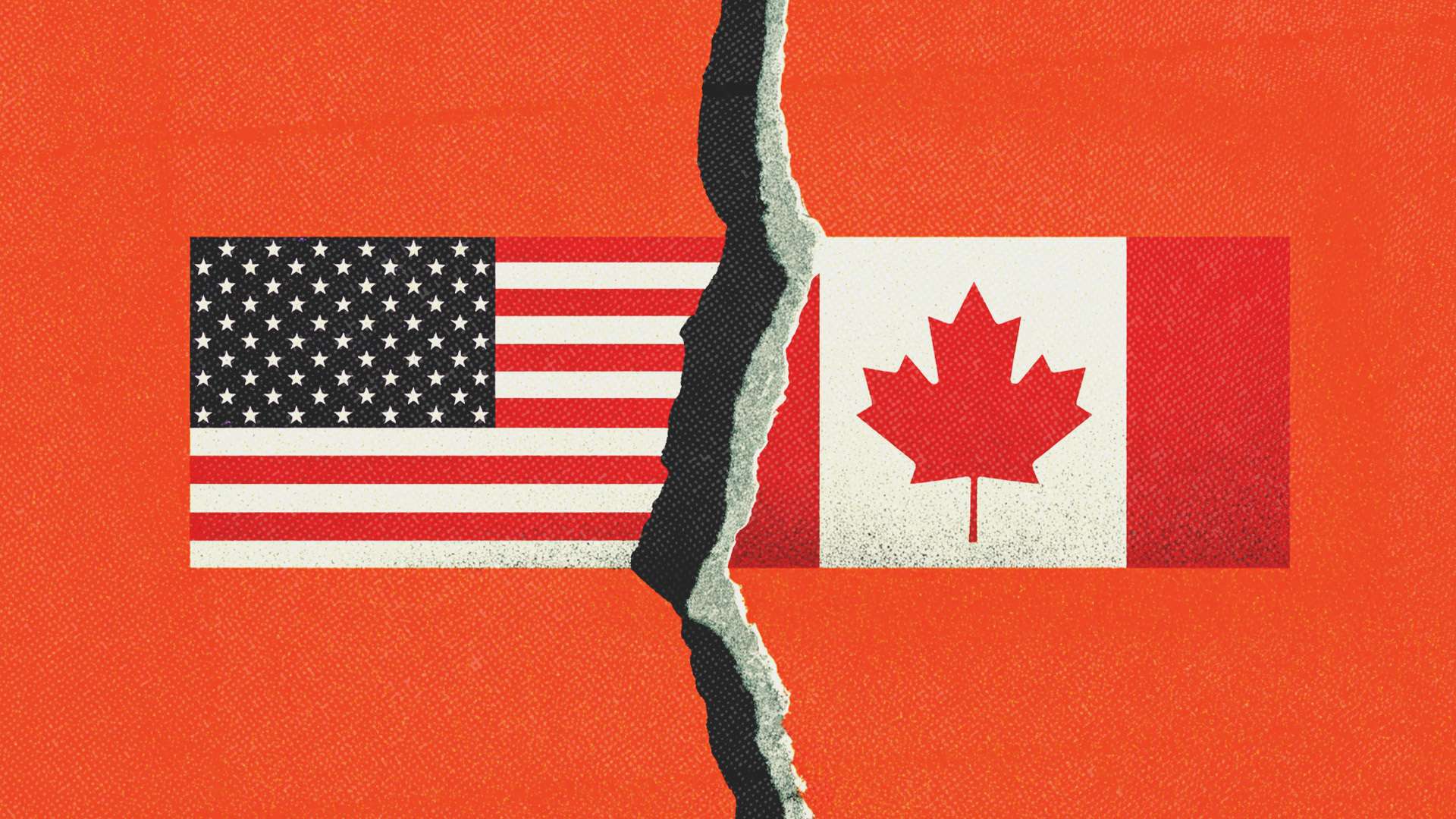
Canada’s trade war with the United States is escalating as Canadian counter tariffs have taken effect and the Americans have widened the scope of their own tariffs. asserted
Americans → escalate → tariffs
It’s unclear whether this might lead to further escalation or whether there’s a path back to the negotiating table. uncertain
this → ’ → table
It’s also not clear what the government’s ultimate objective is or how long they’re prepared to fight this battle. asserted
they → ’ → battle
In this interview, National Post’s Rob Breakenridge speaks with Carleton University business professor Ian Lee about the need for Canadians to accept some of the basic economic realities we’re facing and the potential economic damage from a prolonged trade war. asserted
we → speak → war
If we’re not careful, Lee warns that we could stumble into a recession or even see capital flight out of the country. uncertain
we → ’re → country
💬 Give feedback
🕘 History 🎫 Support