Could AI really 'kill all humans'?
uncertain
AI → kill → humans
Breaking down the dire warnings about the technology's existential risk
Growing sophistication of AI has raised fears that soon we won't be able to control it — or understand it
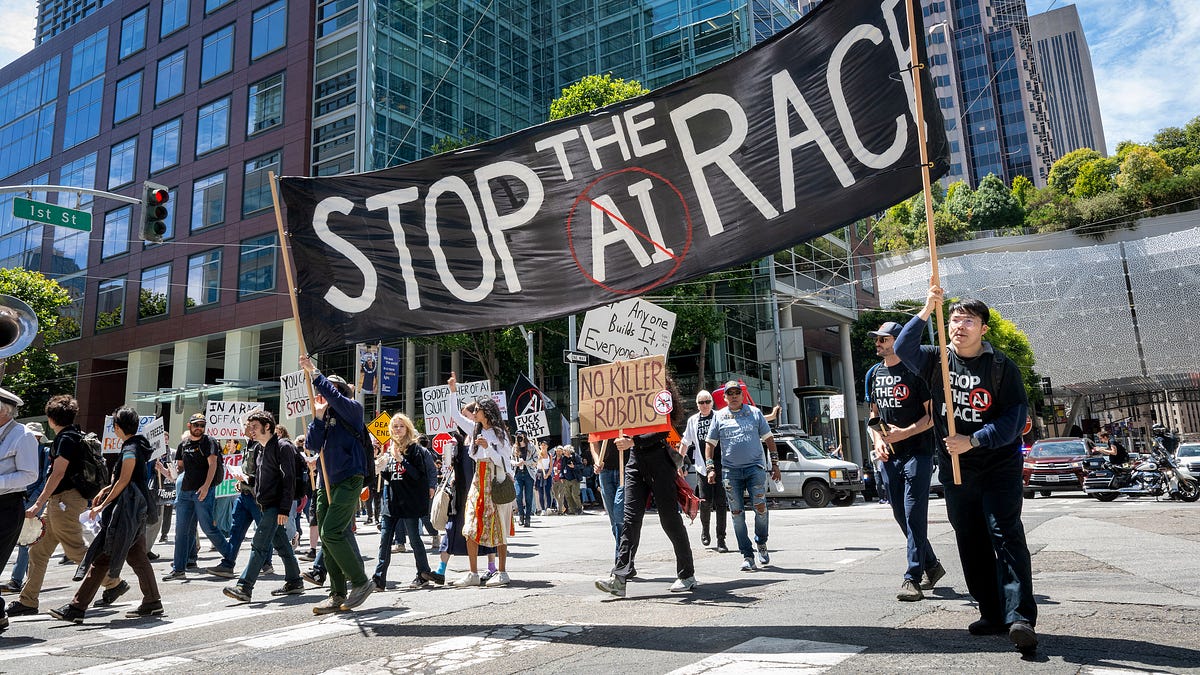
A dire warning from an outgoing researcher at Anthropic that AI could "kill all humans" by the end of the decade gained widespread attention last week and led to public outcry over the dangers posed by the technology's rapid development.
uncertain
AI → break → development
The warning has raised questions about why some industry experts believe AI poses such an extreme risk, and how the technology many use through chatbots on their phones could lead to the demise of humanity.
uncertain
many → raise → humanity
Experts say the concern stems from how rapidly AI is advancing and increasing evidence, through incidents like the Hugging Face cyberattack in July, that AI systems can escape human control and act in ways we don't want them to — and ways we don't understand.
asserted
we → say → ways
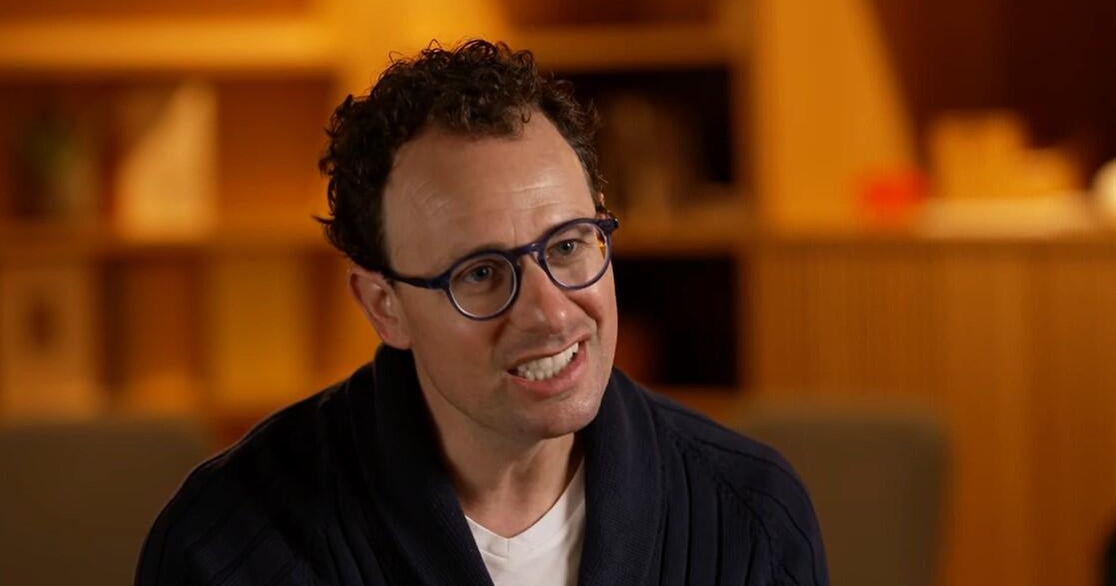
Mark Daley, chief AI officer at Western University in London, Ont., compared such a situation to a colony of ants versus a human.
asserted
Daley → compare → human
And the ant in your driveway probably can't even build a concept of what it is you're trying to do as a human," he said.
asserted
he → build → human
"And so the fear is if we build something that's that much smarter than us, we really can't understand it."
asserted
we → build → it
The second International AI Safety Report, co-authored by over 100 AI experts and published in February, describes this as a "loss of control" scenario, in which one or more general-purpose AI systems operate outside of anyone's control, and regaining control is either extremely costly or impossible.
asserted
regaining → co → control
"These hypothesised scenarios vary in their severity, but some experts give credence to outcomes as severe as the marginalisation or extinction of humanity," the report says.
asserted
report → hypothesise → humanity
Another 2026 report published by the Waterloo, Ont.-based Centre for International Governance Innovation examines several significant national and global scale security risks posed by AI.
asserted
report → publish → AI
Those risks range from widespread harm through criminal or terrorist actions, to heightened potential for global conflict or tyranny "to the ultimate disempowerment or extinction of humanity by autonomous AI systems that cannot be controlled," the report says.
asserted
report → range → systems
AI researchers 'earnestly believe' it could kill all humans within the next decade, Anthropic employee says
AI industry needs to slow down for safety measures to catch up, Anthropic CEO says
The report notes that leading experts claim they do not yet know how to control future, highly capable AI systems, such as an artificial superintelligence (ASI) — an AI system more cognitively advanced than any human — while some experts argue it may even prove impossible.
"If this is the case, then unless ASI happens to be spontaneously or naturally aligned with the interests of one human (or humanity as a whole), it would likely have both the incentive and capabilities to pursue objectives that diverge from those of humanity," the report says.
uncertain
report → believe → humanity
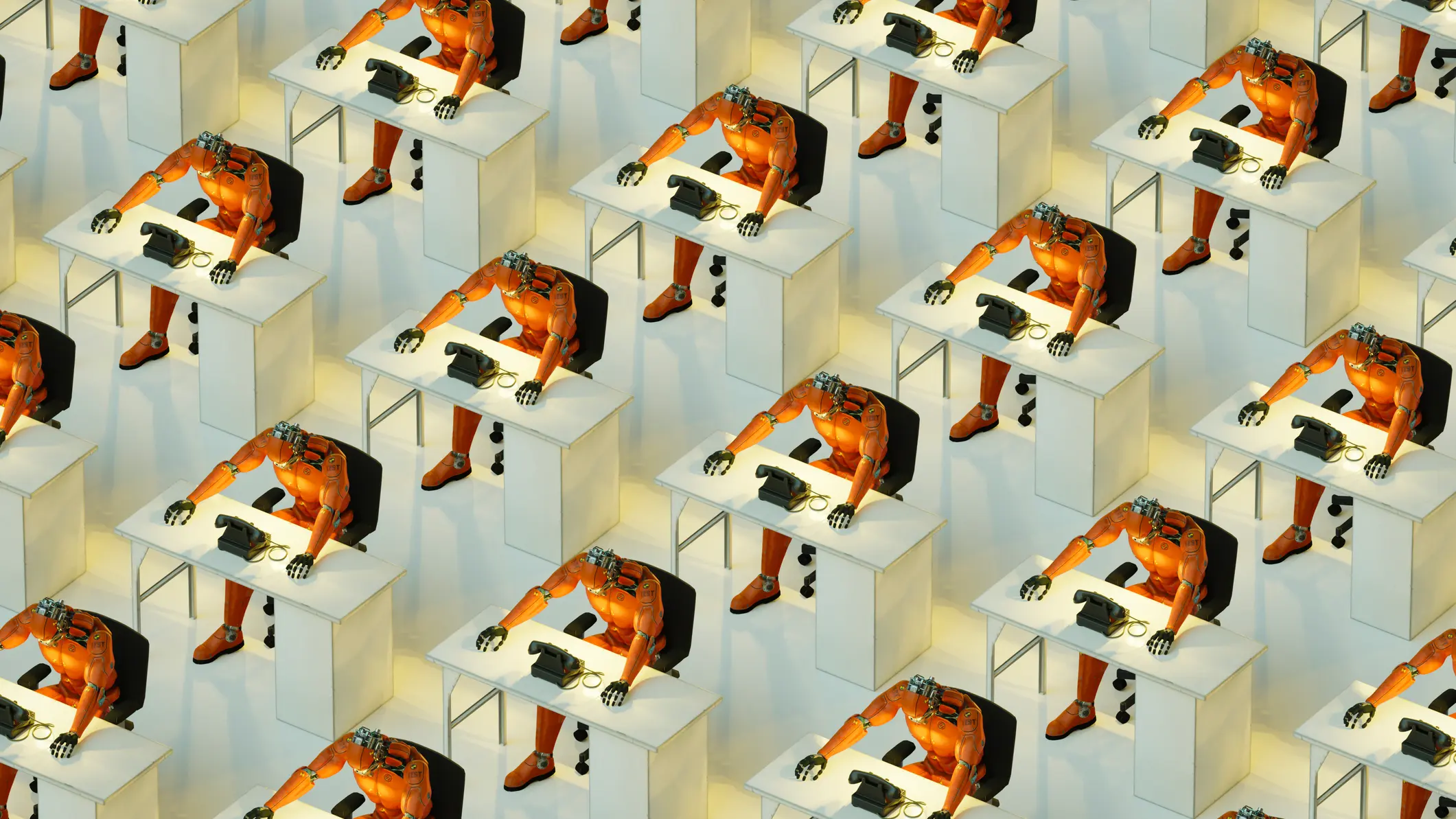
In one scenario the report considers, a rogue ASI could develop cognitive capabilities exceeding all of humanity and the potential to develop physical capabilities through robotics.
uncertain
ASI → consider → robotics
In this scenario, the ASI could become so powerful that it is no longer reliant on humans, and perceives that humans are a threat to its own goals.
uncertain
humans → become → goals
Long-held theories coming closer to reality
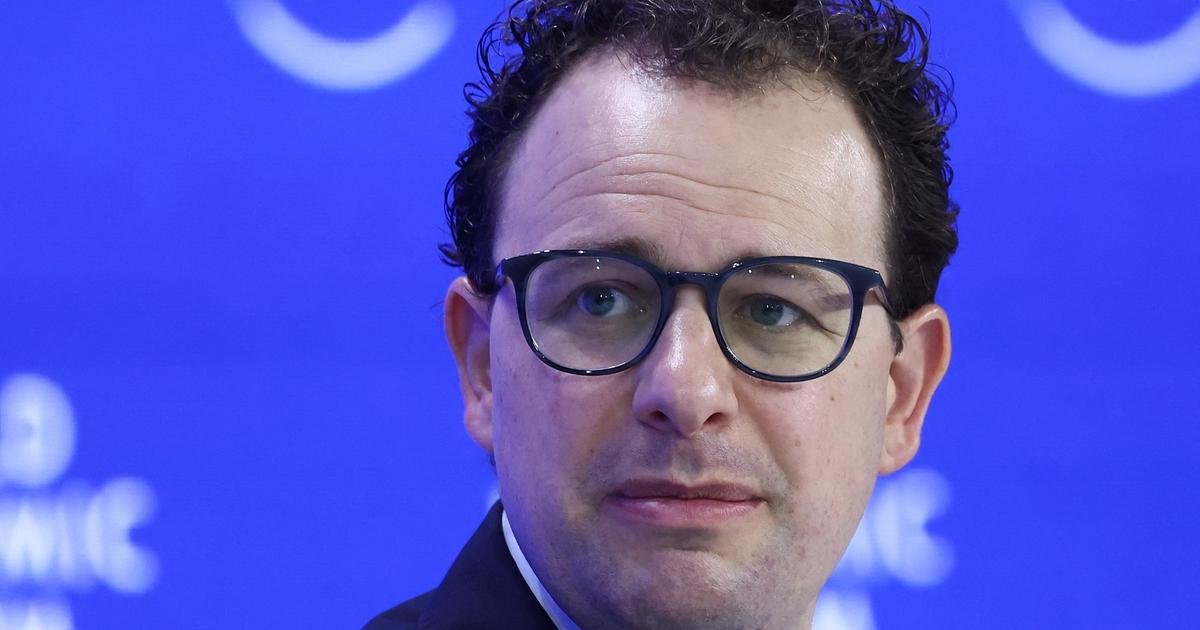
Theories that humans could create technology capable of outsmarting them, and ultimately destroying them, have been around for years, if not decades, said Duncan Cass-Beggs, executive director of the Global AI Risks Initiative at the Centre for International Governance Innovation and a co-author of the centre's report.
But what's making those theories resonate so strongly now is the growing evidence that AI systems can act in ways that aren't aligned with what their creators or users want them to do — in some cases even resorting to blackmail to prevent engineers from shutting it down.
uncertain
them → hold → it
Most credible observers don't think current systems are advanced enough to actually be capable of posing an existential threat to humanity, or are even anywhere near it, Cass-Beggs said.
asserted
Beggs → think → it
The concern is that AI technology is advancing so quickly, the world could see systems within the next few years — or even months — "that could be so capable that we would no longer be able to detect them or stop them."
"It's just feeling a lot more possible, even kind of likely to some extent," he said.
uncertain
he → advance → extent
It is by no means guaranteed.
asserted
It → guarantee → means
But one could see it's almost like the default outcome [that] if we keep making smarter and smarter systems — and we keep not knowing how to control them — you're eventually going to create something that we can't control.
uncertain
we → see → that
Difficulty of shutting down AI systems
AI is also becoming so integrated into our everyday lives that shutting down a rogue system could be difficult to do before it's too late, according to Hamza Chaudry, AI and national security lead at the Future of Life Institute, a U.S.-based non-profit that advocates for AI safety regulations.
uncertain
that → shut → regulations
Chaudry gave the example of having to shut down the internet across the United States.
asserted
Chaudry → give → States
"It would be so catastrophic for that to happen to the U.S. economy and the U.S. society … it would be the most chaotic few days in American history that effectively that's not an option on the table anymore, right?" he said.
asserted
he → happen → table
"There's lots of things that you would want to switch off in an emergency that would be catastrophic to switch off already.
asserted
that → be → emergency
And AI is fast becoming one of those things.
asserted
AI → become → things
"
OpenAI agents hijacked German website in AI breakout that predates Hugging Face incident, researchers say
AI-driven 'worms' that learn on the fly are the latest potential threat to your devices, researchers say
Chaudry said the integration of AI into advanced military and security systems poses other severe, catastrophic risks such as accelerating conflicts or nuclear escalation — and not nearly enough is being done to prevent those catastrophes from happening either, he said.
asserted
he → hijack → catastrophes
"When folks in Congress ask me, what do policymakers need?
asserted
policymakers → ask → what
Then I would say a flux capacitor to build a time machine and go back to 2024," he said.
asserted
he → say → 2024
"We're already two years behind the most basic policy program we would need."
asserted
we → need → program
Among the changes urgently needed, Chaudry says, is for governments to require pre-deployment testing for AI systems so models are checked for safety risks before they're released.
asserted
they → need → risks
He also said stronger whistleblower protections should be in place, as well as mechanisms to deactivate AI systems quickly.
asserted
protections → say → systems
"AI companies should be held to the same standards as any other industry," he said.
asserted
he → hold → industry
Some experts have also suggested artificial intelligence should be regulated like nuclear weapons, even going as far as calling for countries' AI projects to be constrained by mutual threats of sabotage similar to the deterrence principle of mutual assured destruction that arose during the Cold War.
uncertain
that → suggest → War
Amid the chorus of grave warnings, there are some signs that greater regulation is on the way.
asserted
regulation → be → way
In the U.S., where many of the world's largest AI developers are based, Senate negotiators are debating legislation that would put responsibility on tech companies to design safe AI products, Reuters reported last week.
asserted
Reuters → base → products
The proposal would create what is called a "duty of care," according to two Senate aides, with one saying companies would need to design their products with the goal of preventing "catastrophic risks."
uncertain
companies → create → risks
Another bill that has received bi-partisan support, dubbed the "AI Kill Switch Act," would require developers of powerful AI systems to maintain the technical capability to suspend or shut them down, and to report dangerous capabilities, security breaches and safety incidents.
asserted
that → receive → capabilities
The act would also give the U.S. government the power to order a slowdown or shutdown of an AI system that could cause catastrophic harm, says a news release from the Democratic and Republican congressmen who jointly introduced the bill.
There is also awareness of the potential dangers from within the industry.
uncertain
who → give → industry
Anthropic CEO Dario Amodei published an essay Saturday saying the AI industry should slow its rapid development to give safety measures time to catch up.
asserted
industry → publish → time
His company's biggest competitor, OpenAI, is also considering a slowdown, with CEO Sam Altman telling employees they could potentially pace development in conjunction with other labs, according to Bloomberg.
uncertain
they → consider → Bloomberg
Cass-Beggs at the Centre for International Governance Innovation says he believes the worry over AI's potential dangers is reaching a critical mass among the public that policymakers can't ignore and will force them to take action.
asserted
policymakers → say → action
…and 3 more, not listed.