That is 0 articles you have read today.
The Aporia is free and carries no advertising, so readers are the only
thing paying for it. If you are getting this much out of it, a small
donation is what keeps it independent.
Daily limit reached
You have read 0 articles today.
That is more than the 15 a day The Aporia gives away,
and well past what it can carry on nothing. Your allowance resets at
midnight.
There is no advertising here and nothing about you is sold, so readers
are the only thing paying for it. If the site is worth this much of
your day, it is worth a few dollars.
Everything else stays open: the
maps, the
directory and
search do
not count against this, and neither does re-opening something you have
already read today.
The article discusses differing views on artificial intelligence (AI) regulation, focusing on warnings from AI researchers about potential catastrophic outcomes by the end of this decade. It highlights a recent media tour by Jacob Coxon, a former Anthropic engineer, who raised concerns about the risks posed by AI and called for safety regulations. The piece argues that such warnings are influenced by the ideology of effective altruism (EA), which was previously associated with crypto entrepreneur Sam Bankman-Fried, who faced legal consequences despite his purported intentions to safeguard humanity's future.
Written by the local model on 2026-09-14,
using this article's own text rather than the other coverage of the
same event (that is the story summary below).
Story summary
Shyam Sankar, the chief technology officer and executive vice president at Palantir, argues against the notion that calls for AI regulation are well-intentioned safety measures in his article titled "The Dangerous Ideology Behind the AI Warnings." Instead, Sankar contends these efforts stem from an ideology aimed at controlling technological progress by limiting it to what he perceives as safe hands. On September 8, Jacob Coxon, a software engineer who recently resigned from Anthropic and has since been on a media tour, issued warnings about the risks of AI. Sankar's perspective contrasts with recent discussions by figures like Niall Ferguson and Daniel Kokotajlo, who have emphasized potential AI catastrophes, and Tyler Cowen, who suggested that slowing AI might not hinder overall progress significantly.
Written for “AI Warning Ideology” on 2026-09-15,
grounded in this article and the 0 other(s) covering the same event.
Why this leaning score
The model judged this article politically coded and scored it -0.65, but every quote it verified points right, so the score is not published.
Written under an earlier scoring contract, which gave a paragraph
rather than checkable quotes. Re-analysing this article replaces it.
Leaning score withheld for article 9429: score contradicts its own evidence · logged 2026-09-14
In a world with little agreement, there is one thing that unites almost everyone: AI is the most transformative technology of our time.
asserted
AI → be → time
What we don’t agree on is what to do about it.
asserted
agree → agree → it
Over the past few days we’ve aired a range of perspectives, from Niall Ferguson and Daniel Kokotajlo on the rising risk of AI catastrophe to Tyler Cowen on why efforts to slow AI won’t necessarily impede progress.
asserted
efforts → air → progress
But there’s another view of this issue—and especially the developments of the past week—that argues that the warnings from AI researchers and leaders should not be taken at face value.
asserted
warnings → ’ → value
In today’s Big Read, he lays out what he sees as the destructive ideology that lies behind calls for safety regulation—and why he believes what looks like a responsible plea to slow progress is actually about taking control out of the hands of the American people.
asserted
looks → lay → people
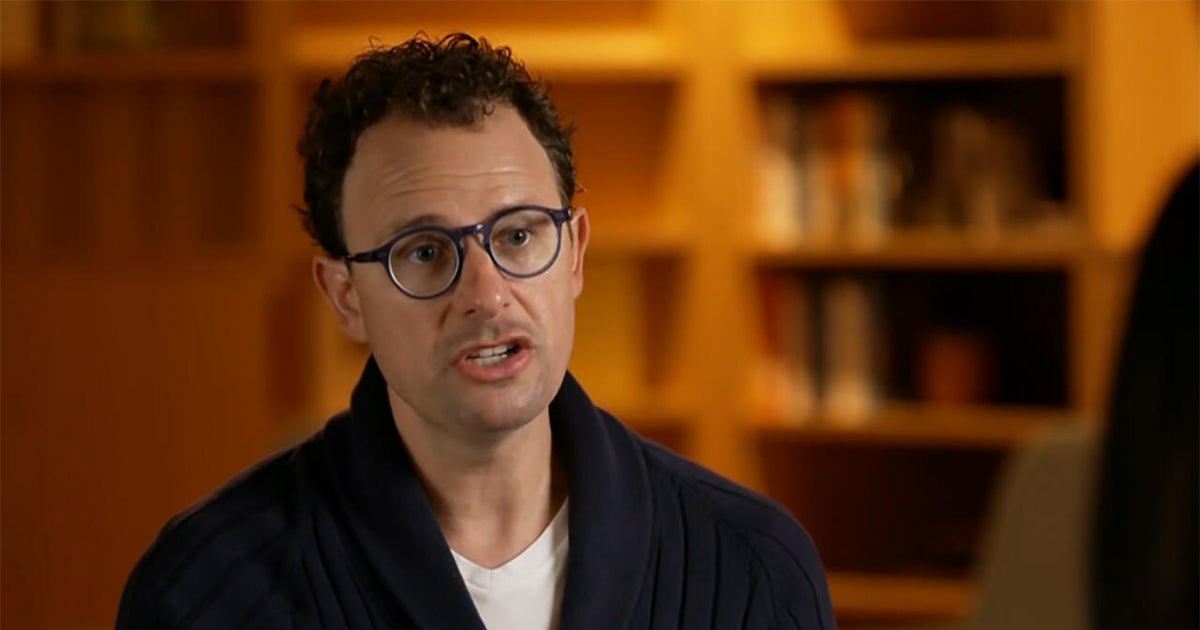
If you turned on cable news last week, you might have seen Jacob Coxon, a software engineer who resigned from Anthropic and immediately embarked on a media tour.
uncertain
who → turn → tour
It all began on September 8, when Coxon warned on X that “[t]he people building AI earnestly believe that it could kill us all by the end of the decade.”
uncertain
it → begin → decade
A current employee at a frontier lab chimed in to confirm that, yes, he and many of his co-workers do believe there is a significant chance AI will kill us all.
asserted
AI → chime → us
The odds, he said, are perhaps greater than 10 percent.
asserted
he → say → ?
These vague and apocalyptic warnings caused a firestorm online, including calls for AI safety regulations from the leaders of almost every major AI company.
asserted
warnings → cause → company
The warnings from Coxon and others are infused with an ideology called effective altruism (EA).
asserted
warnings → infuse → ideology
The term will be familiar to some: A few years ago, it was the idea that crypto entrepreneur Sam Bankman-Fried said motivated him.
asserted
Fried → motivate → him
SBF, you may remember, was supposed to be the good billionaire.
uncertain
you → remember → ?
He was to make a fortune with his company, FTX, and give it away to protect humanity’s future, especially from big, existential risks.
asserted
He → make → risks
Instead, he stole billions from his customers and was sentenced to 25 years in prison.
asserted
he → steal → prison
 The Aporia