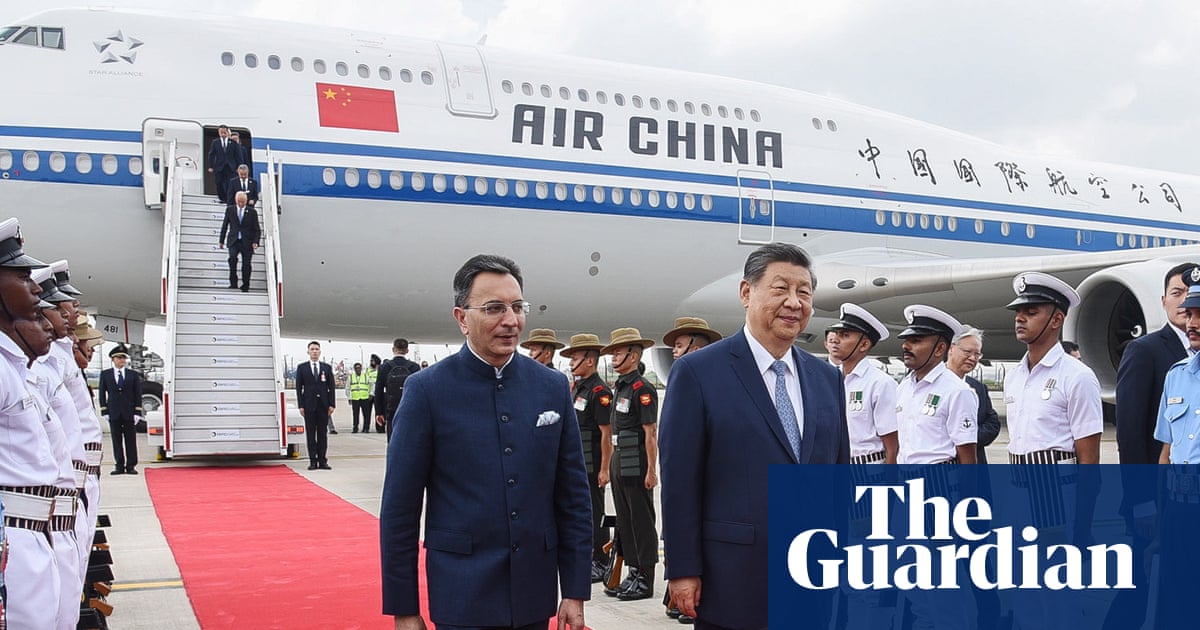
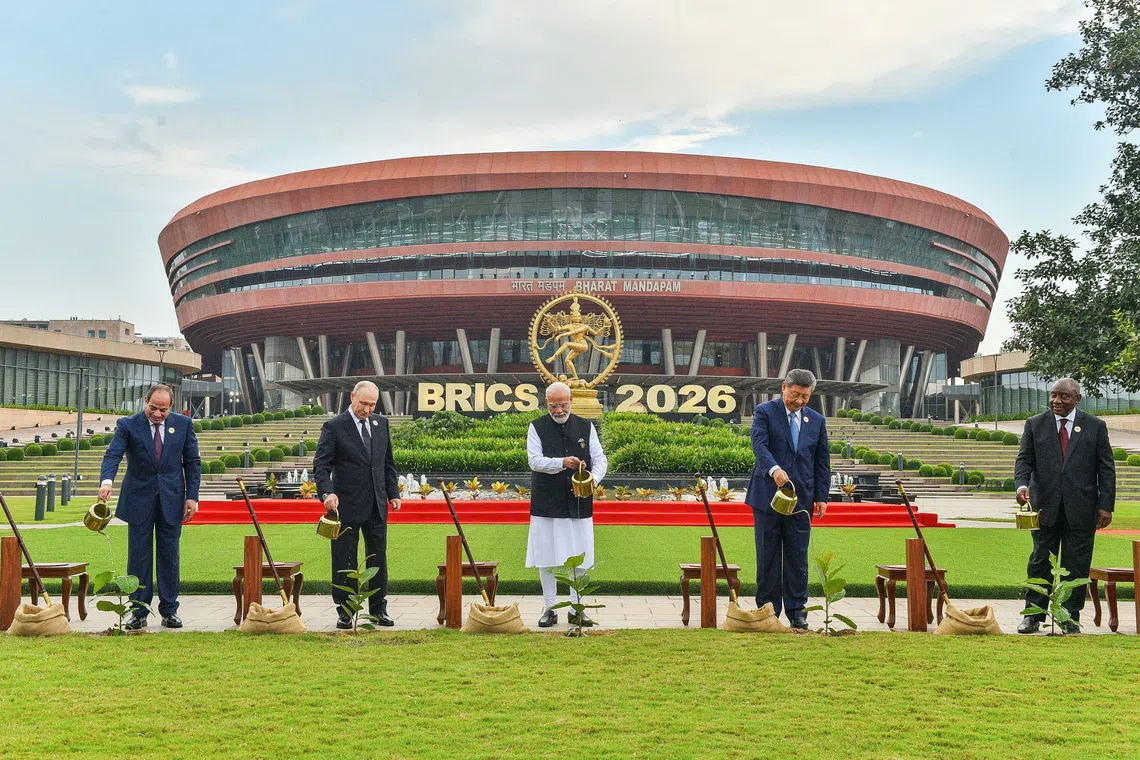
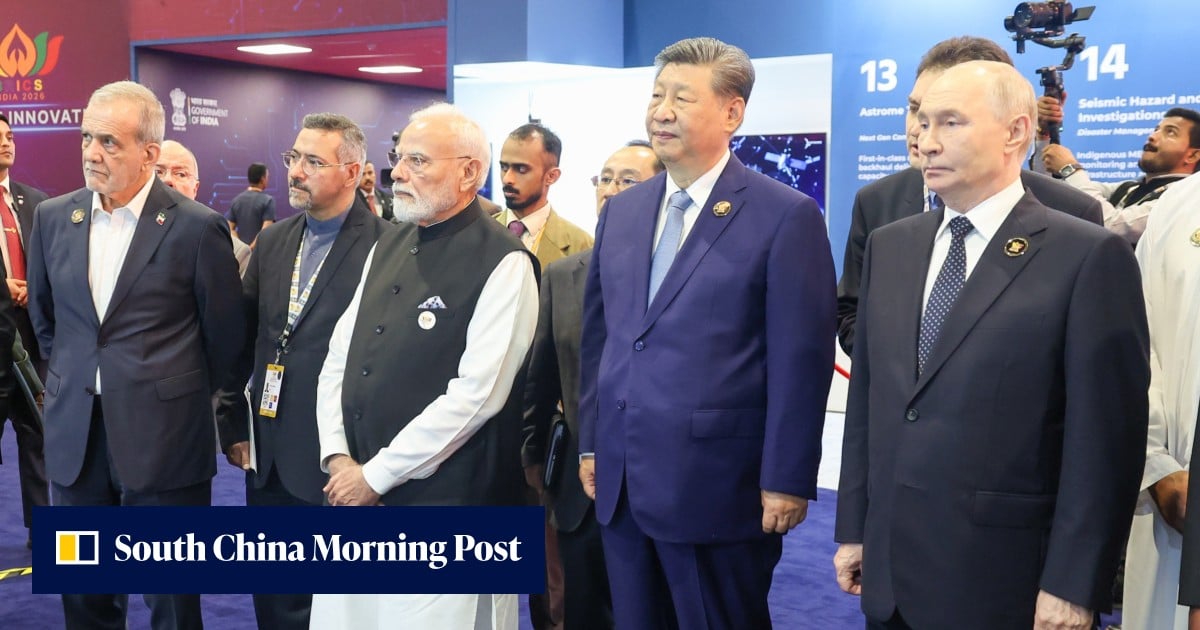
India's Prime Minister Narendra Modi will host the 18th BRICS summit this weekend in New Delhi, welcoming Chinese President Xi Jinping to India for the first time since 2019.
asserted
Modi → host → 2019
The summit comes at an important moment for India.
asserted
summit → come → India
As New Delhi's year-long BRICS presidency draws to a close, India is stepping up engagement with China and Russia, and its relationship with Washington remains difficult.
asserted
relationship → draw → Washington
Modi met both Xi and Russian President Vladimir Putin at the Shanghai Cooperation Organisation (SCO) summit in Bishkek, Kyrgyzstan, on August 31 and September 1.
asserted
Modi → meet → August
Just two weeks later, Modi is set to see them again in New Delhi for the BRICS summit.
asserted
Modi → set → summit
But with BRICS both growing in size and increasingly troubled by internal divisions, the forum might limit Modi's diplomatic gains.
uncertain
forum → grow → gains
New Delhi and Beijing locked in 'armed coexistence' and competition
Indian diplomats are trying to protect their room for maneuver in a changing international order.
asserted
diplomats → lock → order
Ashok Kantha, a former Indian ambassador to China, said India's engagement with BRICS and the SCO is part of New Delhi's longstanding strategy of strategic autonomy.
asserted
engagement → say → autonomy
"These groupings give India a seat at the table and allow it to pursue its own interests while maintaining relationships with different major powers," Kantha told DW.
asserted
Kantha → give → DW
However, as Modi prepares to host Xi in New Delhi, ties between India and China are less than ideal.
asserted
ties → prepare → India
Both countries reached a border patrol agreement in 2024, ending a four-year military standoff along their disputed frontier.
International flights have resumed, the Kailash Mansarovar pilgrimage has reopened and some visa restrictions have eased.
asserted
restrictions → reach → frontier
But major problems remain between Beijing and New Delhi — India is reporting a trade deficit of over $112 billion (€96.5 billion) with China, and the two countries argue over market access.
asserted
countries → remain → access
The Modi-Xi meeting will therefore be watched for signs of a major diplomatic thaw, particularly on trade and investment.
asserted
meeting → watch → trade
Kantha said the visit could bring some stabilization but should not be mistaken for a reset.
uncertain
visit → say → reset
"The border remains heavily militarized and major differences over trade, investment and security remain.
asserted
differences → remain → trade
India needs a stable and predictable relationship with China, but without lowering its guard," said Kantha.
asserted
Kantha → need → guard
"It is a relationship of armed coexistence and managed competition.
asserted
It → manage → coexistence
We should not reduce it to a simple 'elephant and dragon' story," he said, referring to traditional symbols of the world's two most populous nations.
asserted
he → reduce → nations
BRICS gets bigger, divisions grow
India's presidency has already exposed the difficulty of reaching agreement within BRICS, which has grown from its original five members to 11.
With nations such as Brazil, South Africa, Indonesia and Egypt all part of BRICS, its leaders struggle to reconcile its very different relationships with the US and different interests in conflicts in the Middle East and Ukraine.
asserted
leaders → get → East
The group now also includes Iran and the UAE, countries that have found themselves on opposing sides of the war in Iran.
asserted
that → include → Iran
Earlier this year, BRICS foreign ministers failed to agree on a joint statement on the Middle East crisis, forcing India to issue a unilateral chair's statement instead.
asserted
ministers → fail → statement
With Iran's President Masoud Pezeshkian expected at the Delhi summit, this diplomatic divide is likely to take center stage.
asserted
divide → expect → stage
"Differences between members such as Iran and the UAE show how difficult it can be to find common ground," says Harsh Pant, vice president for Studies and Foreign Policy at the Observer Research Foundation.
asserted
Pant → show → Foundation
"BRICS can still work on areas where members share interests, such as reforming global economic governance.
asserted
members → work → governance
But such disagreements are likely to become more common," he added.
asserted
he → become → ?
Fears of Chinese dominance
The future of BRICS will also be impacted by the rivalry between India and China.
asserted
future → impact → India
India wants BRICS to give greater weight to the concerns of developing countries and to support reform of other global institutions such as the United Nations, IMF and World Bank.
asserted
BRICS → want → Nations
However, New Delhi does not want the grouping to become a China-led challenge to the West.
asserted
grouping → want → West
India has been pushing for easier cross-border payments between BRICS countries and greater use of national currencies in international trade.
asserted
India → push → trade
At the same time, the Modi government has also been careful not to present this as an attempt to replace the US dollar or create a common BRICS currency.
asserted
government → present → currency
"Local-currency transactions are likely to become an important area of cooperation," Pant said, but stressed that India and other BRICS countries are not necessarily seeking 'de-dollarization.'
asserted
India → become → dollarization
"
"Instead, they are looking for greater resilience and alternatives to dollar-based financial arrangements."
India's 'America Plus' strategy
Despite its disagreements with the Trump administration, New Delhi still wants stronger economic and strategic ties with the US, while also maintaining its longstanding relationship with Russia and improving relations with China.
asserted
Delhi → look → China
India's diplomatic course is not a pure "multi-alignment" approach but an "America Plus" strategy, strategic affairs analyst C Raja Mohan told DW.
asserted
Mohan → tell → DW
"India remains dependent on the West for capital, technology, markets and security, while deepening ties with Russia and China for strategic reasons," said Mohan, a professor of American studies at Jindal Global University.
asserted
Mohan → remain → University
But this balancing act will become harder as great-power rivalry intensifies, Mohan warns.
asserted
Mohan → become → ?
"A US-China accommodation could leave India exposed, while Russia's growing dependence on China is changing the Eurasian balance," he said.
uncertain
he → leave → balance
In this calculation, a more anti-Western BRICS could put pressure on India over its continuing dependence on the West.
uncertain
BRICS → put → West
The upcoming Delhi summit is likely to show the extent of India's power — especially as it wraps up its BRICS presidency.
asserted
it → show → presidency
For Narendra Modi, the test is whether India can advance its priorities for BRICS and give itself more room to maneuver internationally, without allowing the grouping to become dominated by China or reduced to an anti-Western platform.
asserted
grouping → advance → platform
 The Aporia