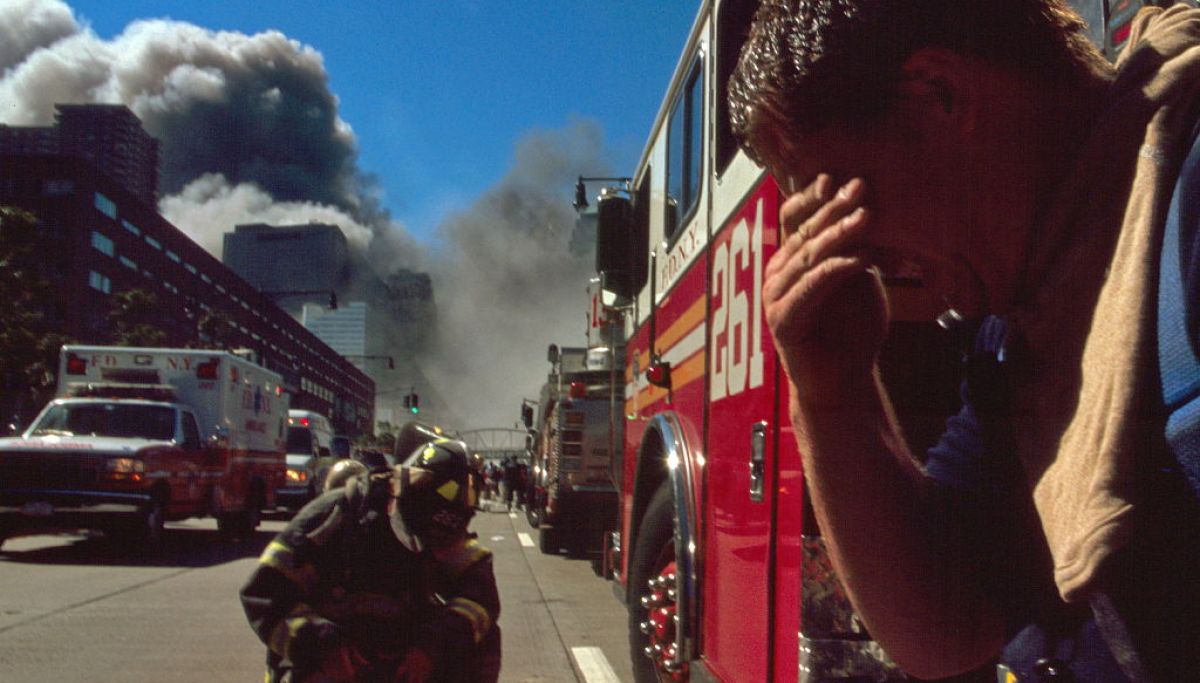
You’re reading The Weekly, a Saturday morning recap of the best Dispatch content of the week, with some additional commentary from Managing Editor Rachael Larimore.
asserted
You → read → Larimore
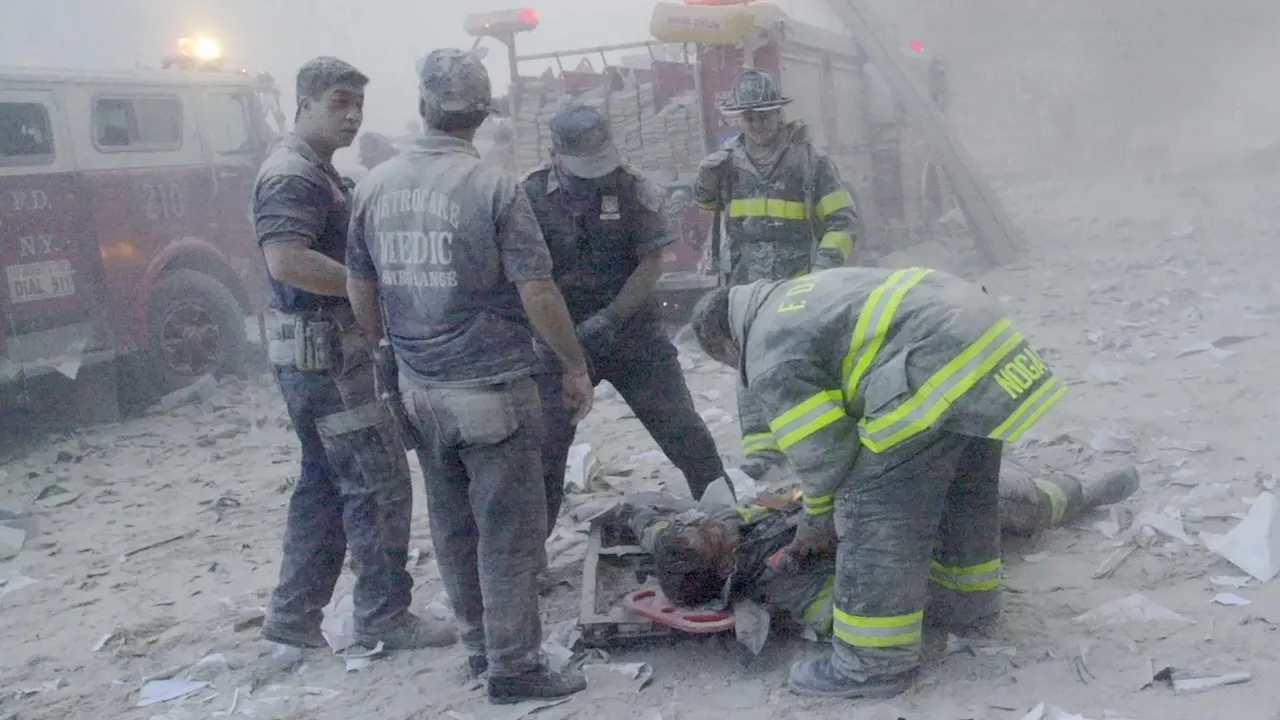
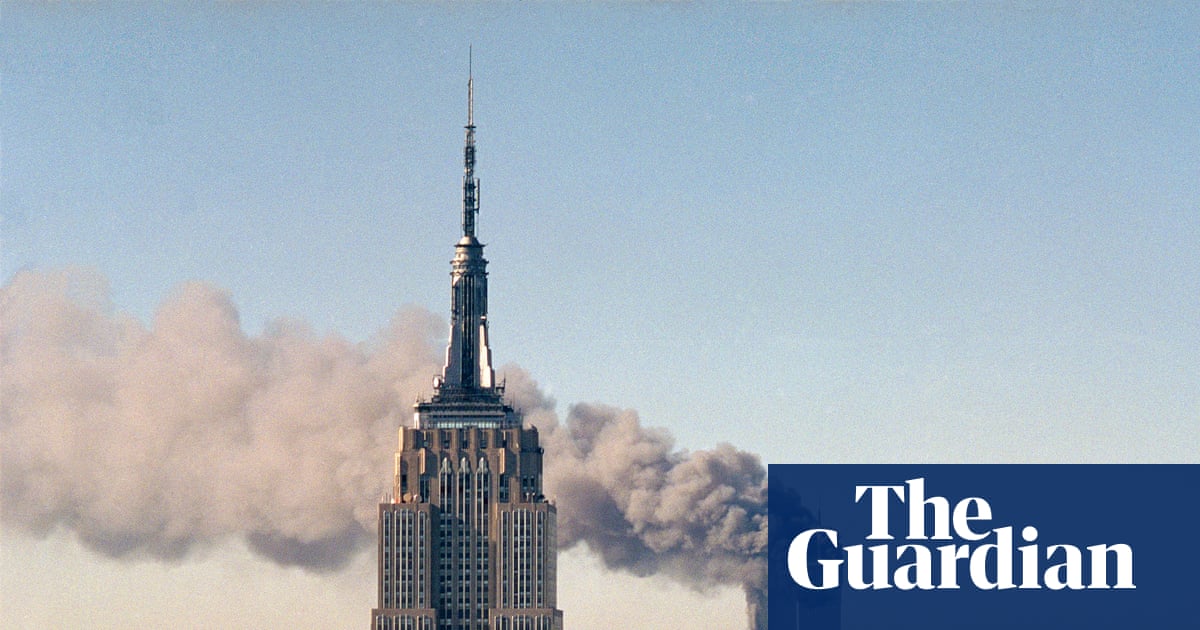
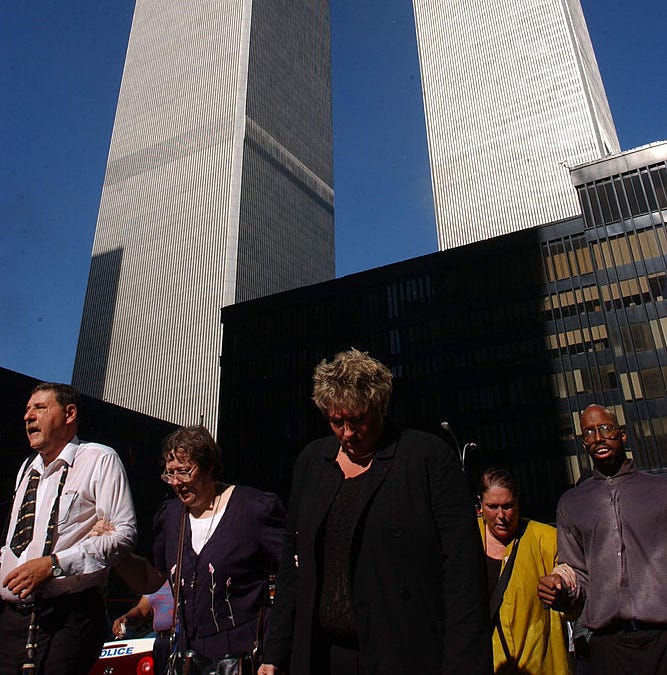
Yesterday was a somber day, and rightfully so, as we marked the 25th anniversary of the September 11, 2001, terrorist attacks that killed nearly 3,000 Americans in New York, Washington, and Pennsylvania.
asserted
that → mark → York
In fact, the entire week has been full of retrospectives, essays, and analyses—heartbreaking personal narratives, critiques of American policy in the years that followed, reflections on how that terrible event changed America.
asserted
event → follow → America
Those of us who are old enough remember where we were when the planes hit the World Trade Center towers.
asserted
planes → remember → towers
(I was asleep on the West Coast—my husband answered the phone call from my brother and immediately reached for the TV remote.
asserted
husband → answer → remote
His tone made me think something had happened to the president.)
asserted
something → make → president
And we remember certain moments—the chaotic confusion about car bombs at the State Department and potentially even more hijacked planes, President Bush standing on the rubble at ground zero with a bullhorn, the “missing person” posters plastered on walls throughout Manhattan.
asserted
Bush → remember → Manhattan
But how accurately do we remember all those things?
asserted
we → remember → things
That’s the subject of a fascinating essay on memory and major events by Tim Townsend.
asserted
That → ’ → Townsend
Townsend was a young reporter at the Wall Street Journal on September 11, and he tells a very detailed story of meeting up with our own Steve Hayes and Steve’s colleague Matt Labash in the days that followed.
asserted
that → tell → days
And then he reveals that Steve remembers their encounter very differently, and Labash doesn’t remember seeing Townsend in New York at all.
asserted
Labash → reveal → York
Townsend then discusses research on memory and traumatic events, focusing on what two Harvard researchers described as “flashbulb memories,” or “memories for the circumstances in which one first learned of a very surprising and consequential (or emotionally arousing) event.”
asserted
one → discuss → event
While those memories help us feel connected to a traumatizing event like September 11, they aren’t likely to remain accurate, but we tend to be confident that they are.
asserted
they → help → September
Townsend spoke to William Hirst, a psychology professor, who explained:
Some of that may have to do with the sense of belonging to a community that memories afford us.
uncertain
memories → speak → us
Generally, flashbulb memories “allow you to claim that you were there,” Hirst said.
uncertain
Hirst → allow → you
“You weren’t literally there, but you make that assertion by telling your flashbulb memory.”
asserted
you → make → memory
They are important because, as Hirst said, they are “one of the few times that your personal history intersects with history writ large.”
asserted
history → say → history
And importantly, they “ground your identity as an American.”
asserted
they → ground → American
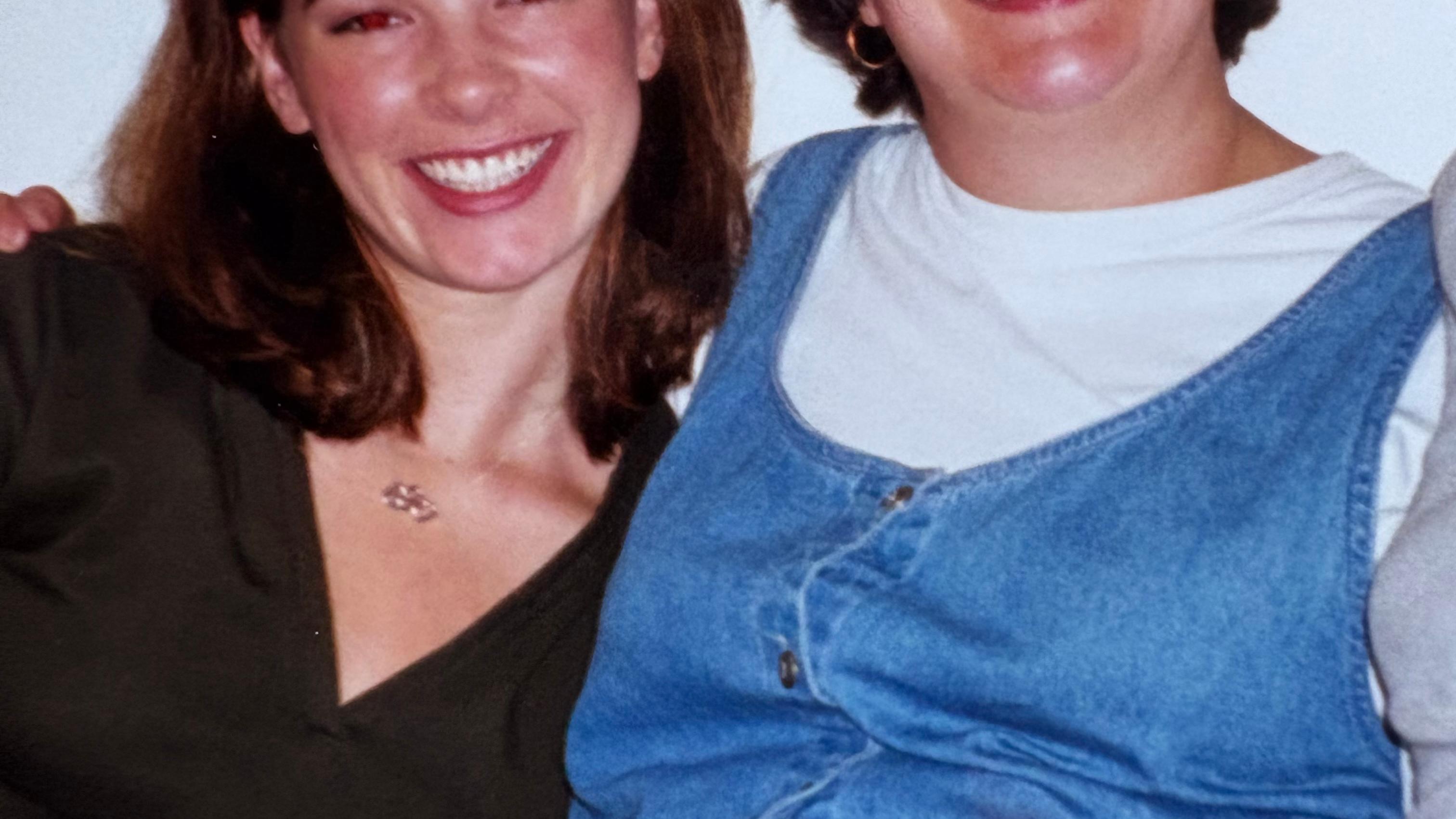
In his piece, Townsend shared the story of Tom Brennan, a friend of his who worked in the South Tower and died on September 11, leaving behind a wife and two children—the younger of whom was born six weeks after his father’s death.
asserted
younger → share → death
Brennan’s daughter Cat wrote an essay for us about her experience growing up with a father she doesn’t remember but whose death was featured in her school textbooks.
asserted
death → write → textbooks
She writes, touchingly, of dealing with her own personal grief about a very public tragedy while reckoning with the responses she would get:
asserted
she → write → responses
I remember feeling my classmates steal glances at me as my teachers walked through the lesson, waiting to see how I’d react.
asserted
I → remember → lesson
And of course they did.
asserted
they → do → course
How many of my classmates had a parent’s death detailed and photographed in their textbook?
asserted
death → detail → textbook
This attention, coupled with the fact that everyone already knew the day my father died, made me feel exposed in a way most middle schoolers would do anything to avoid.
asserted
schoolers → couple → anything
Growing up, I remember walking into school on the anniversary, feeling as if I had something to prove to my classmates, though I’m not sure what.
asserted
I → grow → classmates
But every year, as I walked through the front doors, I felt my face get hot as every single student and teacher turned to stare at me in unison like something out of a movie.
asserted
student → walk → movie
Personal reflections help us keep alive the horror and awfulness of that day, and let us remember those we lost.
asserted
we → help → those
But, as contributing writer Mike Nelson writes, the events of September 11 also “marked a delineation in history, a turning point from the path the world had been on, and a denial of what might have been.
uncertain
what → contribute → path
After 25 years, it’s more than fair to cast a critical eye on America’s response to those horrific events.
asserted
it → ’ → events
And it’s necessary to grapple with who we’ve become in the decades that followed.
asserted
that → ’ → decades
Contributing writer Paul D. Miller, who served in Afghanistan as a naval officer and later as director for Afghanistan and Pakistan on the National Security Council staff, argues that, unpleasant as it is to say, “Al-Qaeda did not win in any traditional sense, but America and the free world assuredly lost.”
asserted
America → contribute → sense
He explains:
Al-Qaeda correctly understood that America’s moral aspiration to be an exemplar of liberty and equality for the world was the principal obstacle to the kind of world al-Qaeda wanted to build.
asserted
Qaeda → explain → -
And, from a certain point of view, if al-Qaeda wanted to destroy America’s sense of mission in the world, the terrorists are winning.
asserted
terrorists → want → world
Kevin Williamson doesn’t disagree with that sentiment.
asserted
Williamson → disagree → sentiment
He notes that “only in retrospect [do] things seem to have the quality of inevitability,” but that there were signs of our turn toward populism and culture warring even in the months after al-Qaeda struck.
asserted
Qaeda → note → months
And he warns that we are particularly ill-suited to weathering another such attack.
asserted
we → warn → attack
We are, at the moment, ill-prepared for even the ordinary challenges facing an ordinary liberal democracy: demographic pressure on public spending and the general economy, the burden of public debt, managing the movement of people, capital, and data in a technologically empowered, low-friction world.
asserted
We → prepare → world
In 20 years, will we look back on the Trump era as a parenthetical aberration or as the front-page headline announcing the arrival of something new, enduring, and ghastly—something alien to the best of our traditions and principles?
asserted
we → look → traditions
As our own Jonah Goldberg has observed, a two-party system cannot have a single sane political party: It will have two reasonably responsible and sober parties, or it will have two irresponsible and demagogic parties.
asserted
it → observe → parties
…and 13 more, not listed.
 The Aporia