Those who were present at Ground Zero on Sept. 11, 2001, continue to experience the physical effects of their exposure.
asserted
who → continue → exposure
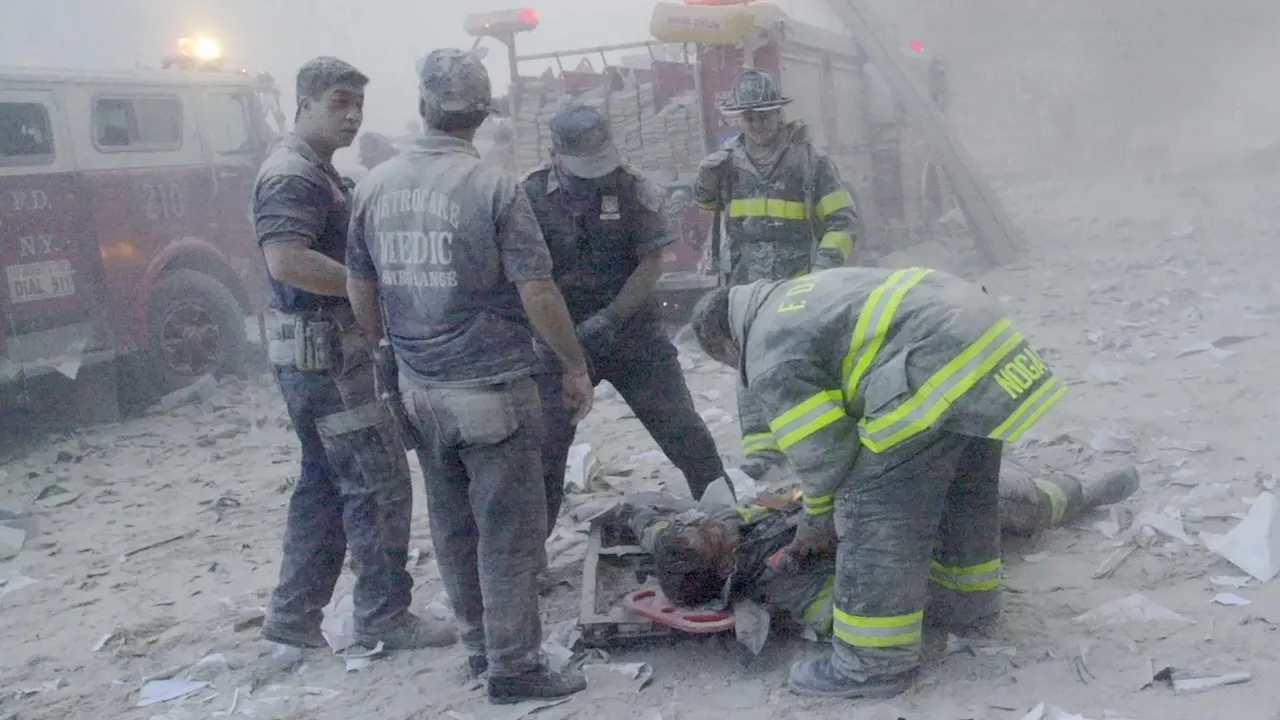
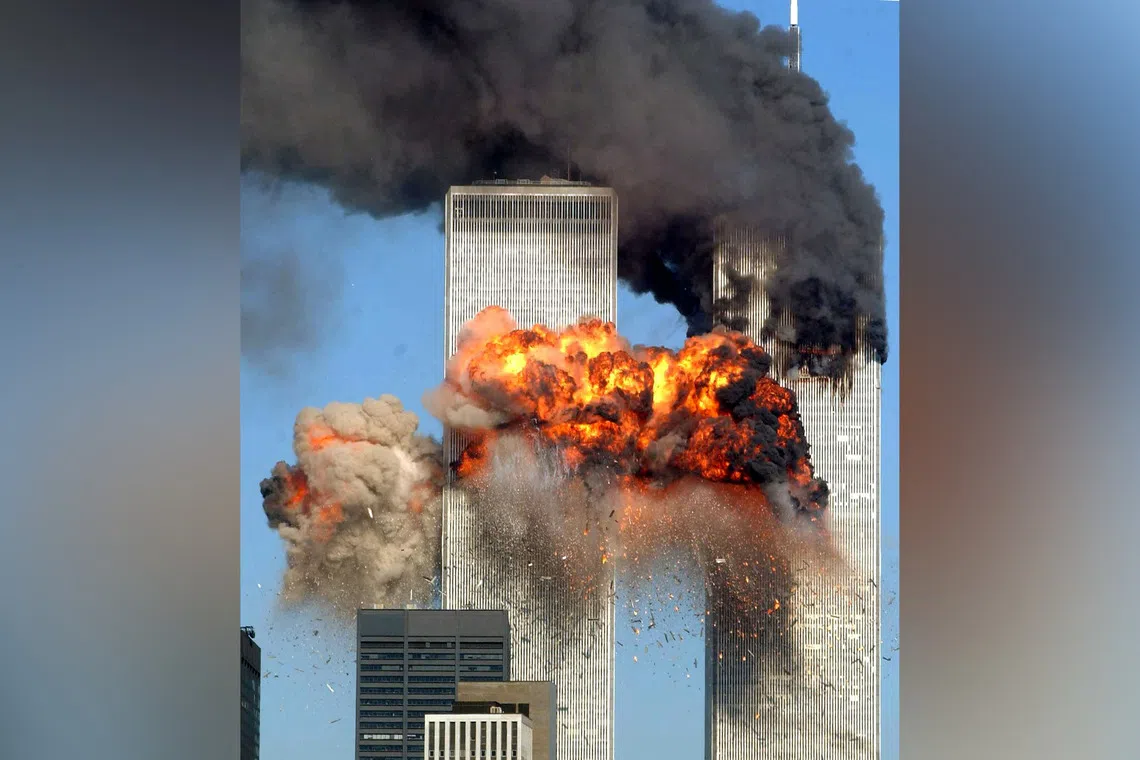
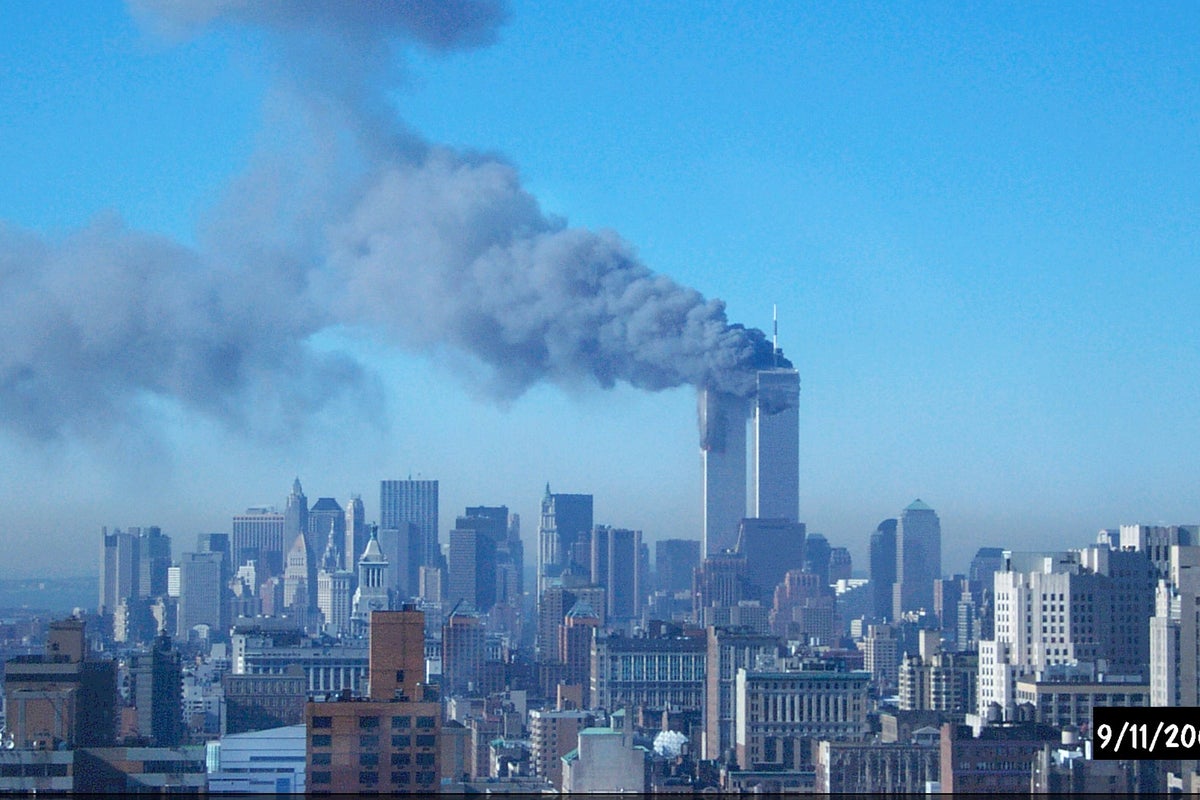
As Lower Manhattan was engulfed in dust and debris from the remnants of both towers, first responders and survivors were forced to breathe in toxic air.
asserted
responders → engulf → air
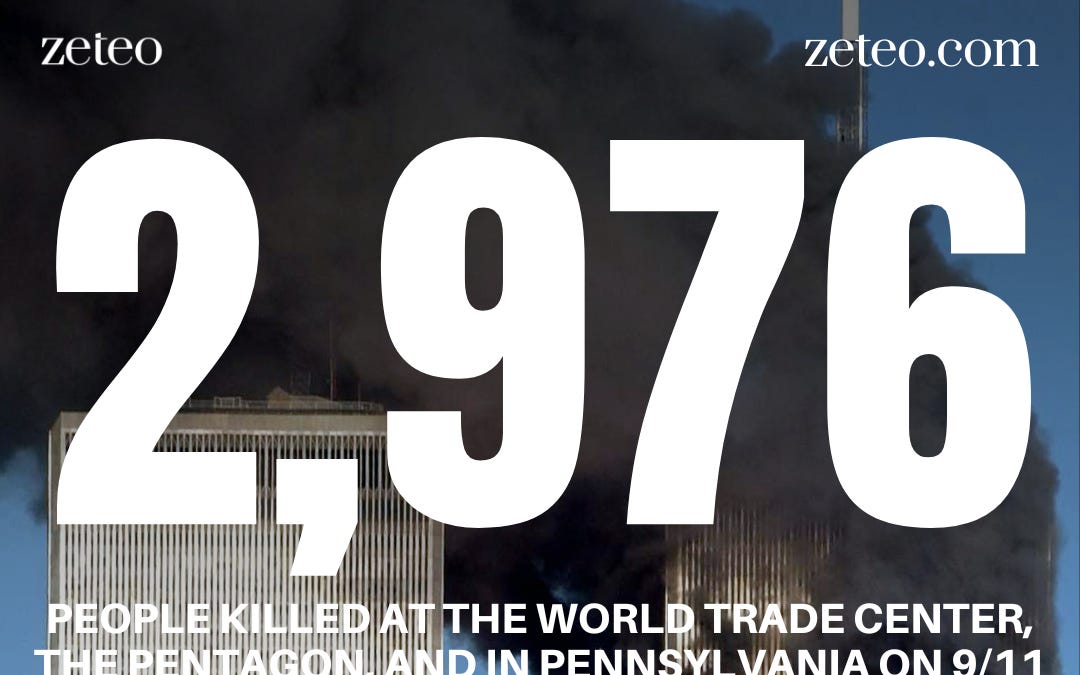
More than 400,000 people were exposed to toxic contaminants, physical-injury risks and stressful conditions in the days, weeks and months following the attacks, according to the World Trade Center Health Program.
uncertain
people → expose → Program
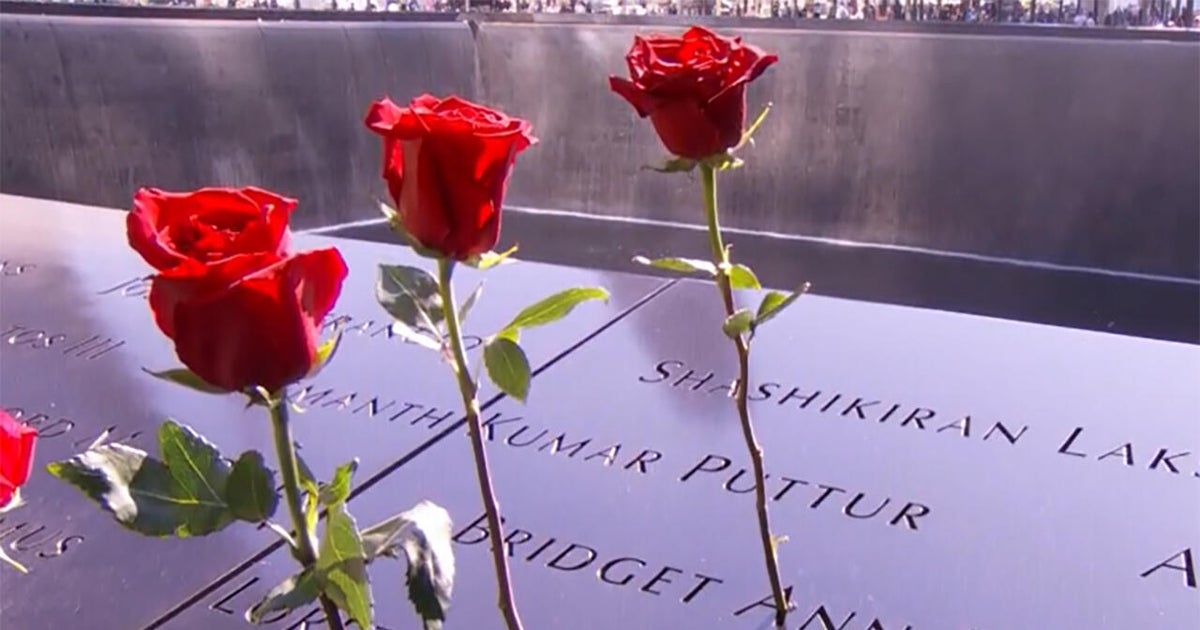
As of March 2025, 8,215 people who had enrolled in the WTC Health Program had died, including 5,844 responders, as reported by the CDC.
asserted
who → enrol → CDC
The figures include deaths from all causes; the program does not track whether a member’s death was related to 9/11 exposure.
asserted
death → include → exposure
In an interview with Fox News Digital, Mordechai Shedrowitzky, a volunteer EMT who responded on 9/11, shared how his exposure led to multiple hospitalizations and, ultimately, major surgery.
asserted
exposure → respond → hospitalizations
Queens-born Shedrowitzky, 51, was living in Brooklyn at the time of the attacks.
asserted
Shedrowitzky → bear → attacks
After helping cover his local area for much of the day, he headed into Lower Manhattan that evening to assist with the response.
asserted
he → help → response
"My most vivid memory was actually entering Manhattan from Brooklyn," he said.
asserted
he → enter → Brooklyn
"As we approached the tunnel, the first thing we noticed was there were no lights, there was no electricity in the area, it [was] pitch black."
asserted
it → approach → area
"When we entered the tunnel, there was a tremendous amount of swirling debris, at speeds that I just can't even imagine."
asserted
I → enter → that
Once Shedrowitzky and his team arrived at South Street Seaport, where his ambulance was staged with others, he described the debris as "overwhelming."
asserted
he → arrive → debris
"I remember the engine actually sputtering at times," he said.
asserted
he → remember → times
"I would imagine that it was taking in a tremendous amount of dust."
asserted
it → imagine → dust
And therefore, we did spend a significant amount of time outside of the ambulances, just commiserating with the people around us."
asserted
we → spend → us
Shedrowitzky said he "thought it was over" once he left the scene.
asserted
he → say → scene
But years later, he noticed small symptoms that were turning into a big problem.
asserted
that → notice → problem
His pre-existing asthma — which typically flared during seasonal changes and caused coughing that required an inhaler — was worsening each year.
asserted
that → flare → inhaler
"I started to require oral steroids," he said.
asserted
he → start → steroids
"I would have wheezing; I would have coughing.
asserted
I → have → coughing
It would last longer; it would be more serious ...
asserted
it → last → ?
I wouldn't be able to go to work, wouldn’t be able to take care of my kids.
asserted
I → go → kids
So, the effects were definitely increasing over time."
asserted
effects → increase → time
Shedrowitzky added that his condition was "getting to the point where it was leading to frequent respiratory infections and hospitalizations."
"It took a number of years, many years, for us to realize that what was going on with my health was probably related to 9/11."
asserted
going → add → 9/11
In 2019, Shedrowitzky described that his condition got "significantly worse," after experiencing a cough that wouldn’t resolve itself, even after the "highest doses" of steroids and antibiotics.
asserted
that → describe → steroids
Shedrowitzky ultimately was put in touch with the World Trade Center Health Program – a federal program administered by the CDC – where his condition was classified as 9/11-related and was monitored.
asserted
condition → put → CDC
It was eventually confirmed that Shedrowitzky had tracheobronchomalacia, a condition in which the walls of the windpipe and major airways weaken and collapse during breathing.
"
asserted
walls → confirm → breathing
[It] was probably secondary to both the asthma getting worse as well as steroid use over the years to try to treat those symptoms," he said.
asserted
he → get → symptoms
In 2024, Shedrowitzky underwent a procedure called a tracheobronchoplasty to structurally reinforce his trachea and main bronchi.
asserted
Shedrowitzky → undergo → trachea
Two years after the procedure, he said he is feeling "much better," although he still experiences occasional infections.
asserted
he → say → infections
He hopes to return to work as a physical therapist soon.
asserted
He → hop → therapist
"Even a couple of months ago, I wouldn't have been able to speak for more than a very short time," Shedrowitzky said.
asserted
Shedrowitzky → speak → time
"It took many years for us to realize that what was going on with my health was probably related to 9/11."
asserted
going → take → 9/11
As a father of six, Shedrowitzky – who is now also a grandfather of two – said his condition made it difficult for him to spend time with his children as they were growing up.
asserted
they → say → children
"Things as simple as lifting my children, even speaking to them," he said.
asserted
he → lift → them
"The amount of time that I spent in the hospital and its effect on them was quite significant.
asserted
I → spend → them
"Now, they're older, but my ability to spend time, interact with them ... has been greatly improved."
asserted
ability → spend → them
Treating 9/11-related illnesses
Dr. Denise Harrison, medical director of the NYU Grossman School of Medicine WTC Health Program Clinical Center of Excellence, has been involved in post-9/11 healthcare since 2002.
asserted
Harrison → treat → 2002
The program has since grown to provide screening, monitoring and treatment for people experiencing health effects related to their 9/11 exposure.
asserted
program → grow → exposure
The doctor noted that the dust on 9/11 was "highly alkaline," which can be "very irritating" to the airways.
asserted
which → note → airways
…and 15 more, not listed.
 The Aporia