25 Years After 9/11, Americans Must Remember What Binds Us

TIME · collected 2026-09-11 · by Joe Daniels
Read the original at TIME ↗

Summary

The article is a personal reflection by the former CEO of the National 9/11 Memorial & Museum on how the attacks unified Americans in a common purpose despite their pre-existing partisan divisions. According to the author, even years after the attacks, people shared memories of coming together and volunteering in response to the tragedy, rather than dwelling on past grievances. The article notes that in the wake of 9/11, Americans "tacitly acknowledged" that their differences were secondary to their common cause. However, the author is now concerned about the erosion of consensus and the rise of moral absolutism in American politics, citing survey data showing declining support for democracy among young people.
Written by the local model on 2026-09-11, using this article's own text rather than the other coverage of the same event (that is the story summary below).

Signals How these are calculated →

Claims extracted
42
claim-shaped sentences
Uncertain
7%
3 of 42 hedged
Leaning
Leans strongly left
of the writing, not the subject
Publisher trust
94.8
red-flag proxy, not a credibility rating
Outlets on this story
168
Politics
Narrative spread
1
articles carrying this framing
Analyzed 2026-09-11 · how these are computed

AI analysis (generated at analysis time, not now)

Story summary

On October 8, 2024, Turning Point USA founder Charlie Kirk was killed, an event that has become a significant marker for young conservatives in America, akin to September 11, 2001 and the Hamas attack on Israel in October 2023. The day of his death is now referred to by some as 9/10, symbolizing its impact on political activism among students. Meanwhile, the small Canadian town of Gander played a pivotal role during the September 11 attacks when U.S. airspace was closed, leading to 38 international flights landing there, doubling the population overnight and necessitating an impromptu humanitarian effort by locals to aid around 7,000 stranded passengers and crew members for several days. This act of kindness inspired the Broadway musical "Come From Away," which highlights Gander's generosity and humanity in times of crisis.

Written for “9/11 Anniversary Reflections” on 2026-09-12, grounded in this article and the 167 other(s) covering the same event.
Why this leaning score
The article's own words the score was based on. Each is quoted verbatim and was checked against the article text before being stored, so you can find it in the original.
Score -0.65 Confidence high 1 quote(s) discarded as not found in the article
Leaning score -0.65 for article 7672 (high confidence, 3 verified quotes) · logged 2026-09-11

Story

📰 9/11 Anniversary Reflections
Politics · 168 article(s) covering the same event.

How this is being covered How these are calculated →

Article leaning vs. publisher reliability
Source leaning vs. consistency

Compared with similar articles

This article reads leans strongly left and hedges 7% of its claims. Each row says how that neighbour differs.
CBC News
⚖️ leaning not scored 🔴 11% hedged 5 of 44 📰 publisher trust 95
“Both articles describe the response of ordinary people to the September 11 attacks in 2001, specifically in Newfoundland and Labrador and at Ground Zero.”
CBS News
⚖️ Leans left further right than this 🔴 3% hedged 2 of 72 📰 publisher trust 60
“Both articles describe the 25th anniversary of the September 11, 2001 attacks on the World Trade Center in New York City.”
CBS News
⚖️ Leans left further right than this 🔴 5% hedged 1 of 20 📰 publisher trust 60
“Both articles reference the 9/11 terrorist attacks as a shared historical event, specifically mentioning its 25th anniversary in their titles and text.”
CBS News
⚖️ Leans left further right than this 🔴 0% hedged 0 of 1 📰 publisher trust 60
“Both articles refer to the 9/11 terrorist attacks, a specific incident that occurred on September 11, indicating they describe the same event”
Zeteo
⚖️ Leans left further right than this 🔴 0% hedged 0 of 7
“Both articles are referring to the exact same event, the September 11, 2001 terrorist attacks, on its 25th anniversary in 2026.”
The Independent
⚖️ Leans left further right than this 🔴 8% hedged 4 of 48 📰 publisher trust 59
“Both articles describe the same incident, specifically the September 11, 2001 attack on the World Trade Center.”
CBC News
⚖️ leaning not scored 🔴 0% hedged 0 of 2 📰 publisher trust 95
“Both articles mention the 9/11 event on September 11, 2001, with one article reflecting on covering it 25 years later and the other sharing personal anecdotes from that day”
Toronto Star
⚖️ Leans left further right than this 🔴 4% hedged 2 of 53 📰 publisher trust 62
“Both articles describe the events surrounding the September 11, 2001 terrorist attacks in New York City, rural western Pennsylvania, and Washington D.C. on the same anniversary (25 years later)”
The Dispatch
⚖️ Centre further right than this 🔴 0% hedged 0 of 3 📰 publisher trust 96
“Both articles specifically mention the terrorist attacks on September 11, 2001, which is a clear indication that they are describing the same event.”
Zeteo
⚖️ leaning not scored 🔴 0% hedged 0 of 9
“Both articles refer to the 25th anniversary of the September 11, 2001 attacks and the ongoing lawsuit against Saudi Arabia by victims' families.”

Publisher

TIME · 119 article(s) · 0 correction(s) detected
No corrections detected for this publisher. That may mean careful reporting, or simply that nothing has been checked.

Who wrote this

Joe Daniels
1 article(s) here · 1 carrying a prediction
🔮 We fought over how to arrange the names of the dead, how and whether to represent the hijackers, and what would we delve into about America’s response.
The only article under this byline in the corpus.

Topics

9/11 America American Americans the National 9/11 Memorial & Museum

Subjects

Americans NORP · 5× America GPE · 4× American NORP · 3× Bush PERSON · 1× Clinton PERSON · 1× Gore PERSON · 1× the National 9/11 Memorial & Museum ORG · 1× the Supreme Court ORG · 1×

Narrative

They drift into the weeks and months that followed: people who tossed duffel bags into their cars and drove hundreds of miles to volunteer at Ground Zero; sons and daughters compelled to enlist to fight in the names of the innocent victims; strangers who welcomed stranded travelers into their homes.
framing: assertive · carried by 1 article(s) · first seen 2026-09-11
🔮 We fought over how to arrange the names of the dead, how and whether to represent the hijackers, and what would we delve into about America’s response.
2026-09-11 · TIME
25 Years After 9/11, Americans Must Remember What Binds Us · assertive framing

Claims (42 extracted, 3 hedged)

For almost 12 years, I served as the founding CEO of the National 9/11 Memorial & Museum, a role that invited countless strangers to share their stories from that terrible day. asserted
that → serve → day
On planes, at gas stations, in meetings or on street corners, the mere mention of my work unlocked solemn reminiscing, and I always felt honored to listen. asserted
I → unlock → reminiscing
Over time, I have noticed a pattern. asserted
I → notice → pattern
The stories typically begin on 9/11, but rarely end there. asserted
stories → begin → 9/11
They drift into the weeks and months that followed: people who tossed duffel bags into their cars and drove hundreds of miles to volunteer at Ground Zero; sons and daughters compelled to enlist to fight in the names of the innocent victims; strangers who welcomed stranded travelers into their homes. asserted
who → drift → homes
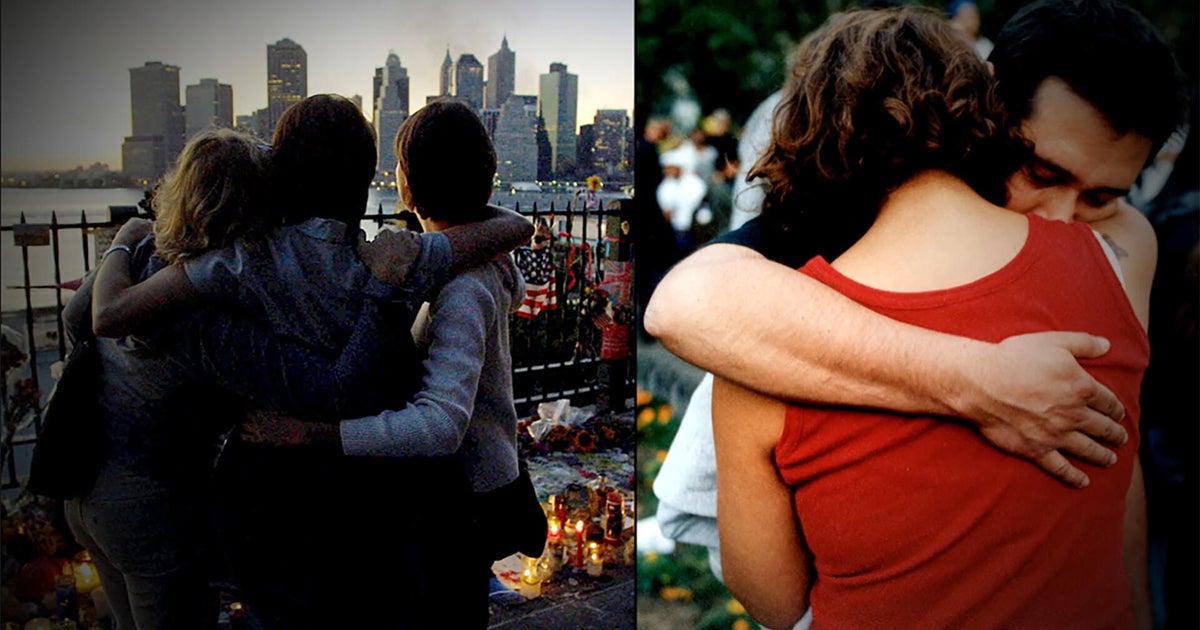
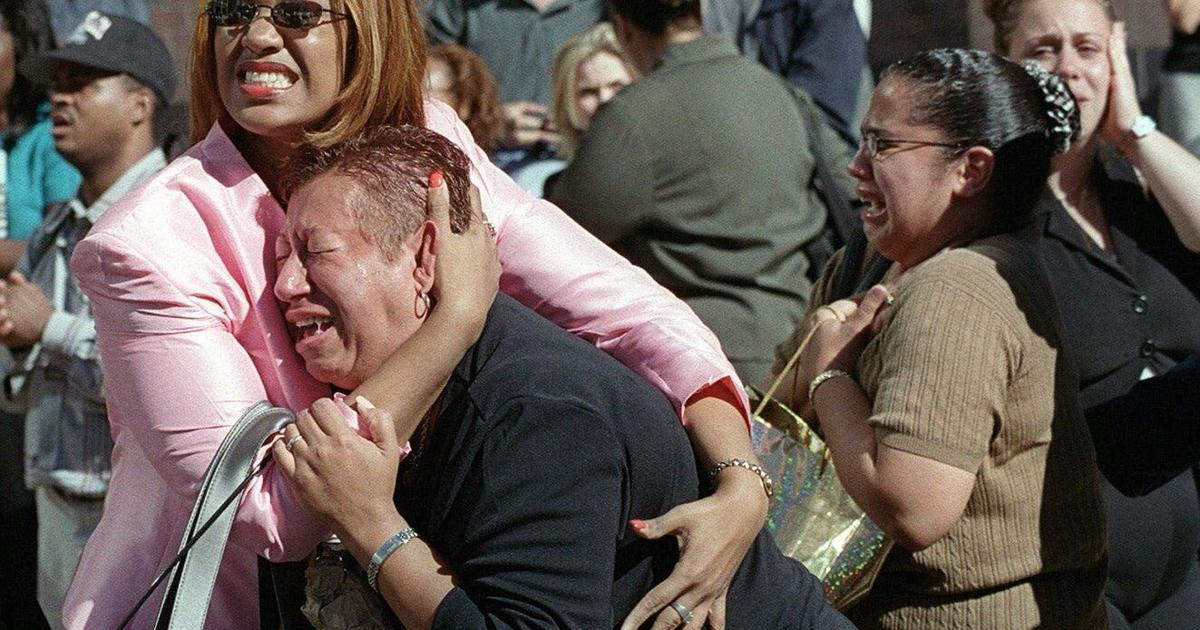
Americans channeled grief and fear into acts of service and unity of purpose. asserted
Americans → channel → purpose
I’ve always found it telling that even years after the attacks, these are the memories people chose to share with me. asserted
people → find → me
Tempting though it is to recall pre-9/11 America through sunny filters, America seethed with partisan animus even then. asserted
America → recall → animus
Nine months before the attacks, the Supreme Court had decided Bush v. Gore; three years earlier, the Clinton impeachment had rocked the country. asserted
impeachment → decide → country
But in the wake of 9/11, the chasms we once shouted across became neighborhoods again. asserted
we → shout → 9/11
It’s not that Americans suddenly agreed on all that divided them. asserted
that → ’ → them
And to be sure, we must continue to address the hate that some wrongly embraced in the aftermath of that tragic day. asserted
some → continue → day
But 9/11 largely clarified an essential truth: beneath our disagreements lay common cause. asserted
cause → clarify → disagreements
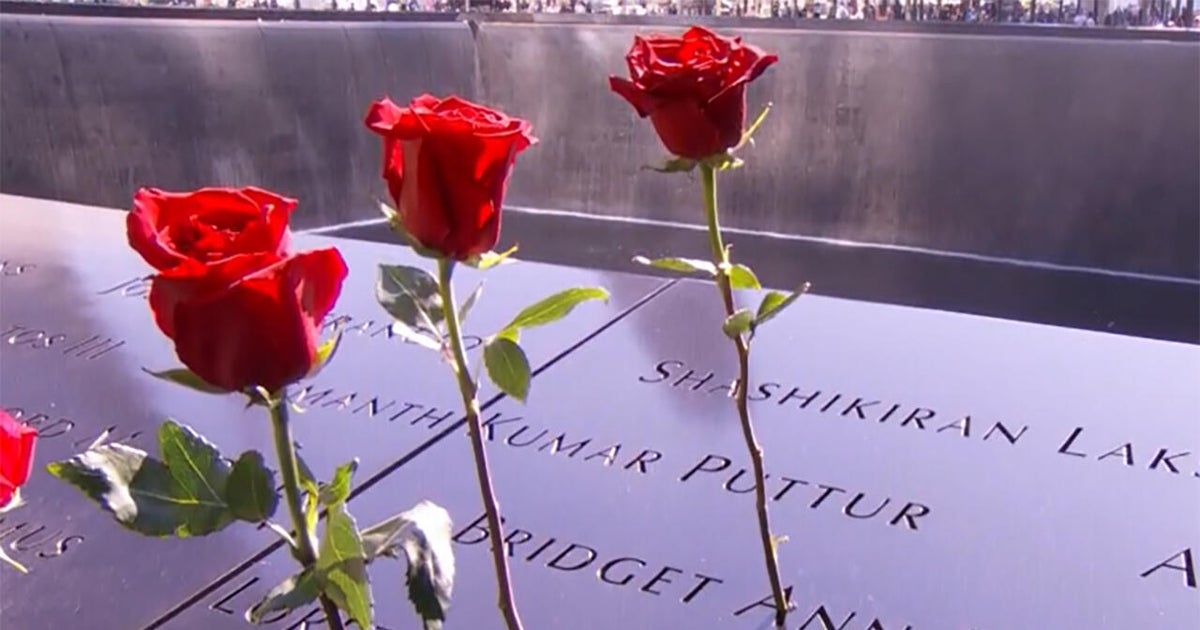
The 2,977 people murdered that day hailed from 92 nations. asserted
people → murder → nations
They were rich and poor, religious and secular, native-born, and immigrant. asserted
They → bear → ?
They practiced different faiths, subscribed to different political views, and lived very different lives from even those seated right next to them on that fateful day. asserted
They → practice → day
But in those differences, they represented the American experiment itself, and in putting aside our conflicts, Americans tacitly acknowledged that it was worth protecting. asserted
it → represent → conflicts
Twenty-five years later, I am alarmed not by the solidarity we’ve lost, but by the erosion of consensus about the terms under which we disagree. asserted
we → lose → which
Democracy itself has become debatable, especially among young people. asserted
Democracy → become → people
Only 66% of Americans now say democratically elected government is “extremely” or “very important” to the nation’s identity, down from 80% in 2021. asserted
government → say → 2021
Another recent survey found roughly one in five Americans endorse harassment, doxxing, or even violence against their political adversaries. asserted
Americans → find → adversaries
Those figures belie a disturbing trend in our political discourse: moral absolutism. asserted
figures → belie → discourse
A healthy democracy makes space even for fierce dissent. asserted
democracy → make → dissent
The danger comes when political clashes become crusades, and the self-declared righteousness of the cause becomes license to abandon democratic restraints. asserted
righteousness → come → restraints
Almost nothing went uncontested while we built the 9/11 Memorial & Museum. asserted
we → go → Memorial
We fought over how to arrange the names of the dead, how and whether to represent the hijackers, and what would we delve into about America’s response. asserted
we → fight → response
They were real conflicts waged by people of all backgrounds, laden with grief and anger, bound by deeply held personal, emotional, and political convictions and competing ideas about what America owed the dead and the living. asserted
America → wag → dead
Yet we still had to build on sacred ground. asserted
we → have → ground
The experience taught me that pluralism doesn’t require agreement. asserted
pluralism → teach → agreement
It requires something harder: accepting that sometimes you will lose the argument, but you stay at the table anyway. asserted
you → require → table
Our job wasn’t to make disagreements disappear. asserted
disagreements → make → ?
There was no universe where that was possible. asserted
that → be → ?
Instead, my job was to help determine which differences the institution had an obligation to accommodate and where it had an obligation to draw a line. asserted
it → help → line
We could tell the truth about American failures without concluding that America itself was a failure. uncertain
America → tell → failures
We could explain why the terrorists hated this country without adopting their indictment of it. uncertain
terrorists → explain → it
A democracy depends on the same distinctions. asserted
democracy → depend → distinctions
The rule of law, free expression, and equal citizenship are not partisan preferences to be renegotiated after every election. asserted
rule → renegotiate → election
Protecting someone’s right to reject the American experiment is different from treating that rejection as simply another interpretation of it. asserted
Protecting → protect → it
A pluralistic society can tolerate almost limitless disagreement precisely because there are some principles it cannot and should not surrender. asserted
it → tolerate → disagreement
Now, this 25th anniversary demands more from us. asserted
anniversary → demand → us
…and 2 more, not listed.

💬 Give feedback
🕘 History 🎫 Support