Historian Niall Ferguson argues that 9/11 did not mark the end of the American Empire, contrary to some left-wing interpretations at the time. A senior adviser to President George W. Bush reportedly told journalist Ron Suskind in 2004 that "We're an empire now" and would continue to act unilaterally. However, the article notes that while the US has exhibited imperial tendencies, such as deploying troops and exerting influence over other countries, it is unclear whether this constitutes a formal empire. Ferguson's views are contextualized by historian Simon Sebag Montefiore's book "The Cauldron" on the modern Middle East.
Written by the local model on 2026-09-11,
using this article's own text rather than the other coverage of the
same event (that is the story summary below).
Story summary
Twenty-five years after the September 11, 2001 attacks, the event continues to have profound personal and societal impacts. Colin McShane, whose firefighter father died that day when he was just 4½ years old, reflects on his loss and the missed opportunity to truly know his dad. Meanwhile, Sue Riccardelli and Maureen Murray of New Jersey honor their hosts in Gander, Newfoundland, who took care of stranded passengers after 9/11 by flying a flag outside their home and bringing it to performances of "Come From Away," a musical about the event. In New York City, 2,977 people died at ground zero, including 79 workers from Windows on the World restaurant; many more responders have since fallen ill or died due to exposure to toxins while working at the site in its aftermath. The long-term health program for those affected by 9/11 has struggled with funding shortages and is now treating individuals who are still getting sick decades later, leading to a higher death toll from post-attack illnesses than initial casualties.
Written for “9/11 Aftermath Memories Reflections” on 2026-09-14,
grounded in this article and the 168 other(s) covering the same event.
Why this leaning score
The model judged this article politically coded and scored it +0.85, but 1 quote(s) could not be found in the article and the other 2 are attributed speech rather than the article's own narration, so the score is not published.
Written under an earlier scoring contract, which gave a paragraph
rather than checkable quotes. Re-analysing this article replaces it.
Leaning score withheld for article 7984: no verified evidence · logged 2026-09-11
And it is a question being asked again today, as the war with Iran drags into its seventh month, and Donald Trump continues to fantasize about annexing Canada and Greenland—to say nothing of the application of the “Donroe Doctrine” and the “Trump Corollary” in Venezuela and (coming soon) Cuba.
asserted
Trump → ask → Venezuela
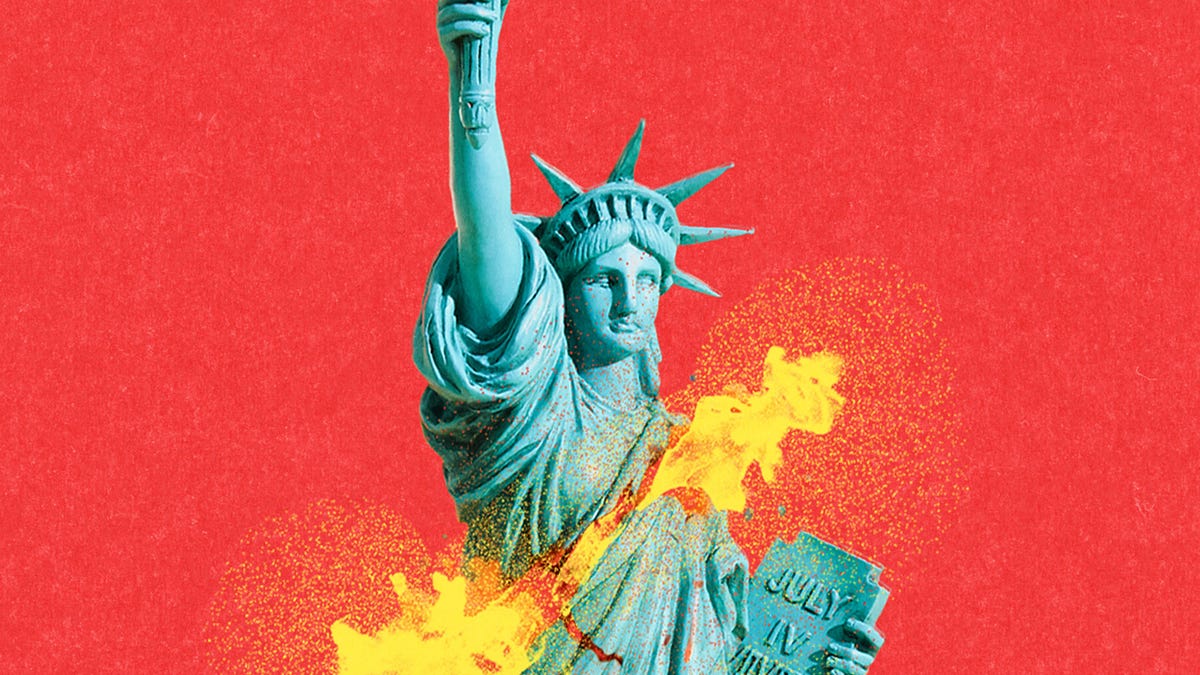
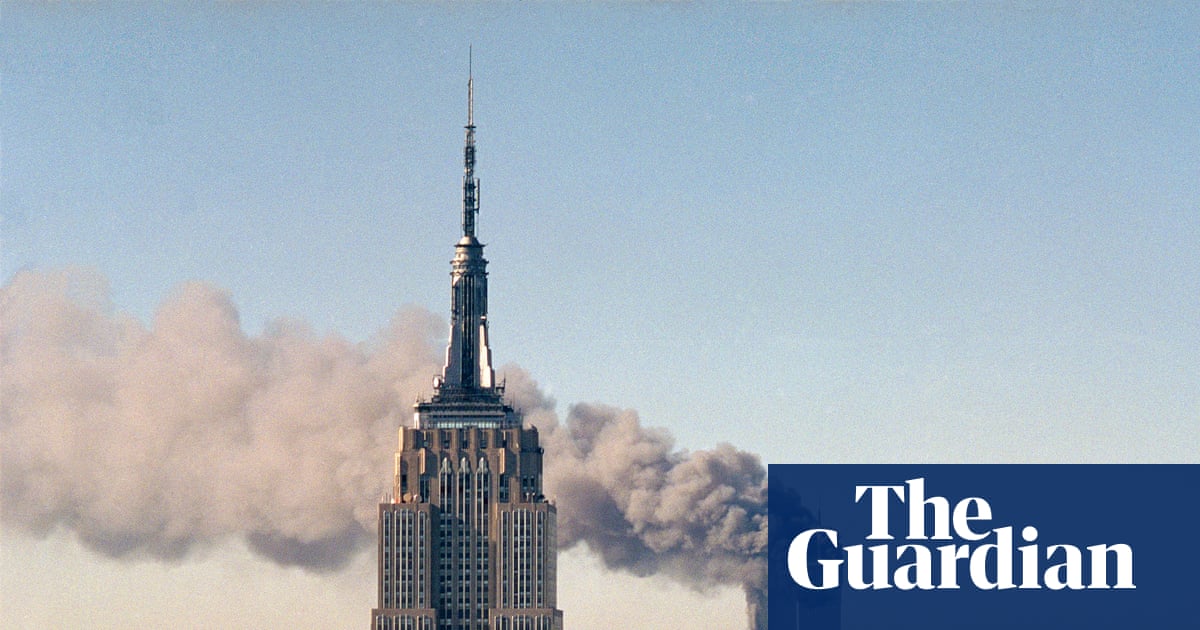
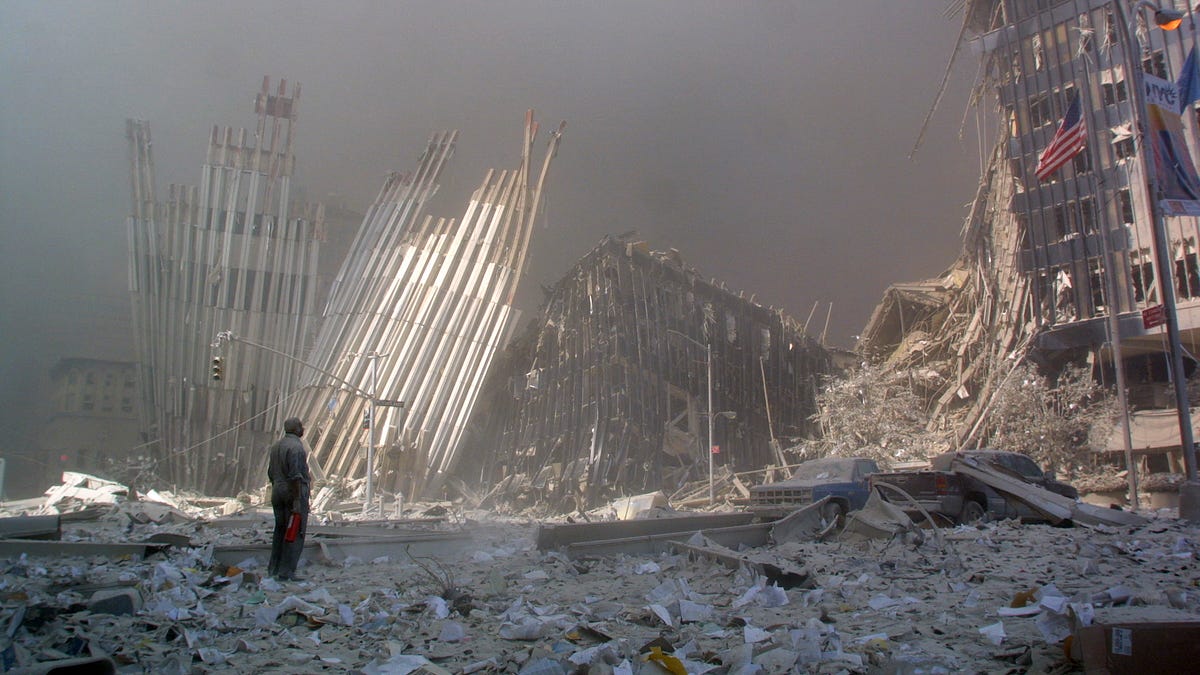
In the years after 9/11, a standard left-wing interpretation was that Osama bin Laden and his suicidal hijackers had struck a blow against American imperialism in the Middle East.
asserted
Laden → strike → East
Surprisingly, some neoconservatives within the George W. Bush administration agreed.
asserted
neoconservatives → agree → administration
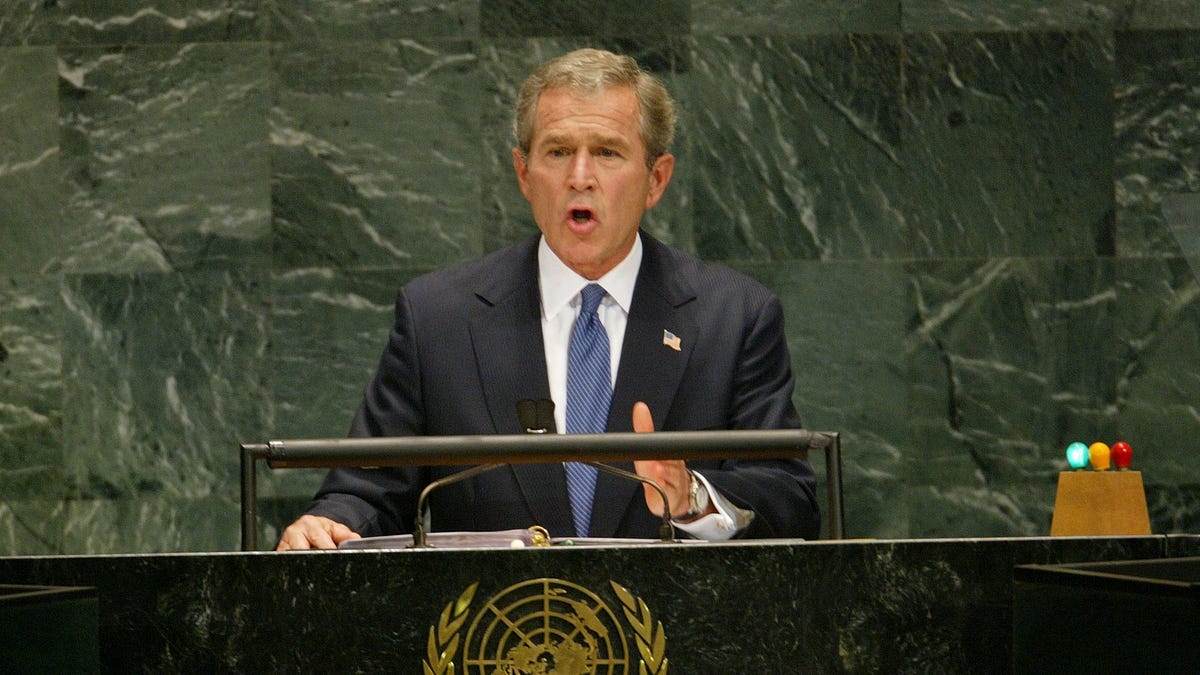
“We’re an empire now,” an unnamed “senior adviser” to President Bush told journalist Ron Suskind in 2004, “and when we act, we create our own reality.
asserted
we → ’re → reality
And while you’re studying that reality—judiciously, as you will—we’ll act again, creating other new realities, which you can study too, and that’s how things will sort out.
asserted
things → study → which
We’re history’s actors.
asserted
We → ’re → ?
. . and you, all of you, will be left to just study what we do.”
This was not the official line, of course.
asserted
This → leave → course
“We’re not an imperial power,” said President Bush in April 2005.
asserted
Bush → ’re → April
“We’re a liberating power.”
asserted
We → ’re → ?
In his brilliant new history of the modern Middle East, The Cauldron, Simon Sebag Montefiore shows the ambivalence Americans have always felt about their imperial role in the region.
asserted
Americans → show → region
At the height of the 1973–74 Arab oil embargo, Henry Kissinger threatened to seize the Saudi oil fields.
asserted
Kissinger → threaten → fields
He was bluffing.
asserted
He → bluff → ?
Nearly 30 years later, partly on Kissinger’s recommendation, Paul Bremer found himself installed as Grand Poo-Bah in charge of the Coalition Provisional Authority in Baghdad.
asserted
himself → find → Baghdad
Within seven months he had to admit, in an email to his wife: “We are already halfway out of [here]. . . . We are not ready for empire!”
asserted
We → have → empire
There’s just something about unleashing a storm of steel against the Persians, as the United States has this year, that does seem kind of empire-y.
“A republic, if you can keep it,” was Benjamin Franklin’s wry definition of what he and the other participants at the Constitutional Convention had created, after winning their war against the British Empire.
asserted
he → ’ → Empire
Two hundred and fifty years after the United States first declared its independence, the imperial scenario seems closer than ever.
asserted
scenario → declare → independence
Just reflect on the scene at the White House back in June, when gladiators fought in a temporary Colosseum for the amusement of President Donald J. Trump.
asserted
gladiators → reflect → Trump
To quote the British author Robert Harris—author of Agrippa, his new novel set in the time of Octavian/Augustus—“You can really see [Trump] in a toga with a gold laurel wreath on his head.
asserted
author → quote → head
It’s not a new analogy.
asserted
It → ’ → ?
The German magazine Der Spiegel splashed a cartoon Trump-Caesar on its cover in January last year with the headline: “Der Imperator.”
asserted
magazine → splash → headline