Claims extracted
14
sentences that state something as happening or true
Uncertain
0%
0 of 14 hedged
("reportedly", "may", "according to")
Leaning
Leans strongly left
expected in commentary, which argues a position · beta estimate
Publisher signals
not measured
these signals count newsroom corrections;
Commentary has none to count
Outlets on this story
170
Politics
Same framing elsewhere
1
articles that frame the event the way this one does
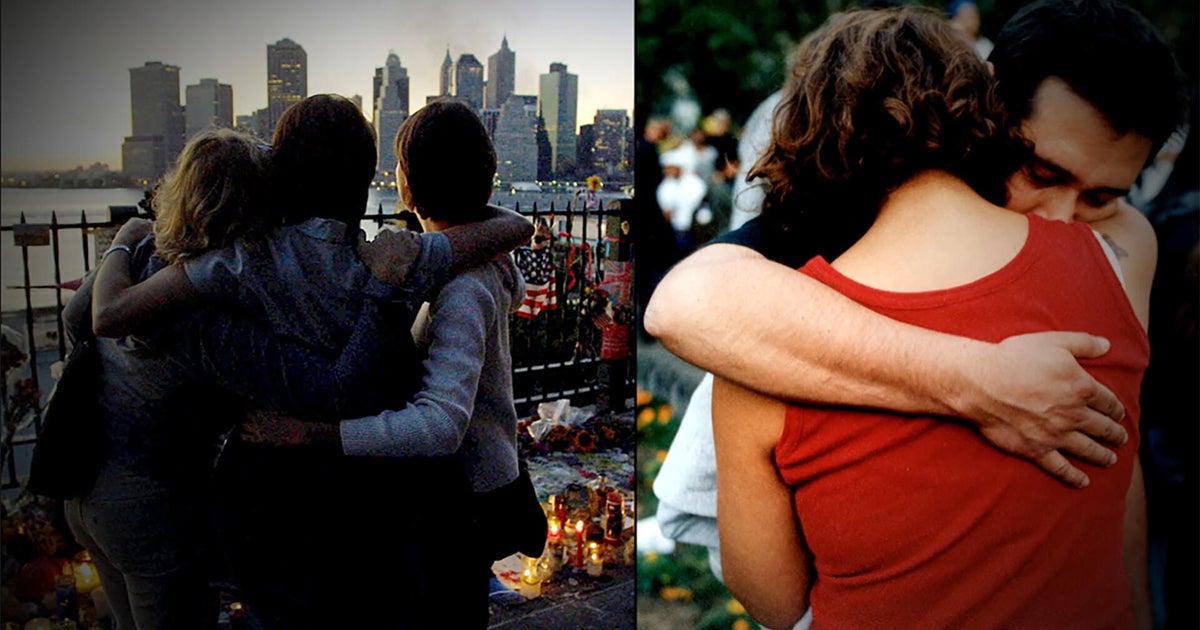
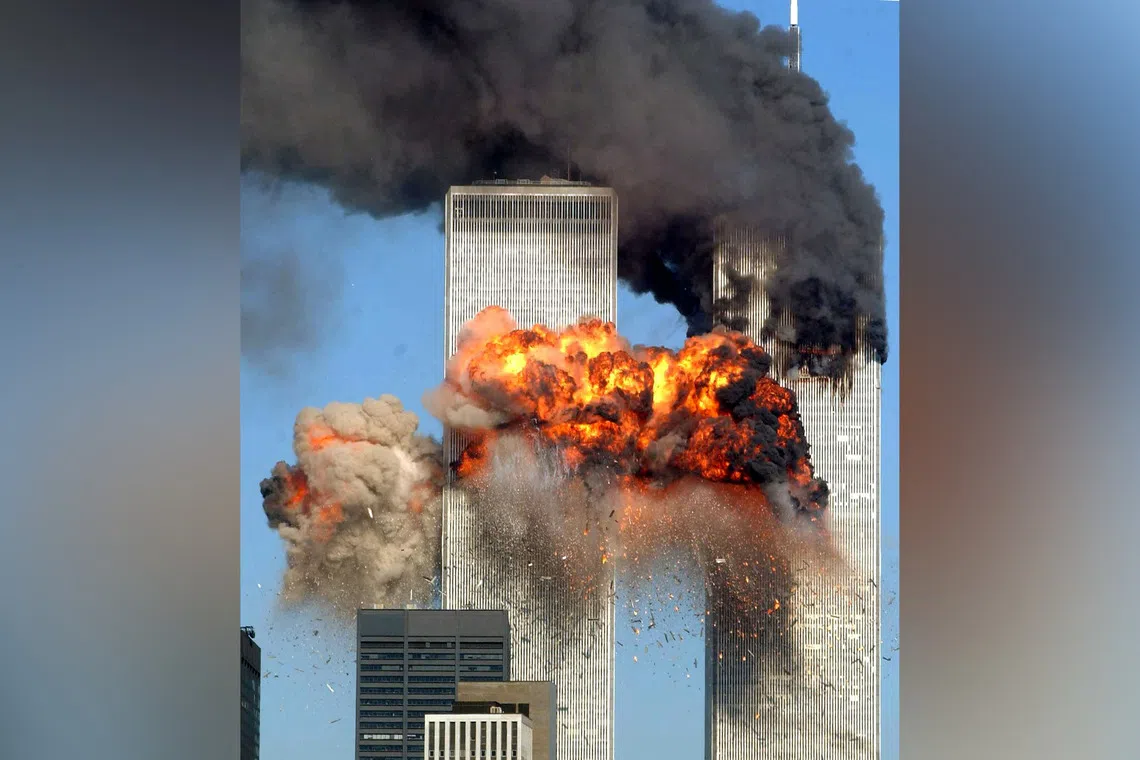
Note from our Editor-in-Chief: Friday marks 25 years since the horrific attacks on September 11, 2001.
asserted
Friday → mark → September
While mainstream media – many of the same news organizations that amplified the post-9/11 lies that paved the way for the invasion of Iraq – will likely spend much of its coverage navel-gazing, Zeteo has planned a week full of thoughtful and honest essays and interviews that not only reflect on the tragedy that was 9/11, but also on the aftermath – in America, across the Middle East, and worldwide.
asserted
that → amplify → East
Plus, I will also be interviewing two mothers who lost their children on 9/11, a four-star U.S. general who became a leading critic of the Iraq invasion, and others.
asserted
who → interview → invasion
If you’re not already a paid subscriber, become one today to get full access to all of Zeteo’s 9/11 anniversary coverage and more.
asserted
you → ’re → coverage
Twenty-five years later, it is important to remember that the 9/11 catastrophe itself changed nothing.
asserted
catastrophe → remember → nothing
Regardless of the pabulum that politicians and journalists will intone for this sorrowful anniversary, what changed everything was not the attacks but the U.S. response to them.
asserted
changed → intone → them
What became known as the “Global War on Terror” was a choice, not an inevitability.
asserted
known → know → Terror
As politically arduous as it would have been, there was a possible response in which the U.S. recognized that its decades-long extractive, exploitative approach to the Middle East, one that imported the region’s resource wealth and exported the means to subjugate its people, had been proven unviable and began unraveling it.
asserted
that → be → it
Instead, the U.S. intensified its violent status quo.
asserted
U.S. → intensify → quo
The War on Terror took the lives of what the Costs of War Project at Brown University tallies as between 4.5 and 4.7 million people.
asserted
Project → take → people
But while the War on Terror was a choice – a choice made by American elites in both parties, after exploiting the post-9/11 fear and bloodlust to manufacture consent – and for the peoples of the Middle East and Southwest Asia a death sentence, it was also, for many rising powers around the world, an opportunity.
America loves to think of itself as a beacon of freedom to humanity.
asserted
America → make → humanity
record of infamy will never disturb this self-conception.
asserted
record → disturb → conception
But after 9/11, ambitious architects of repression from Moscow to Beijing to Tel Aviv were inspired by the infamy.
asserted
architects → inspire → infamy
After all, they were doing what Washington said it wanted: following the example of the United States.
asserted
it → do → States
 The Aporia