The Sydney Morning Herald
· collected 2026-10-12 · by Stephen Bartholomeusz
Story summary
On October 9, 2026, US President Donald Trump announced a deal with Russian President Vladimir Putin to lift sanctions on the sale of Russian diesel to the United States and global markets. This agreement allows Russia to supply over 300,000 tons immediately, followed by additional shipments totaling up to 4 million tons in subsequent months. The move aims to alleviate high fuel prices that have surged due to ongoing conflicts in Ukraine and Iran.
However, this decision faced immediate backlash from both Republican and Democratic US senators who argued it violates a 2022 law barring Russian energy imports until Russia ends its aggression against Ukraine. Senator Thom Tillis specifically stated the deal might be illegal, suggesting Trump isn't adhering to existing legislation meant to penalize Russia economically.
Despite opposition, Trump justified the move by claiming it would lower diesel prices for American consumers and farmers facing soaring costs since February 2025 when tensions with Iran escalated into an eight-month war. Critics argue that these new shipments are unlikely to significantly impact global oil prices or ease inflationary pressures on consumer goods. Diesel prices in the US hit a record high of $6.53 per gallon by September 22, 2026.
The deal also strained relations between the US and Ukraine, which attacked Russian refineries, forcing Russia to ban diesel exports earlier this year. Ukrainian President Volodymyr Zelensky strongly condemned Trump's decision, calling it a betrayal of international solidarity against Russian aggression.
Written for “Trump Russian Diesel Deal” on 2026-10-12,
grounded in this article and the 36 other(s) covering the same event.
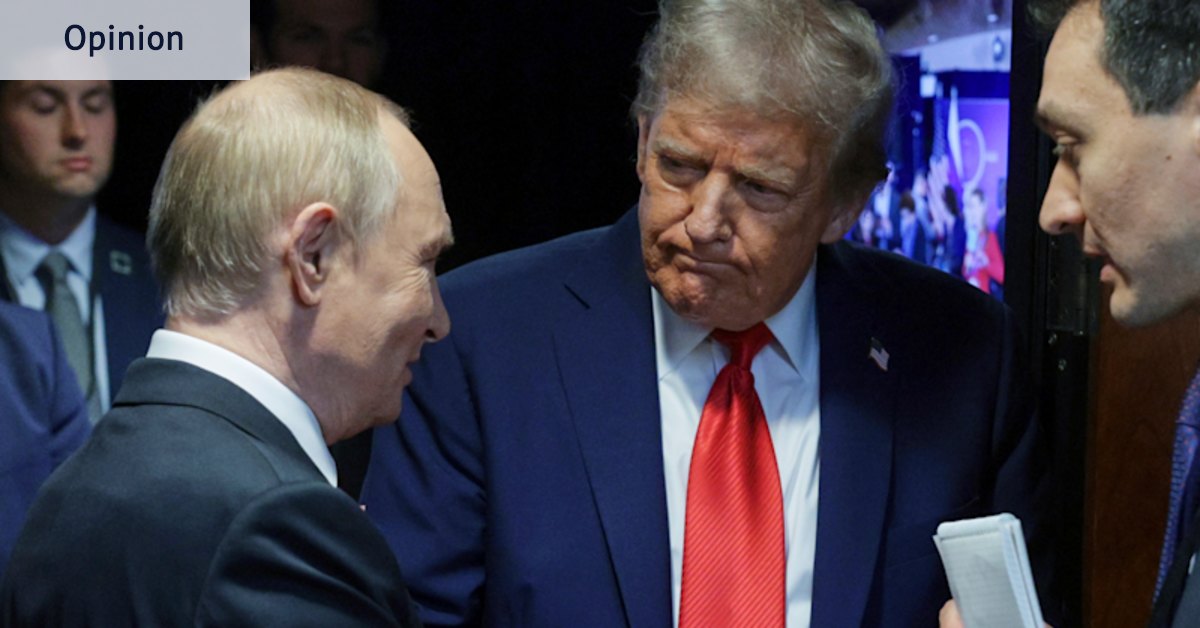
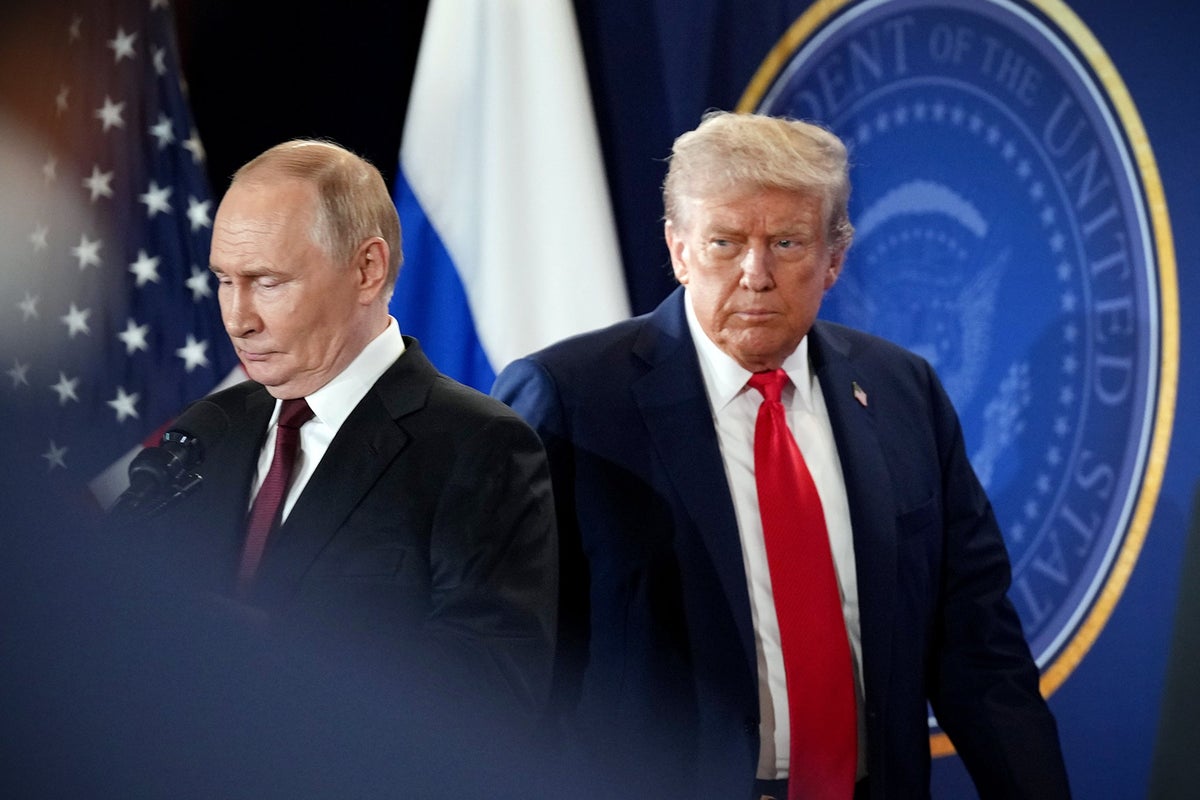
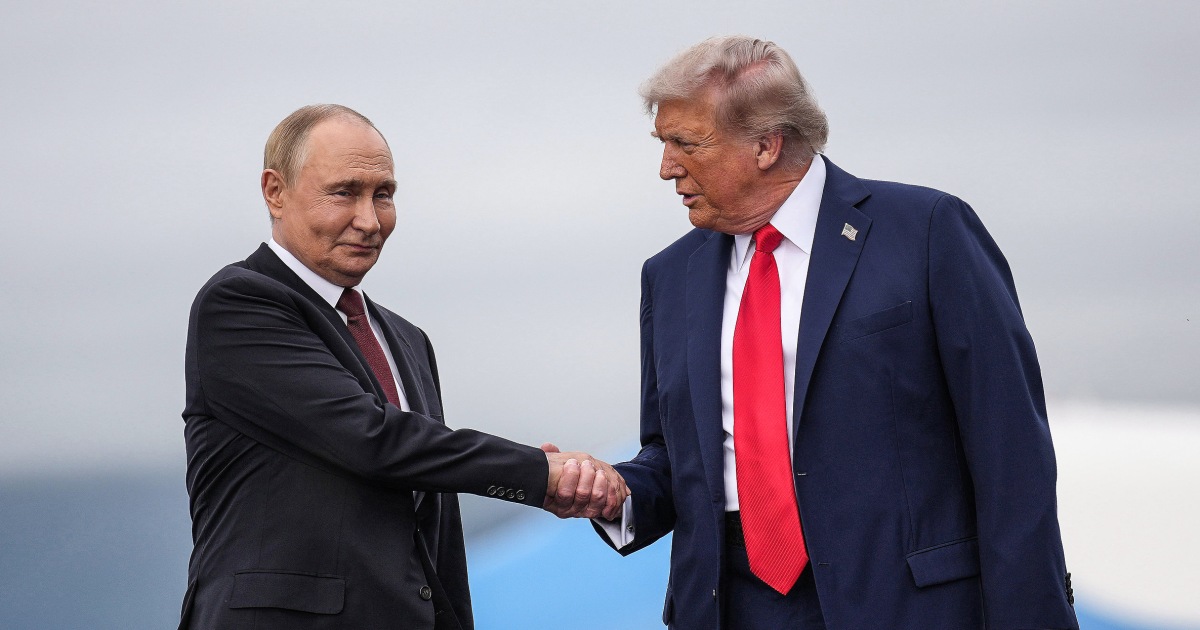
Donald Trump announced a deal last Friday under which Russia will supply the US and the global market with diesel that Russia may not have and America doesn’t need.
uncertain
America → announce → that
Confronted with soaring US petrol and diesel prices as a result of the war in the Middle East, and with the US midterm elections weeks away, Trump has been searching for something, anything, that might help to bring the prices down, exploring a ban on US diesel exports, allowing tax-exempt off-road “red-dyed” diesel to be used on public highways and convincing the G7 to release 100 million barrels of crude oil and refined products.
uncertain
diesel → confront → oil
He finally landed on a “solution” that could both divert blame for the surge in petrol and diesel prices and take advantage of the “very good relationship” he has with Russia’s Vladimir Putin – a solution Putin was only too willing to embrace.
uncertain
Putin → land → Putin
Blame Ukraine for the price spikes and lift the US sanctions on Russian oil and oil product exports – including sanctions on buyers of Russian energy that Trump himself signed only about three weeks ago – and it will deflect from the fact that the price rises started with the US and Israeli attacks on Iran, while the additional supply will bring the prices down.
asserted
supply → blame → prices
Apart from the fact that what Trump announced may not be lawful – the 2022 Ending Importation of Russian Oil Act says a president has to consult with Congress 90 days before they can lift the prohibition on imports of Russian energy products – they will almost certainly be ineffective.
uncertain
they → announce → products
Russia used to be the world’s second-largest exporter of diesel.
asserted
Russia → use → diesel
Last year it exported more than 800,000 barrels a day.
asserted
it → export → barrels
In July this year, after Ukraine had successfully begun targeting its refineries, Russia banned diesel exports.
asserted
Russia → begin → exports
That ban has been extended until at least October 31.
asserted
ban → extend → October
Meanwhile, Russia has been importing some refined products, mainly from India.
asserted
Russia → import → India
With Ukraine having knocked out, on some estimates, close to half Russia’s refining capacity, Russia’s action in halting exports was forced by its need to conserve its shrinking diesel supplies for domestic use and to fuel the war in Ukraine.
asserted
action → knock → Ukraine
It is possible, with the end of the wheat harvesting season, that it might be able to free up some supply, but there is little likelihood of it being able to provide sufficient volumes to have a material effect on global prices.
uncertain
it → free → prices
Nevertheless, being freed of US sanctions offers the prospect of desperately needed revenue and foreign exchange to fund a war that is imposing huge and continually intensifying strains on Russia’s finances.
asserted
that → free → finances
Under the deal, Putin has pledged to supply the US and the global market with 300,000 tonnes of diesel immediately, followed by another 500,000 tonnes next month and a further million tonnes thereafter.
asserted
Putin → pledge → tonnes
Eventually, depending on the state of its refineries it might add another 3 million tonnes.
uncertain
it → depend → tonnes
Those pledges would translate to roughly 2.1 million barrels of diesel initially, 3.75 million barrels in November and 7.5 million subsequently.
asserted
pledges → translate → November
To put those numbers in context, global demand for diesel is about 30 million barrels each day and US consumption about 3.6 million barrels a day.
asserted
demand → put → barrels
The initial Russian supply would, as a lot of social media accounts have pointed out, meet only about 14 hours of US demand.
asserted
lot → point → demand
More to the point, America doesn’t have a diesel supply issue.
asserted
America → have → issue
It produces more than 5.2 million barrels of diesel and other distillates a day.
asserted
It → produce → diesel
It actually exports up to 1.6 million barrels of diesel each day and has exported as much as 1.74 million barrels a day this year.
asserted
It → export → barrels
It doesn’t need Russian diesel.
asserted
It → need → diesel
The bigger picture is that Trump’s endless war on Iran has had a severe impact on the global market for oil and oil derivatives, particularly diesel.
asserted
war → have → derivatives
The disruption to oil supply by the lengthy closure of the Strait of Hormuz not only reduced the supply of oil from the region, but led to prioritisation of petrol and jet fuel production over diesel.
asserted
disruption → reduce → diesel
Attacks by the Iranians and Houthis on oil infrastructure, including refineries, along with the more recent success of Ukraine’s targeting of Russian refineries, have taken about 7 million barrels a day of diesel out of the market.
asserted
Attacks → include → market
Global inventories have been depleted to negligible levels and prices have disconnected from their traditional relationship with crude oil prices.
asserted
prices → deplete → prices
While the Strait of Hormuz has reopened and significant tanker loads are getting through, the Iranians have recently stepped up their attacks on ships attempting to transit the strait and, in any case, with roughly 40 per cent of Middle Eastern refinery capacity offline as a result of war-inflicted damage, supplies of diesel remain even more constricted.
asserted
supplies → reopen → diesel
Before the war, the Saudis alone used to produce more than 3 million barrels a day of refined products, about half of which were exported.
asserted
half → use → which
US oil, petrol and diesel prices are, of course, predominantly driven by global prices.
asserted
prices → drive → prices
Unless and until the war in the Middle East ends and Middle Eastern refineries’ capacity is restored to at least pre-war levels, prices will remain elevated and the big spike in the US prices will be an issue for the Republicans in the midterms.
asserted
spike → end → midterms
Diesel prices have particularly potent electoral implications within the Republican heartland farm states.
asserted
prices → have → states
Trump is threatening to cut off access to the US military equipment and weaponry that Europe has been buying on Ukraine’s behalf, with veiled threats that Ukraine’s access to Elon Musk’s Starlink satellites might also be removed if Ukraine didn’t stop targeting Russian refineries.
uncertain
Ukraine → threaten → refineries
Within hours of the deal with Russia being announced, the Ukrainians struck Russia’s Rostov-on-Don oil products export terminal.
asserted
Ukrainians → announce → terminal
On Sunday, Trump said Russia and Ukraine had agreed to an energy ceasefire, effective immediately.
asserted
Russia → say → ceasefire
That seems to have come as news to both of them, although Ukraine has consistently said it would stop targeting Russian refineries if Russia stopped bombing Ukrainian energy infrastructure and civilians.
asserted
Russia → seem → infrastructure
Trump has announced similar ceasefires previously, but they have failed to eventuate.
asserted
they → announce → ceasefires
The deal Trump has struck with Putin is a good deal for Putin and Russia – if they can exploit the lifting of sanctions to sell more oil at the higher prices they would get without the threat of sanctions overhanging the sales.
asserted
they → strike → sales
It would add to the revenues required to fund a war that has chewed through Russia’s once-vast reserve fund and driven its budgets into widening fiscal deficits.
asserted
that → add → deficits
The deal, and the threats from Trump that accompanied it, is self-evidently not a positive for Ukraine, although the country has received little meaningful help from a White House that is friendlier towards Putin – and openly more hostile to Ukraine’s Volodymyr Zelensky – since Trump regained the presidency.
asserted
Trump → accompany → presidency
It is also unlikely to do much to shift the dial for elections in which Trump’s standing with voters has imploded as the cost of living for average Americans – including petrol and diesel prices – has exploded.
asserted
cost → do → prices
…and 3 more, not listed.
 The Aporia