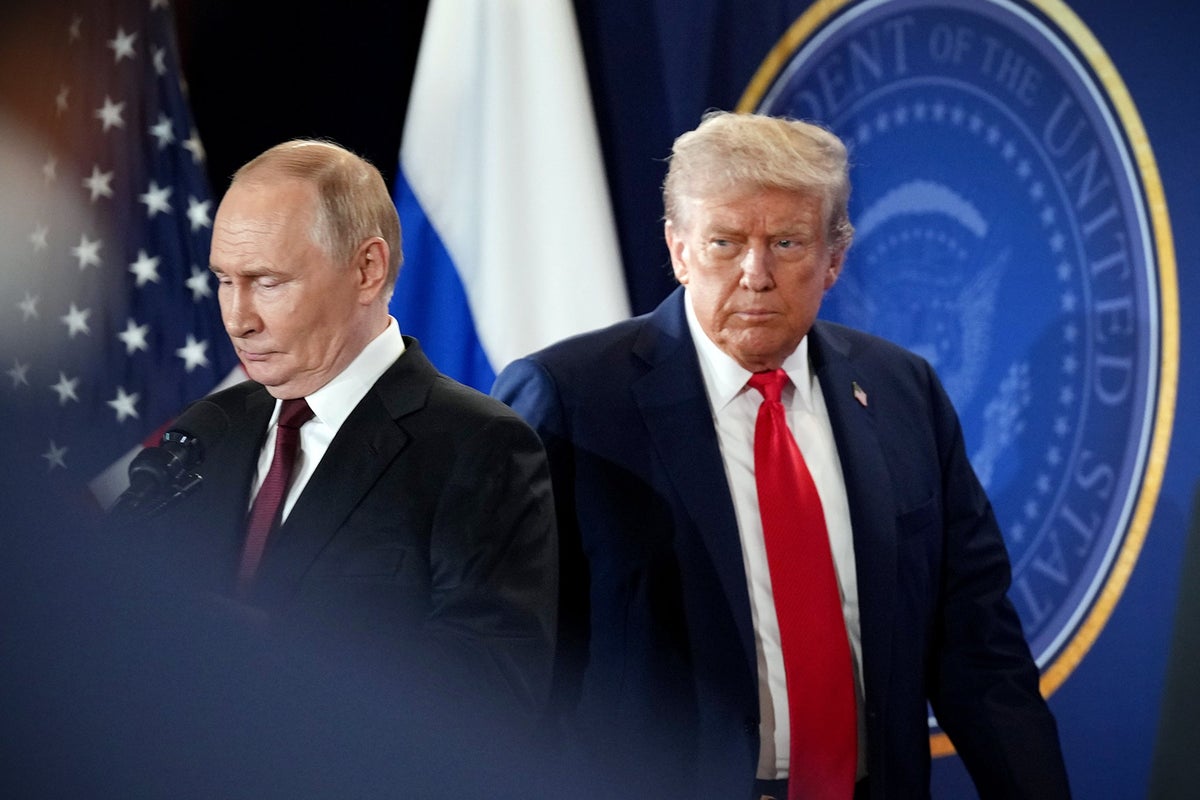
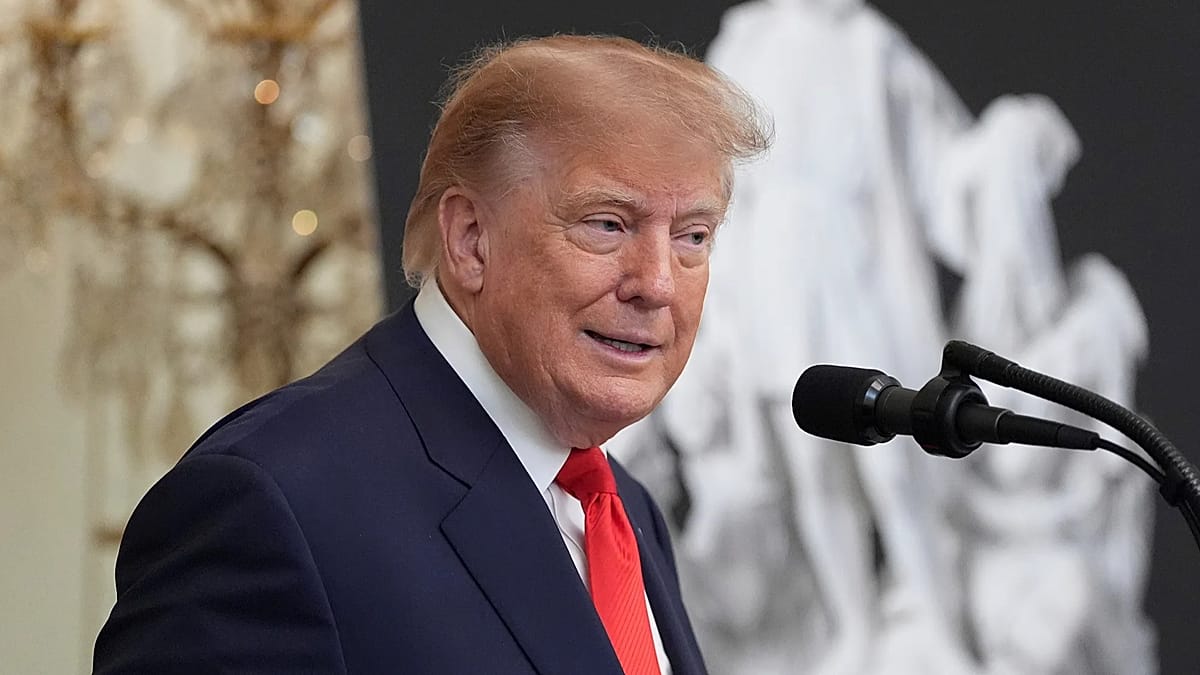
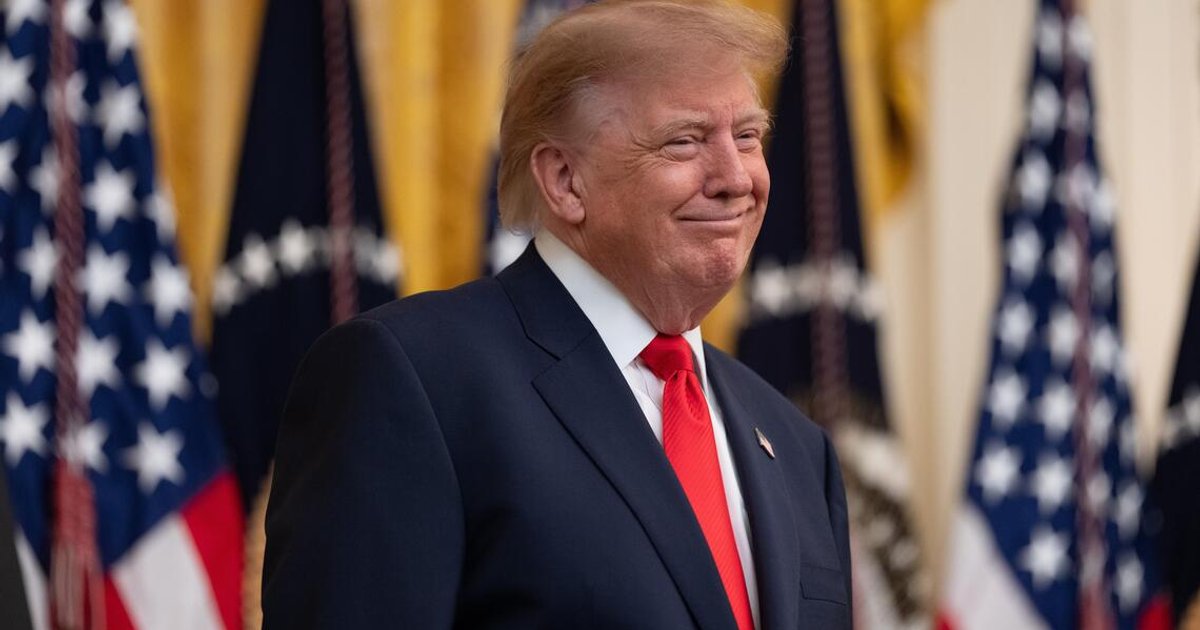
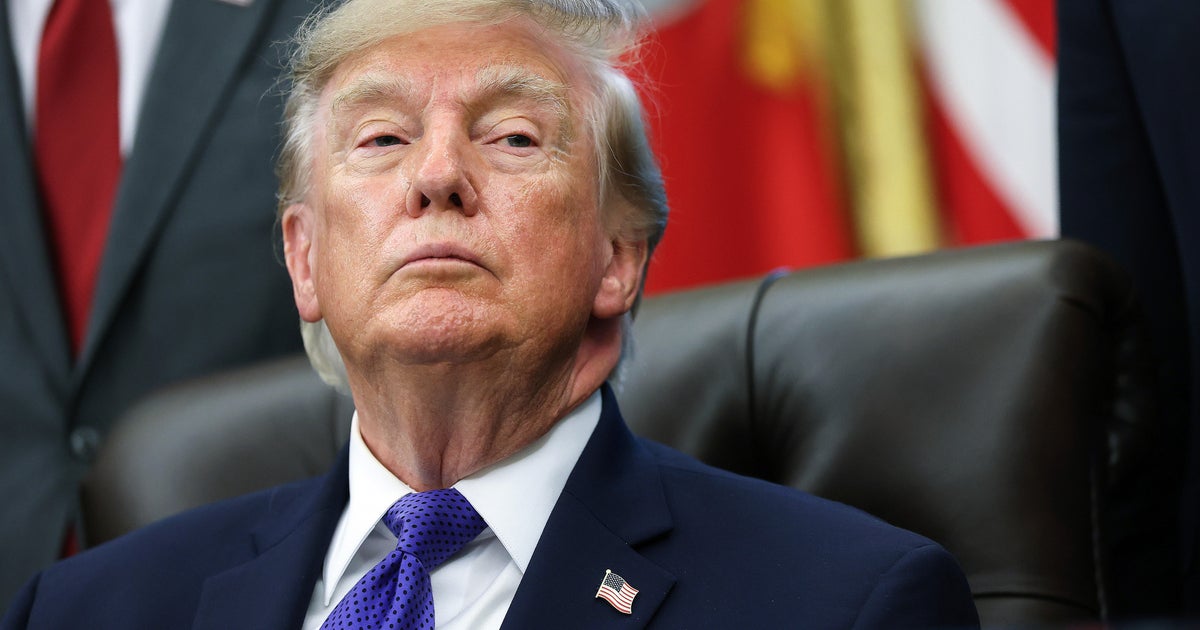
President Donald Trump has faced criticism from lawmakers in both parties over his plan to import Russian diesel fuel into the United States, despite recent legislation aimed at sanctioning nations that import Russian oil and gas. The deal would see Russia initially release 300,000 tonnes of diesel, followed by monthly shipments ranging from 500,000 to one million tonnes later in November, with further supplies dependent on the condition of Russian refineries affected by attacks during the war against Ukraine. Critics argue that this move violates US laws and provides financial support to Russia's ongoing conflict with Ukraine; however, supporters claim it will help lower fuel prices for American consumers.
Written locally by qwen2.5:14b on 2026-10-12,
using this article's own text rather than the other coverage of the
same event (that is the story summary below).
Story summary
On October 9, 2026, US President Donald Trump announced a deal with Russian President Vladimir Putin to lift sanctions and allow Russia to supply 300,000 tons of diesel immediately followed by 500,000 tons in November and additional shipments based on refinery capacity. This decision came amid rising global oil prices due to the war between Ukraine and Russia, as well as a US conflict with Iran. However, seven US senators from both parties criticized Trump’s move, stating it violates the law barring Russian energy imports until Moscow ends its aggression against Ukraine.
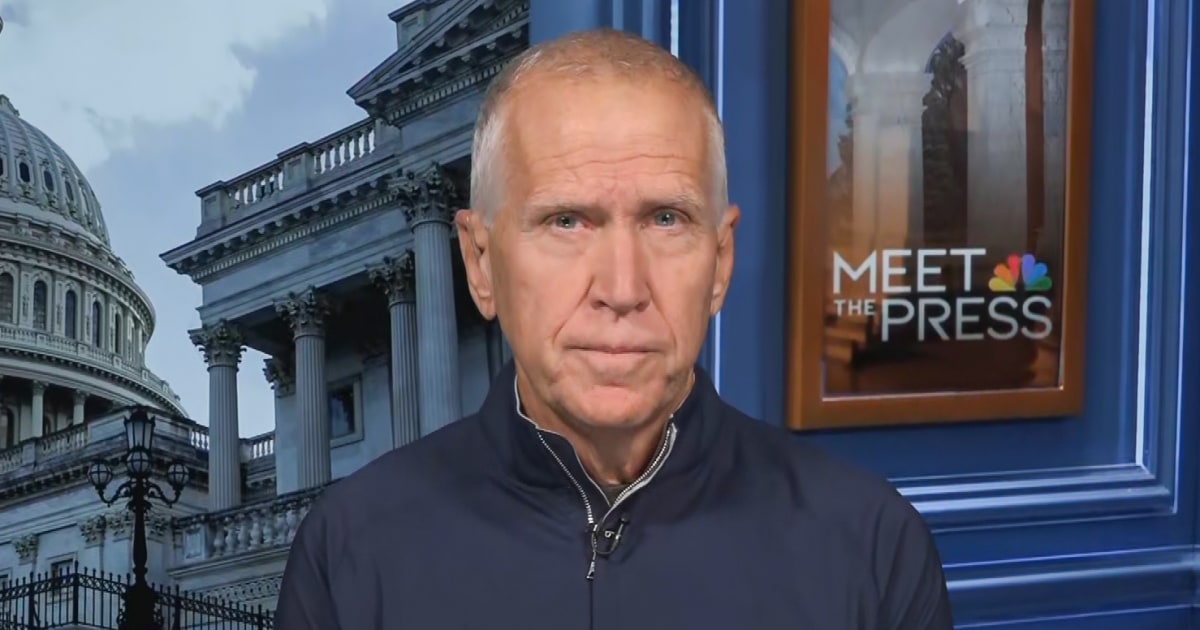
Critics argue that lifting sanctions will provide financial support to Putin's military efforts. Prominent Republican Senator Thom Tillis warned that Trump might be breaking the law and jeopardizing American lives by not adhering to existing prohibitions on Russian oil. Meanwhile, energy experts predict that these new supplies may not significantly lower fuel prices, which have already hit record highs at $6.53 per gallon in September 2026. The US economy and consumers are under pressure from the global surge in oil prices, making Trump’s decision politically contentious ahead of November's midterm elections.
Written for “Trump Russian Diesel Deal” on 2026-10-12,
grounded in this article and the 35 other(s) covering the same event.
Why this leaning score
The model judged this article politically coded and scored it -0.35, but all 2 of its quote(s) are attributed speech - words the article quotes from someone, not the article's own narration, so the score is not published.
Written under an earlier scoring contract, which gave a paragraph
rather than checkable quotes. Re-analysing this article replaces it.
Leaning score withheld for article 72943: attributed speech only · logged 2026-10-12
- Published
US President Donald Trump is facing a growing backlash over plans to import diesel from Russia as the Iran war continues to impact global energy prices.
asserted
war → publish → prices
Trump on Friday announced that Russian President Vladimir Putin had agreed to release 300,000 tonnes of diesel immediately "to the American and global marketplace" followed by several other shipments.
asserted
Putin → announce → shipments
That is despite signing legislation to authorise fresh US sanctions and tariffs on nations that import Russian oil and gas just weeks ago.
asserted
that → sign → oil
The move has been criticised by some Republican and Democratic lawmakers, who believe the deal violates US laws.
asserted
deal → criticise → laws
, Trump said Russia would then supply 500,000 tonnes in November and one million more after that.
asserted
Russia → say → that
This would be followed by a further three million tonnes, which would be delivered "within a short period" dependent on the condition of its refineries, which have been attacked by Ukraine during the ongoing war between the two countries.
asserted
which → follow → countries
"Lower prices for Americans, especially our Great Farmers, Ranchers, and Truckers, is my Greatest Priority," Trump wrote in a Truth Social post.
asserted
Trump → write → post
Russia's Deputy Prime Minister Alexander Novak confirmed these numbers to Tass, the country's state-owned news agency, saying the export volume could reach three million tonnes per month in future.
uncertain
volume → confirm → future
Ukrainian President Volodymyr Zelensky has called the deal a gift to Putin that amounts to "an investment in a war that must be ended".
asserted
that → call → war
It is understood the US Treasury is suspending sanctions on Russian diesel exports until 7 April as part of the deal, but other assets like those in American banks are still frozen.
A group of seven senators - four Republicans and three Democrats – on Sunday said the deal violated US laws, urging Trump to "reverse course".
asserted
deal → understand → course
"The United States should not provide Putin with a financial lifeline while Russia continues to kill Ukrainian civilians," the lawmakers said.
asserted
lawmakers → provide → civilians
They added that Congress had "explicitly banned Russian energy imports in 2022 to prevent American dollars from financing Putin's brutal war against Ukraine".
asserted
Congress → add → Ukraine
The statement was signed by Republicans Susan Collins, Lisa Murkowski, Thom Tillis and John Curtis, as well as Democrats Jeanne Shaheen, Richard Blumenthal and Ron Wyden.
asserted
statement → sign → Collins
Not everyone is opposed to the deal.
asserted
everyone → oppose → deal
Republican Thomas Massie, who has sparred with Trump a number of issues, said the US should lift sanctions on all petroleum products.
asserted
US → spar → products
Trump's Treasury Secretary Scott Bessent told Fox News the agreement would work through existing legal channels the US has to help bring prices down and that anyone in Congress who said it would not was wrong.
Global fuel prices have soared since the US-Israel war with Iran began at the end of February, with the fighting severely disrupting supplies of crude oil - a key ingredient in petrol and diesel.
The rising prices have become a key issue for Americans ahead of next month's midterms elections, which will determine if Trump's Republican Party maintains control of Congress.
asserted
Party → tell → Congress
Polls show a majority of Americans disapprove of his handling of the economy and the war in Iran and he has been searching for ways to ease his party's political pain.
asserted
he → show → pain
The toll the war is taking has been acutely felt by US agricultural states, which rely heavily on diesel to operate farming machinery and to transport their products to market.
asserted
which → take → market
The average diesel price in the US is currently $6.28 (£4.74) a gallon, according to the AAA, down from the record high of $6.53 recorded at the end of September.
uncertain
price → accord → September
Analysts have questioned whether Russia is capable of providing that quantity of diesel and the extent to which doing so will ease prices for American consumers.
asserted
doing → question → consumers
The US uses approximately 3.6 million barrels of diesel a day, so even if Russia delivers its promised 300,000 tons this month, which amounts to approximately half of the US daily consumption.
asserted
which → use → consumption
It is not only at home that Trump is facing opposition to his diesel deal with Russia.
asserted
Trump → face → Russia
A number of international leaders have criticised it, including Canadian Prime Minister Mark Carney and UK Defence Secretary Wes Streeting, who said the US and other allies of Ukraine should focus on ramping up pressure on Russia to end the war.
asserted
US → criticise → war
Meanwhile, Trump announced in Sunday that Russia and Ukraine had reached an "energy ceasefire" but did not give more details.
asserted
Russia → announce → details
Ukrainian President Volodymyr Zelensky welcomed this but there was no response from Moscow.
asserted
Zelensky → welcome → Moscow
 The Aporia