Europe raids Trump’s tool box for new ‘trade bazooka’ against China

Read the original at The Sydney Morning Herald ↗
The Sydney Morning Herald · collected 2026-10-08 · by Stephen Bartholomeusz

Quick Summary

European Union trade negotiators led by Commissioner Maros Sefcovic are meeting with Chinese officials amid growing concerns over China’s widening trade surplus with the EU, which stood at €360.6 billion last year and has increased further this year. France and Germany have formed an unusual alliance to push for new trade measures against China, including a proposed “last resort” instrument that could instantly restrict market access, reflecting a shift in traditionally free-trading Germany’s stance due to job losses in its auto industry from Chinese competition.
Written locally by qwen2.5:14b on 2026-10-08, using this article's own text rather than the other coverage of the same event (that is the story summary below).

AI analysis runs on qwen2.5:14b, locally

Story summary

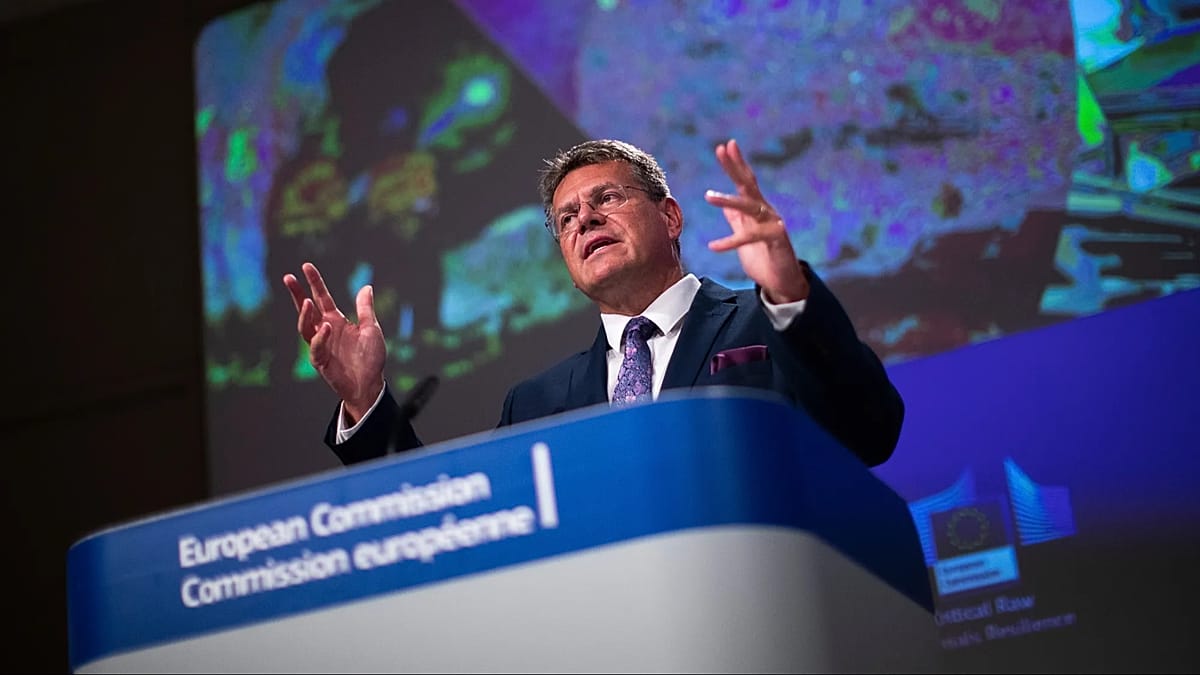
Trade negotiators from the European Union led by Maroš Šefčovič, the EU's trade commissioner, are in Beijing for critical talks aimed at addressing China’s significant trade surplus with Europe. This imbalance is currently valued at over €1 billion ($1.12bn) daily and is impacting sectors such as hybrid electric cars and rare earth minerals. The two-day discussions, scheduled to start on Thursday and continue late into Friday, focus on a "proof of concept" agreement that could serve as a model for future trade negotiations between the EU and China.

Germany’s new chancellor Friedrich Merz has recently aligned with French President Emmanuel Macron in supporting measures against China, marking a shift from Germany's traditional free-trade stance. The aim is to curb cheap imports into Europe while avoiding a full-scale trade war. However, China remains cautious about implementing voluntary export curbs and prefers to see unilateral EU measures instead.

The talks are crucial as European lawmakers increasingly call for assertive action to protect their industries from what they view as unfair Chinese competition, threatening the economic stability of several European countries, particularly Germany's automotive sector.

Written for “EU China Trade Talks” on 2026-10-08, grounded in this article and the 3 other(s) covering the same event.
Why this leaning score
The article's own words the score was based on. Each is quoted verbatim and was checked against the article text before being stored, so you can find it in the original.
Reading Leans right (beta estimate) Confidence medium
Leaning: leans right for article 64460 (medium confidence, 4 verified quotes) · logged 2026-10-08

Signals How these are calculated →

Claims extracted
46
claim-shaped sentences
Uncertain
20%
9 of 46 hedged
Leaning
Leans right
of the writing, not the subject · beta estimate
Correction & hedging signals
61.3
corrections and hedging in what we collected; not a measure of accuracy
Outlets on this story
4
Politics
Narrative spread
1
articles carrying this framing
Analyzed 2026-10-08 · how these are computed

Story

📰 EU China Trade Talks
Politics · 4 article(s) covering the same event. See how they differ ↓

How this is being covered How these are calculated →

Article leaning vs. publisher reliability
Source leaning vs. consistency

Compared with similar articles

This article reads leans right and hedges 20% of its claims. Each row says how that neighbour differs.
Al Jazeera
⚖️ leaning not scored 🔴 9% hedged 2 of 22 📰 publisher trust 60
“Both articles describe the identical ongoing trade talks between EU and China led by Maros Sefcovic and Wang Wentao on October 8, 2026.”
Toronto Star
⚖️ Leans right 🔴 0% hedged 0 of 3 📰 publisher trust 63
“The articles describe different aspects of ongoing trade tensions between China and the EU, with Article A reporting a specific anti-dumping investigation launched by China and Article B discussing broader trade negotiations in response to these tensions.”
The Hindu
⚖️ Leans right 🔴 0% hedged 0 of 9 📰 publisher trust 60
“Article A reports on a specific anti-dumping investigation initiated by China against EU chemical imports, while Article B discusses broader trade talks between EU and Chinese officials aimed at addressing concerns about trade imbalances.”
South China Morning Post
⚖️ Leans left further left than this 🔴 17% hedged 1 of 6 📰 publisher trust 67
“Article A discusses Britain's divergence from EU tariffs on Chinese EVs, while Article B focuses on European Union trade negotiations with China regarding overall imports and exports.”
Euronews
⚖️ Leans right 🔴 0% hedged 0 of 20 📰 publisher trust 60
“The articles describe different stages of the ongoing trade dispute: Article A reports on China's anti-dumping probe, while Article B covers the subsequent EU delegation's visit to Beijing for talks.”
South China Morning Post
⚖️ Leans right 🔴 0% hedged 0 of 2 📰 publisher trust 67
“The articles discuss different events - one about the Trump-Xi summit and its impact, and another about EU trade negotiations with China.”
The Hindu
⚖️ leaning not scored 🔴 0% hedged 0 of 12 📰 publisher trust 60
“The articles describe different meetings and negotiations between China and other countries regarding trade issues, not the same specific incident.”
Daily Mail
⚖️ Leans right 🔴 0% hedged 0 of 16 📰 publisher trust 65
“The articles discuss different aspects of trade negotiations between the EU and China, with Article A focusing on tariffs for electric cars and Article B covering broader trade talks involving various imports.”
Fox News
⚖️ Leans strongly right further right than this 🔴 2% hedged 1 of 57 📰 publisher trust 69
“The articles describe different meetings: one between Xi Jinping and Trump in Washington, and another involving EU trade negotiators in Beijing.”
The Guardian
⚖️ Leans strongly right further right than this 🔴 35% hedged 6 of 17 📰 publisher trust 68
“Both articles describe EU trade negotiators, led by Maroš Šefčovič, visiting China for talks aimed at addressing concerns over cheap Chinese imports of hybrid electric cars and the large trade surplus.”

Publisher

The Sydney Morning Herald · 2741 article(s) · 4 correction(s) detected
Running correction rate · 4 correction(s)
2026-10-03
Tennessee’s prisons chief to resign after failed execution of Christa Pike
2026-09-28
Inside the prison left abandoned for years – now set to reopen as DV offenders weigh on system
2026-09-19
What will happen to your most cherished possessions when you die? You don’t want to know
2026-09-18
What will happen to your most cherished possessions when you die? You don’t want to know

Who wrote this

Stephen Bartholomeusz
11 article(s) here · 1 carrying a prediction
🔮 A delegation of European Union trade negotiators is in Beijing, hoping to avert what could be a full-scale trade confrontation with China.
🔮 The equal weight index has risen 10.8 per cent this year and has actually fallen almost 3 per cent in the past month – the market might be at record levels, but its performance is very narrowly based. Indeed, only four stocks – Nvidia, Apple, Micron and AMD – account for roughly half the S&P 500’s rise this year.
🔮 Inflation rates are too high, growth rates are weak and there’s not the political will or ability to address the threat of a self-fuelling cycle of escalating debts and interest costs.
🔮 Will his gambit work?
2026-10-05 · assertive framing · Trump’s bluff is too late to save him
🔮 The “forced labour” tariffs are a transparent attempt to recreate the global tariff regime that the Court of International Trade ruled illegal last May; a judgment that the US Supreme Court confirmed in February.
🔮 While the leading frontier AI lab says it will have its second successive quarter of profitability, at an operating level, in the September quarter, last year it lost more than $US8 billion at an operating level – up from $US2.98 billion in 2024 – while reporting a net loss of $US42 billion.
🔮 With the US flirting with stagflation last year – low growth but relatively high levels of inflation – and unsettling discussions about how the Trump administration might respond to public finances that are spiralling out of control, gold’s “safe haven” status was another factor in the price surge.
🔮 The sudden spike in US bond yields over the past week to near 20-year highs raises a multi-trillion dollar question: Will those higher debt returns crash the sharemarket, and in the process derail the boom in artificial intelligence-related investment?
🔮 Last week, Berkshire Hathaway announced that Warren Buffett’s son, Howard, would replace him as chairman of the sprawling conglomerate.
🔮 That something would have dire consequences for much of the world, including the US - and Australia, the world’s biggest per-capita user of the fuel.
Also by Stephen Bartholomeusz
Trump’s bluff is too late to save him
2026-10-05 · The Sydney Morning Herald
Donald Trump’s war on the world faces a lethal blow
2026-10-01 · The Sydney Morning Herald
Nothing else under this byline is closely related to this article, so these are simply their most recent.
All 11 articles by Stephen Bartholomeusz →

Topics

China Chinese France German Germany

Subjects

China GPE · 10× Chinese NORP · 4× France GPE · 4× Germany GPE · 4× European NORP · 3× German NORP · 2× Macron PERSON · 2× Merz PERSON · 2× Beijing GPE · 1× European Union ORG · 1×

Narrative

The increasing concerns about the unbalanced trade relationship have brought about an unlikely alliance between France, traditionally one of the more protectionist of the major European countries, and Germany, historically a free trader and opponent of measures to restrict imports from China.
framing: assertive · carried by 1 article(s) · first seen 2026-10-08
🔮 A delegation of European Union trade negotiators is in Beijing, hoping to avert what could be a full-scale trade confrontation with China.
2026-10-08 · The Sydney Morning Herald
Europe raids Trump’s tool box for new ‘trade bazooka’ against China · assertive framing

Claims (46 extracted, 9 hedged)

A delegation of European Union trade negotiators is in Beijing, hoping to avert what could be a full-scale trade confrontation with China. uncertain
what → hop → China
The talks on Thursday and Friday between a team headed by EU Trade Commissioner Maros Sefcovic and his Chinese counterpart Wang Wentao are taking place amid Europe’s fears that a swelling flood of cheap Chinese imports is de-industrialising its economies. Last asserted
flood → head → economies
So far this year, China’s exports to the EU are up 15 per cent and the surplus has swollen by as much as 23 per cent. asserted
surplus → swell → cent
Sefcovic has called the widening trade imbalance “unsustainable” and a threat to Europe’s social model. asserted
Sefcovic → call → model
The increasing concerns about the unbalanced trade relationship have brought about an unlikely alliance between France, traditionally one of the more protectionist of the major European countries, and Germany, historically a free trader and opponent of measures to restrict imports from China. asserted
concerns → increase → China
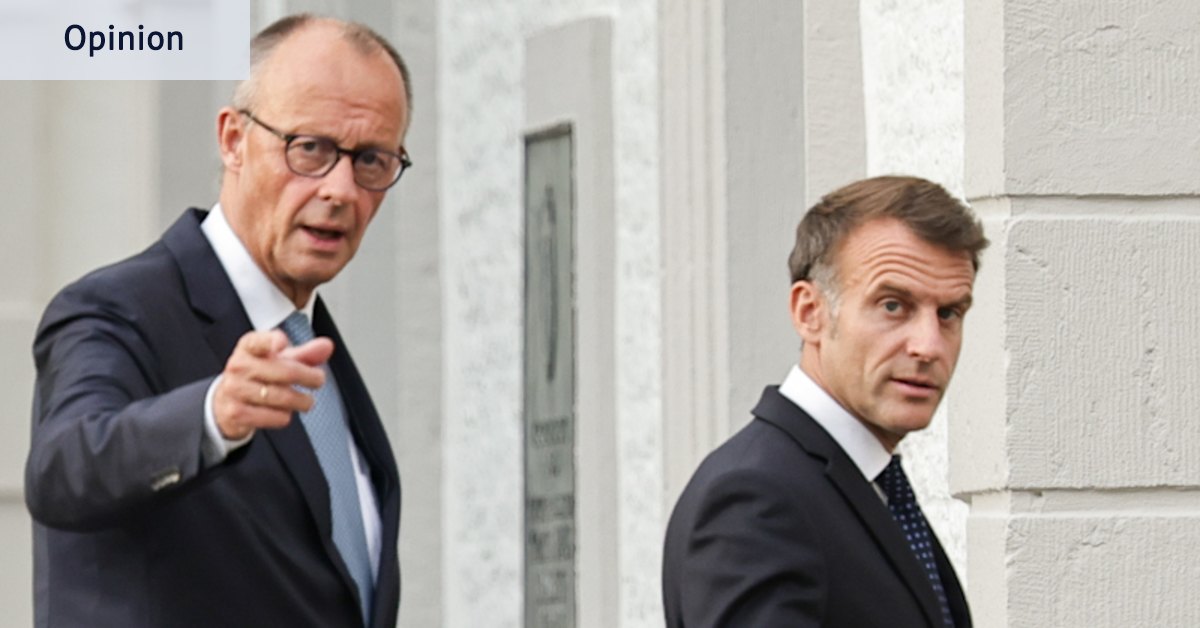
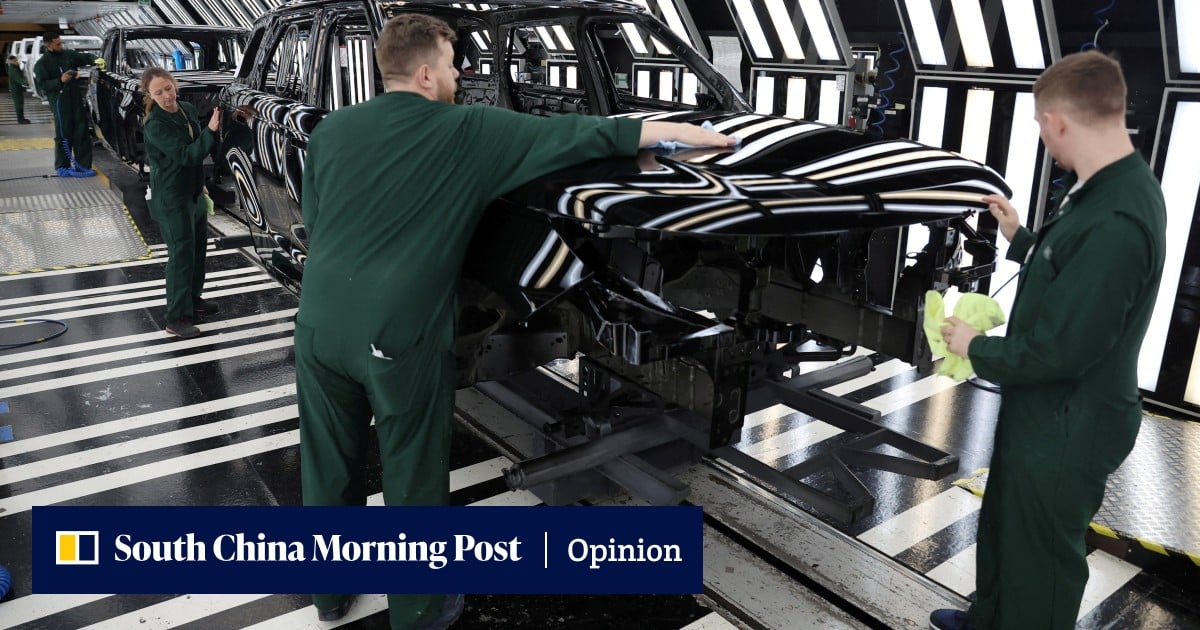
With imports of Chinese electric vehicles and plug-in hybrids cutting a swathe through the German auto industry – Volkswagen has recently announced the closure of four of its major factories, with about 100,000 of job losses – German Chancellor Friedrich Merz has joined France’s Emmanuel Macron in calling for the creation of a new “last resort” trade instrument that could instantly cut off access to the EU market. uncertain
that → plug → market
The risk for China is that if it continues to wipe out other countries’ manufacturing sectors and jobs, others might hold their noses and join the protectionist US president. uncertain
others → continue → president
That’s a major shift in Germany’s stance. asserted
That → ’ → stance
Historically, it opposed trade restrictions because it was a major exporter to China and its companies had invested heavily in China’s industries via joint ventures. asserted
companies → oppose → ventures
Now its own industries are being decimated by an industrial base it helped develop. asserted
it → decimate → base
The letter sent by Macron and Merz to European Commission (EC) President Ursula von der Leyen on Monday implored her to expand the EU’s arsenal of trade weapons in response to the increased “weaponisation of trade, systemic market-distorting practices and global macroeconomic imbalances.” asserted
letter → send → trade
The EU already has what has been described as its “trade bazooka” – its “anti-coercion instrument” -- but has never used it. asserted
what → have → it
That instrument allows EU officials to impose tariffs and other trade restrictions if they determine another government is using economic coercion against the bloc. asserted
government → allow → bloc
The move, however, requires the support of more than half the EU’s 27 member countries representing at least 65 per cent of the EU population, which is a steep hurdle. asserted
which → require → population
Merz and Macron’s proposed new instrument could be activated instantly by the EC, unless the member states voted to revoke it, lowering the hurdle. uncertain
states → propose → hurdle
It would also allow the EC to move far quicker. asserted
EC → allow → ?
France and Germany also proposed a “diversification” instrument, which would let the EC impose a cap on the percentage of imports from one country allowed in various product categories. asserted
EC → propose → categories
The obvious concern for France, Germany and the rest of the EU is that if they were to restrict Chinese imports or increase tariffs on them, China would respond by cutting off access to strategic minerals like rare earths and magnets, where it has introduced a licensing system. asserted
it → restrict → system
The new tool would give the EC the ability to shut China out of its biggest and richest market. asserted
tool → give → market
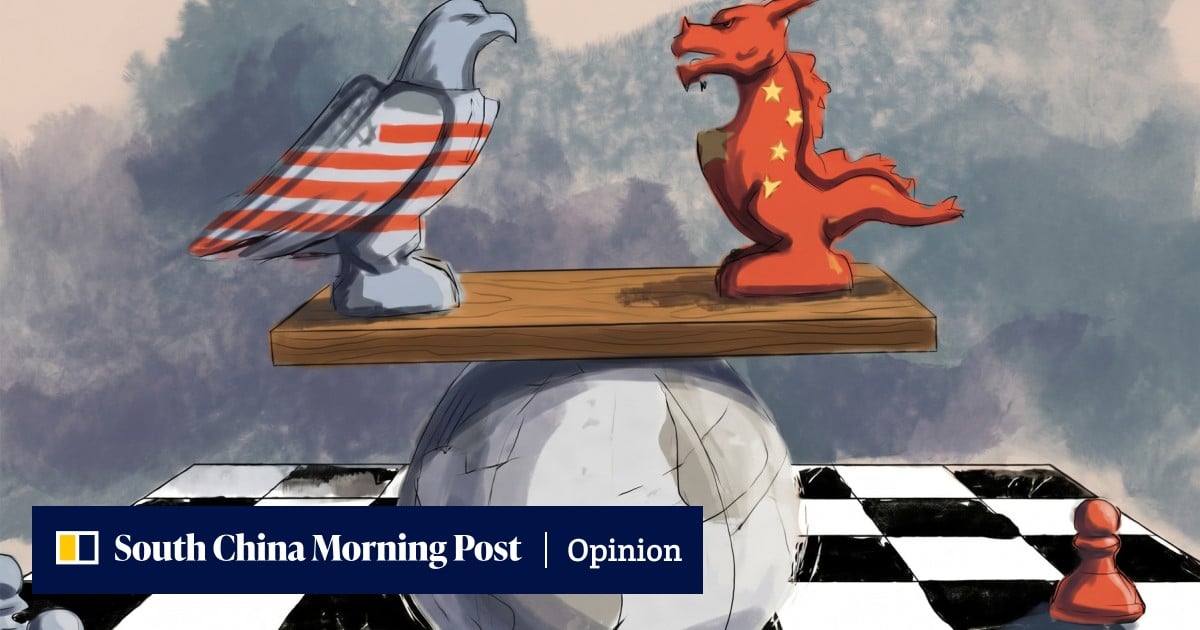
In effect, the European leaders are seeking to create something akin to the Section 301 powers that Donald Trump has invoked in the US to recreate the global tariff regime knocked out by the US Supreme Court earlier this year. asserted
Trump → seek → Court
That section of the US Trade Act gives a president the authority to impose trade penalties in response to unfair trade practices. asserted
section → give → practices
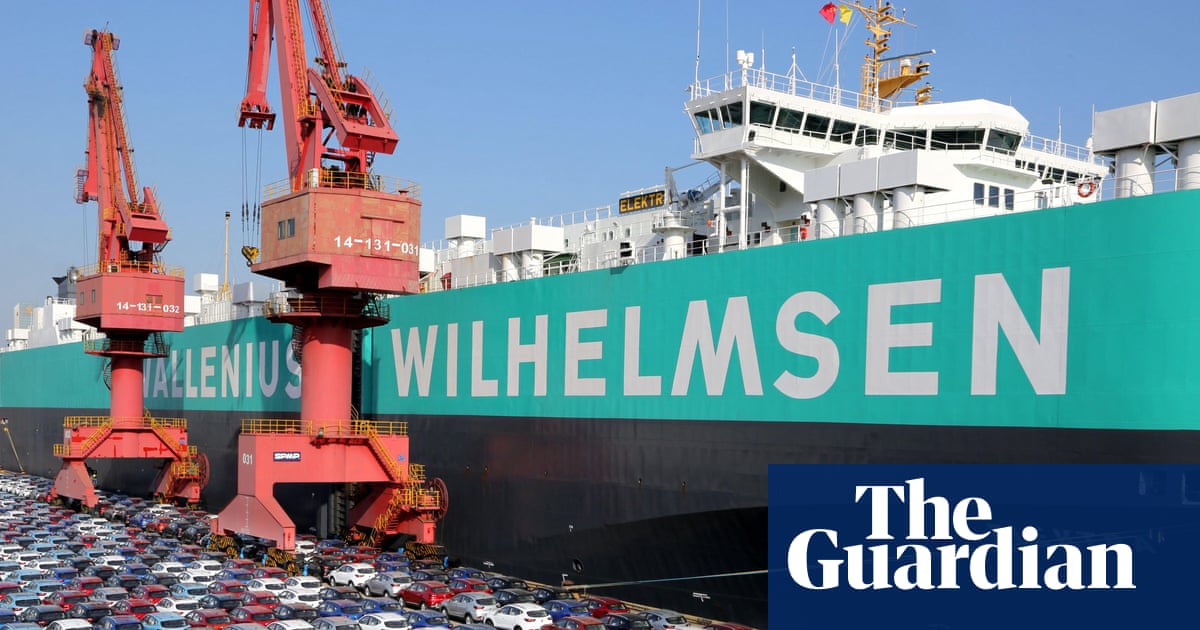
The current flashpoint in the EU-China relationship is the devastation of the European car industry by China’s electric vehicle and, more particularly, plug-in hybrid manufacturers. asserted
flashpoint → plug → vehicle
Only two years ago, the EU imposed tariffs ranging from 7.8 to 35.3 per cent – on top of a general 10 per cent tariff on imported cars – on Chinese EVs. asserted
EU → impose → EVs
But the duties didn’t cover plug-in hybrids, where EU imports more than doubled last year. asserted
imports → cover → hybrids
This year, Chinese hybrids account for almost half of all new EU sales of plug-ins. asserted
hybrids → account → ins
It’s not just electric cars, however. asserted
It → ’ → ?
Europe’s green technology, steel, chemicals, pharmaceuticals, machine tools and aerospace sectors are also being swamped by Chinese imports. asserted
technology → swamp → imports
Even the UK, albeit under the threat of facing restrictions to its own trade with the EU, is considering imposing hefty tariffs on imports of cars and chemicals from China. asserted
UK → face → China
The EU also wants China to lower some of its own tariff and non-tariff barriers to EU imports. asserted
China → want → imports
China will, of course, resist the European pressure. asserted
China → resist → pressure
And it has its own powerful trade instrument – cutting off access to the rare earths and magnets vital to most advanced manufactures. asserted
it → have → manufactures
It might, however, be prepared to make some concessions rather than risk being shut out of its key developed world market entirely. uncertain
It → prepare → market
Sacrificing its value-added tax rebate for exported EVs might be a start, knowing that the sprawling and disparate nature of the EU membership makes it difficult to build consensus for anything even mildly controversial. uncertain
it → sacrifice → anything
A ban on imports from China, or caps on its market shares, would be tricky to achieve. asserted
ban → achieve → shares
America decided during Trump’s first term that China was using unfair tactics – state and local government subsidies, below-market finance and central direction to dominate strategic sectors – and began the initial trade war. asserted
China → decide → war
Unfortunately, Trump’s fixation on tariffs meant he extended the trade war to the rest of the world in his second term, alienating many of America’s closest allies that might have joined the US in pressuring China to change its ways. uncertain
that → mean → ways
There’s good reason for the EU and other economies that, like Australia, are open and dependent on a relatively free global trading environment to be concerned about China’s exports. asserted
that → ’ → exports
The collapse of China’s property market more than five years ago has undermined its domestic economy, leaving it increasingly reliant on exports to drive economic growth. asserted
collapse → undermine → growth
Beijing has resisted external calls for a major stimulus program to drive greater domestic consumption and domestic growth, which has led to significant over-capacity relative to the weak domestic demand – and a tide of exports as its companies redirect their sales. asserted
companies → resist → sales
Last year China had a trade surplus of about $US1.2 trillion ($1.7 trillion), or about four times its surplus in 2020. asserted
China → have → 2020
…and 6 more, not listed.

💬Give feedback
🕘History 🎫Support