The Sydney Morning Herald
· collected 2026-10-05 · by Stephen Bartholomeusz
Donald Trump coerced G7 countries into a release of their emergency reserves of oil and diesel in an attempt to lower prices in the US ahead of the midterm elections.
asserted
Trump → coerce → elections
Will his gambit work?
asserted
gambit → work → ?
It might, in the short term, with oil and diesel prices dipping after the announcement that the countries – Canada, France, Germany, Italy, Japan, the United Kingdom, and the United States – would release up to 100 million barrels of oil and diesel over the next four months, including a “front-loaded” substantial release of diesel stocks over the next 20 days.
uncertain
countries → dip → days
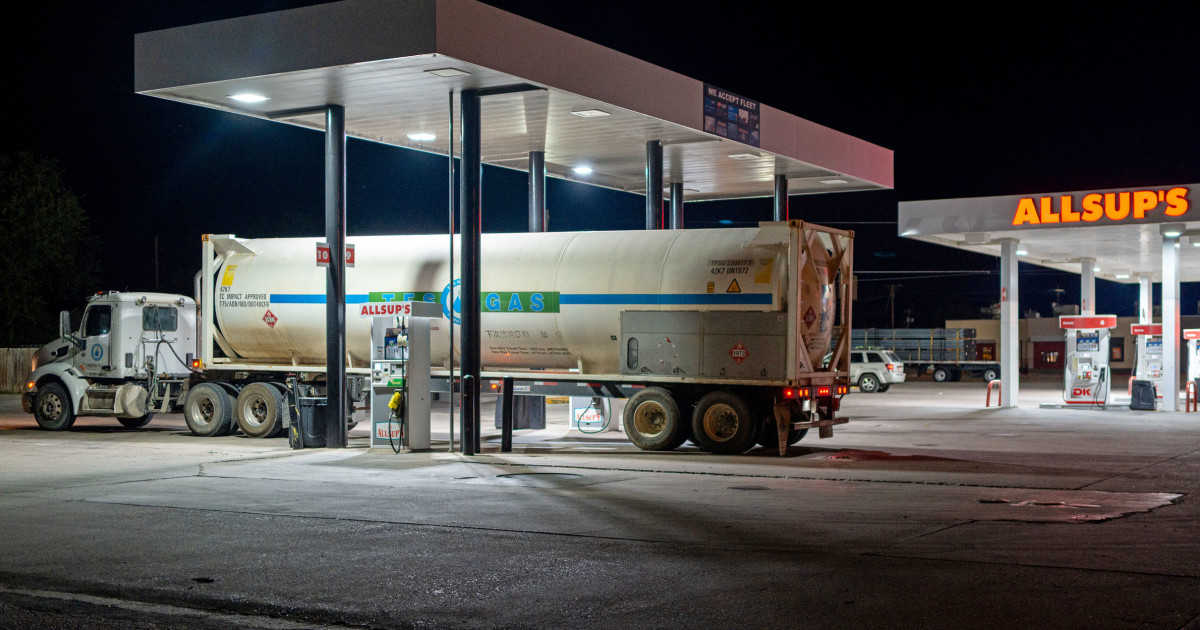
The announcement was in response to Trump’s threat to ban US exports of diesel.
asserted
announcement → ban → diesel
With the European Union and the UK heavily reliant on imports from the US and the northern winter looming, that was a very direct threat to their economies and societies – even though Trump now says, “we were never going to do it”.
asserted
we → loom → it
Trump, while toying with the idea of an export ban because record gasoline and diesel prices are hurting US consumers and farmers and adding to Republican fears of a wipeout at next month’s midterms, had been told by the US oil industry that a ban might produce short-term relief but could subsequently exacerbate the problem.
uncertain
ban → toy → problem
Their advice was that it would lead to a rapid increase in domestic inventories that would inevitably force US refiners and oil producers to cut their production of gasoline, diesel and jet fuel.
asserted
that → lead → gasoline
Trump’s bluff had some impact.
asserted
bluff → have → impact
After dipping below $US100 a barrel in response to the G7 announcement, however, the oil price bounced back up to more than $US102 a barrel.
asserted
price → dip → US102
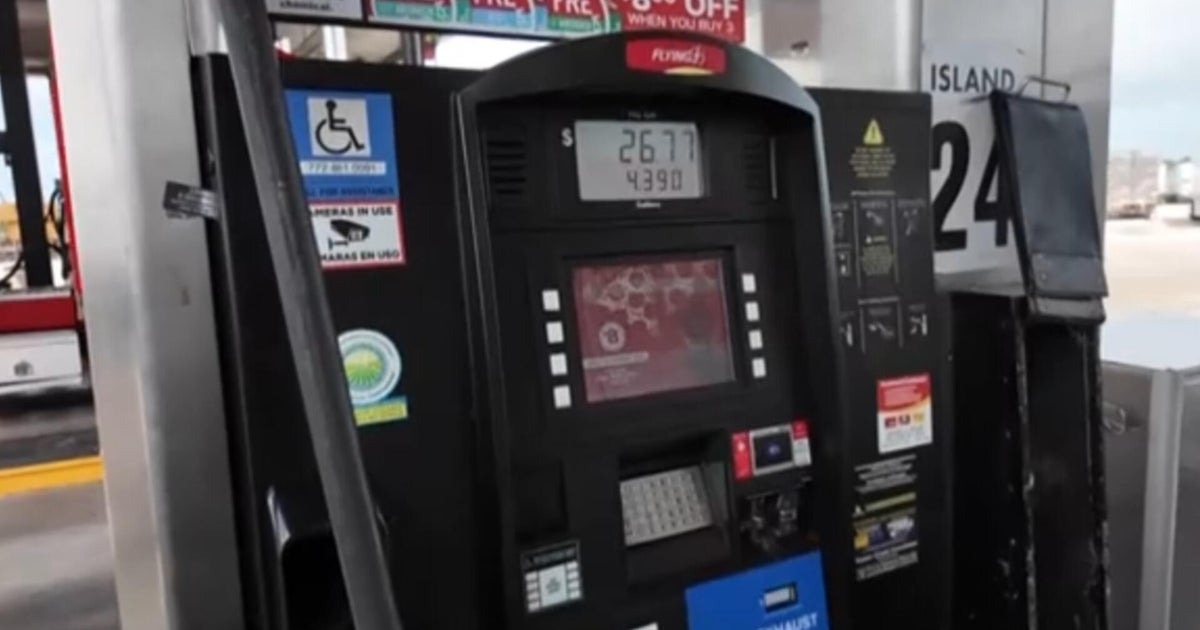
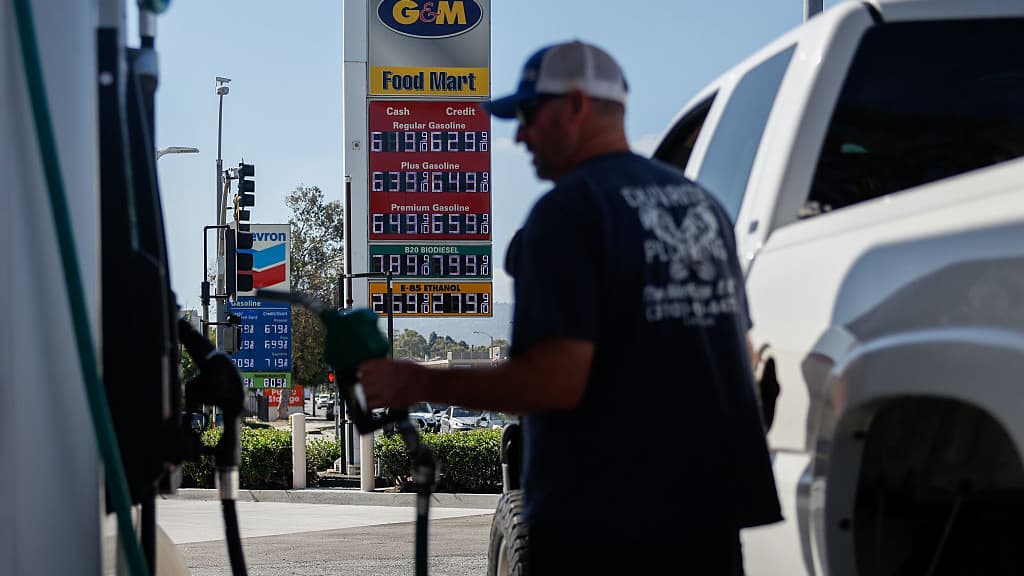
US gasoline and diesel prices edged down, but US gasoline prices are still 40 per cent higher than they were at this time last year and diesel is more than 70 per cent higher.
asserted
diesel → edge → time
The release is a palliative for the deep wounds in the world’s oil markets caused by Trump’s war in the Middle East.
asserted
release → cause → East
Releasing 100 million barrels of oil and oil products – and it is the products, particularly diesel, that matter – over four months represents an addition to global supply over less than a million barrels a day.
asserted
that → release → barrels
The G7 statement didn’t detail the split between oil and diesel releases, but the industry view seems to be that it will be roughly 50 million barrels of each.
asserted
it → detail → each
Unless and until the Strait of Hormuz is fully re-opened on pre-war terms, war-damaged refineries in the Middle East are back to full production and Russia, whose refineries have been very successfully targeted by Ukraine, resumes exports of refined product, the market for refined products will be short of supply relative to demand.
asserted
market → re → demand
While the US has claimed to have reopened the strait and says that volumes have been nearing pre-war levels, recent Iranian attacks on tankers transiting the strait – at least four and as many as seven have been targeted in the past week – have again reduced the flow of oil and its derivatives from the region.
asserted
four → claim → region
It’s also not just about flows.
asserted
It → ’ → flows
Before the war tanker rates to ship oil via the strait ranged from about $US30,000 a day to more than $US100,000, depending on the size of the tanker.
asserted
rates → ship → tanker
They’re now over $US800,000 a day.
asserted
They → ’re → ?
Insuring a tanker used to cost about $US250,000 pre-war.
asserted
Insuring → insure → US250,000
Now, where it is available – a lot of insurers have stopped providing coverage – it can cost up to $US10 million for the larger ships.
asserted
it → stop → ships
All those new risks and costs are built into oil prices and will remain there unless and until there is a conclusive end to hostilities in the region and something akin to the pre-war norms for transiting the strait are in place.
asserted
risks → build → place
It would also take months, even years, for the damage to Middle Eastern refineries to be remedied.
asserted
damage → take → refineries
Before the war, the Saudis were the world’s second-largest producer of diesel and produced more than 3 million barrels a day of refined products, although about half of that output was devoted to its domestic market.
asserted
half → produce → market
Releasing G7 stocks may provide temporary relief, but it doesn’t address that underlying shortfall of supply and, on the meantime, runs down the buffers available to deal with the potential for the future shocks that caused to reserves to be built.
uncertain
reserves → release → shocks
Despite the release, the market for diesel could tighten further.
uncertain
market → tighten → diesel
Russia – once the world’s second-largest exporter behind the US, has banned diesel exports until at least the end of this month (more likely indefinitely) because of the damage Ukraine has inflicted on its refining infrastructure.
asserted
Ukraine → ban → infrastructure
Ukraine has vowed to intensify those attacks.
asserted
Ukraine → vow → attacks
China – the world’s second-largest consumer of oil and refined products behind the US – has also, again, stopped refined product exports.
asserted
China → stop → exports
It was exporting about a million barrels a day before the war.
asserted
It → export → war
More fundamentally, those refineries unaffected by the war – predominantly in the US – are operating at near capacity levels, or around 95 per cent of capacity.
asserted
refineries → operate → capacity
The refineries are experiencing massive margins and generating enormous profits, but don’t have the ability to expand production meaningfully and their inventories of refined product have been run down.
asserted
inventories → experience → product
US refineries’ diesel inventories are at their lowest seasonal level since data on diesel stocks started being collected in 1982.
asserted
data → start → 1982
With global demand for refined products having recovered somewhat from its nadirs after the outbreak of the war, supply isn’t capable of responding significantly.
asserted
supply → recover → war
The release is a palliative for the deep wounds in the world’s oil markets caused by Trump’s war in the Middle East.
asserted
release → cause → East
The reserves release might temporarily close the gap, but it doesn’t resolve the underlying mismatch of supply and demand and creates the risk that, with depleted inventories, there’s less of a buffer to deal with a prolongation of the conflicts in the Middle East and Ukraine or some new threat to energy supplies.
uncertain
it → close → supplies
That suggests oil, gasoline and diesel prices will remain higher for longer.
uncertain
prices → suggest → ?
It is, of course, the refined product prices that matter – no-one pours crude into their tanks.
asserted
one → matter → tanks
A survey of US oil and gas executives by the Federal Reserve Bank of Dallas last month found that nearly half of them – 48 per cent – expected it would take more than a year for diesel prices to return to last year’s levels.
asserted
prices → find → levels
Trump’s anxiety about the impact of the near-record prices for gasoline and diesel in the US is well-founded.
asserted
anxiety → found → US
The higher costs of gasoline and, in particular, diesel – because its fuels trucks, freight trains, ships, tractors, construction machinery and has a host of other industrial applications are starting to feed into goods prices – are feeding into the costs of end-products to customers and the inflation rate.
asserted
trucks → have → customers
…and 4 more, not listed.
 The Aporia