Canada’s tariffs go into effect, spotlighting soured relations with U.S.
asserted
tariffs → go → U.S.
-
Click here to listen to this article -
- Canada’s tariffs cover roughly $20 billion in U.S. goods and impose duties of as much as 50% on a wide variety of products.
asserted
tariffs → click → products
- President Trump said Canada ‘has been ripping us off for years’ and threatened to respond by removing access for Canadian businesses to key American markets.
asserted
Canada → say → markets
A trade war between the United States and Canada entered a new phase Tuesday as Ottawa’s retaliatory tariffs on American goods took effect, escalating a dispute that has steadily strained relations between the allies.
asserted
that → enter → allies
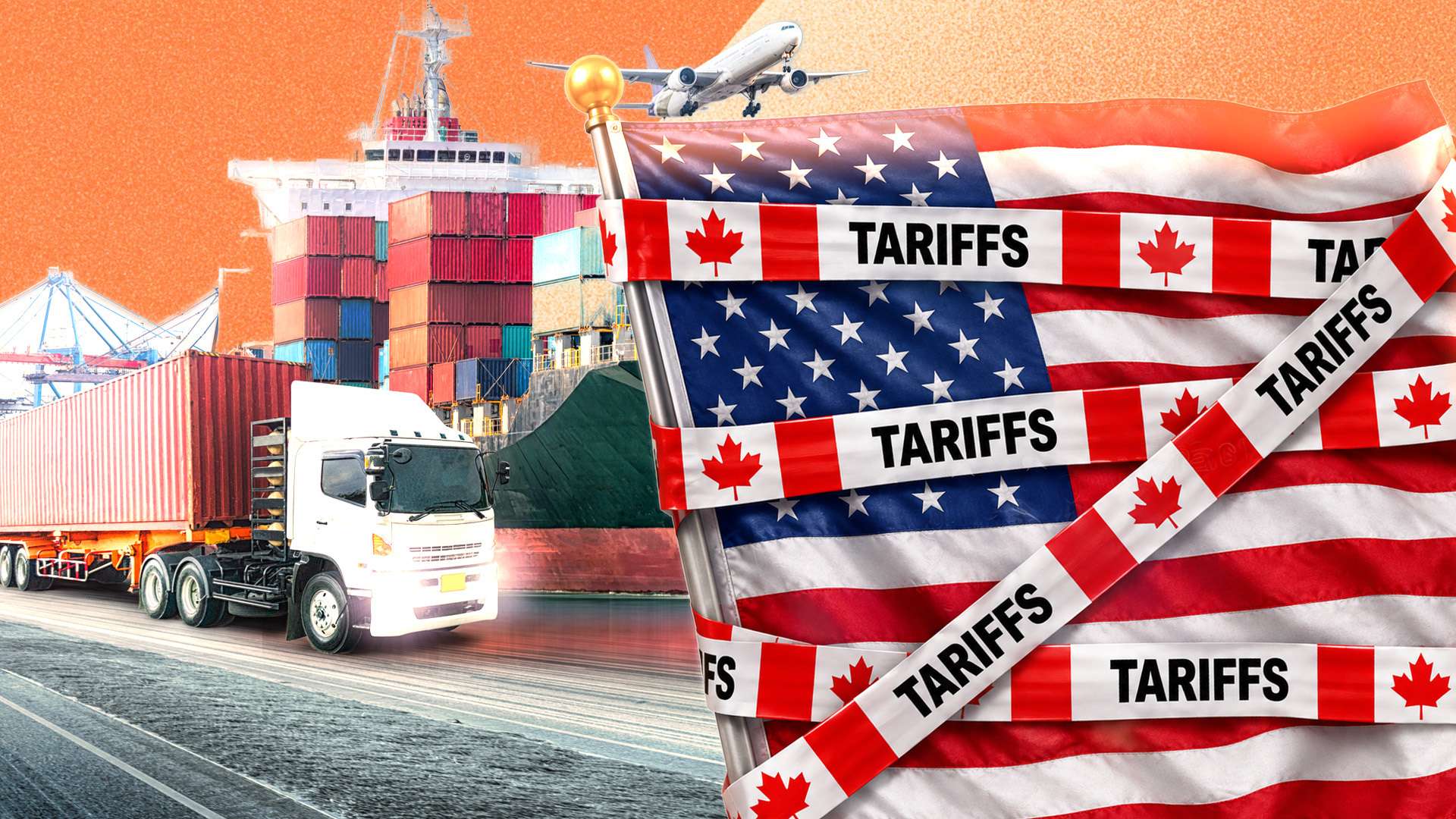
Canada’s tariffs, which came into force just after midnight, cover roughly $20 billion in U.S. goods and impose duties of as much as 50% on products, from steel and aluminum to farm equipment, clothing and electronics.
asserted
which → come → equipment
The list also reaches into the everyday commerce that binds the two economies, including cheese, seafood and cosmetics.
asserted
that → reach → cheese
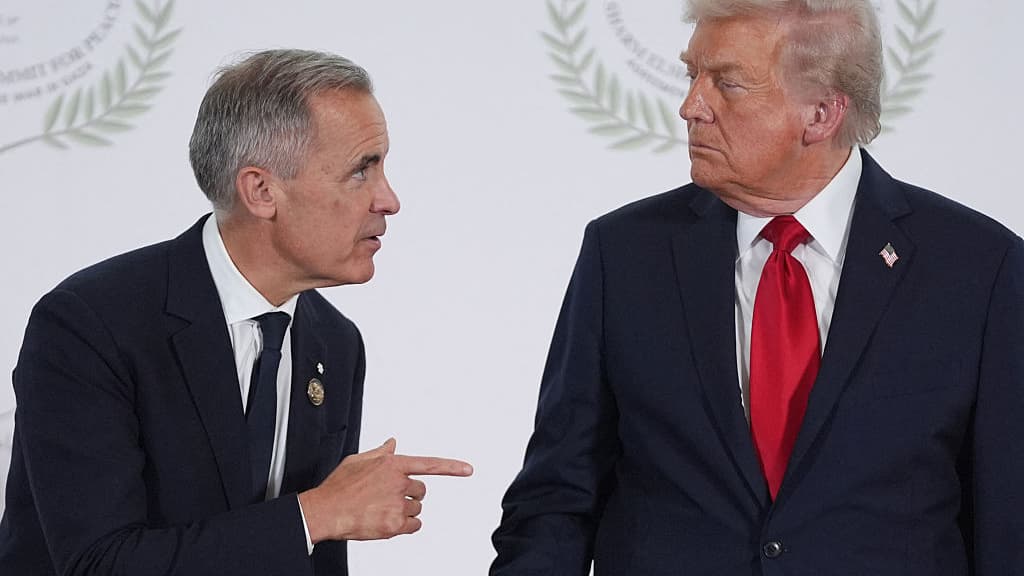
It was the latest sign that relations between the two neighbors have reached their lowest point in decades, after Trump dismissed Canada as the 51st American state, moved to rename Lake Ontario and mocked its armed forces.
asserted
Trump → reach → forces
Ottawa’s latest measures are a response to tariffs imposed by President Trump last month on Canadian exports.
asserted
measures → impose → exports
The two governments had appeared close to a trade deal just a month ago.
asserted
governments → appear → deal
But talks broke down in dramatic fashion, leaving both sides aggrieved and accusing the other of negotiating in bad faith.
asserted
talks → break → faith
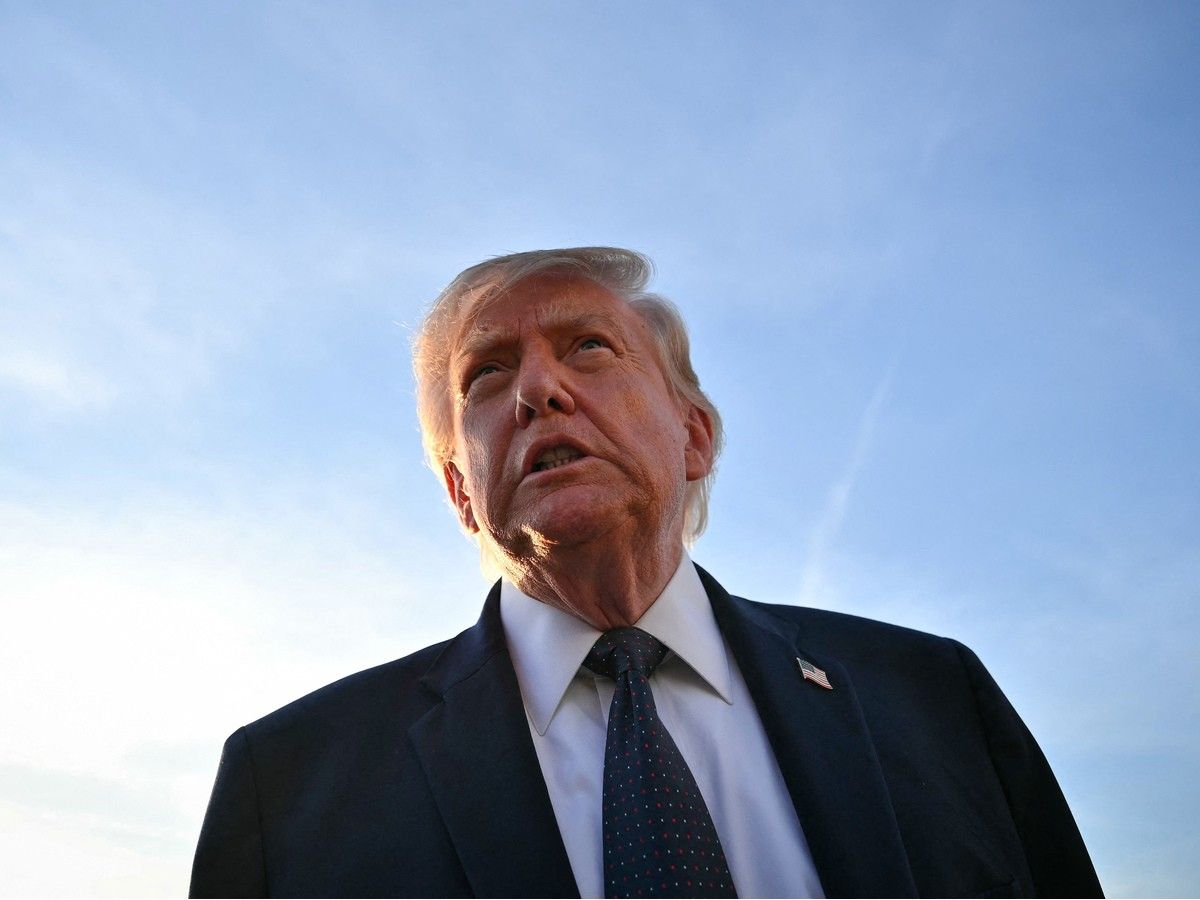
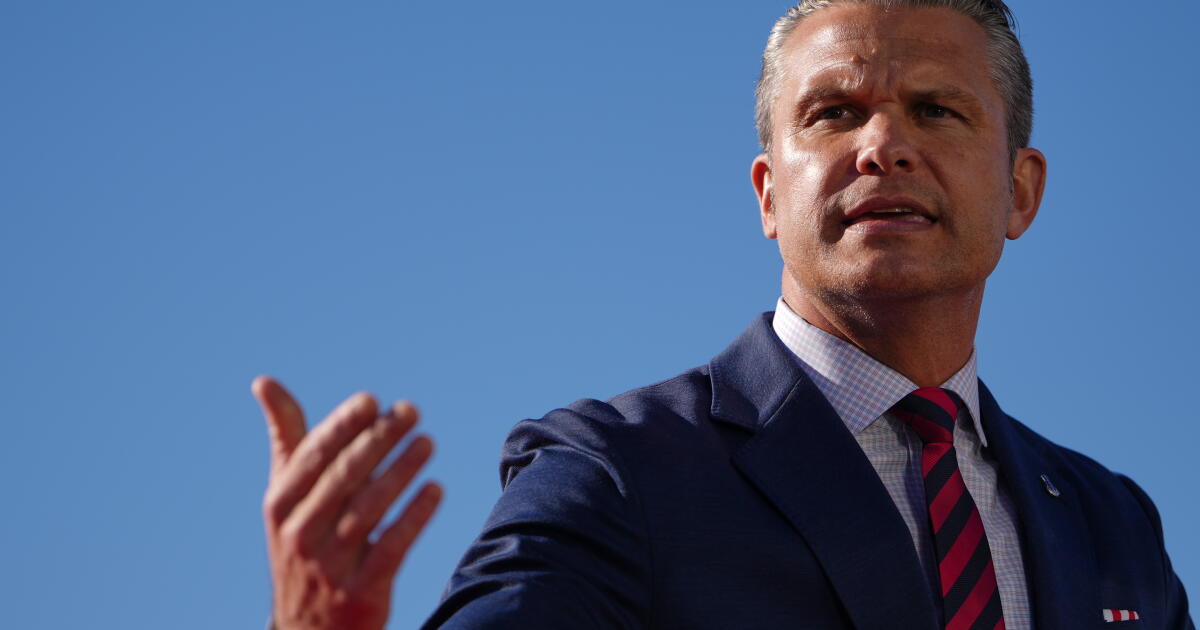
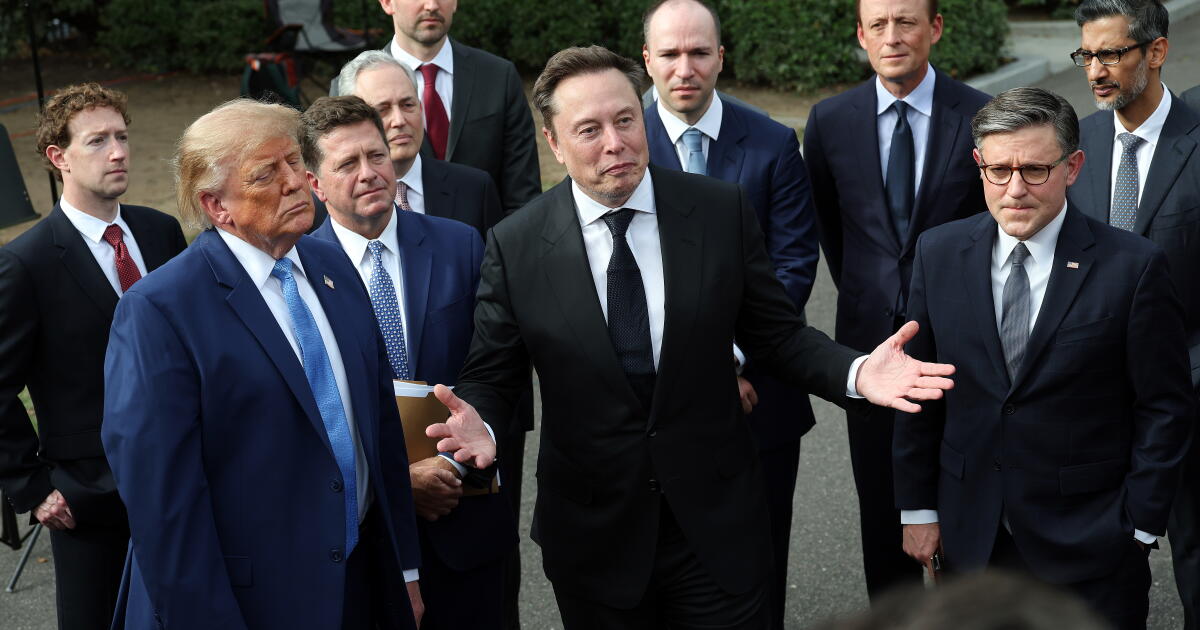
In a post Tuesday, Trump said Canada “has been ripping us off for years” and threatened to respond by removing access for Canadian businesses to key American markets.
asserted
Canada → say → markets
“What many do not realize is that the Canadian Government, including Canadian Provinces, have banned American Small Businesses and Companies from selling into their Government Procurement Markets,” Trump wrote.
asserted
Trump → realize → Markets
“This is the case even though Canada gets broad access into the massive American Government Procurement Market, including those of our States.
asserted
Canada → get → States
From now on, NO RECIPROCITY — NO ACCESS!” he continued.
asserted
he → continue → RECIPROCITY
“I am hereby directing the [General Services Administration], working with the [U.S. Trade Representative], to take all necessary steps to REMOVE Canadian-origin products from GSA’s Multiple Award Schedules unless Canada restores full and fair reciprocity for American Farmers and Companies.
asserted
Canada → direct → Farmers
President Trump has threatened to ban the sale of aircraft from Canada’s Bombardier unless it manufactures planes in the United States
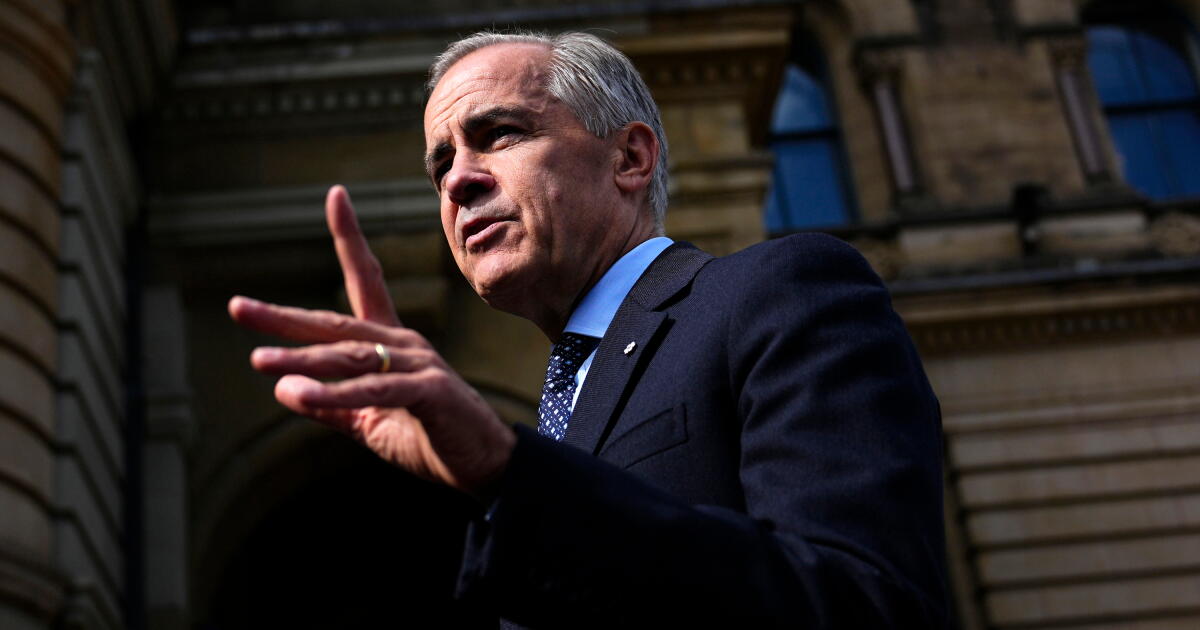
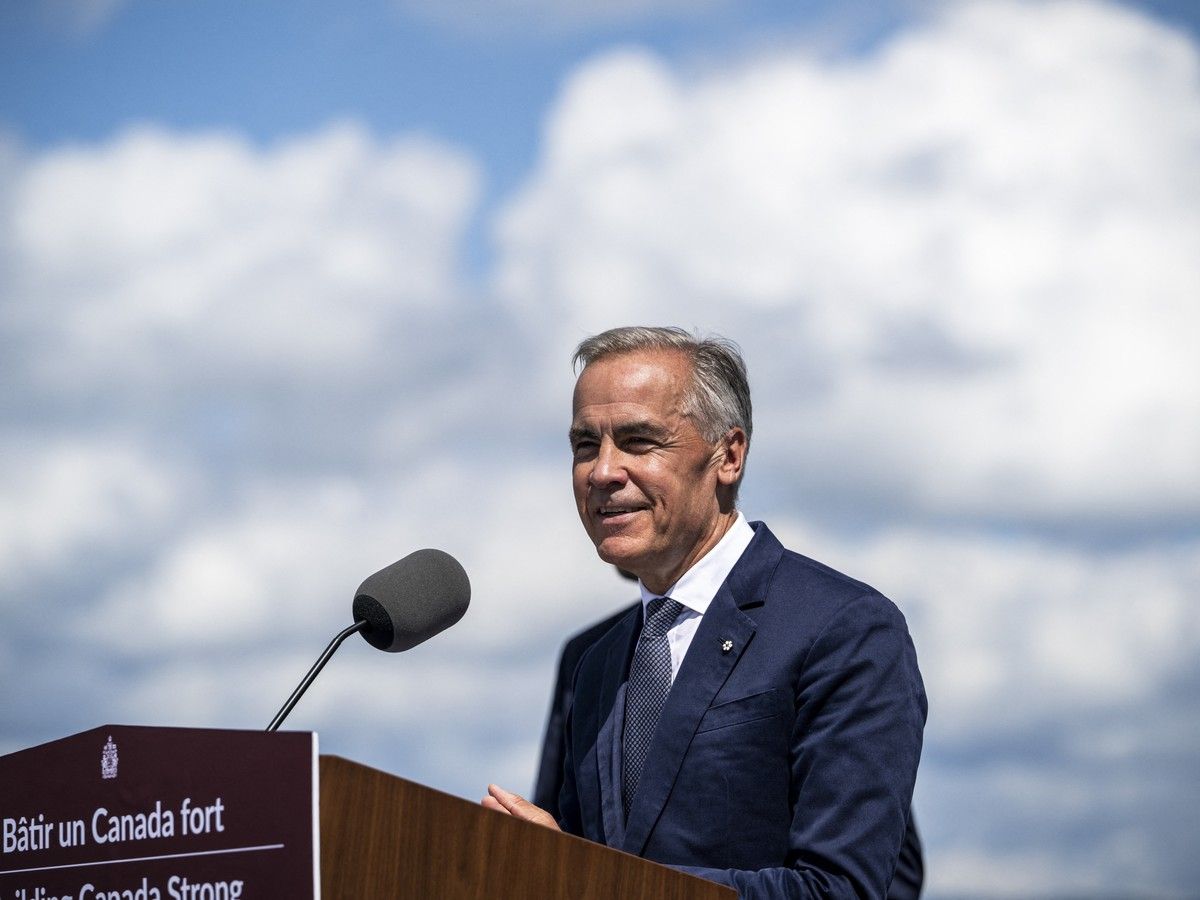
Canada’s prime minister, Mark Carney, has characterized the confrontation as more than a dispute over tariffs, arguing that demands by a bullying Trump administration threaten Canada’s economic independence.
asserted
demands → threaten → independence
In a video released Tuesday, Carney argued that in the past, the United States has tried to use tariffs to “break us,” only to have Canada’s economy grow stronger and more diversified.
asserted
economy → release → us
He urged Canadians to buy Canadian and break economic dependency from the United States.
asserted
He → urge → States
“This won’t be easy, and I won’t pretend otherwise,” Carney said.
asserted
Carney → pretend → ?
“But Canadians have faced difficult stretches before, and what has carried us through has never ever been any one measure.
asserted
carried → face → us
It’s always been Canadians looking out for each other.”
asserted
It → look → other
Trump, meanwhile, has pressed Canada to make concessions on trade and has warned of further tariffs, including potentially higher duties on Canadian automobiles.
asserted
Trump → press → automobiles
He also threatened to ban the sale of aircraft from Canada’s Bombardier unless its products are manufactured in the United States.
asserted
products → threaten → States
“If they want our Market, they must build here, and stop treating America like a ‘piggybank,’” Trump wrote on Truth Social on Monday.
asserted
Trump → want → Monday
Earlier Monday, Trump posted an image showing Mexico, Canada, Central America, Greenland and Caribbean nations with the colors of the American flag.
asserted
Trump → post → flag
He also posted a caricature of him and Carney playing hockey in which Trump tells him: “Get up, Governor.”
asserted
Trump → post → him
Both sides stand to lose in a trade war poised to hurt businesses large and small across the world’s longest international border.
asserted
sides → stand → border
A prolonged economic conflict poses long-term risks for Canada, which faces price hikes and investment losses from the United States, by far its largest trading partner.
asserted
which → pose → States
But Americans may also confront higher costs at a time when inflation is already a stubborn problem for the Trump administration.
uncertain
inflation → confront → administration
And the trade war may be felt most in northern border states set to hold midterm elections that could swing control of the U.S. Senate, becoming yet another political challenge for embattled Republican lawmakers.
uncertain
that → feel → lawmakers
In Maine, Republican Sen. Susan Collins, who is seeking reelection, has called Trump’s tariffs “a mistake.”
asserted
who → seek → tariffs
In Michigan, Democratic Senate nominee Abdul El-Sayed released a video Tuesday highlighting everyday goods that have risen more than 30% over the last year, including Tide Pods, toilet paper and Tim Hortons coffee, as the trade conflict and war in Iran drive up costs.
asserted
conflict → release → costs
American alcohol has also been the target of boycotts imposed by several Canadian provinces since March 2025 in response to earlier tariffs on Canadian goods by Trump.
asserted
alcohol → impose → Trump
An acrimonious trade war between the United States and Canada is threatening to reinforce the resolve of Canadians who stopped visiting the U.S. last year
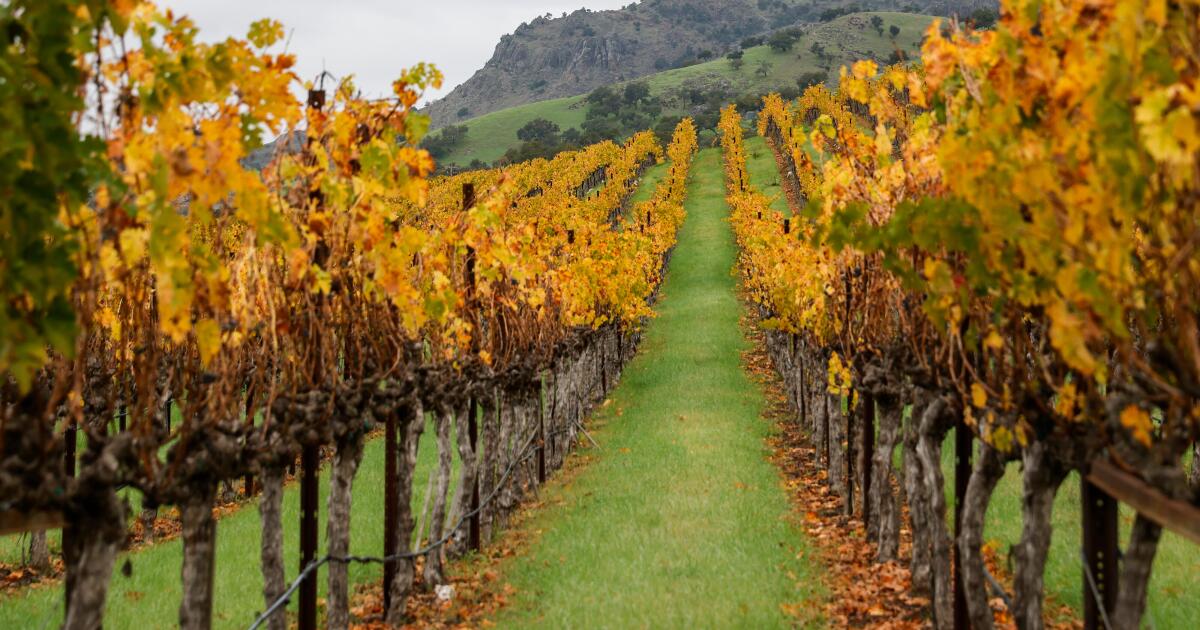
The boycotts since then have erased roughly $360 million in revenue for the U.S. wine industry, according to a Wine Institute report, which represents California wineries.
uncertain
which → threaten → wineries
Canada makes up more than 35% of the export market for U.S. wine, more than the EU, U.K. and China markets combined.
asserted
Canada → make → markets
One Sonoma winery referenced in the report said Canada made up about 85% of its international sales.
asserted
Canada → reference → sales
Multiple wineries have had to lay off employees because of hits to their business.
asserted
wineries → have → business
“It’s had a tremendous negative impact,” said Julie Berge, vice president of communications at the Wine Institute.
asserted
Berge → have → Institute
Wine is not the only California business that has taken a hit — tourism has also seen a sharp decline in arrivals from Canada.
asserted
tourism → take → Canada
In 2025, visitors from the country dropped by 20%.
asserted
visitors → drop → %
…and 5 more, not listed.
 The Aporia