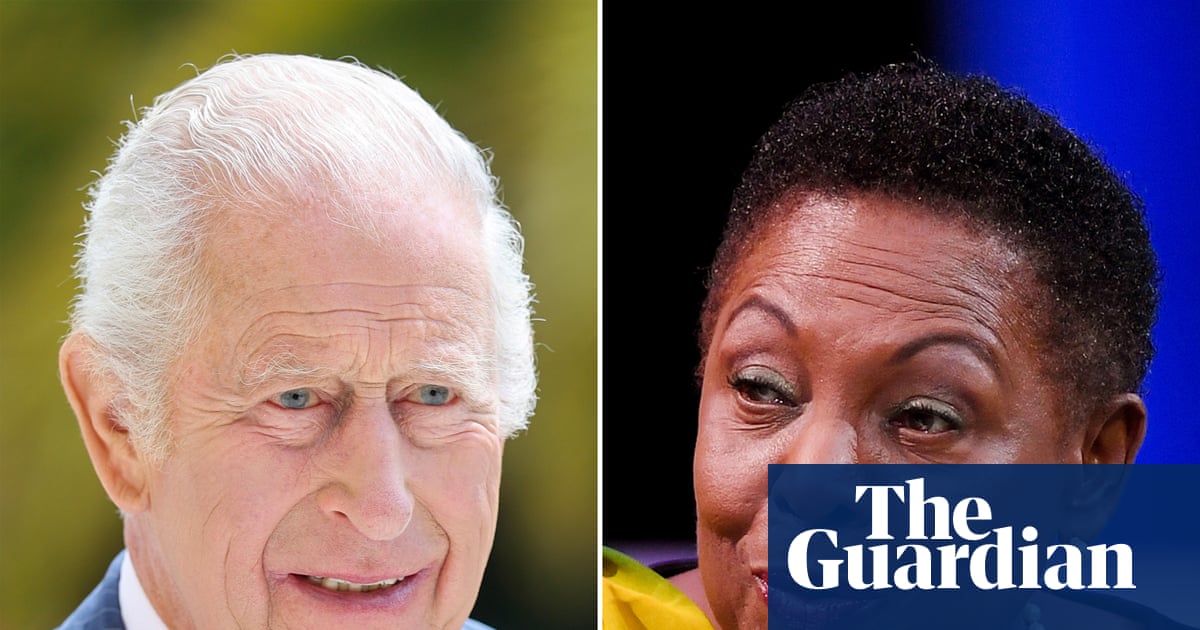
Olivia Grange, the Jamaican culture minister, is leading a delegation in London asking King Charles to seek legal advice on whether Britain should pay reparations for slavery. The petition, filed by Jamaica and endorsed by other Caribbean nations, asks the Judicial Committee of the Privy Council to consider whether the transport of enslaved Africans was lawful and if Britain owes a "reparatory remedy". Grange is "encouraged" by Buckingham Palace's engagement with the process, while King Charles has expressed personal regret over slavery in the past. Jamaica wants reparations to address ongoing economic underdevelopment and social inequality stemming from slavery, which affected at least 12.5 million Africans between the 15th and 19th centuries.
Written by the local model on 2026-09-07,
using this article's own text rather than the other coverage of the
same event (that is the story summary below).
Story summary
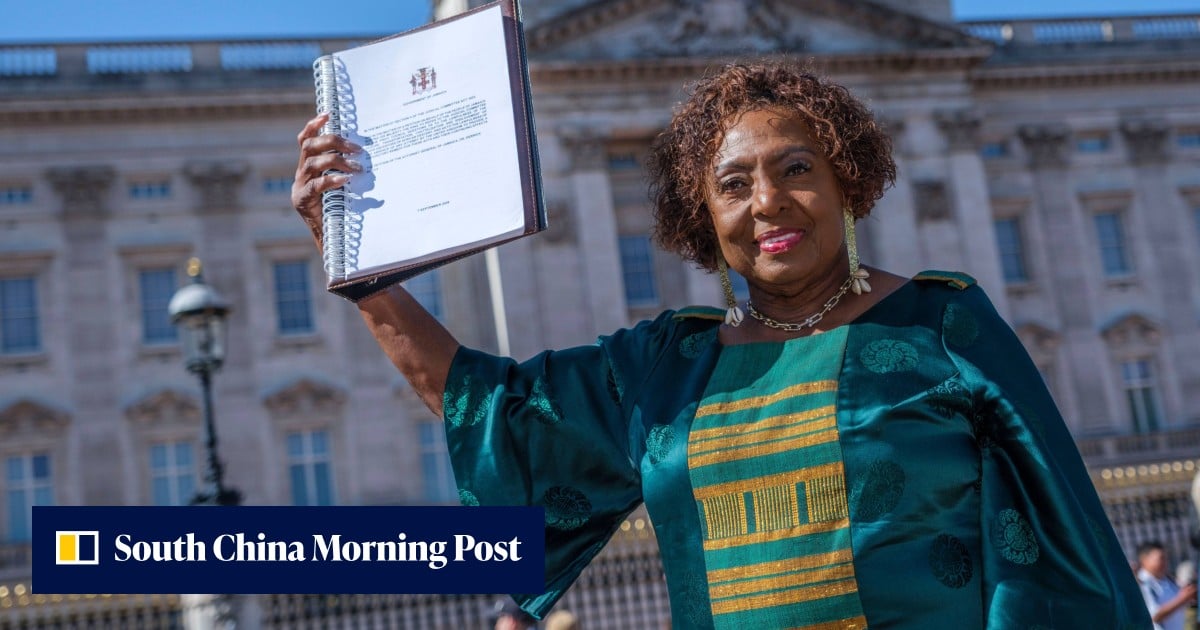
The Jamaican government has filed a petition with King Charles III seeking reparations for the transatlantic slave trade. The petition asks three questions: whether the enslavement of Africans in Jamaica was legal under English law, whether it broke international law, and whether Britain now has a legal duty to provide redress. The petition is the first time a Commonwealth country has used this particular legal route to pursue reparations. The Jamaican government hopes that answers to these questions will pave the way for a "long outstanding settlement" for the hundreds of years of abuse suffered by African ancestors in Jamaica. The delegation, led by Culture Minister Olivia Grange, also plans to meet with British Museum officials to discuss the repatriation of cultural artifacts taken from Jamaica during the colonial era. Jamaica is seeking £7.6 billion in reparations for slavery, and hopes that answers to these questions will be a step towards this goal.
Written for “Jamaica Slavery Reparation Demand” on 2026-09-07,
grounded in this article and the 7 other(s) covering the same event.
Why this leaning score
The article's own words the score was based on. Each is quoted
verbatim and was checked against the article text before being
stored, so you can find it in the original.
Leaning score -0.35 for article 6898 (high confidence, 1 verified quote) · logged 2026-09-07
The Jamaican government on Monday formally asked King Charles to seek legal advice on whether Britain should pay reparations for slavery, with the country's culture minister saying she is "encouraged" by the engagement of Buckingham Palace so far.
asserted
she → ask → Palace
Olivia Grange is leading a Jamaican delegation in London which filed a petition asking Charles to refer three questions about transatlantic slavery to the Judicial Committee of the Privy Council (JCPC).
asserted
which → lead → Council
Jamaica wants the JCPC, the final court of appeal for UK overseas territories and some Commonwealth nations, to consider whether the transport of enslaved Africans to Jamaica and their enslavement was ever lawful and whether Britain is legally obliged to provide a reparatory remedy.
asserted
Britain → want → remedy
Charles – who remains Jamaica's head of state, though the country has taken steps towards removing him from that role – has previously expressed deep sorrow over slavery in a speech to Commonwealth leaders in 2022.
asserted
country → remain → 2022
Britain, like other former colonial powers, has so far rejected demands for reparations, though Grange said she saw promise in how Buckingham Palace had helped with the process of filing Jamaica's petition.
"
asserted
Palace → reject → petition
We're not pre-empting the process, but we are encouraged," she told Reuters, shortly before the petition was formally filed.
asserted
petition → pre → Reuters
A Buckingham Palace spokesperson said Charles "has on many occasions expressed his personal and wholehearted commitment to promoting greater understanding around the issue of slavery and finding ways to address historic wrongs for the benefit of communities today".
asserted
Charles → say → communities
REPARATIONS SOUGHT TO ADDRESS SLAVERY'S LEGACY
asserted
REPARATIONS → seek → LEGACY
At least 12.5 million Africans were kidnapped, forcibly transported by European ships and sold into slavery from the 15th to the 19th centuries.
asserted
Africans → kidnap → centuries
Advocates have long called for reparations to address the ongoing legacy of slavery, such as economic underdevelopment and social inequality.
asserted
Advocates → call → underdevelopment
"There's so much that has impacted negatively on Jamaica as a result of the enslavement of our ancestors," Grange said.
asserted
Grange → be → ancestors
"We feel it is important that going forward there is some support that would help us to build back stronger."
asserted
us → feel → ?
Jamaica's petition, which is endorsed by the Caribbean Community and Ghana's President John Dramani Mahama, comes after a U.N. committee last month said countries were legally obliged to consider reparations and take other measures for the transatlantic slave trade to address its enduring legacy.
asserted
trade → endorse → legacy
Many European leaders, though, have opposed even talking about the issue and critics argue that today's states and institutions should not be held responsible for slavery.
asserted
states → oppose → slavery
There has been a growing backlash towards the idea of reparations and Britain's right-wing populist Reform UK, led by Nigel Farage, in April proposed denying visas to people from countries seeking reparations, which include Jamaica.
asserted
which → grow → Jamaica
Grange, however, said that momentum was building for the campaign:
asserted
momentum → say → campaign
There will always be some negative responses, but we stay focused."
asserted
we → stay → ?