News | Mail Online
· collected 2026-09-06 · by Neil Sears, Rebecca English
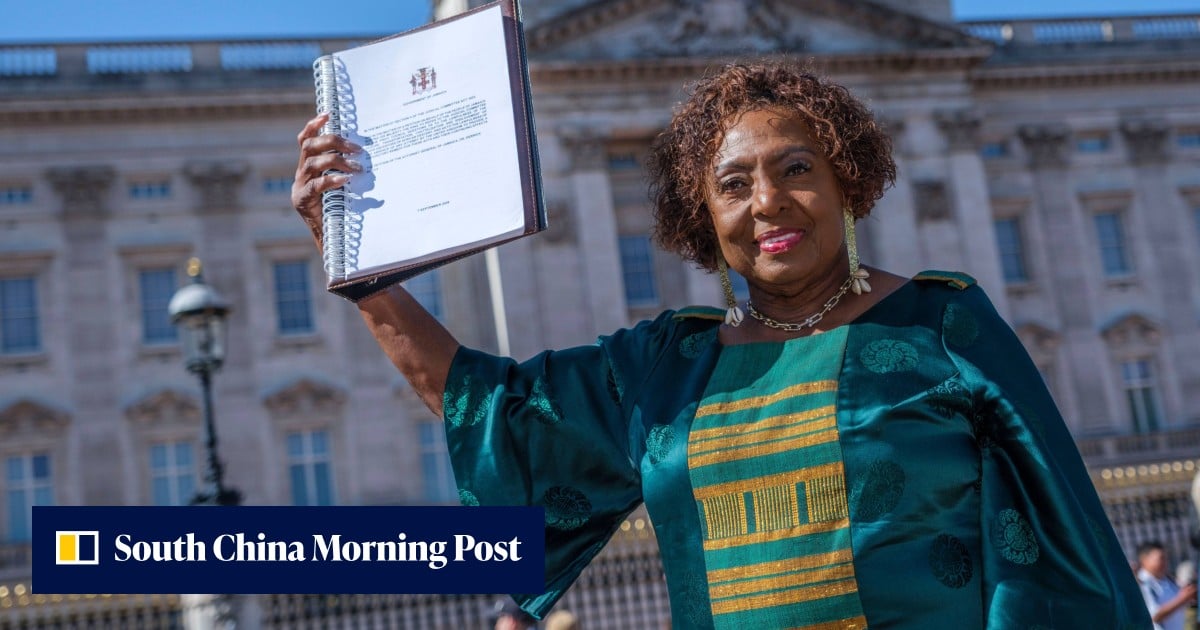
Jamaica's culture minister Olivia Grange has arrived in London with a petition for £7.6billion in reparations for slavery, to be delivered to King Charles. The petition argues that Britain should have paid compensation to slaves, not slave owners, after abolishing slavery in 1833, and now has a legal duty to provide redress. Grange plans to submit three questions to the Privy Council, including whether enslavement was legal under English law. British governments have maintained they will not pay slavery reparations.
Written by the local model on 2026-09-07,
using this article's own text rather than the other coverage of the
same event (that is the story summary below).
Story summary
Jamaica's culture minister, Olivia Grange, is leading a delegation to London to file a petition with King Charles III, asking him to refer three questions about the transatlantic slave trade to the Judicial Committee of the Privy Council, Jamaica's highest court of appeal. The petition is part of Jamaica's push for reparations for the African ancestors who suffered under hundreds of years of enslavement. Grange said that up to 2015, Britain was paying off debt linked to slave-owner compensation, and if they were still paying back slave masters for their "property" (i.e., people), then it's only fair that they consider providing some remedy at this time.
The three questions in the petition are: whether the enslavement of Africans in Jamaica was legal under English law; whether it broke international law; and whether Britain now has a legal duty to provide redress. This is a landmark case, as it's the first time a Commonwealth country has used this legal route to pursue reparations.
The Jamaican delegation will also meet with British Museum officials to discuss the repatriation of cultural artifacts taken from Jamaica during the colonial era. The petition does not demand payment but rather seeks answers and guidance on the matter.
Written for “Jamaica's Slavery Reparations Petition” on 2026-09-07,
grounded in this article and the 6 other(s) covering the same event.
Why this leaning score
The article's own words the score was based on. Each is quoted
verbatim and was checked against the article text before being
stored, so you can find it in the original.
-
Up to 2015, Britain was paying the slave masters because we were considered property.
left frames enslavement as a property issue
-
if in modern times we're still paying back the slave masters for the 'property' that was our ancestors, because of the abolition of slavery, why shouldn't we be pursuing some remedy at this time?
left argues for reparations based on historical injustice
-
His Majesty has on many occasions expressed his commitment to finding ways to address historic wrongs for the benefit of communities today.
left quotes King Charles' statement as supporting reparations
Leaning score -0.65 for article 6268 (high confidence, 3 verified quotes) · logged 2026-09-07
- See more Daily Mail on Google - save us as a Preferred Source
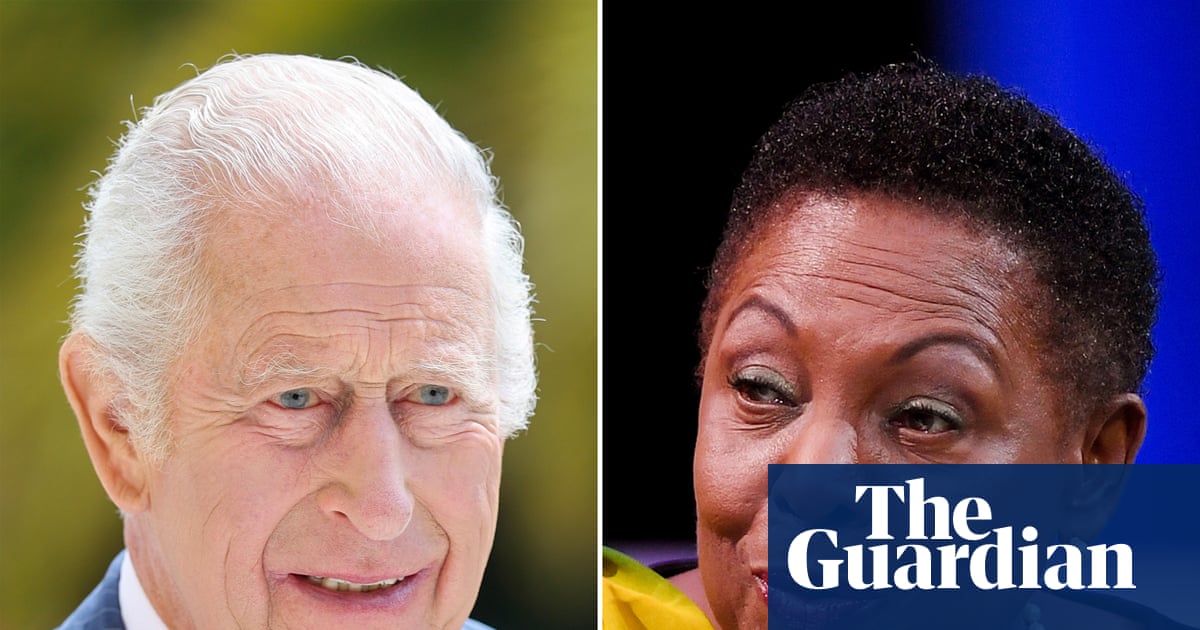
Jamaica is stepping up a campaign for £7.6billion in reparations for slavery by lobbying King Charles.
A government delegation has arrived in London with a petition for Buckingham Palace.
Jamaica hopes answers to questions in the petition, plus talks with the Foreign Office, are steps towards a massive payout by UK taxpayers.
asserted
answers → see → taxpayers
The bid to entangle the King in the campaign focuses on the fact that in 1833, after Britain led the world by banning slavery, it paid compensation to slave owners, not to slaves.
asserted
it → entangle → slaves
The £20million bill, amounting to 40 per cent of the Treasury's annual income, meant Britain had to take out a huge loan, which was only paid off in 2015.
asserted
which → amount → 2015
Jamaican culture minister Olivia Grange said on arrival in the UK: 'Up to 2015, Britain was paying the slave masters because we were considered property.
'
asserted
we → say → masters
The question really should be: if in modern times we're still paying back the slave masters for the 'property' that was our ancestors, because of the abolition of slavery, why shouldn't we be pursuing some remedy at this time?
asserted
we → pay → time
She accepted some UK taxpayers might object but said the majority 'may consider answers are required'.
uncertain
answers → accept → ?
The petition will be given to Charles as Jamaica's head of state, asking him to put three questions to the Privy Council.
asserted
petition → give → Council
Those questions are: whether the enslavement of Africans in Jamaica was legal under English law; whether it broke international law; and whether Britain now has a legal duty to provide redress.
asserted
Britain → break → redress
The Privy Council's Judicial Committee remains the highest court of appeal for Commonwealth countries and its five judges could consider the questions.
uncertain
judges → remain → questions
British governments have maintained they will not pay slavery reparations.
asserted
they → maintain → reparations
A royal source said the King has no personal discretion in making referrals to the Privy Council.
asserted
King → say → Council
But a Buckingham Palace spokesman said: 'His Majesty has on many occasions expressed his commitment to finding ways to address historic wrongs for the benefit of communities today.'
asserted
Majesty → say → communities
More than 12million Africans were taken across the Atlantic to the Americas from the 16th to 19th centuries, many to British sugar plantations in Jamaica.
asserted
Africans → take → Jamaica
Ms Grange is also meeting British Museum executives to ask for the return of three carvings found in a cave in 1792 and taken to the UK.
asserted
Grange → meet → UK
One is of a birdman, another of a rain-making god and the third was used in taking drugs in rituals.
They were created by the island's original inhabitants the Taino, who were wiped out by the arrival of Europeans, many from disease.
asserted
who → make → disease