Claims extracted
18
sentences that state something as happening or true
Uncertain
11%
2 of 18 hedged
("reportedly", "may", "according to")
Leaning
Leans left
of the writing, not the subject · beta estimate
Publisher signals
69/100
BBC News's corrections and
hedging, across everything collected from it. Not a measure of accuracy.
Outlets on this story
8
Politics
Same framing elsewhere
1
articles that frame the event the way this one does
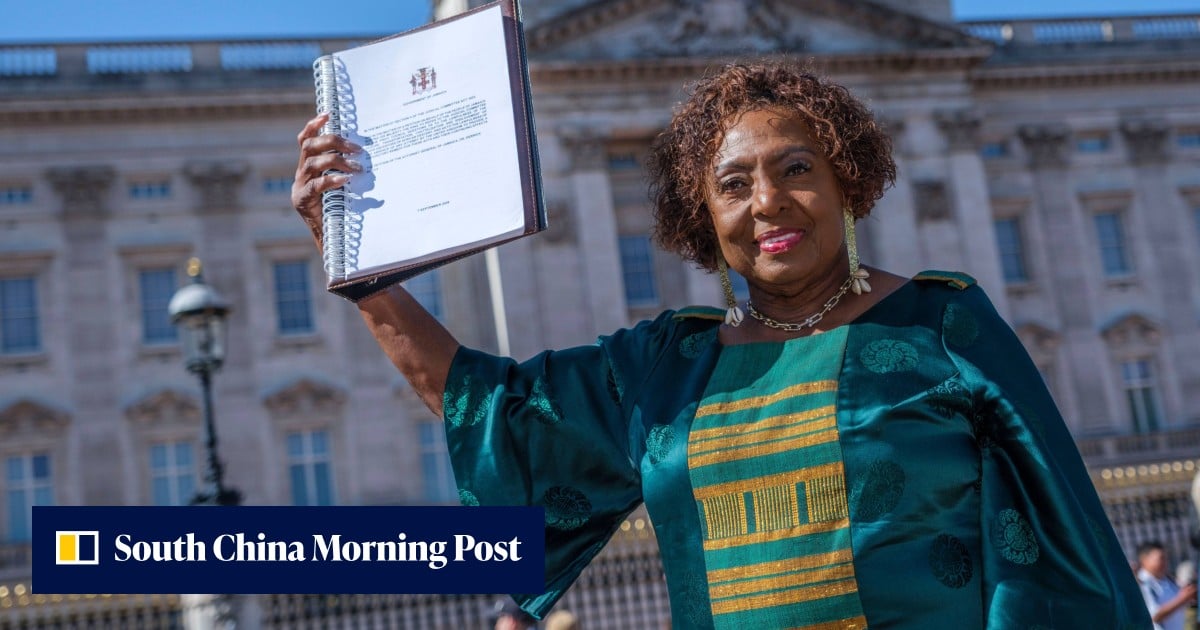
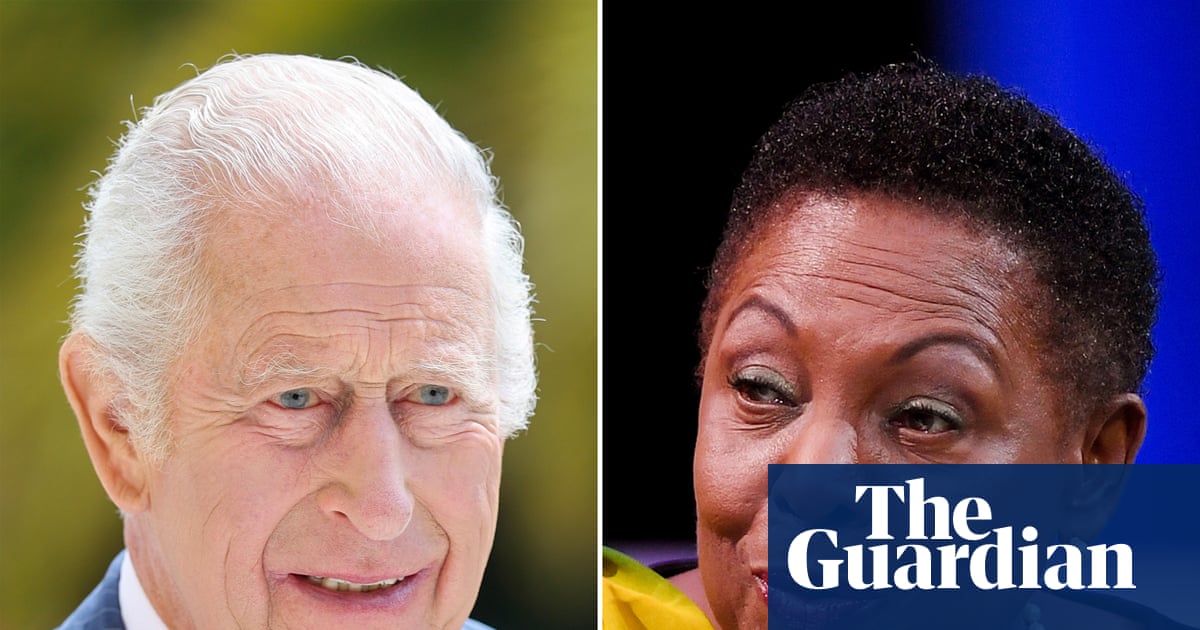
The Jamaican government will highlight to King Charles a petition over slavery reparations on Monday, the country's culture minister Olivia Grange has said.
asserted
minister → highlight → Monday
It will ask the King, who serves as Jamaica's head of state, to refer three questions to the Judicial Committee of the Privy Council, the country's highest court, over the legality of the enslavement of Africans in Jamaica.
asserted
who → ask → Jamaica
Grange said it could pave the way for a "long outstanding settlement for the hundreds of years of the most horrific abuse that our African ancestors endured".
uncertain
ancestors → say → that
She will also meet with British Museum officials to discuss the repatriation of artefacts taken during the colonial era.
asserted
She → meet → era
The three questions which the Jamaican government is asking the King to refer to the Judicial Committee of the Privy Council (JCPC) are: whether the enslavement of Africans in Jamaica was legal under English law, whether it broke international law, and whether Britain now has a legal duty to provide redress.
asserted
Britain → ask → redress
The petition, which is not a demand for payment, goes to the King who then refers it to the JCPC.
asserted
who → go → JCPC
King Charles has no personal discretion in deciding whether to make a referral.
asserted
Charles → have → referral
Grange said: "Once we get the answers, or once we get a response to those questions, then the next steps will be determined."
Buckingham Palace has been working closely with the Governor General of Jamaica to ensure the petition is correctly lodged.
asserted
petition → get → Jamaica
A Palace spokesperson said: "His Majesty has on many occasions expressed his personal and wholehearted commitment to promoting greater understanding around the issue of slavery and finding ways to address historic wrongs for the benefit of communities today."
asserted
Majesty → say → communities
When slavery was abolished across most of the empire in 1833, the British government paid £20m to slave owners in compensation.
asserted
government → abolish → compensation
The loans taken out to raise the money were paid off in 2015.
asserted
loans → take → 2015
Grange said: "Up to 2015, Britain was paying the slave masters, because we were being considered property.
asserted
we → say → masters
The question really should be: if in modern times we're still paying back the slave masters for the property that was our people, our ancestors, for property that was because of the abolition of slavery, then why shouldn't we be pursuing some remedy at this time?"
asserted
we → pay → time
Grange will also meet with British Museum officials to "advance discussions on the repatriation of artefacts" taken from Jamaica during the colonial era.
asserted
Grange → meet → era
She said: "They are priceless, they are significant to the story of Jamaica and we are working to bring them home."
asserted
we → say → them
In 2015, David Cameron, who was prime minister at the time, ruled out making reparations for Britain's role in the historic slave trade, while visiting Jamaica.
asserted
who → rule → Jamaica
Speaking to MPs in Jamaica's parliament, Cameron said slavery was "abhorrent in all its forms".
asserted
slavery → speak → forms
He added that he hoped they could "move on from this painful legacy and continue to build for the future".
uncertain
they → add → future
 The Aporia