Al Jazeera – Breaking News, World News and Video from Al Jazeera
· collected 2026-09-07 · by Al Jazeera Staff
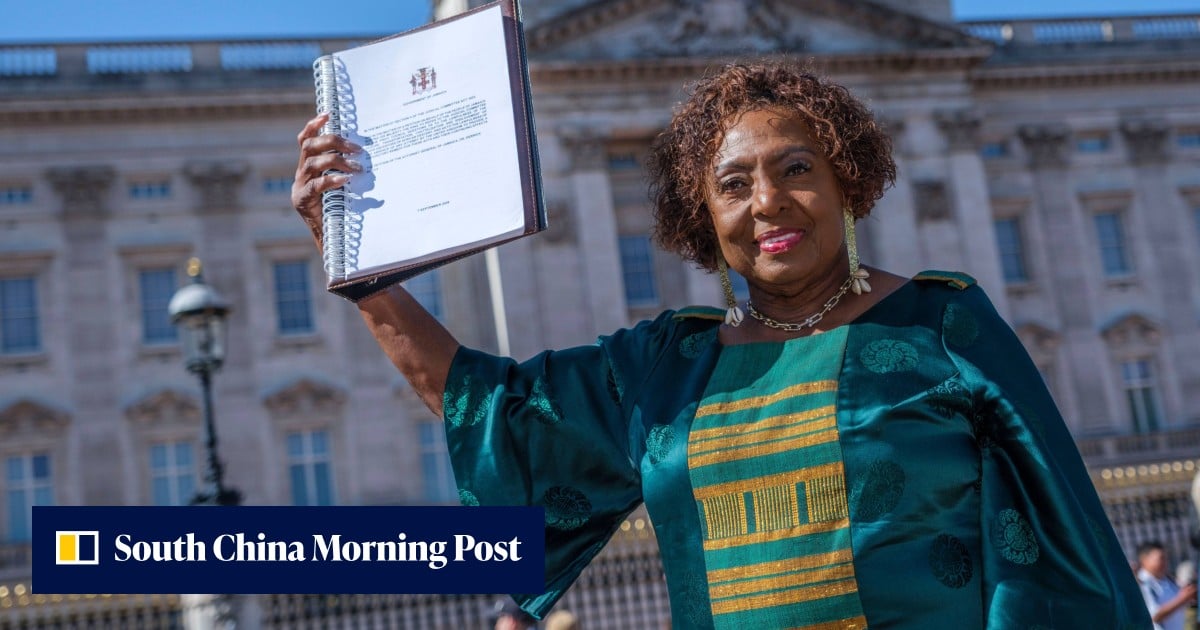
A Jamaican delegation led by Minister Olivia Grange will file a petition with King Charles III during his visit to London, seeking legal guidance on reparations for centuries of enslavement. The petition asks three questions: whether the transatlantic slave trade was legal under English common law, if it violated international law, and if the UK has a legal obligation to provide remedies for the harm caused by slavery. Jamaica's Ministry of Culture estimates that the country is owed around $10bn in reparations, although the UK has repeatedly refused to pay. The petition will be submitted to the Judicial Committee of the Privy Council, Jamaica's highest court of appeal based in London.
Written by the local model on 2026-09-07,
using this article's own text rather than the other coverage of the
same event (that is the story summary below).
Story summary
Jamaica's culture minister, Olivia Grange, is leading a delegation to London to file a petition with King Charles III, asking him to refer three questions about the transatlantic slave trade to the Judicial Committee of the Privy Council, Jamaica's highest court of appeal. The petition is part of Jamaica's push for reparations for the African ancestors who suffered under hundreds of years of enslavement. Grange said that up to 2015, Britain was paying off debt linked to slave-owner compensation, and if they were still paying back slave masters for their "property" (i.e., people), then it's only fair that they consider providing some remedy at this time.
The three questions in the petition are: whether the enslavement of Africans in Jamaica was legal under English law; whether it broke international law; and whether Britain now has a legal duty to provide redress. This is a landmark case, as it's the first time a Commonwealth country has used this legal route to pursue reparations.
The Jamaican delegation will also meet with British Museum officials to discuss the repatriation of cultural artifacts taken from Jamaica during the colonial era. The petition does not demand payment but rather seeks answers and guidance on the matter.
Written for “Jamaica's Slavery Reparations Petition” on 2026-09-07,
grounded in this article and the 6 other(s) covering the same event.
Why this leaning score
The article's own words the score was based on. Each is quoted
verbatim and was checked against the article text before being
stored, so you can find it in the original.
-
the Jamaican delegation said, as the visit to London kicks off Monday
left neutral framing of the event
-
Jamaica’s Ministry of Culture, Gender, Entertainment and Sport said its minister, Olivia Grange, will lead the delegation “to advance Jamaica’s push for reparations for the African ancestors who suffered under hundreds of years of enslavement”
left emphasizing the suffering of African ancestors
-
The questions include: whether the enslavement of Africans in Jamaica was legal under English common law, whether it violated international law, and whether the UK has a legal obligation to provide a remedy for the harm caused by slavery
left framing the issue as a question of UK's legal obligation
-
Grange said she would not speculate on whether Jamaica was asking the UK to pay reparations for the slave trade. “We want the answers. Once we get the answers, or once we get a response to those questions, then the next steps will be determined,” she said
left emphasizing the need for answers and accountability
-
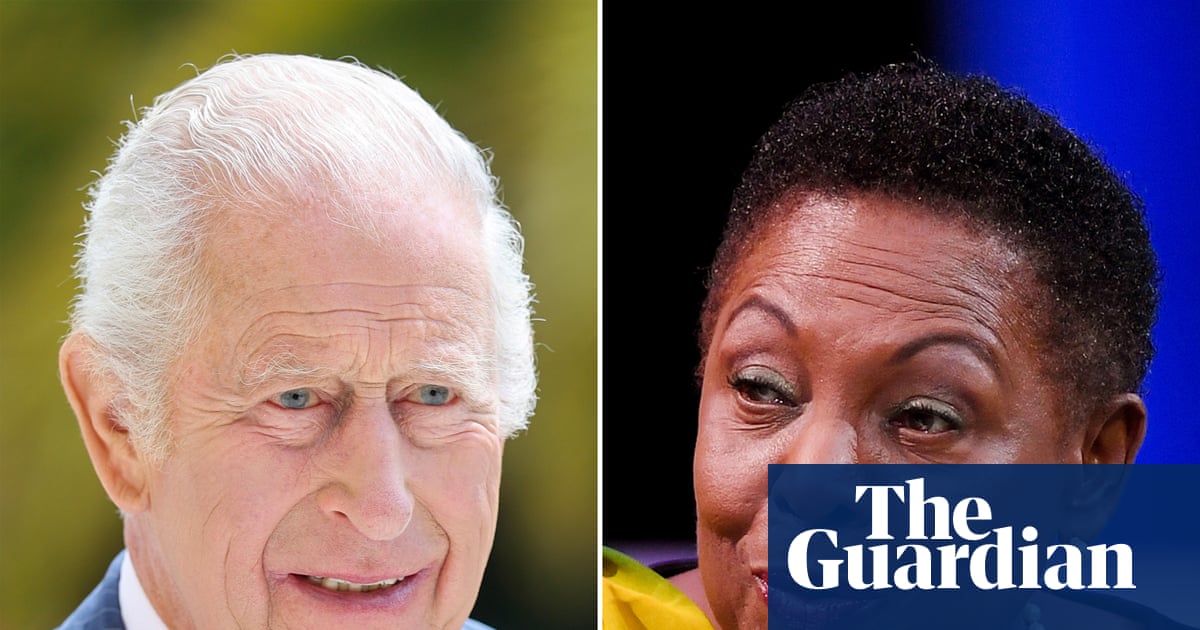
The palace acknowledged the king’s constitutional role in the petition as Jamaica’s head of state but said he had no role in deciding the substance of the claim
right neutral framing of the UK's response
Leaning score -0.55 for article 6487 (high confidence, 5 verified quotes) · logged 2026-09-07
A Jamaican delegation to the United Kingdom has said it will file a petition addressed to King Charles III to seek legal guidance on the question of slavery reparations.
asserted
it → say → reparations
This is the first time a British Commonwealth state will use this legal route “for the cause of reparatory justice”, the Jamaican delegation said, as the visit to London kicks off Monday.
asserted
visit → use → London
Jamaica’s Ministry of Culture, Gender, Entertainment and Sport said its minister, Olivia Grange, will lead the delegation “to advance Jamaica’s push for reparations for the African ancestors who suffered under hundreds of years of enslavement”.
asserted
who → say → enslavement
The ministry added that it will meet with the British Museum to discuss “the repatriation of cultural artefacts taken from Jamaica”.
asserted
it → add → Jamaica
The petition will ask the king, Jamaica’s head of state, to answer three questions on the transatlantic slave trade to the Judicial Committee of the Privy Council, the Caribbean island’s highest court of appeal based in London.
asserted
petition → ask → London
Under the Judicial Committee Act of 1833, the UK monarch has the authority to refer legal matters to the court for an advisory opinion.
asserted
monarch → have → opinion
The questions include: whether the enslavement of Africans in Jamaica was legal under English common law, whether it violated international law, and whether the UK has a legal obligation to provide a remedy for the harm caused by slavery.
asserted
UK → include → slavery
Grange said she would not speculate on whether Jamaica was asking the UK to pay reparations for the slave trade.
asserted
Jamaica → say → trade
“We want the answers.
asserted
We → want → answers
Once we get the answers, or once we get a response to those questions, then the next steps will be determined,” she said.
asserted
she → get → questions
“We understand the Jamaican government is seeking a petition to be heard before the Judicial Committee of the Privy Council,” a Buckingham Palace spokesperson said in response to Jamaica’s inquiry.
asserted
spokesperson → understand → inquiry
The palace acknowledged the king’s constitutional role in the petition as Jamaica’s head of state but said he had no role in deciding the substance of the claim.
uncertain
he → acknowledge → claim
British merchants enslaved and forcibly transported 600,000 to 1 million Africans to Jamaica between the 17th century and the early 19th century.
asserted
merchants → enslave → century
Shortly after abolishing slavery in 1833, the UK paid slave owners $27m in compensation, amounting to 40 percent of the Treasury’s annual income.
asserted
UK → abolish → income
To raise the cash, the government took out considerable loans, finally paying off its debts in 2015.
asserted
government → raise → 2015
The Jamaican government estimates that the country is owed about $10bn, but the UK has repeatedly refused to pay for historical slavery.
asserted
UK → estimate → slavery