The Sydney Morning Herald
· collected 2026-10-09 · by Patrick Begley, Nick Toscano
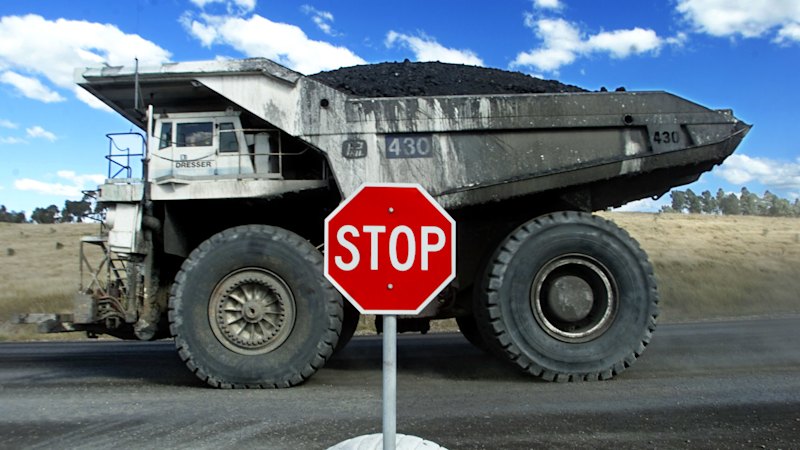
The decision to allow a massive NSW coal mine to run until 2045 will be fought in court, legal experts predict, after the High Court struck down a separate approval for failing to grapple with the climate impact of Australian coal being burned in foreign power plants.
asserted
Court → allow → plants
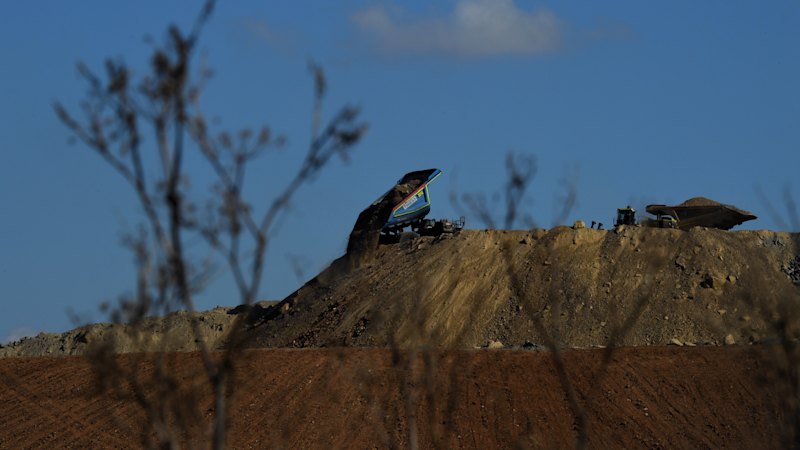
Lawyers for the HVO mega-project in the Hunter Valley - described as a “carbon bomb” by environmental campaigners due to the vast emissions it will unlock over its 19-year lifespan - are bracing for a challenge to last month’s approval decision.
asserted
it → describe → decision
But Premier Chris Minns is continuing to stare down calls from One Nation and the Coalition to pass new laws that would bar planning authorities from considering the climate impact of Australian coal burned abroad.
asserted
that → continue → coal
The High Court on Wednesday invalidated an approval to extend and expand the Mount Pleasant coal mine, which sits not far from its Hunter Valley competitor HVO.
asserted
which → invalidate → competitor
“If I were the operator of the HVO mine, I’d be preparing for lawyers to knock on my door and issue me a writ appealing the decision,” Lily O’Neill, a senior research fellow at the University of Melbourne Law School, said.
asserted
O’Neill → prepare → School
HVO, which is co-owned by the resources giants Yancoal and Glencore, is expected to produce 800 million tonnes of climate-warming emissions over the next two decades.
asserted
which → expect → decades
About 98 per cent of that would be from the transportation and end use of coal overseas, the Independent Planning Commission accepted.
asserted
Commission → accept → coal
O’Neill said HVO should be “triply nervous” about a challenge following the High Court ruling.
asserted
HVO → say → ruling
The approval decision may be vulnerable because the commission failed to quantify the economic damage from greenhouse gases released in export countries, known as scope 3 emissions, she said.
uncertain
she → fail → emissions
The commission argued there was no reliable way of accounting for the costs to NSW, while pointing to local economic benefits such as jobs and tax revenue.
asserted
commission → argue → jobs
HVO won its extension approval a week before the High Court ruled in the Mount Pleasant case that planning authorities must consider all types of emissions when deciding whether to impose conditions on mine approvals.
asserted
authorities → win → approvals
Justice Michelle Gordon, a member of the majority in the 3-2 split decision, concluded it was wrong to push aside one category of greenhouse gases.
asserted
it → conclude → gases
“The impact of greenhouse gas emissions is the same, regardless of how they are categorised,” Gordon wrote in an individual judgment.
asserted
Gordon → categorise → judgment
Justice James Edelman said the commission appeared to have been “distracted” by the different categories.
asserted
commission → say → categories
The Mount Pleasant mine owner, MACH Energy Australia, must now defend its project before the Land and Environment Court.
asserted
owner → defend → Court
HVO’s legal team is concerned the mine’s opponents will seize on the High Court ruling to exploit any legal opportunity to force the controversial project back to court, according to a source familiar with the HVO legal team’s position.
uncertain
opponents → concern → position
“There is some degree of hope that [the court’s ruling] is specific to the situation MACH Energy found itself in, but there is no complacency,” said the source, who was not authorised to speak publicly.
asserted
who → be → itself
Yancoal, which owns 51 per cent of the mine, did not respond to questions from this masthead.
asserted
which → own → masthead
Industry analysts said this week’s High Court ruling presented another “significant headwind” for Australia’s $68 billion coal industry, threatening to reshape the approval process for mine-expansion projects and complicate producers’ efforts to maintain export volumes.
asserted
ruling → say → volumes
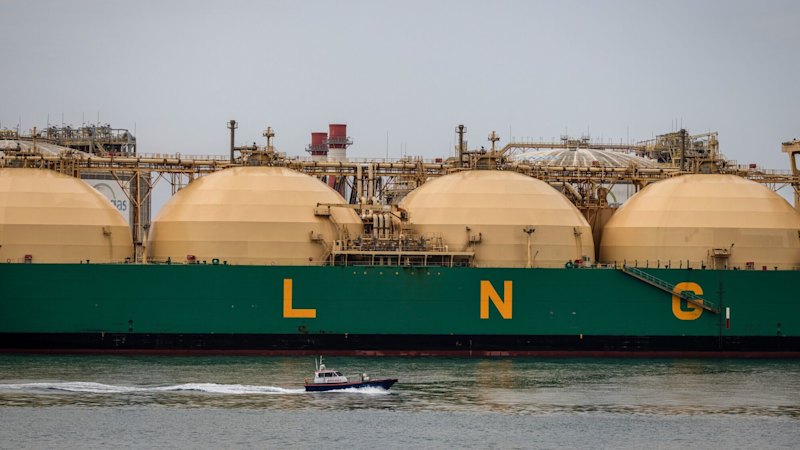
Australian coal exporters are already facing a deteriorating outlook for demand and prices as countries across the world continue ratcheting up efforts to slash emissions by burning less coal and switching to cleaner sources of electricity.
asserted
countries → face → electricity
Brett Spalding, principal coal analyst at research firm Wood Mackenzie, said the requirement for planning authorities to closely scrutinise scope 3 emissions – coupled with NSW’s recent ban on new “greenfield” coal-mining projects – marks a major shift that puts local miners at a competitive disadvantage globally.
asserted
that → say → disadvantage
“The requirement to consider scope 3 emissions as part of the mine approval process is unprecedented among major seaborne export thermal coal producing countries and marks a meaningful shift in the regulatory landscape,” Spalding said.
asserted
Spalding → consider → landscape
Minns has described Wednesday’s ruling as “very narrow” and unlikely to affect other approvals, telling climate activists to not get “overexcited”.
asserted
Minns → describe → activists
Unlike in the Mount Pleasant case, the planning commission explicitly considered conditions to limit overseas emissions from the HVO project.
asserted
commission → consider → project
The mine will only be allowed to export to countries signed up to the Paris Agreement or a similar framework.
asserted
mine → allow → Agreement
Despite this, “it’s likely that the HVO decision will be challenged”, according to Maria Nawaz, a climate law specialist at the UNSW Australian Human Rights Institute.
uncertain
decision → ’ → Institute
Nawaz said the “key part” of the planning commission’s duty was to weigh up approval conditions to reduce emissions “to the greatest extent practicable”.
asserted
part → say → extent
“It’s pretty much inevitable that we’re going to see more litigation in this space,” the former strategic litigator said.
asserted
litigator → ’ → space
Although lawyers expect the High Court decision will add to scrutiny of planning bodies and embolden environmental groups to pursue more legal action, they also caution that the ruling concerns one part of NSW law.
asserted
ruling → expect → law
“The decision should not be taken as a watershed moment” lawyers for top-tier law firm Herbert Smith Freehills Kramer wrote in an opinion article, arguing the court was not “weighing in on climate change”.
asserted
court → take → change
 The Aporia