Story summary
On Wednesday, Australia’s High Court ruled in favor of a Hunter Valley residents' group, halting MACH Energy’s proposed expansion of its Mount Pleasant coal mine near Muswellbrook, New South Wales. The decision was a 3-2 split ruling where three judges agreed that the state's planning commission failed to consider mitigating emissions generated when the coal is sold and burnt overseas. This landmark case means NSW planning authorities must now take into account scope 3 emissions, or downstream greenhouse gas emissions from burning exported coal, when approving fossil fuel projects.
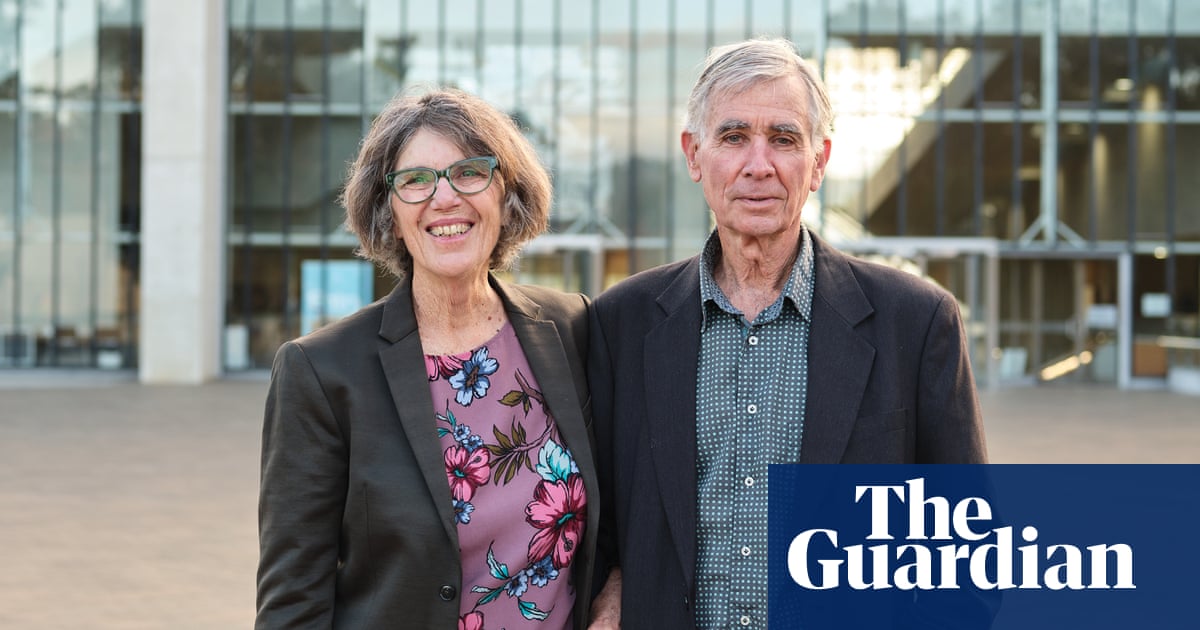
The expansion would have doubled the mine’s output to 21 million tonnes per annum until 2048, with 98% of projected emissions classified as scope 3 emissions. Wendy Wales, a retired science teacher and president of the local community group Denman Aberdeen Muswellbrook Scone Healthy Environment Group (DAMSHEG), celebrated this "groundbreaking decision" that will influence similar cases nationally.
Environmental advocates assert the ruling sets a binding national precedent for fossil fuel projects in NSW, while industry bodies express concern about potential impacts on future investment in resource-rich states like Western Australia.
Written for “High Court Coal Mine Climate Ruling” on 2026-10-08,
grounded in this article and the 9 other(s) covering the same event.
In short:
The High Court has ruled that NSW regulators must "consider" the impact of carbon emissions of coal projects, including the emissions produced when the exported coal is burnt overseas.
asserted
coal → rule → emissions
The decision regarding the Mount Pleasant mine in the Hunter Valley has alarmed mining groups.
What's next?
asserted
What → regard → groups
The matter now returns to the NSW Land and Environment Court.
asserted
matter → return → Court
Resources company MACH Energy probably never expected its high court appeal over the future of a Hunter Valley coal mine to trigger a legal precedent that has been celebrated by climate activists.
asserted
that → expect → activists
The court's decision has the resources sector nervous, the federal government downplaying the ruling's wider significance, and the opposition apoplectic about its potential to cripple the Australian fossil fuel industry.
asserted
opposition → have → industry
Whether the ruling is a narrow interpretation of a planning statute or spells doom for the fossil fuel industry depends on who you talk to.
So, let's step through it all carefully.
What was the case about?
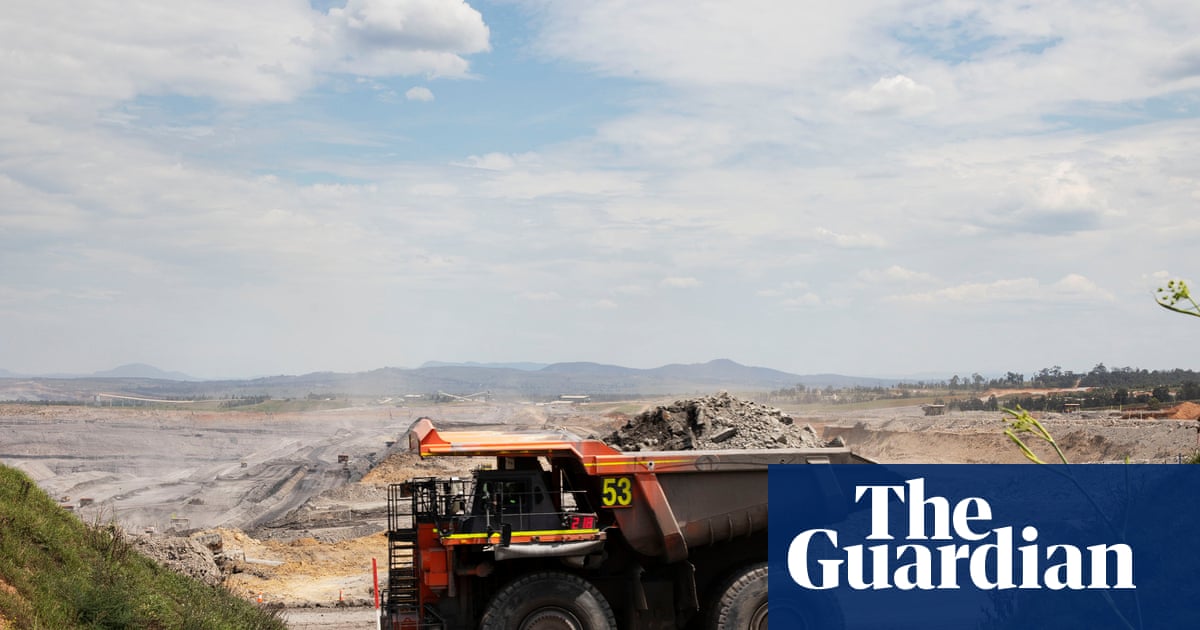
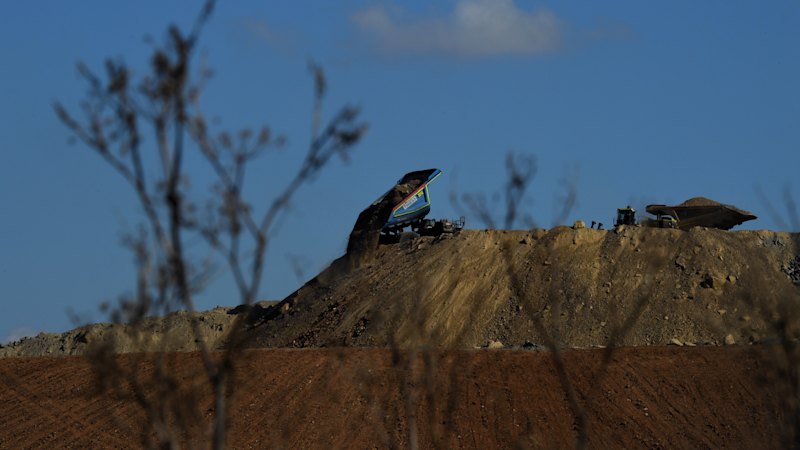
MACH Energy operates the Mount Pleasant open-cut mine near Muswellbrook.
asserted
Energy → spell → Muswellbrook
It wants to double the amount of coal it exports from the mine and keep it open until 2048.
asserted
it → want → 2048
NSW's Independent Planning Commission (IPC) approved that expansion in 2022.
asserted
Commission → approve → 2022
But the plan came to a dramatic halt when a residents' group convinced the state's Court of Appeal the IPC got it wrong.
asserted
it → come → Appeal
The Denman Aberdeen Muswellbrook Scone Healthy Environment Group (DAMSHEG), led by two retired schoolteachers, said the planning panel failed to properly consider that climate change caused by the exported coal's "downstream" or scope 3 emissions would cause harm to the Hunter.
asserted
change → lead → Hunter
Under climate regulations, Scope 1 emissions are those that come from the source, such as methane leaks from a coalmine.
asserted
that → come → coalmine
Scope 2 emissions are caused by electricity that has been generated using fossil fuels.
Scope 3 emissions are indirect emissions, and in this case describe the "downstream" or "chain emissions" that occur when a product is sold on and used — in this case, when the exported coal is burned overseas.
Globally, they account for the vast majority of emissions from coalmines and other fossil fuel production.
asserted
they → cause → coalmines
In July 2025, the NSW Court of Appeal agreed with DAMSHEG's argument.
asserted
Court → agree → argument
It found none of the IPC's conditions expressly addressed scope 3 emissions, despite it being a legal requirement to "ensure greenhouse gas emissions are minimised to the greatest extent possible".
asserted
emissions → find → extent
The court sent the case to be reviewed again, this time by the Land and Environment Court.
asserted
court → send → Court
Frustrated with the delays, and in an effort to get some clear guidance on a path forward, the coal company took its case to the High Court, which agreed to review the planning process.
asserted
which → frustrate → process
University of Melbourne expert Professor Jacqueline Peel said it was a "very unusual case" for the High Court to take up.
asserted
Court → say → Melbourne
She described the case as "largely an issue of statutory interpretation, what the words of the statute meant".
asserted
words → describe → statute
"On one take it's a just a narrow decision interpreting a specific provision or provisions of New South Wales planning law," she said.
asserted
she → interpret → law
What did the High Court find?
asserted
Court → find → What
In its original approval, the IPC accepted that 860 million tonnes of emissions would be generated overseas from the project, and that this would contribute to climate change.
But the planning panel said that "would be accounted for" by the countries that imported the coal, "through broader national policies and international agreements (such as the Paris Agreement)".
asserted
that → accept → Agreement
MACH Energy's appeal to the High Court argued the same: that the Paris Agreement was enough, and that essentially once the coal left Australia, it was not the company's problem.
asserted
it → argue → Australia
But the High Court dismissed that argument in a majority 3 to 2 ruling.
asserted
Court → dismiss → ruling
The court found NSW law required the IPC to "consider imposing conditions to minimise to the greatest extent practicable all greenhouse gas emissions, including Scope 3 emissions".
asserted
law → find → emissions
What does it mean for fossil fuel projects?
asserted
it → mean → projects
Professor Peel said at its most narrow reading, the High Court ruling essentially enforced NSW planning law that already existed.
asserted
that → say → law
But she said the potential big change was that the High Court was now "saying the quiet part out loud".
asserted
Court → say → part
"If you start requiring mines to actually deal with and be accountable for their scope 3 emissions and have to do something to minimise those, then it makes the coal mine a much different economic prospect than it would be if you can just deal with scope 3 emissions as someone else's problem," she said.
asserted
she → start → problem
The Australian Conservation Foundation's Adam Bandt said the outcome was something governments and corporations had long been fighting against.
asserted
governments → say → ?
"There came a time when we understood that asbestos was a product that when you used it as intended would cause harm," Mr Bandt said.
"
asserted
Bandt → come → harm
We don't mine and export asbestos anymore."
The Minerals Council's Tanya Constable said she was "very concerned about the decision".
"
asserted
she → mine → decision
This will send shudders down everybody's spine," she said.
asserted
she → send → spine
It is the requirement to consider emissions overseas, not just those happening in Australia, that has the industry and conservative politicians so worked up.
asserted
industry → consider → Australia
Opposition Leader Angus Taylor said it was "absurd" to ask local planning authorities to consider climate impacts in other countries before approving a mine in New South Wales.
asserted
it → say → Wales
"Under the international rules … emissions are counted where coal is used, not where it is mined," he said.
asserted
he → count → rules
But those rules appear to be changing.
asserted
rules → appear → ?
In July 2025, the International Court of Justice issued an advisory opinion putting accountability for climate-related harm onto coal and other fossil fuel producers at the point of extraction.
asserted
Court → issue → extraction
The UK Supreme Court also ruled that the future impact of fossil fuel projects must be assessed by planning bodies when deciding whether to approve projects.
asserted
impact → rule → projects
High Court Judge Gordon appeared to accept this argument in her own findings from the MACH Energy case.
asserted
Gordon → appear → case
"The impact of greenhouse gas emissions is the same, regardless of how they are categorised," Judge Gordon found.
asserted
Gordon → categorise → emissions
…and 8 more, not listed.
 The Aporia