‘Vested interests will love it’: Politicians to have power to approve coal mines under One Nation

Read the original at The Sydney Morning Herald ↗
The Sydney Morning Herald · collected 2026-10-08 · by Michael McGowan

Quick Summary

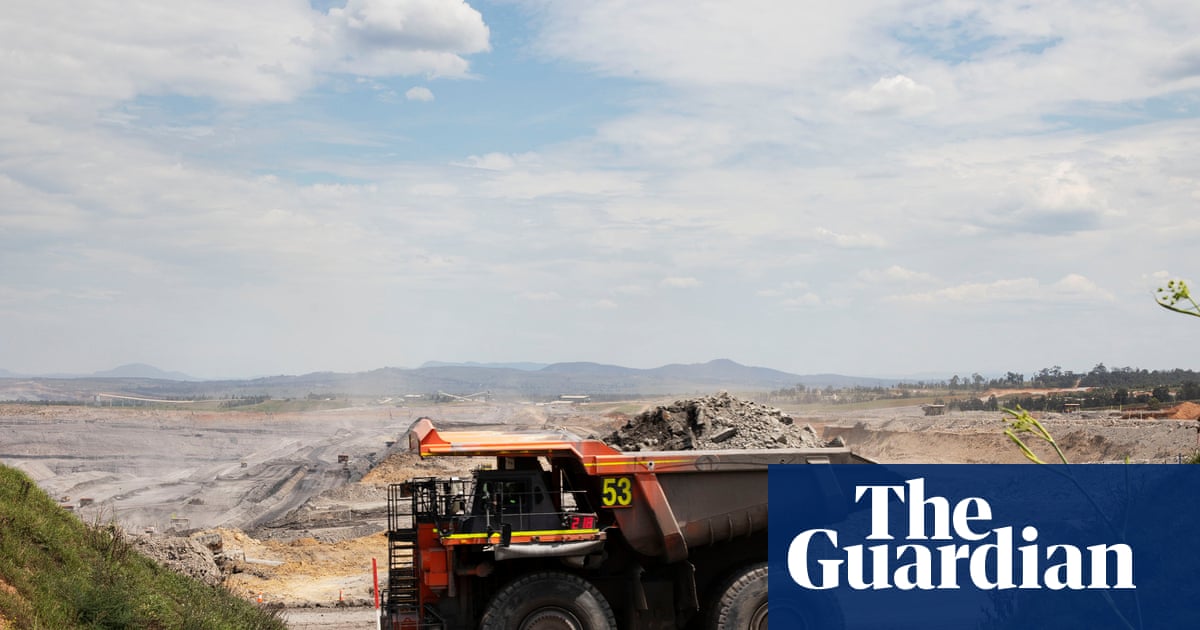
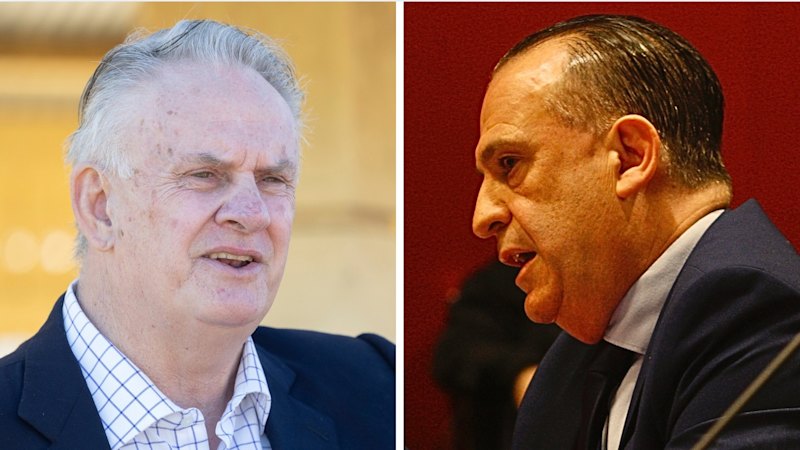
One Nation proposes giving politicians power to approve coal mines instead of independent assessments as part of efforts to reverse planning reforms designed to limit corruption risks. This follows a High Court ruling that declared invalid an expansion of a Hunter Valley coal mine, highlighting potential legal challenges for other approvals. Rob Stokes, who established the Independent Planning Commission in 2018, criticized One Nation’s proposal, while Mike Newman argued ministers should be responsible for decision-making to avoid bureaucracy and promote investment predictability.
Written locally by qwen2.5:14b on 2026-10-08, using this article's own text rather than the other coverage of the same event (that is the story summary below).

AI analysis runs on qwen2.5:14b, locally

Story summary

One Nation, a right-wing political party in New South Wales (NSW), plans to scrap the independent assessment of major new coal mines and give decision-making powers back to politicians. This move is part of their strategy to reverse decades-old planning reforms aimed at reducing corruption risk by removing ministerial control over significant projects. The High Court recently issued a judgment declaring an expansion of a Hunter Valley coal mine invalid, compelling NSW authorities to consider the environmental impact of Australian coal burned overseas. While the NSW and federal Labor governments downplay this ruling's significance, environmental groups are discussing potential further legal actions, including challenges against recently approved mine expansions like the massive Hunter Valley Operations project. One Nation’s proposal targets the Independent Planning Commission (IPC), aiming to dismantle it entirely as they prepare for the upcoming state election in March.

Written for “Coal Mine Approval Power For Politicians” on 2026-10-08, grounded in this article and the 0 other(s) covering the same event.
Why this leaning score
The article's own words the score was based on. Each is quoted verbatim and was checked against the article text before being stored, so you can find it in the original.
Reading Leans strongly right (beta estimate) Confidence high 1 quote(s) discarded as not found in the article
Leaning: leans strongly right for article 66452 (high confidence, 1 verified quote) · logged 2026-10-08

Signals How these are calculated →

Claims extracted
28
claim-shaped sentences
Uncertain
4%
1 of 28 hedged
Leaning
Leans strongly right
of the writing, not the subject · beta estimate
Correction & hedging signals
61.1
corrections and hedging in what we collected; not a measure of accuracy
Outlets on this story
1
Politics
Narrative spread
1
articles carrying this framing
Analyzed 2026-10-08 · how these are computed

Story

📰 Coal Mine Approval Power For Politicians
Politics · 1 article(s) covering the same event.

How this is being covered How these are calculated →

Article leaning vs. publisher reliability
Source leaning vs. consistency

Compared with similar articles

This article reads leans strongly right and hedges 4% of its claims. Each row says how that neighbour differs.
The Guardian
⚖️ Leans strongly left further left than this 🔴 14% hedged 5 of 36 📰 publisher trust 68
“The articles discuss different aspects related to coal but describe distinct events: criticism of Australia and Turkey for embracing coal while hosting a climate conference, versus One Nation's plan to give politicians power to approve coal mines.”
The Sydney Morning Herald
⚖️ Leans left further left than this 🔴 10% hedged 3 of 30 📰 publisher trust 61
“While both articles discuss a High Court judgment related to a major Hunter Valley coal mine expansion, Article A focuses on the decision itself and its implications for planning authorities and emissions, while Article B highlights One Nation's proposed legislative response to such judgments.”
ABC News (AU)
⚖️ leaning not scored 🔴 9% hedged 3 of 35 📰 publisher trust 61
“While both articles mention a High Court ruling in New South Wales, they are discussing different aspects of its implications.”
Al Jazeera
⚖️ leaning not scored 🔴 5% hedged 1 of 22 📰 publisher trust 60
“Article A describes the High Court's decision against coal mine expansion, while Article B discusses political reactions to that ruling and proposes new legislation in response.”
The Guardian
⚖️ leaning not scored 🔴 9% hedged 2 of 23 📰 publisher trust 68
“While both articles mention a High Court ruling regarding a Hunter Valley coal mine, they describe different aspects: Article A focuses on the immediate reaction to the ruling and its implications for future approvals, while Article B discusses the political response and legislative proposals in light of the ruling.”
ABC News (AU)
⚖️ leaning not scored 🔴 15% hedged 4 of 26 📰 publisher trust 61
“Article A discusses concerns from Queensland's coal industry regarding a High Court decision, while Article B focuses on One Nation's proposed policy changes in response to the same High Court ruling. Although both mention the High Court ruling, they describe different aspects and reactions.”
ABC News (AU)
⚖️ Leans left further left than this 🔴 0% hedged 0 of 4 📰 publisher trust 61
“While both articles mention a High Court ruling about climate effects on approving fossil fuel projects, Article B refers to potential future legislation proposed by One Nation rather than just reporting the specific legal ruling in Article A.”
ABC News (AU)
⚖️ leaning not scored 🔴 2% hedged 1 of 48 📰 publisher trust 61
“While both articles discuss a High Court ruling regarding coalmine emissions in the Hunter Valley, Article B is reporting on the broader political implications and proposed legislative changes by One Nation, not just the specific court decision mentioned in Article A.”
The Sydney Morning Herald
⚖️ Leans strongly left further left than this 🔴 5% hedged 5 of 97 📰 publisher trust 61
“While both articles discuss a High Court ruling about a coal mine expansion, ARTICLE A focuses on the ruling itself and its implications for climate change, while ARTICLE B mentions the ruling in relation to proposed changes to coal mining regulations by One Nation.”
The Guardian
⚖️ leaning not scored 🔴 0% hedged 0 of 19 📰 publisher trust 68
“Article A describes the High Court's decision on a climate change case regarding a Hunter Valley coal mine, while Article B discusses One Nation's plan to give politicians power over approving coal mines, referencing the same court ruling as context but not describing it as the main event.”

Publisher

The Sydney Morning Herald · 2876 article(s) · 6 correction(s) detected
Running correction rate · 6 correction(s)
2026-10-08
Snowtown murderer seen leaving correctional facility
2026-10-08
Oliver Curtis’ transformation from jailbird to corporate kingpin has gone awry
2026-10-03
Tennessee’s prisons chief to resign after failed execution of Christa Pike
2026-09-28
Inside the prison left abandoned for years – now set to reopen as DV offenders weigh on system
2026-09-19
What will happen to your most cherished possessions when you die? You don’t want to know
2026-09-18
What will happen to your most cherished possessions when you die? You don’t want to know

Who wrote this

Michael McGowan
8 article(s) here · 1 carrying a prediction
🔮 One Nation would scrap independent assessment of major new coal mines and hand decision-making power back to politicians as part of the resurgent right-wing party’s plan to reverse decades of planning reforms designed to limit corruption risk by removing ministerial power over major projects.
🔮 A group campaigning against developer Stockland’s proposed $2.9 billion, 25,400-square-metre data centre at the former Kogarah Golf Club site on the banks of the Cooks River was left bemused after the council wrote to it this week informing them they would not be allowed to hold a protest in a park on Friday evening.
🔮 “This result will be seen as a victory for the current MPs and the party’s present establishment and their political strategy,” he wrote, identifying it as “mainstream progressive”.
🔮 Those attacks led the government to announce it would roll out year-long drone surveillance, as well as a trial of artificial intelligence to identify sharks.
🔮 The racing regulator now faces the potential of a finding that it acted in contempt of parliament, after the chair of the committee, Labor MP Stephen Lawrence, said the investigation into Latham could have “a tendency to substantially interfere in a member of parliament doing their job”.
🔮 “Without a will, she was unable to have a funeral without his consent,” Thornton’s mother Kylie Bailey said on Tuesday.
🔮 They are part of the federal government’s $11 million humanitarian support package, and will be joined by disaster victim identification officers from the Australian Federal Police on Saturday.
Also by Michael McGowan
Nothing else under this byline is closely related to this article, so these are simply their most recent.
All 8 articles by Michael McGowan →

Topics

IPC Labor NSW One Nation One Nation’s

Subjects

IPC ORG · 6× NSW GPE · 4× One Nation ORG · 4× Labor ORG · 2× One Nation’s ORG · 2× The High Court ORG · 2× Australian NORP · 1× Coalition ORG · 1× Rob Stokes PERSON · 1× the Independent Planning Commission ORG · 1×

Narrative

One Nation would scrap independent assessment of major new coal mines and hand decision-making power back to politicians as part of the resurgent right-wing party’s plan to reverse decades of planning reforms designed to limit corruption risk by removing ministerial power over major projects.
framing: assertive · carried by 1 article(s) · first seen 2026-10-08
🔮 One Nation would scrap independent assessment of major new coal mines and hand decision-making power back to politicians as part of the resurgent right-wing party’s plan to reverse decades of planning reforms designed to limit corruption risk by removing ministerial power over major projects.

Claims (28 extracted, 1 hedged)

One Nation would scrap independent assessment of major new coal mines and hand decision-making power back to politicians as part of the resurgent right-wing party’s plan to reverse decades of planning reforms designed to limit corruption risk by removing ministerial power over major projects. asserted
Nation → scrap → projects
The High Court on Wednesday issued a seismic judgment in which it declared a major Hunter Valley coal mine expansion invalid, forcing NSW planning authorities to reckon for the first time with the impact of Australian coal burnt overseas. asserted
expansion → issue → coal
The ruling has potentially wide-ranging ramifications. asserted
ruling → have → ramifications
The NSW and federal Labor governments have played down its significance, calling it a narrow ruling that won’t impact other mine approvals. asserted
that → play → approvals
However, environmental groups are already privately discussing the possibility of further legal action, including against the massive Hunter Valley Operations coal mine expansion approved last week. asserted
groups → discuss → expansion
One Nation, which has taken an aggressively pro-coal stance as it seeks to win seats in the Hunter Valley at the state election in March, says it would deal with the issue in part by scrapping the Independent Planning Commission (IPC) entirely and giving approval power to ministers. asserted
it → take → ministers
Such a move would undo decades of reforms, which have sought to remove the decision-making power for contentious projects from individual ministers after repeated corruption scandals. asserted
which → undo → scandals
Rob Stokes, the former Coalition minister who established the planning commission in 2018, said of One Nation’s proposal: “The vested interests will love it.” asserted
interests → establish → it
But Mike Newman, One Nation’s leader in NSW, said ministers should be “on the front line of decision-making”. “We’re just forever tying ourselves in knots, adding more onerous layers of bureaucracy,” he said. asserted
he → say → bureaucracy
“Ministers should be driving policies … if One Nation was elected, we are the representatives of the people, not the bureaucracy.” asserted
we → drive → people
Ministers in a One Nation government would be “subject to KPIs and tasked with delivery”, Newman said. asserted
Newman → task → delivery
They would be less susceptible to corruption because “they are not former politicians [and] don’t owe the unions”. asserted
they → owe → unions
“If we continue to go down this path of more regulation in the way we are going, [we are going] to ruin predictability in the marketplace, which will only end up undermining long-term investment into our country,” he said. asserted
he → continue → country
The IPC was established in 2018, replacing the previous Planning Assessment Commission introduced by the former Labor government, in response to a series of scandals over ministerial approvals for major developments. asserted
IPC → establish → developments
It determines approval for certain major projects, including in cases where there are 50 or more public objections or an applicant has made a political donation. asserted
applicant → determine → donation
The Minns government has made a series of changes to its functions, including increasing the threshold at which the IPC becomes the decision-making body in relation to mining projects, data centres or renewable energy. asserted
IPC → make → projects
Stokes, the former planning minister who set it up, said the IPC had taken “backdoor politics out of big planning decisions, particularly in the resource sector”. “The rent seekers and lobbyists hated it because they could no longer use media or threats to influence a decision on an individual project at a political level to get the outcome they wanted,” he said. uncertain
he → set → outcome
“Removing the IPC will only slow down time frames for decisions through increasing the risk of expensive litigation, as well as returning to the bad old days of arbitrary decision-making through ministerial fiat. asserted
Removing → remove → fiat
It can only reduce public confidence in decision-making. asserted
It → reduce → making
“If you get rid of the IPC, it means justice will be less accessible for ordinary people, particularly in regional communities.” asserted
justice → rid → communities
The High Court ruled on Wednesday that the IPC had failed to consider scope 3 emissions, caused by the burning of the coal, when weighing approval conditions to minimise emissions “to the greatest extent practicable”. asserted
IPC → rule → extent
The decision, which related to MACH Energy Australia’s Mount Pleasant coal mine extension, raised the prospect of further legal challenges against other major resource projects. asserted
which → relate → projects
Premier Chris Minns on Thursday played down the significance of the ruling, telling green groups not to get “overexcited” by what he described as a “very narrow, technical decision”. asserted
he → play → decision
He played down the need for legislative changes to override the judgment, saying MACH still had approval to operate until 2032. asserted
MACH → play → 2032
Noting One Nation’s stated intention to unwind the state’s wider framework of emissions regulation, Minns said such a move would damage “Australia’s reputation as both a mining economy and one that cares about the environment”. asserted
that → note → environment
“I think you should be careful what you wish for,” he said. asserted
he → think → what
“We can have both a growing mining sector and continue our very high, hard-fought-for reputation for the world’s best coal and an economy and a system that cares about the environment.” asserted
that → have → environment
Get to the heart of what’s happening with climate change and the environment. asserted
what → get → change

💬Give feedback
🕘History 🎫Support